Salt-Safe Winter Traction Ideas for Concrete Steps

Salt-Safe Winter Traction Ideas for Concrete Steps

Introduction

To ensure safe winter traction on concrete steps without damaging them, consider using sand, kitty litter, or specialized non-corrosive deicers. This article explores various salt-free alternatives that provide effective grip while preserving the integrity of your concrete surfaces during icy conditions.

Understanding the Risks of Salt-Based De-Icers on Concrete

Salt-based de-icers, while effective for melting ice, can significantly damage concrete surfaces over time. The chemical reaction between salt and concrete accelerates the freeze-thaw cycle, leading to surface pitting, scaling, and cracks. This deterioration not only affects the appearance of concrete but also compromises its structural integrity.

Understanding the specific impacts of different de-icers, such as sodium chloride, calcium chloride, and magnesium chloride, can help in choosing safer options for concrete. Environmental factors, like temperature fluctuations and moisture levels, can exacerbate salt damage, making it crucial to consider alternatives. Exploring other de-icing methods can enhance the longevity and safety of concrete surfaces, providing peace of mind for DIY enthusiasts and professionals alike.

Chemical Reactions with Concrete

When salt-based de-icers hit your concrete, they don’t just melt ice; they start a chemical reaction. Salt, especially sodium chloride, can cause the concrete to absorb more water. This extra water seeps into the concrete’s pores and can lead to a freeze-thaw cycle. As the water freezes, it expands and puts pressure on the concrete, causing it to crack and deteriorate over time.

Another issue is that salt can react with the calcium hydroxide in concrete, forming calcium oxychloride. This compound is not your friend. It expands inside the concrete, leading to more cracking and surface damage. If you see your concrete flaking or spalling, it’s a sign that these reactions are taking a toll.

To avoid these problems, consider using alternative de-icing methods. Sand or kitty litter can provide traction without the chemical headaches. If you must use salt, apply it sparingly and make sure your concrete is well-sealed. A good sealant can help block water and salt from getting into the pores. Remember, protecting your concrete now can save you a lot of repair work later.

Long-Term Structural Impact

Salt-based de-icers can gradually eat away at your concrete. Over time, the salt seeps into the surface, causing the concrete to crack and flake. This process, known as spalling, weakens the structure and can lead to costly repairs. If you notice surface damage, it’s a sign that the integrity of your concrete is compromised.

One major concern is the potential for rebar corrosion. Salt can penetrate deep enough to reach the steel reinforcement within the concrete. When this happens, the rebar rusts and expands, creating internal pressure that leads to further cracking. This not only affects the appearance but also the safety of your concrete surfaces.

To minimize these risks, regularly inspect your concrete for early signs of damage. Look for small cracks or areas where the surface appears uneven. If you spot issues, consider sealing your concrete to create a barrier against salt penetration. In the long run, using alternatives to salt-based de-icers can help preserve the strength and safety of your concrete structures.

Concrete staircase with rusted metal nosing on worn treads
Consider replacing rusted metal nosing with non-corrosive materials to prevent further damage and improve traction on concrete steps.

Exploring Non-Chemical Traction Solutions

When it comes to enhancing traction on concrete surfaces without chemicals, several effective and safe alternatives are available. Sand, kitty litter, gravel, and rubber mats offer practical solutions, each with unique benefits and ease of application.

These non-chemical traction methods are crucial for maintaining safety during icy conditions while preserving the integrity of concrete surfaces. They provide versatile options for DIY enthusiasts and professionals alike, ensuring reliable traction without the potential damage associated with chemical deicers.

Sand and Its Benefits

Using sand for traction is a smart choice if you’re looking to avoid chemicals. Sand provides a gritty surface, which can help prevent slips and falls. It’s an effective option for driveways and walkways, especially during icy conditions. Just spread a thin layer over the surface, and you’ll notice the difference right away.

One of the biggest advantages of sand is that it won’t damage concrete surfaces. Unlike some chemical de-icers, sand doesn’t cause concrete to crack or deteriorate. This makes it a reliable option for maintaining your property’s integrity over time.

When using sand, make sure to sweep it up after the ice has melted. Leaving sand on the surface can create a mess and may clog drains. A quick cleanup will keep your area looking tidy and prevent any potential drainage issues.

Using Cat Litter for Traction

When you’re looking for a safe and eco-friendly way to improve traction in icy conditions, biodegradable cat litter is a solid choice. Unlike traditional chemical de-icers, it won’t harm your driveway or the environment. Just make sure you’re using the biodegradable type, as some litters contain clay or silica that can be harmful.

To use cat litter effectively, sprinkle a generous amount over icy patches. The granules will provide the grip needed to prevent slips. It’s not just about throwing some litter down; you need to ensure even coverage to maximize traction. Keep a bag handy in your car for emergencies, especially if you live in an area prone to sudden weather changes.

While cat litter is a great non-chemical option, remember it can get messy. After the ice melts, you’ll need to clean up the leftover material. If you’re not up for the cleanup, consider the alternatives we discussed earlier, like sand. But if you’re okay with a bit of tidying up, biodegradable cat litter is a reliable, safe choice for winter traction.

Other Natural Options: Gravel, Wood Chips, and More

When it comes to improving traction naturally, gravel is a solid choice. It’s durable and provides excellent grip on icy surfaces. Just make sure to check base compaction before spreading gravel; a stable base prevents shifting and ensures effectiveness. Opt for smaller gravel pieces as they embed better into the surface, offering more consistent traction.

Wood chips are another option, especially if you’re looking for something more environmentally friendly. They break down over time, adding organic matter to your soil. However, they can become slippery when wet, so use them sparingly and in combination with other materials for the best results.

Consider using a mix of materials for optimal traction. Combining gravel with wood chips can provide a balance of stability and environmental benefits. Always evaluate the specific needs of your area and adjust your approach accordingly. Remember, the goal is to create a safe, non-slip surface without relying on chemicals.

Safe Chemical De-Icers for Concrete

When winter arrives, keeping concrete surfaces safe and intact becomes a priority. Certain chemical de-icers are designed to be less harmful to concrete, offering an effective solution in freezing temperatures. These products help prevent the damage often caused by traditional salt-based de-icers while maintaining their ice-melting efficiency.

Understanding the benefits of these safer de-icers can make a significant difference for homeowners and professionals alike. They not only protect concrete surfaces but also reduce environmental impact and enhance safety during icy conditions. By choosing the right de-icer and applying it correctly, you can ensure long-lasting protection for your concrete surfaces without compromising on performance.

Calcium Chloride and Magnesium Chloride

Calcium chloride and magnesium chloride are top choices for de-icing concrete because they are less corrosive than traditional rock salt. They work at lower temperatures, which means they can melt ice effectively without causing as much damage to your concrete surfaces. These chemicals help prevent the freeze-thaw cycle that can crack concrete, making them a safer option.

When using calcium chloride or magnesium chloride, apply them sparingly. Overuse can still lead to damage, so sprinkle just enough to cover the surface. Always follow the instructions on the packaging to avoid excessive application. If you notice any residue after the ice melts, rinse it off with water to prevent potential harm to the concrete.

Check the weather forecast before applying these de-icers. If heavy snow or ice is expected, apply a thin layer ahead of time. This proactive step can make snow removal easier and protect your concrete. Remember, using the right amount at the right time is key to maintaining the integrity of your concrete surfaces.

Urea and Its Applications

Urea is a popular choice for de-icing concrete because it’s less corrosive than traditional salts. Unlike calcium chloride and magnesium chloride, urea is less likely to cause damage to your concrete surfaces. This makes it a safer option for driveways and sidewalks, especially if you’re concerned about long-term wear and tear.

Another benefit of using urea is that it is more environmentally friendly. It has a lower impact on vegetation, which means your lawn and garden are less likely to suffer damage. However, don’t overdo it. Excessive use can still lead to runoff issues, so apply it sparingly and only when necessary.

When applying urea, make sure the surface is clear of snow and ice first. This ensures the urea can work effectively without being diluted. If you’re looking for a safer and greener alternative to traditional de-icers, urea might be the right choice for your concrete surfaces.

Innovative Alternatives: Clear Coatings and Heated Solutions

Innovative alternatives like clear coatings and heated solutions offer advanced methods for preventing ice buildup on concrete steps. Clear coatings are particularly beneficial as they form a protective layer that prevents ice without causing damage to the concrete surface. Heated systems, such as electric heating mats or cables, can also be installed to ensure steps remain ice-free.

For those considering these options, clear coatings require proper surface preparation and specific tools for application, with a focus on drying time to ensure effectiveness. Heated solutions, while potentially more costly upfront, can offer better energy efficiency compared to traditional de-icing methods. Understanding the maintenance and safety tips for both clear coatings and heated systems is crucial for ensuring their long-lasting effectiveness and safety on your concrete steps.

Practical Insights: Real-World Solutions for Winter Traction on Concrete Steps

When winter hits, homeowners and DIY enthusiasts often face the challenge of keeping concrete steps safe and slip-free. Real-life experiences from those who’ve tackled this issue can offer valuable insights. Here are some practical solutions that have been tested and proven effective in real-world settings.

  • One homeowner found success using sand combined with a small amount of gravel. The sand provided immediate traction, while the gravel added durability, preventing the sand from blowing away in strong winds.
  • A DIY enthusiast shared that using biodegradable cat litter on their steps not only improved traction but also reduced cleanup time, as it easily swept away once the ice melted.
  • In a commercial setting, a facility manager opted for heated mats on concrete steps. This solution eliminated the need for constant reapplication of de-icers and provided consistent safety for employees and visitors.
  • Another practical tip came from a rural homeowner who used wood chips mixed with sawdust. This combination offered excellent grip and was easy to replenish from local resources.
  • For those with larger areas to cover, a combination of sand and calcium magnesium acetate was recommended. This mix provided effective traction and was less harmful to the surrounding environment.
  • One user reported success with a homemade solution of warm water, dish soap, and rubbing alcohol. This mixture was sprayed on icy steps to quickly melt ice without damaging the concrete.
  • Finally, a community member suggested regularly sealing concrete steps before winter. This preventive measure helped reduce damage from freeze-thaw cycles and made it easier to maintain traction throughout the season.

Lessons Learned from Real-Life Applications

These real-world experiences highlight the importance of choosing the right materials and methods for your specific situation. Whether you’re dealing with a small set of steps or a large commercial entryway, the key is to find a balance between safety, environmental impact, and ease of maintenance. By learning from others, you can avoid common pitfalls and ensure your concrete steps remain safe and durable all winter long.

Cost Comparison of Traction Solutions

When assessing traction solutions, it’s crucial to compare the initial costs of materials like sand, kitty litter, and commercial traction products. Each option varies in price and effectiveness, with long-term costs potentially influenced by factors such as damage to concrete and how often replacements are needed.

Understanding these cost differences helps in choosing the most economical and sustainable option for your needs. Eco-friendly alternatives might offer cost savings over time and reduce environmental impact, while availability and seasonal price changes can affect your budget. Additionally, considering hidden costs like cleanup and maintenance will ensure a comprehensive evaluation of each traction solution.

Budget-Friendly Options

When you’re looking to save money on traction solutions, start by considering gravel driveways. They’re affordable and easy to install. Just make sure you check base compaction before laying down the gravel. A solid base prevents future problems and keeps costs down in the long run.

Another cost-effective option is recycled asphalt. It’s cheaper than new asphalt and provides decent traction. Plus, it’s environmentally friendly. Just ensure it’s properly compacted to avoid loose material that could lead to uneven surfaces.

If you’re really pinching pennies, think about using sand. It’s cheap and easy to spread. However, it requires frequent reapplication and can be messy. Be prepared for some maintenance work to keep it effective.

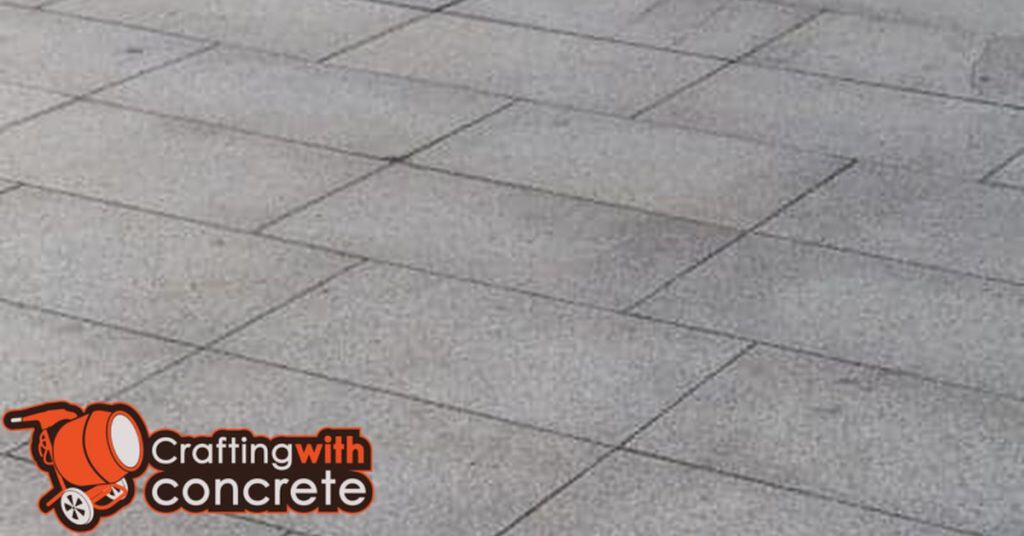
Close-up of gray concrete pavers arranged in a grid pattern.
Consider using sand or non-salt deicers on concrete pavers to prevent damage and maintain traction during icy conditions.

Safety Guidelines for Using Alternative Traction Materials

When using alternative traction materials on concrete steps, it’s crucial to choose options that are safe for the surface, such as sand, kitty litter, or calcium magnesium acetate. Proper application is key; ensure even distribution to prevent slippery patches or uneven surfaces. Additionally, cleaning up excess materials after use can help avoid potential hazards and protect the concrete over time.

Wearing appropriate footwear during application reduces the risk of slipping or falling. Regularly checking weather conditions ensures that traction materials are reapplied as needed for continued safety. Storing these materials in a dry, accessible location makes them easy to use during the winter months, ensuring that your steps remain safe and secure.

Application Techniques

When you’re ready to apply non-chemical traction materials, start by ensuring the surface is clean and free of debris. This helps the material adhere better and last longer. Check base compaction before application; a stable base prevents uneven distribution and potential hazards.

Spread the material evenly across the surface. Uneven application can create slick spots, defeating the purpose. Use a shovel or spreader for larger areas to maintain consistency. For smaller spaces, a hand spreader or even a gloved hand can work well.

Monitor the weather conditions. Applying traction materials during heavy snowfall or rain can wash them away, wasting your effort and materials. Wait for a break in the weather for the best results. Always keep an eye out for areas that might need reapplication, especially after heavy use or bad weather.

Environmental Impact of De-Icing Methods

Traditional salt-based de-icers, commonly used for melting ice, can significantly harm local waterways and soil health. These chemicals often lead to runoff that affects plant life and wildlife, posing a threat to the surrounding ecosystem. Exploring alternatives like sand, kitty litter, or calcium magnesium acetate can provide effective ice control with a reduced ecological footprint.

Understanding the environmental impact of de-icing methods is crucial for minimizing damage while keeping surfaces safe. Chemical runoff not only affects natural habitats but can also degrade urban infrastructure over time. By choosing eco-friendly de-icing options, individuals can contribute to healthier ecosystems and more sustainable urban environments.

Eco-Friendly Choices

When it comes to de-icing, choosing methods that are gentle on the environment is crucial. One of the best options is using calcium magnesium acetate (CMA). This compound is less corrosive and biodegradable, making it a safer choice for plants and water systems. It might cost a bit more, but it reduces long-term environmental damage.

Another smart move is to use sand or gravel. These materials provide traction without the chemical impact of traditional salts. Just remember, they don’t melt ice, so you’ll need to clear the bulk of it first. Also, be mindful of cleanup to prevent clogging drains.

If you must use salt, opt for brine solutions. They use less salt overall, which means less runoff into local waterways. Apply them before a storm hits to prevent ice from bonding to surfaces. This proactive step can make a big difference in reducing environmental harm.

Balancing Safety and Sustainability

Choosing the right de-icing method is about finding a balance between keeping surfaces safe and protecting the environment. Start by assessing the specific needs of your area. If you live in a region with heavy ice, you might need a more robust solution. However, don’t just grab the strongest chemical de-icer. Look for products that are labeled as environmentally friendly or biodegradable. These options are designed to minimize harm to plants and waterways.

Before applying any de-icing product, consider the weather conditions. If a storm is coming, pre-treat surfaces to reduce ice buildup. This can mean using less product overall. Also, think about the surface you’re treating. Some materials can be damaged by certain chemicals. Always check the compatibility of the de-icer with your driveway or walkway material to avoid costly repairs.

Finally, don’t overdo it. More isn’t always better. Excessive use of de-icers can lead to runoff that harms local ecosystems. Apply only as much as needed to ensure safety. After the ice melts, sweep up any leftover product to prevent it from washing away into storm drains. Balancing safety and sustainability is about smart choices and responsible use.

Planning for Winter: Installation Tips for Heated Solutions

Planning the installation of heated driveways or snow-melting mats requires careful consideration of your existing concrete structure and local climate conditions. It’s essential to compare various heated solutions, including electric and hydronic systems, to determine the most cost-effective and efficient option for your needs.

Understanding the installation process, from surface preparation to electrical or plumbing requirements, ensures a safe and effective setup. Additionally, considering energy consumption and local regulations can help optimize efficiency and compliance, making your heated solution both practical and legal.

Choosing the Right System

When picking a heated solution, start by assessing your specific needs. Are you looking to keep your driveway clear of ice, or do you need to ensure your roof stays free of snow buildup? Different systems are designed for different tasks. Identify the primary purpose of your heating system to narrow down your options.

Next, consider the size and layout of the area you want to heat. A small walkway might only need a simple electric mat, while a large driveway could require a more robust hydronic system. Measure accurately to ensure you choose a system that fits your space and budget.

Don’t forget to think about energy efficiency. Some systems might be cheaper upfront but cost more in the long run due to high energy consumption. Look for systems with good energy ratings or those that offer smart controls to optimize usage. Always balance cost with efficiency to avoid regrets later.

Finally, check compatibility with your existing infrastructure. Some systems require specific power sources or additional equipment. Make sure your home can support the system you choose, or be prepared to make necessary upgrades. Ignoring this step can lead to costly mistakes and headaches down the line.

Installation Considerations

Before you start, make sure to check base compaction. A well-compacted base is essential for any heated solution to work effectively. If the base is uneven or loose, your system won’t distribute heat properly, leading to inefficiencies and potential damage. Compact the base thoroughly to avoid these issues.

Next, consider the placement of sensors. Sensors need to be positioned accurately to detect temperature changes and activate the system at the right time. Poor sensor placement can result in delayed activation, wasting energy and reducing the system’s effectiveness. Follow the manufacturer’s guidelines for optimal sensor locations.

Don’t forget about insulation. Proper insulation beneath your heated solution will prevent heat loss and improve efficiency. Skimping on insulation is a common mistake that can lead to higher energy bills and a less effective system. Invest in good quality insulation to ensure your heated solution performs as expected.

When to Call in the Pros: Expert Help for Winter Traction on Concrete Steps

While DIY solutions can be effective for minor issues, some situations call for professional expertise. Complex installations, like heated systems, or significant concrete damage require skills beyond the average DIYer. Knowing when to call in the pros can save you time, money, and potential headaches down the line.

  • If you’re considering installing a heated driveway or steps, consult a professional. These systems involve electrical or plumbing work that must meet local codes.
  • Significant cracks or structural damage in concrete steps should be assessed by a contractor. They can determine the cause and suggest the best repair methods.
  • For large-scale projects, like resurfacing an entire walkway, a professional can ensure the job is done efficiently and correctly.
  • When dealing with persistent drainage issues around your concrete steps, expert advice can help prevent water damage and prolong the life of your concrete.
  • If you’re unsure about the right de-icing products for your specific concrete type, a specialist can recommend the safest options.
  • Consider hiring a professional for routine maintenance checks. They can spot potential issues early and provide solutions before they become costly repairs.
  • For custom solutions, like unique coatings or advanced traction systems, a professional can offer tailored advice and installation services.

Benefits of Professional Assistance

Professionals bring experience and specialized tools to the table, ensuring that your concrete steps are both safe and durable. They can provide warranties on their work, giving you peace of mind. Additionally, their expertise can help you avoid common pitfalls that DIYers might encounter, leading to a more successful and lasting solution.

Knowing When DIY Isn’t Enough: Recognizing the Limits of Home Solutions for Winter Traction

Tackling winter traction on concrete steps can seem straightforward, but there are limits to what DIY solutions can achieve. It’s crucial to recognize when a project is beyond your skill set to avoid costly mistakes and ensure safety. Here are some clear indicators that it’s time to call in the professionals.

  • If you’re dealing with extensive concrete damage, such as deep cracks or spalling, it’s best to consult a concrete specialist. DIY fixes might not address the underlying issues, leading to further deterioration.
  • Installing heated systems requires electrical or plumbing expertise. Attempting this without the proper knowledge can result in code violations or safety hazards.
  • For large-scale projects, like resurfacing or applying protective coatings to extensive areas, professional equipment and experience are necessary to achieve a durable finish.
  • Persistent drainage problems around your steps can lead to water damage and ice buildup. A professional can design a proper drainage solution to protect your concrete.
  • When unsure about the compatibility of de-icing products with your specific concrete type, a specialist can recommend the safest options to prevent damage.
  • Complex installations, such as custom traction systems or advanced coatings, require precise application techniques that are best handled by experts.
  • Routine maintenance checks by a professional can identify potential issues early, saving you from more significant repairs down the line.

Understanding the Risks of DIY

While DIY projects can be rewarding, they come with risks. Misjudging the complexity of a task can lead to incomplete or unsafe results. Always weigh the potential consequences against your skill level and the importance of the project. In some cases, the cost of hiring a professional is a worthwhile investment in safety and quality.

Importance of Concrete Maintenance During Winter

Winter can be harsh on concrete steps, with freeze-thaw cycles and de-icing salts potentially causing significant damage. Regular maintenance, including inspections for cracks and surface damage, is essential to keep these structures safe and durable during the colder months.

By sealing concrete steps, you can prevent moisture penetration and extend their lifespan. Opting for salt alternatives that are less harmful to concrete can also reduce wear and tear. Establishing a maintenance schedule for cleaning and checking your concrete steps throughout winter ensures they remain in good condition and safe for use.

Preventative Measures

Winter can be harsh on concrete, but taking some preventative measures can save you from costly repairs. First, make sure your concrete is properly sealed. A good sealant acts as a barrier against moisture and de-icing chemicals. Apply a high-quality sealant before the first frost hits.

Next, keep your concrete clean and free from debris. Leaves and dirt can trap moisture, which leads to freeze-thaw damage. Regularly sweep your surfaces and remove any standing water. This small effort can prevent big problems.

Consider using sand instead of salt for ice management. Salt can cause concrete to deteriorate faster. If you must use de-icers, choose products labeled as safe for concrete. Remember, prevention is better than repair, so don’t skimp on these steps.

Dark concrete steps leading to a shadowy entryway and doorway.
Consider using sand or cat litter on dark concrete steps for traction without causing salt damage during winter.

Conclusion

Protecting your concrete steps from winter damage while ensuring safety is essential. The right traction solutions can save you from costly repairs and keep your steps looking good all season long.

Start by checking the condition of your concrete and repairing any cracks. Choose non-chemical traction options like sand or kitty litter for a safer approach. If you opt for chemical de-icers, make sure they’re labeled as safe for concrete. Consider innovative solutions like clear coatings or heated mats for long-term effectiveness. Always factor in costs and environmental impact before deciding.

Avoid using regular salt, as it can damage your concrete. Don’t skip maintenance; neglecting small issues can lead to bigger problems. Always follow safety guidelines when applying any traction material, and test new products on a small area first.

If you’re unsure about installing heated solutions or tackling large repairs, it’s wise to call a professional. Stay proactive, and your steps will be safe and durable all winter. You’ve got this!

FAQ

Can I use rock salt on my concrete steps?

No, avoid rock salt. It can damage concrete surfaces. Use safer alternatives like sand or kitty litter for traction.

What are some salt-free options for traction?

Try sand, kitty litter, or even sawdust. These materials provide grip without harming your concrete.

Is there a way to prevent ice buildup on steps?

Yes, use ice melt mats. They keep steps clear without the need for chemicals.

Are there any homemade solutions for icy steps?

Yes, mix warm water with dish soap and rubbing alcohol. Spray it on icy areas for a quick melt.

How often should I apply traction materials?

Apply them as soon as you notice ice forming. Reapply after heavy snow or rain to maintain safety.

More about this topic