
Introduction
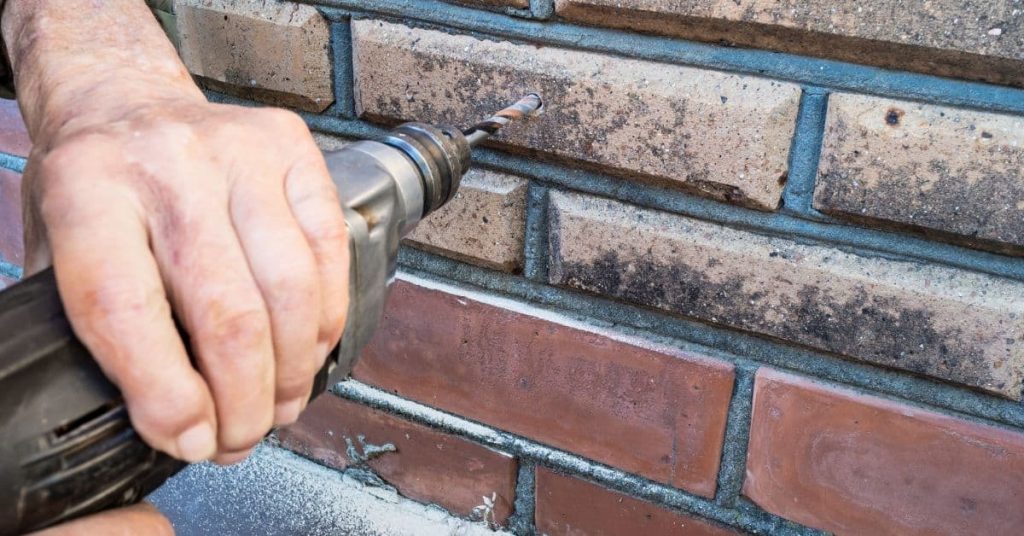
Salt damage to brick near sidewalks is deterioration caused by salt exposure that draws moisture and can cause spalling or flaking. This article explains how splashback occurs and what you can do to reduce damage before inspecting or replacing bricks.
To approach the job, start by looking for efflorescence, cracks, or loose units near walkways. You’ll learn how to identify salt-related damage, plan for brick replacement, and maintain exterior walls and foundations. Rely on simple hand tools and check manufacturer instructions or local guidelines for safety and allowances as you proceed.
Key takeaways
- Prevent splashback by directing runoff away from bricks near sidewalks.
- Inspect brick faces for salt stains, efflorescence, and spalling after freezes.
- Replace compromised bricks promptly to maintain structural integrity and prevent moisture.
- Maintain exterior walls and foundations with timely cleaning and sealing schedule.
- Use compatible sealants and remove efflorescence before sealing for best results.
- Document maintenance plan, keep records, and budget for brick replacement if needed.
- Wear eye protection and gloves when cleaning bricks to prevent injuries.
Table of Contents
- Introduction
- Key takeaways
- What Salt Damage Looks Like and Why Sidewalks Cause It
- Inspecting Brick Near Sidewalks — What to Check and When
- Preventing Splashback and Reducing Salt Exposure
- Cleaning Salt Stains, Efflorescence, and Rust from Brick
- Surface Treatments and Sealants — Benefits, Limits, and Selection
- Repairing Versus Replacing Compromised Brick Units
- Tools and Materials Checklist
- Maintenance Plan, Scheduling, and Cost Considerations
- Conclusion
- FAQ
What Salt Damage Looks Like and Why Sidewalks Cause It
Salt damage to brick occurs through several mechanisms. Freeze-thaw cycles, salt crystallization that wedges at the brick, and efflorescence signaling migrating salts all contribute to visible and structural issues. This section explains how these processes show up at the wall near a sidewalk.
Sidewalk splash and runoff concentrate salts at the brick’s lower courses, making this zone especially vulnerable. Common signs include efflorescence, spalling or curling brick edges, deteriorating mortar joints, softened faces, and interior moisture near the base. The goal is to connect the dots between surface stains and possible structural effects for informed decisions.
How Deicing Salts Attack Brick and Mortar
Deicing salts used on sidewalks can infiltrate your brickwork, causing damage over time. Here’s how:
Moisture Attraction: Soluble salts in the deicer attract moisture from the ground, leading to increased water content within the masonry.
Freeze-Thaw Cycles: When temperatures drop below freezing, this trapped moisture expands, putting pressure on the brick and mortar. As temperatures rise again, the ice melts, reducing pressure. This freeze-thaw cycle can cause spalling (flaking) of the brick surface and powdering of the mortar.
Salt Crystallization: Over time, salt crystals form within the pores of the masonry as moisture evaporates. These crystals grow and shrink with temperature changes, further weakening the structure and causing deterioration.
Common Visual and Structural Signs of Salt Exposure
Regularly inspect your brickwork for these telltale signs of salt damage:
Efflorescence: White salts or a powdery residue on the surface indicate soluble salts migrating to the brick’s exterior. This is often the first visible sign of moisture and salt intrusion.
Surface Damage: Look for flaking, chipping, or powdering of the brick face and mortar. Hairline cracks may also appear, especially around joints.
Mortar Loss: Salt damage can cause mortar to crumble or fall out of joints, leaving them weak and vulnerable.
Displaced Units: If bricks are displaced or leaning, it could indicate structural issues caused by salt damage. Address these signs promptly to prevent further progression and costs.
Inspecting Brick Near Sidewalks — What to Check and When
Inspect sidewalk-adjacent brick with a focus on splash zones and the horizontal joints where splashback concentrates, and distinguish walls from low risers. Establish a seasonal routine and plan for checks after freeze/thaw cycles or deicing events, and document changes with dated photos and simple measurements in a living ledger. Keep notes on initial condition, observed issues, and any improvements to track progression over time.
This matters for DIY readers because early signs like cracks, spalling, efflorescence, or salt staining can indicate moisture intrusion or deterioration that worsens with use of the sidewalk. A quick on-site check, clear photos from fixed angles, and attention to weep holes and damaged sealants help prevent hidden failures and inform when to call a mason for deeper repairs or temporary protection measures if deep voids or compromised structural ties are found.
Visual checkpoints and how to record them
Regularly inspect your brickwork near sidewalks using this visual checklist to catch damage early.
- Brick courses: Inspect the first 2-4 courses of brick above grade. Look for cracks, spalling, or salt staining.
- Mortar joints: Check horizontal and vertical mortar joints for deterioration, efflorescence, or missing material.
- Foundation: Examine the adjacent foundation for signs of moisture intrusion, warping, or displacement.
- Weep holes: Inspect weep holes to ensure they are not clogged or damaged.
- Sealants: Check sealants around windows and doors for damage or deterioration.
- Salt staining: Look for white, powdery deposits (efflorescence) on brick surfaces.
- Moisture intrusion: Inspect for signs of water penetration, such as stains or dampness.
- Structural ties: Ensure structural ties are intact and not damaged.
Quick rule: Always document your findings with dated photos from fixed angles to track changes over time.
Simple on-site diagnostics
Use these low-cost diagnostic techniques to assess the condition of your brick and mortar near sidewalks.
- Tap testing: Gently tap bricks with a hammer. A hollow sound indicates potential hollowness or deterioration.
- Moisture check: Use a moisture meter or hygrometer to test for high moisture levels, which can indicate water intrusion or poor drainage.
- Efflorescence wipe test: Rub a damp sponge on the affected area. If the sponge comes away with white residue, it indicates the presence of efflorescence.
- Check for settlement: Look for signs of settling, such as diagonal cracks or uneven brick courses.
- Inspect structural ties: Ensure structural ties are secure and not damaged.
Quick rule: If you find hollow sounds, high moisture levels, positive efflorescence test, or signs of settlement, consider hiring a professional for further assessment.
Preventing Splashback and Reducing Salt Exposure
Identify splashback hotspots and salt exposure pathways near sidewalks, driveways, and wall low points, then place low-profile barriers and deflectors to shield brickwork without impacting curb appeal. Use physical options like splash screens, raised planters, and masonry cap extensions to direct salty runoff away from walls and improve drainage.
This approach reduces ongoing damage and makes maintenance easier, since you’ll target the most exposed areas and schedule inspections and cleaning after storms. Look for visible signs of salt damage and ask neighbors about recurring issues to validate hotspots, and have a qualified installer assess wall surfaces and typical snow/ice patterns for precise placement. Prioritize barriers and drainage improvements where hotspots are identified near sidewalks and driveways, and avoid high-profile barriers that obstruct views or alter curb appeal. Quick checks and a simple monitoring plan help you act promptly, keeping brick surfaces healthier with straightforward, seasonal upkeep.
Site and Grading Adjustments to Limit Splash
Assess your site for areas prone to water splashback from sidewalks. Direct impact can accelerate salt damage to brickwork.
Consider implementing low-profile barriers like:
- Small curbs
- Mulch strips
- Planting beds
- Gravel bands
These features can reduce direct water impact and help protect your brick walls. Before making significant changes, consult local drainage guidance to ensure you’re not exacerbating issues.
Winter Maintenance Best Practices to Minimize Masonry Damage
Protect your brick walls from excessive salt exposure during winter. Heavy rock salt, if not managed properly, can cause significant damage.
Consider the following alternatives and practices:
- Use alternatives to heavy rock salt, such as brine or calcium magnesium acetate. Always follow product labels and manufacturer guidance.
- Apply de-icers targeted to problem areas, rather than broadcasting widely.
- Promptly sweep away any residual salt after it has done its job.
- Manage thaw cycles effectively to prevent ice buildup.
By adopting these practices, you can minimize potential damage to your brick walls during winter.
Cleaning Salt Stains, Efflorescence, and Rust from Brick
Adopt a safe, stepwise cleaning progression: dry brush to remove loose material, then use progressively milder cleaners, testing first on a hidden area and following product instructions. Always rinse thoroughly after cleaning attempts. Keep ventilation and drying times in mind to prevent moisture buildup.
Differentiate efflorescence from rust: efflorescence is a white, powdery deposit from soluble salts, while rust stains come from iron-containing materials. Use cleaners appropriate for each stain, and avoid harsh acids or abrasives that can damage joints. Finish with proper PPE and plan thorough rinsing and drying to prevent re-deposition.
Safe cleaning methods and product types
To preserve your brick’s integrity during cleaning, follow a safe, stepwise approach:
1. Start with dry brushing to remove loose surface material using a soft-bristle brush.
2. For persistent stains, progressively apply cleaning solutions: begin with a mild detergent solution, then use specialized masonry cleaners if needed. Always test on a small hidden area first and follow product instructions.
Common mistake: Avoiding aggressive acids on soft historic brick; always adhere to product instructions for best results.
When cleaning is not enough — signs you need a pro
If stains persist after thorough cleaning attempts, it may be time to hire a masonry specialist:
Check for persistent staining, widespread spalling, mortar collapse, or structural movement. These signs indicate that professional diagnostic testing and treatment are necessary.
Prompt intervention prevents further damage and ensures the longevity of your brickwork. Do not attempt DIY repairs on severely damaged brickwork.
Surface Treatments and Sealants — Benefits, Limits, and Selection
Surface treatments aim to reduce salt ingress and splashback while avoiding moisture entrapment. Understanding the main product classes—silane/siloxane sealers, acrylics, and breathable coatings—helps you choose for brick and climate, and to avoid blocking moisture movement.
Context matters: skip laitance removal can reduce sealer penetration and effectiveness, so surface prep matters. A simple water drop test and occasional moisture-meter check help confirm porosity and readiness before application, and choose cure windows accordingly. If the brick is highly porous and the climate is humid, breathable coatings can help prevent moisture trapping and color changes.
When to use a sealer and when to avoid it
To prevent further damage to your brickwork near sidewalks, it’s crucial to understand when to apply sealers and when to avoid them.
- Avoid non-breathable sealers as they can trap moisture within the masonry, leading to further damage. Always opt for breathable water repellents, especially on historic or permeable brick.
- Test on a small area first before full application to ensure compatibility and avoid any adverse reactions.
- Check product datasheets for breathability claims to ensure you’re choosing the right product for your needs.
- Avoid applying sealers if the brick or mortar is still wet or has not fully dried after repairs, as this can trap moisture and cause damage.
By avoiding these common mistakes and considering breathable alternatives, you can effectively protect your masonry from salt damage while ensuring its longevity.
Choosing an appropriate product and application tips
Selecting the right sealant and applying it correctly is essential for protecting your brickwork near sidewalks. Always verify product compatibility with your specific brick type and mortar joint condition.
Follow manufacturer instructions for surface preparation, coverage, and application to ensure optimal results. Apply sealants only after all repairs have been completed and the masonry has fully dried to prevent trapping moisture within the walls.
By adhering to these guidelines, you can choose an appropriate product and apply it correctly, ensuring effective protection against salt damage and prolonging the lifespan of your masonry.
Repairing Versus Replacing Compromised Brick Units
Establish clear repair-vs-replace criteria, starting with surface issues like chips or minor cracks and moving to deeper concerns such as spalling or hollow cores. Consider how each option affects integrity near load-bearing sidewalk areas. Use these benchmarks to guide initial planning.
Assess moisture paths and salt exposure to determine if splashback persists and whether repeated freeze-thaw cycles have worsened degradation. Evaluate structural integrity, including mortar joints, and weigh historic significance if applicable. Plan a stepwise decision process from minor repairs to partial or full replacement and outline follow-up maintenance.
Repairs: Patching, Re-Pointing, and Consolidation
For salvageable units with minor damage, repair techniques can help maintain the original brickwork. Begin by soft-brush cleaning surfaces to remove loose material.
Matching Mortar: When repointing, ensure you use a compatible mortar that matches the original’s strength and porosity. This maintains structural integrity and prevents further damage from differential movement.
For minor cracks or scaling on brick faces, perform patch repairs using like materials to maintain the aesthetic consistency of your brickwork.
Replacing an Individual Brick Unit — Step-by-Step Overview
When a brick is severely damaged or compromised, replacing it ensures the structural integrity of your wall.
- Carefully remove the damaged brick using a chisel and hammer, taking care not to damage adjacent units. This step requires precision to avoid further weakening the structure.
- If possible, salvage a matching unit from elsewhere on the property or source a replacement that matches the original’s size, shape, and color.
- Install the new brick using compatible mortar, ensuring it is level with surrounding bricks. Proper installation techniques prevent future damage and maintain structural stability.
- Tool the joints to match the existing ones, maintaining the aesthetic consistency of your wall.
- Professional Assistance: If the damaged brick is part of a load-bearing wall or in a historic structure with specific aesthetic requirements, engage a professional mason or preservation specialist before proceeding. They can assess the situation and perform the replacement safely and appropriately.
Tools and Materials Checklist
Safety gear and PPE should include gloves, eye protection, a dust mask, and non-slip footwear, chosen for the work environment. These items reduce injury risk during brick work and mortar handling. Keep a simple inventory to stay prepared.
Inspection and cleanup tools include a ladder, flashlight, tape measure, camera, and moisture assessment methods. For cleaning and repair, gather a stiff brush, pH-neutral cleaner, appropriate water supply, towels, and protective coverings. Have replacement bricks, compatible mortar, and basic repair tools ready for use as needed.
Essential tools for inspection and minor repairs
Having the right tools ensures accurate assessment of damage and safe execution of minor repairs.
- Camera/Phone: Document before-and-after conditions, helping track progress and identify issues.
- Flashlight: Inspect hard-to-reach areas and dark spaces. Use a bright, portable model for clear visibility.
- Pry Bar: Gently remove damaged bricks without further damage. A sturdy, well-maintained tool is crucial.
- Brick Tongs: Safely handle and maneuver bricks during removal and replacement. Ensure they’re in good condition to prevent slippage.
- Mortar Rake: Clean out old mortar from joints for proper re-pointing. Regularly maintain the tool to keep tines sharp.
- Pointing Trowels: Apply and smooth new mortar. Choose sizes suitable for your joint widths (1/4″ to 3/8″).
- Soft Brushes: Gently clean brick surfaces without causing damage. Use natural bristles for delicate work.
- Measuring Tape: Accurately measure bricks and joints for precise cutting and fitting. A retractable tape is convenient on-site.
- Personal Protective Equipment (PPE): Protect yourself from injury with sturdy gloves, safety glasses, dust mask, and non-slip footwear.
Materials to verify and where to check specs
Selecting compatible materials ensures durability, longevity, and proper function of your repairs.
- Bricks: Match size (module), type, color, and porosity with existing units. Check manufacturer datasheets or labels for details.
- Mortar: Choose exterior-grade mortar (Type N) with compatible aggregate. Verify compressive strength matches existing mortar.
- Bonding Agent: If needed, ensure it’s suitable for your brick type and climate. Check manufacturer instructions for application guidelines.
- Masonry Sealer: Select a product compatible with brick surfaces and salt exposure. Review safety data sheets for proper handling and storage.
- Cleaner: Use a pH-neutral masonry cleaner suitable for brick. Check safety data sheets to ensure it’s safe for your specific brick type.
Maintenance Plan, Scheduling, and Cost Considerations
Develop a seasonal maintenance checklist tailored to sidewalk-adjacent brick, with pre-winter inspections and post-salt cleanups. Include spring reset steps to prevent splashback and identify compromised units early. Use a simple, repeatable framework each year.
List recurring tasks and their cadence, such as removing efflorescence stains, inspecting joints, and checking drainage. Document costs and budget implications to plan for materials, labor, and potential brick replacement. Create a clear schedule and assign responsibilities to ensure consistent upkeep.
Cyclical Inspection Schedule and Priority Tasks
Use this checklist to maintain your sidewalk-adjacent brickwork throughout the year. Regular inspections help prevent minor issues from becoming major problems.
- Pre-winter: Inspect for cracks, spalling, and efflorescence. Check joints and mortar condition. Ensure weep holes are clear.
- Post-salt storms: Clean off salt residue to prevent further damage. Inspect for signs of deterioration.
- Spring reset: Reapply breathable sealer if needed. Inspect for any compromised units after winter’s freeze-thaw cycle.
- After heavy rain: Check for water intrusion, efflorescence, or signs of movement.
- Annually: Document photos and measurements of any cracks or movement. Note salt exposure levels near sidewalks.
Quick rule: Prioritize repairs near high-traffic sidewalks where de-icing salts are most prevalent.
Budgeting and Contractor Selection Tips
Understanding cost drivers helps you budget effectively for brick maintenance. Consider the extent of damage, historic requirements, and labor versus material costs.
When selecting a masonry contractor, ask about their experience with brick repair and maintenance. Request references to ensure quality workmanship.
Tip: Get multiple quotes from licensed, insured contractors to compare services and prices.
Including a contingency fund in your budget allows for unexpected repairs or material cost fluctuations.
Conclusion
Protecting brick near sidewalks requires careful planning and steady action to preserve safety, durability, and curb appeal. Safety first, consistent monitoring, and disciplined maintenance help you avoid costly repairs down the line and keep a clean, durable façade.
Start with a practical, one-pass check: visually survey for cracks, spalling, efflorescence, rust stains, and degraded mortar near the sidewalk; note any softened units or loose bricks; verify the condition of existing sealants and any recent cleaning; test a small area with the chosen treatment before applying it more broadly; then schedule repairs or replacement based on the observed severity and exposure level. test in a small area to confirm effects before wider use.
Common mistakes include using aggressive cleaning methods or high-pressure water that can drive salts deeper; sealing bricks that are already damaged without addressing underlying moisture and salt intrusion; and applying products beyond label directions or without proper ventilation. Follow simple safety rules: wear eye protection and gloves, keep area ventilated, avoid work during adverse weather, and document results so you can compare over time. professional help when needed if you see widespread cracking, deteriorating mortar, or persistent moisture.
If the damage goes beyond DIY capability—such as compromised structural units, thick efflorescence, or ongoing splashback issues—plan to call a mason or qualified contractor. Timely professional input can prevent further loss and keep the project moving toward a sound, lasting solution. With careful checks, prudent choices, and steady maintenance, you can protect the brick and maintain a safe, attractive sidewalk edge.
FAQ
How can I prevent splashback from sidewalk salt on brick walls?
Reduce exposure by creating a physical barrier or improved water drainage near the wall. Consider redirecting salt-laden runoff with grading or drip edges, and ensure downspouts discharge away from the foundation.
What signs indicate salt damage on brick surfaces during inspections?
Look for powdery white residue, spalling, cracking, or brick pitting near the base of the wall. Inspect mortar joints for gaps or soft spots and check for staining that may indicate moisture movement.
When and how should damaged bricks be replaced?
Replace bricks when they show significant spalling, cracking, or loss of strength. Remove the damaged unit carefully, match the new brick to size and type, and follow proper repointing after setting to maintain integrity.
What role do sealants and protective coatings play, and how should they be used?
Sealants can reduce water absorption on brick surfaces but may require reapplication over time. Use only products labeled for brick and follow manufacturer instructions for surface prep, curing time, and compatibility with salt-exposed areas.