
Introduction
Repairing historic plaster with embedded wood trim means restoring plaster around the trim while preserving the wood reveals.
It’s a practical, hands-on job that requires careful alignment of the reveals and gradual patching. Take your time to resecure loose plaster and check that the trim remains in the same plane.
Use patch materials that bond well to plaster and are compatible with the old plaster and wood. Follow the product label and any local rules, and test a small area first. If you’re unsure about materials or technique, check manufacturer instructions or local guidance for safe, compatible options.
Key takeaways
- Assess embedded trim moisture and plaster condition before starting any repair work.
- Document reveals and trim profiles to guide conservative stabilization and repairs.
- Stabilize loose trim and cracked plaster with compatible materials to preserve reveals.
- Follow conservation principles: minimal intervention and reversible methods where possible.
- Use low-dust sanding and matching textures to avoid blasting historic surfaces.
- Always wear eye and respiratory protection when working near plaster dust.
Table of Contents
- Introduction
- Key takeaways
- Understanding Why Plaster Cracks at Embedded Wood Trim
- Initial Assessment and Diagnostic Checklist
- Conservation Philosophy and Decision Criteria
- Tools and Materials Checklist
- Preparatory Stabilization of Wood Trim and Substrate
- In‑place Repair Techniques to Preserve Crisp Reveals
- Finishing: Texture Matching, Sanding, and Paint Strategies
- Long‑term Maintenance, Monitoring, and Recordkeeping
- Conclusion
- FAQ
Understanding Why Plaster Cracks at Embedded Wood Trim
Cracks along reveals typically occur where plaster and trim meet, creating stress points as materials move differently with humidity and temperature. The embedded trim can disrupt the plaster’s flexibility and relieve zones where cracks start. Look for signs of loose trim, gaps, or compression that signal movement during seasonal changes.
Understanding the physics helps you plan a repair that preserves the sharp reveal without inviting new fractures. The goal is to honor the original construction while allowing for natural movement. Always confirm material compatibility by checking product labels or manufacturer instructions before selecting fixes.
Differential movement and moisture effects
The main culprit behind plaster cracking at embedded wood trim is differential movement. Here’s what happens:
Wood expands and contracts with changes in humidity. This is especially true for historic homes where the wood may have been exposed to varying conditions over time.
Plaster, on the other hand, doesn’t move as much. It’s rigid and brittle compared to wood. So, when the wood moves, it puts stress on the plaster. This can lead to shear or tensile stress at the plaster-trim interface, causing cracks.
Poor keying, original construction details, and material incompatibility
The materials used for keying the plaster to the trim, as well as any later repairs or modern compounds, can significantly impact the longevity of your repair.
- Original Lime Plaster: Historic homes often have lime-based plasters. Modern gypsum plasters don’t bond well with them. Use a compatible lime-based plaster for repairs.
- Modern Hard Compounds: Avoid using modern hard compounds like concrete or cement-based products. They’re too rigid and will crack over time due to movement.
- Incompatible Keying Methods: Ensure the keying method used is compatible with both the plaster and wood. Poor keying can lead to detachment and fracture.
- Moisture Barriers: Check for any moisture barriers between the plaster and trim. If not properly installed, they can trap moisture and cause problems.
- Wood Condition: The condition of the wood trim itself is crucial. Repair or replace any damaged or rotten trim before applying new plaster.
Initial Assessment and Diagnostic Checklist
Start with a visual survey of the entire trim line to map where cracks appear and how they relate to the wood features. Check for movement cues such as visible gaps, binder separation, or loosened trim nails. Prioritize areas where cracks threaten stability or moisture intrusion.
Document observed conditions and note any tampering or previous repairs. Determine urgency by assessing whether the plaster is hollow behind reveals or if trim shows signs of ongoing movement. Verify any applicable local or project-specific guidelines before proceeding with repairs.
Visual checkpoints and photographic documentation
Before you start any repairs, document the current state of your plaster and embedded wood trim. This will help you track progress and identify active vs. dormant cracks.
- Crack pattern: Photograph and sketch crack patterns to understand their direction and extent.
- Reveal profile: Document the shape and size of reveals around windows and doors.
- Paint layers: Note any peeling or flaking paint, which could indicate underlying problems.
- Crack width: Measure crack widths to prioritize repairs. Wider cracks need immediate attention.
- Crack location: Note where cracks are located. Cracks at corners or near windows may require different approaches.
- Wall and ceiling junctions: Check for cracks at these intersections, which can indicate structural issues.
- Plaster condition: Assess the overall condition of the plaster, looking for areas that feel soft or hollow.
- Wood trim condition: Inspect wood trim for signs of rot, warping, or movement.
Quick rule: The more detailed your documentation, the better you can plan and track repairs.
Non-destructive testing and moisture/humidity checks
Before making any cuts or holes, perform non-destructive tests to understand the extent of damage and moisture levels.
- Tapping: Gently tap walls with a hammer. A dull thud could indicate delamination or voids behind the plaster.
- Probing: Use a screwdriver to gently probe cracks. If it goes in easily, there may be voids or soft material behind the plaster.
- Moisture meter: Use a moisture meter to check for excess moisture in walls and wood trim.
- Humidity monitor: Place humidity monitors in affected areas to track trends over time.
- Product guidance: Consult product labels or manufacturer guidelines for acceptable moisture ranges before applying any repairs.
Quick rule: Always check moisture levels first. High moisture can cause further damage and compromise repairs.
Conservation Philosophy and Decision Criteria
Adopt a mindset of minimal intervention that preserves as much of the original plaster and trim as possible. Favor reversible or compatible repairs that don’t trap moisture or stress behind the reveals. Use material choices that respond to humidity and temperature like the surrounding plaster.
Decide between repair and replacement by evaluating condition, historical value, and future stability. If the core structure is sound, aim for in‑place fixes that maintain the existing aesthetics. Always check guidance from material manufacturers or preservation standards when in doubt.
When to repair in place vs replace trim or plaster
Before you start, decide whether to repair the existing plaster and wood trim or replace them. Here’s what to consider:
Repair in place if:
– The structure is stable.
– The historic value is high.
– Recurrence is unlikely with proper repairs.
Replace if:
– Structural integrity is compromised.
– Historical value is low, and replacement aligns with conservation principles.
– Recurrence is likely despite repair efforts.
Mock-ups, testing patches, and stakeholder approvals
Before diving into major repairs, create small test patches to ensure the appearance and performance of your chosen materials.
For listed or historic properties, obtain necessary permissions from local authorities or heritage organizations. Here’s why:
– Appearance: Test patches help you see how the repaired area will look once completed.
– Performance: They allow you to assess if your chosen repair method works under real conditions.
– Permissions: Working on historic properties often requires approvals. Don’t start without them.
Tools and Materials Checklist
Lay out a practical kit with hand tools for precise trimming and gentle surface work. Include safety gear suitable for dusty environments and potential lead paint concerns. Prepare material options that suit historic plaster and wood trim, balancing compatibility with breathability.
Keep references handy for product data sheets and labels to confirm mix ratios, setting times, and application methods. Don’t assume anything; verify instructions before mixing or applying any repair compounds. Use local guidelines or code requirements as needed for safety and compliance.
Tools for plaster consolidation and fine trimming
Before you start, make sure you have the right tools to consolidate loose plaster and trim it finely. This will help prevent cracks from forming around the wood trim.
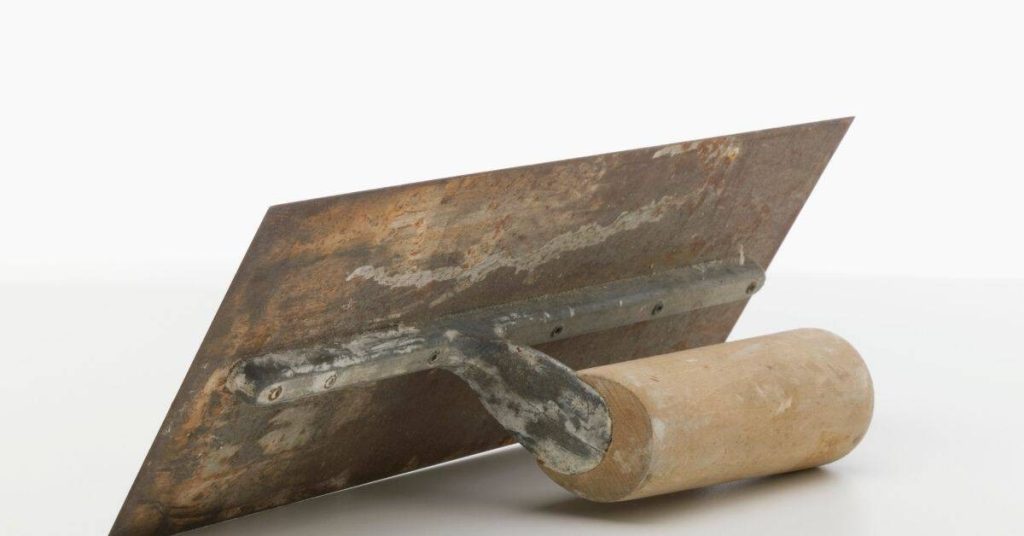
- Small trowels: For applying and spreading plaster. Use a straight edge for smooth surfaces.
- Curved knives: To cut and shape plaster, especially useful for corners and curves.
- Micro-spatulas: For fine trimming and detailing work around the wood trim.
- Suction bulbs: To remove excess moisture from the surface before applying new plaster.
- Breathable protective PPE (Personal Protective Equipment): Includes gloves, goggles, and a respirator to protect you from dust and chemicals.
- Plaster hawk: A flat surface for mixing and carrying plaster.
- Hawk trowel: For transferring plaster from the hawk to the wall or wood trim.
- Jointing knife (straight edge): To strike off excess plaster and create a smooth surface.
Quick rule: Always use the right tool for the job. The wrong tool can damage the plaster or cause it to crack.
Material options and compatibility guidance
Choosing the right materials is crucial to prevent cracking at the wood trim. Here’s a checklist of materials to consider and how to ensure they’re compatible.
- Lime vs Gypsum plasters: Lime plaster is more flexible and breathable, making it suitable for historic buildings. Gypsum can be used but may crack if not properly supported.
- Breathable fillers: Use fillers that allow moisture to escape to prevent trapped water from causing cracks.
- Flexible sealants: Choose sealants that can move with the substrate to prevent cracking due to movement.
- Manufacturer instructions: Always follow the manufacturer’s guidelines for mixing, application, and curing times.
- Compatibility testing: Before large-scale use, test materials together in a small area to ensure they don’t react negatively with each other or the existing substrate.
- Historic material analysis: If possible, analyze the original plaster and wood trim to match new materials as closely as possible.
Quick rule: Always test materials in a small area first. This can save you from costly mistakes and ensure compatibility with your historic building’s unique characteristics.
Preparatory Stabilization of Wood Trim and Substrate
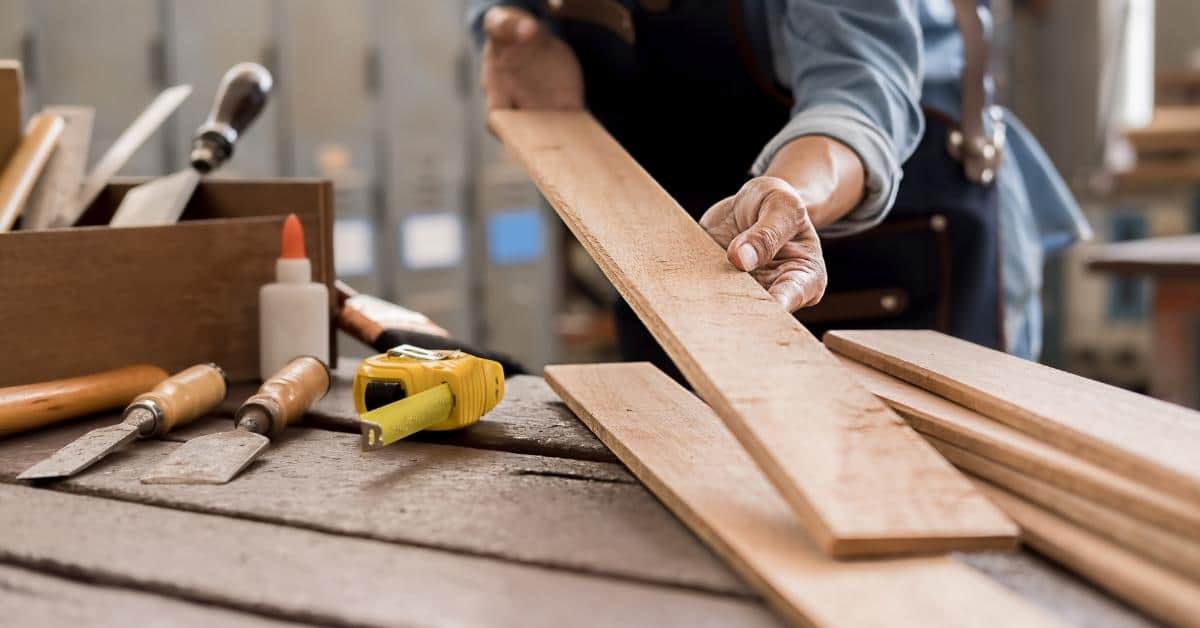
Before any fix, stabilize loose trim with controlled, gentle methods to stop further movement. Reattach or underpin trim where necessary to reduce flex that causes cracking at reveals. Prepare the substrate behind the trim to support a long‑lasting repair without additional stress.
Address any underlying moisture or structural movement that could recur after repair. Use compatible fasteners and adhesives that won’t corrode or stain historic materials. Confirm product data and manufacturer guidance for stabilization steps.
Dealing with rot, loose boards, and fastener failures
First things first, safety. Put on your gloves and goggles before handling any damaged wood.
For rotten sections, cut out the bad parts using a sharp chisel or oscillating tool. Keep cuts square to maintain reveal geometry. Apply a wood hardener to clean surfaces, then fill with an epoxy wood filler that matches the original wood’s density and color.
Loose boards need consolidation. Use a combination of wood glue and clamps to reattach them. If fasteners are missing or broken, replace them with appropriate screws or nails, ensuring they’re long enough to grab solid substrate but not so long they cause splitting.
Securing trim and controlling movement without losing the reveal
Start by cleaning behind the trim. Remove any old paint or debris that could hinder adhesion.
Use non-disruptive fasteners like trimhead screws or hidden clips to secure loose trim. These allow for some movement without splitting the wood or compromising the reveal.
If there’s a gap between the trim and substrate, use thin shims made from matching wood species to fill it. This prevents future movement that could cause cracking. For larger gaps, consider using flexible caulk before securing the trim.
For reversible anchoring, use removable adhesive or double-sided tape. This allows you to secure the trim without causing permanent damage in case further work is needed later on.
In‑place Repair Techniques to Preserve Crisp Reveals
Choose repair methods that maintain crisp lines while accommodating natural movement. Use techniques that tie into the trim without overfilling and blurring the reveal edge. For moderate cracks, focus on feathered transitions that preserve depth and shadow of the reveal.
For larger cracks, implement staged repairs that reinforce the edge while preserving matching textures. Always verify technique specifics with the manufacturer or historical guidance to avoid damaging the surface or breathability. Confirm whether any patching compound is compatible with both plaster and wood trim.
Consolidation and reattachment of delaminated plaster
First, identify the extent of delamination. Use a small pick or awl to gently probe the area.
Injection: Drill tiny holes into the delaminated area at an angle, following the reveal line. Inject compatible consolidant or adhesive using a syringe. Let it soak in and repeat if needed.
Rekeying: Once injected, use a trowel to smooth the surface, working from the center outwards. Be careful not to overpack the reveal edge. Use a straightedge to maintain crisp lines.
Dutchman and edge repair methods for missing or damaged reveal
For small gaps, use the dutchman method: Cut a piece of plaster to fit the gap. Bevel its edges to match the reveal profile.
For larger areas, create an edge profile: Build up thin layers of plaster along the reveal line, feathering outwards to match the existing profile.
Use a straightedge and guide marks to maintain crisp corners. Allow each layer to dry before adding the next.
Flexible transitions and micro-joint strategies
To accommodate movement, create controlled transition joints: Incise shallow grooves along the reveal line at regular intervals. Fill with a flexible material like acrylic caulk.
Alternatively, apply flexible pads: Before repairing, apply a thin layer of flexible material (like latex paint or PVA glue) along the reveal line and into the damaged area.
These strategies help reduce stress concentrations and prevent re-cracking. Ensure they’re compatible with your chosen repair materials.
Finishing: Texture Matching, Sanding, and Paint Strategies
Blend repairs to visually merge with surrounding plaster and preserve the sharp reveal. Use controlled sanding to avoid rounding the edges of the trim and to maintain crisp lines. Choose finishing coats that respect the material’s porosity and breathability.
Test texture and paint options on a hidden area first to ensure color and sheen match. Plan for paint or finish layers that allow for movement without cracking. Always follow label directions and local rules for coatings on historic surfaces.
Texture Replication and Minimal Feathering Techniques
Matching historic textures can be tricky, but it’s crucial for your repairs to blend seamlessly. Use a stiff brush or comb to replicate the texture in small patches. Work from one side of the patch to the other, applying gentle pressure.
Over-sanding can ruin the texture and make your repair stand out. Only feather the edges where necessary to match the surrounding plaster.
Use a flexible putty knife to apply joint compound in thin layers, working it into the texture. Let each layer dry before sanding lightly with fine-grit sandpaper.
Remember, patience is key here. Take your time and don’t be afraid to test on scrap pieces first.
Paint Systems and Breathable Finishes
Historic plaster needs breathable paint to prevent moisture buildup and future failures. Lime-based plasters prefer lime paints, while gypsum plasters do well with acrylic-latex paints.
Start with a breathable primer compatible with your substrate. Test small areas first to ensure colorfastness and compatibility.
Apply paint in thin coats, allowing adequate drying time between each. This helps maintain the breathability of both the paint and the plaster.
Stay away from oil-based paints or high-gloss finishes. They trap moisture and can lead to future issues.
Long‑term Maintenance, Monitoring, and Recordkeeping
Set a simple inspection routine to catch early signs of movement, moisture intrusion, or new cracks. Track changes over time and note any seasonal influences on reveals. Keep a concise log of repairs and materials used for reference.
Maintain records that include photos, materials, and product instructions for future work or restoration. Share the plan with other caretakers or contractors to ensure consistency. If uncertainties arise, consult manufacturer guidelines or local preservation resources before acting.
Seasonal inspection checklist and moisture control measures
Use this checklist after wet seasons or HVAC changes to catch any issues early.
- Check for water stains: Look at the ceiling and walls. Water stains can indicate leaks or condensation.
- Inspect wood trim: Check for warping, cracking, or signs of rot. Use a screwdriver to probe any suspicious areas.
- Feel for cold spots: These could indicate air infiltration and moisture buildup behind the plaster.
- Check HVAC vents: Ensure they’re not blocked and that air is flowing properly.
- Monitor humidity levels: Ideal indoor humidity is between 30-50%. Use a hygrometer to check.
- Inspect caulking and sealants: Check for cracks or gaps. Reapply if necessary.
- Look for mold or mildew: These can cause health issues and damage the plaster.
- Check for movement in trim: Gently push on the trim to see if it feels loose or moves.
Quick rule: Regular inspections help prevent small problems from becoming big, expensive ones.
Documentation, monitoring, and when to call a conservator
Keeping records helps track the health of your plaster and trim over time.
Take photos of any repairs or changes. Note what was done, when, and why. This can help with future maintenance and troubleshooting.
Set simple monitoring markers like noting down humidity levels at certain times of the year. Keep a log to track changes.
Consult a conservator if: You notice significant cracking or crumbling, large areas of delamination, extensive rot in the wood trim, or if you’re unsure about any aspect of your repairs. They can provide expert guidance tailored to your specific situation.
Conclusion
The core idea is simple: stabilize the wood, protect the plaster reveals, and finish so the repair stays crisp and durable without adding new cracks. Safety and careful work now save you costly fixes later.
Keep this as your practical checklist: start by confirming the trim and substrate are stable, then test a small area first, plan your repair method around the existing plaster, gather only the tools and materials you truly need, prep the area thoroughly, perform the in-place repair to preserve crisp reveals, finish to match texture and color, and finally document what you did and the results for future maintenance.
Common mistakes to avoid are rushing cracks or loose trim without stabilization, trying to fix with the wrong filler or paint on embedded wood, and skipping small-area tests that reveal moisture or movement before heavy work. Follow safe rules: test in a hidden spot, work with calm, deliberate motions, and wear eye and respirator protection when sanding or mixing materials. Never force a fit or peel back original plaster beyond what is necessary, and always clean up before you move to the next step.
If you find active movement, extensive deterioration, or you’re unsure about the wood- plaster interaction after assessment, call a professional rather than pushing on. When you can proceed, stay systematic, document each step and result, and you’ll keep those reveals crisp for years to come.
FAQ
What causes embedded wood trim to crack the plaster, and how can I spot it early?
Cracking often shows up where trim sits against plaster and lath or substrate. Look for small hairline cracks around edges, loose paint, and gaps between trim and wall. If you see movement when you press on the trim, that’s a red flag worth stopping and assessing.
How do I decide if I should stabilize the wood trim first or go straight to plaster repair?
Stabilize any loose trim before touching the plaster. If the trim is firmly attached but the plaster moves with it, focus on stabilization and crack control first. When in doubt, check the trim’s fasteners and the substrate’ integrity, then plan the repair in stages.
What safety steps should I follow before starting repairs around historic plaster?
Wear eye protection and a dust mask. Keep a clear work area and avoid overworking a fragile patch. If you encounter old lath, horsehair plaster, or lead paint, slow down and follow safe removal and containment practices from the product labels and local guidelines.
How do I ensure the repaired reveals stay crisp after finishing?
Use a repair method that minimizes tapering around the trim edge. Recheck with a straightedge to confirm crisp lines before painting. If texture changes are obvious, adjust your finish technique and materials to match the surrounding surface, not just the patch.