
Introduction
Silicone smears on concrete are leftover sealant residues that can ruin a finish. They create spots where new coatings won’t adhere properly. That adhesion gap is what we mean by fish-eye and it shows up as specks or craters.
Plan a careful cleanup: choose a remover that matches the sealant and the concrete, and follow the label and any local rules. Test in a small area first, then rinse and allow the surface to dry completely before re-coating. If unsure, check the product label or manufacturer instructions for proper use and safety notes.
Key takeaways
- Identify silicone smears early; fish-eye appears as small craters in sealer film.
- Use approved cleaners to remove silicone residues before sealing; test small area.
- Wear gloves and eye protection; never mix cleaners without product instructions.
- For cured silicone, use mechanical scrubbing and compatible patching if needed.
- Test sealer on a hidden spot; fix fish-eye before full application.
- If fish-eye recurs after sealing, consult manufacturer instructions or local codes.
Table of Contents
- Introduction
- Key takeaways
- What Is Fish-Eye and How Silicone Causes It on Concrete Sealers
- Common Sources of Silicone Contamination to Check Before Sealing
- Inspecting and Diagnosing Silicone Smears on Concrete
- Tools and Materials Checklist for Cleaning and Remediation
- Step-by-Step Remediation for Fresh or Uncured Silicone Smears
- Remediation for Cured Silicone Smears and Stubborn Contamination
- Preventing Fish-Eye When Applying Sealers to Concrete
- Troubleshooting Fish-Eye After Sealer Application and Repair Options
- Conclusion
- FAQ
What Is Fish-Eye and How Silicone Causes It on Concrete Sealers
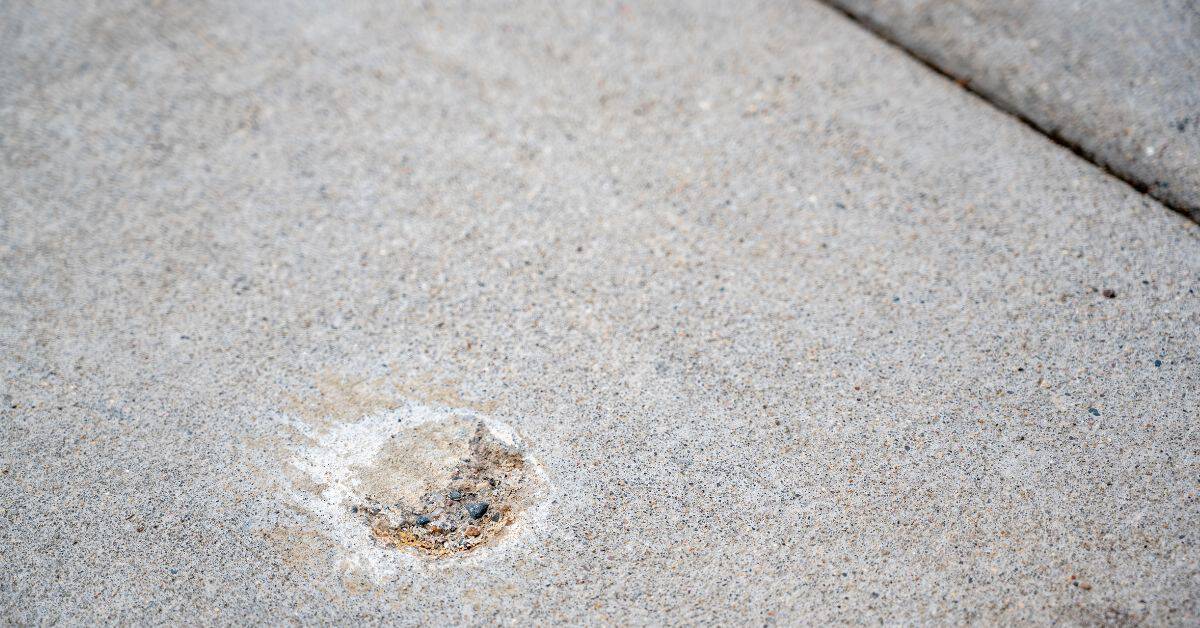
Fish-eye is a circular defect that shows up on a sealed concrete surface. It happens when silicone contamination interferes with how the sealer wets the concrete. The result is clear, small rings or dots where the film didn’t lay down evenly.
Explain the difference between surface contamination and substrate incompatibility by checking if the issue follows the surface or the material itself. Verify labels or manufacturer instructions if you’re unsure which is the cause. Always cross-check with your data sheet or local guidelines before proceeding.
Definition and visual characteristics of fish-eye
Fish-eyes are those unsightly, circular defects you see on your concrete sealer. They’re not to be confused with pinholes or blisters.
Size-wise, they can vary. Some might be as small as a pinhead, others could be as large as a quarter. But don’t let their size fool you – even the smallest fish-eye can ruin an otherwise perfect finish.
Key difference: Unlike pinholes or blisters, fish-eyes are not caused by trapped air or moisture. They’re a result of silicone contamination.
The chemistry and physics behind silicone interference
Silicone’s repellency is what causes the trouble. It’s designed to bead up water, right? Well, that same property makes it repel sealers too.
Here’s how it works: When a sealer comes into contact with silicone, it can’t adhere properly. The low surface energy of silicone prevents the sealer from wetting and leveling out like it should.
Result: Instead of a smooth, even coat, you get those pesky fish-eyes.
Why concrete is especially vulnerable
Concrete’s porous nature makes it a magnet for contaminants like silicone. Those tiny pores can trap silicone, leading to fish-eye issues when you apply your sealer.
Prior coatings or sealers can also be culprits. If they contain silicone, even if it’s not visible, it can still cause problems down the line.
Common jobsite contamination vectors: Tools, equipment, and even shoes can track in silicone contaminants. So can improperly cleaned surfaces.
Common Sources of Silicone Contamination to Check Before Sealing
Look for silicone-containing products around the work area, including caulks, sealants, and release agents. Check spray lubricants and other aerosols used on or near the concrete. Personal care products and lotions can also leave residues.
Don’t forget hidden sources like contaminated tools, rags, or masking materials. Do a systematic sweep of the site and set aside items that may have silicone before you start prep. If in doubt, inspect product labels and MSDS for silicone content.
Construction and Workshop Sources
Before you start sealing your concrete, take a look around your construction site or workshop. There are several silicone-based products used in these areas that can cause contamination.
One common culprit is release agents. These are used to prevent concrete from sticking to forms. If not properly cleaned off, they can leave residues that interfere with sealers.
Another source is silicone-based lubricants. These are used to ease the movement of tools and equipment. They can transfer onto your concrete surfaces if not kept separate.
Even form-release sprays, designed to make forms non-stick, can leave behind silicone residues that cause fish-eye in sealers.
Household and Landscaping Sources
Don’t forget to check around your home and garden for potential silicone contamination. Many household products contain silicones that can transfer onto concrete.
For instance, silicone sprays used for cleaning or protecting surfaces can leave behind residues. Similarly, automotive dressings used to shine up car exteriors often contain silicone and can cause issues if they come into contact with your concrete.
Even personal care products like hand creams can contain silicones that transfer onto surfaces you touch. If you’ve been using these products before handling your concrete, it might be worth washing your hands first.
Cross-Contamination from Tools, Rags, and Applicators
Tools, rags, and applicators that have been used with silicone products can transfer contamination onto your concrete. This is a common source of fish-eye in sealers.
- Brushes and rollers: If these have been used with silicone-based paints or sealers, they should be thoroughly cleaned before use on your concrete. Better yet, use dedicated tools for each product to avoid cross-contamination.
- Squeegees: These can pick up silicone residues from other surfaces and transfer them onto your concrete. Make sure to clean them regularly or use a new one for your sealing project.
- Rags: Rags used to wipe up silicone spills should be disposed of properly, not reused on your concrete. Launder them separately if you must reuse them.
- Applicator pads: These can also pick up and transfer silicone residues. Consider using disposable ones for your sealing project or cleaning them thoroughly beforehand.
- Optional/rentable tools: If you’re concerned about cross-contamination, consider renting dedicated tools for your sealing project. This can save you money in the long run by preventing fish-eye issues.
Inspecting and Diagnosing Silicone Smears on Concrete
Begin with a good light and wipe tests to identify contamination. Feel the surface for slick or waxy spots and note any irregularities. Simple in-field tests can help distinguish silicone from dirt or efflorescence.
Document locations and severity with photos or sketches. Record where the surface failed to wet and any patterns you see. Use this information to guide cleaning and remediation steps and verify findings with product instructions.
Visual checkpoints and lighting techniques
Before you start, use these visual checks to confirm silicone smears. It’s best done on a clear day.
- Check for streaks: Look at the surface from different angles. Silicone leaves visible streaks that dirt or efflorescence won’t.
- Sheen differences: Wet the surface with water. Silicone will have a distinct sheen compared to the rest of the concrete.
- Uneven texture: Feel the surface. Silicone can leave behind a rough, uneven texture.
- Dark spots: Check for dark spots or discoloration. This could indicate silicone contamination.
- New construction: Be extra vigilant on new concrete. Fresh silicone smears are harder to spot but can cause major issues later.
- Avoid sunlight: Don’t inspect in direct sunlight. It can hide streaks and sheen differences.
- Wet, then dry: Wet the surface, let it dry, then re-inspect. Silicone will often appear differently when wet or dry.
- Check edges: Silicone smears often start at edges and corners. Inspect these areas closely.
Quick rule: Always inspect visually before applying sealers. It’s the easiest way to spot silicone smears.
Solvent spot test and adhesion/tape test
To confirm silicone presence, perform these simple tests in an inconspicuous area. Always start small to avoid damaging the surface.
Solvent Spot Test: Apply a mild solvent like isopropyl alcohol or acetone to a small, hidden area. If it bubbles up, you’ve got silicone.
If no bubbling occurs, try the adhesion/tape test. Cut a small ‘X’ into the surface with a utility knife. Apply painter’s tape over the ‘X’, press firmly, then pull off quickly. If silicone is present, some of it will stick to the tape.
Remember: Always test in an inconspicuous area. Solvents and tape can damage concrete if not used properly.
When to log results and map contamination
Once you’ve confirmed silicone smears, document your findings. This helps target prep work and decide whether spot cleaning or full strip is needed.
Log results: Note down the location of each smear, its severity (light, medium, heavy), and any unique characteristics (e.g., dark spots, rough texture).
Create a contamination map: Draw out your concrete surface. Mark each smear’s location with a symbol or color code. This visual representation helps plan your prep work.
Why log and map? It ensures you don’t miss any smears, helping prevent future issues. Plus, it makes the cleanup process more efficient.
Tools and Materials Checklist for Cleaning and Remediation
Prepare PPE, gloves, eye protection, and appropriate clothing for solvent use. Include cleaning agents, neutralizers, and mechanical tools for agitation or light abrasion. Verify that materials are compatible with your concrete and sealer system.
Gather disposal bags, containers for used rags, and absorbents for spills. Check safety data sheets for handling and ventilation requirements. Keep records of product approvals and local disposal rules for contaminated waste.
Recommended types of cleaners and solvents and how to choose them
Before you start, make sure you have the right cleaning agents. Here’s a checklist to help you.
- Alcohol-based solvents: Great for general-purpose cleaning. Check compatibility with your concrete sealer first.
- Hydrocarbon solvents (like mineral spirits): Tough on grease and oil. Safe disposal might be required.
- Specialty silicone removers: Designed to tackle tough silicone smears. Always test a small area first.
- Avoid strong acids or bases: These can damage concrete. Stick to neutral or mild cleaners.
Quick rule: Always read product labels and SDS before use.
Mechanical prep tools and surface profiling equipment
Prepping the concrete surface is crucial. Here’s what you’ll need.
- Stiff-bristled brushes: For scrubbing and removing loose debris. Use with cleaners for best results.
- Pressure washers: To blast away tough dirt and grime. Be careful not to damage the surface.
- Grinders (with diamond blades): For light profiling or removing heavy silicone buildup. Wear safety gear.
- Scarifiers (heavy-duty grinders): For severe cases where deep profiling is needed. Use with caution.
Quick rule: Always start with the gentlest tool and work your way up if necessary.
PPE, ventilation, and waste handling
Safety first! Here’s what you need to protect yourself and the environment.
- Gloves: Protect your hands from chemicals. Choose ones that fit well and are compatible with your cleaners.
- Eye protection: Goggles or safety glasses to shield your eyes from debris and splashes.
- Respirator (if needed): For heavy-duty tasks involving harsh chemicals. Check SDS for specific requirements.
- Ventilation: Ensure proper airflow, especially when using strong solvents. Open windows or use fans if necessary.
- Waste disposal: Follow local regulations and product SDS guidelines. Never pour chemicals down drains.
Quick rule: Always check local regulations and product SDS for specific safety and disposal instructions.
Step-by-Step Remediation for Fresh or Uncured Silicone Smears
Contain the area to prevent spreading the contamination. If you can, test a small spot with a compatible solvent to confirm effectiveness. Use targeted cleaning to avoid spreading the silicone.
Rinse thoroughly and re-check wetting before sealing. Re-test in multiple spots to confirm the issue is resolved. If needed, repeat cleaning and verification until the surface wets evenly.
Step-by-Step Process
Follow these practical steps to remove fresh silicone smears from your concrete surface, ensuring a clean and seal-ready finish.
- Prepare the area: Put on gloves, safety glasses, and cover nearby surfaces with drop cloths. Ventilate the area if using solvents.
- Contain the smear: Use painter’s tape to mark off the affected area and prevent spreading contamination.
- Test solvent: Perform a spot test using an appropriate solvent (see previous section) on a small, hidden area of the concrete.
- Clean the smear: Apply the chosen solvent generously onto the silicone smear. Let it sit for 5-10 minutes, then scrub gently with a soft-bristle brush or non-abrasive pad.
- Rinse and verify: Rinse the area thoroughly with clean water. Allow it to dry completely (at least 24 hours), then perform an adhesion test using painter’s tape to ensure the surface is ready for sealing.
Immediate cleaning workflow and containment
Act quickly to contain silicone smears and prevent further contamination. Protect unaffected areas and absorb excess silicone with appropriate materials.
Do not: spread the smear or rub it in while trying to clean it up.
Use a dry, lint-free cloth or paper towel to gently dab at the smear, absorbing as much as possible. Be careful not to push the silicone into the concrete’s pores.
Once you’ve absorbed what you can, use painter’s tape to mark off the affected area and prevent spreading contamination while you gather your cleaning supplies.
Solvent selection and test patch procedure
Choose a suitable solvent based on the type of concrete sealer you plan to use (see previous section). Perform a small test patch to ensure the solvent effectively dissolves the silicone smear without damaging the concrete.
Never: apply a solvent directly onto the smear without first testing it on a hidden area of your concrete.
Apply a small amount of the chosen solvent to a inconspicuous part of the concrete. Let it sit for 5-10 minutes, then gently scrub with a soft-bristle brush or non-abrasive pad. If the silicone smear dissolves easily and the concrete remains unharmed, proceed with cleaning the affected area.
Final rinse, drying, and pre-seal verification
Thoroughly rinse the cleaned area to remove any residual solvent or silicone. Allow it to dry completely before applying a sealer.
Note: Drying times may vary depending on temperature, humidity, and ventilation. Be patient; rushing this step can lead to improper sealing and potential issues down the line.
Once the area is completely dry (at least 24 hours), perform an adhesion test using painter’s tape to ensure the surface is ready for sealing. If the tape pulls away easily without leaving any residue, your concrete is ready for sealing. If not, re-clean and re-test as necessary.
Remediation for Cured Silicone Smears and Stubborn Contamination
For cured films, you may need mechanical removal or chemical removers designed for silicone. Follow the remover directions and test first on a hidden area. Prioritize safety and ventilation during any chemical treatment.
If removal isn’t complete, consider full stripping and re-profiling the surface after confirming with manufacturer guidance. Document the results and approach for warranty purposes or technical support.
Mechanical removal and surface re-profiling
When silicone has cured into the concrete, you might need to remove it mechanically. This is especially true when the contamination is deep or widespread.
Two common methods are grinding and shot-blasting:
Grinding uses diamond blades or cups to cut away contaminated layers. It’s ideal for small areas and can create a smooth profile.
Shot-blasting propels tiny beads at high speeds, removing silicone and profiling the surface. It’s great for larger areas but may leave a rougher finish.
Chemical removal strategies and safe use
For stubborn or widespread contamination, chemical removers can help. These are typically stronger solvents designed to dissolve cured silicone.
Always follow the manufacturer’s instructions:
Apply the remover evenly over the affected area.
Dwell time: Let it sit as directed, usually 15-30 minutes.
Neutralize and rinse: Use a neutralizer (often provided with the remover) to stop the chemical reaction. Then, thoroughly rinse off the residue.
When to opt for full strip and replacement of surface layer
Sometimes, spot treatment isn’t enough. Here are signs it’s time for a full strip and re-profile:
1. Widespread contamination: If silicone smears cover a large area, spot work might be inefficient.
2. Deep penetration: When silicone has impregnated surface pores deeply, mechanical removal may not be enough.
3. Sealer failure: If your sealer is peeling or bubbling due to silicone contamination, a full strip might be necessary for long-term success.
Preventing Fish-Eye When Applying Sealers to Concrete
Start with a final cleaning to remove any trace residues. Check compatibility between the sealer and the concrete surface using labels or data sheets. Control environmental factors that can affect wetting, such as temperature and humidity.
Use proper application technique and follow manufacturer recommendations. When in doubt, consult the technical data sheet or manufacturer support before proceeding with the coat.
Final surface preparation checklist before application
The final check before applying sealers ensures your concrete is ready. Here’s a quick rundown:
- Moisture test: Use a moisture meter to ensure the slab is dry (below 4%).
- Cleanliness: Inspect for dust, dirt, or debris. A clean surface ensures good adhesion.
- Temperature check: Apply sealers when temps are between 50-90°F (10-32°C).
- Humidity control: Keep relative humidity below 70% to prevent condensation.
- Curing time: Ensure the concrete has cured for at least 28 days before sealing.
- Profile check: Inspect the surface profile. It should be suitable for your chosen sealer’s requirements.
- Previous sealers: If present, ensure they’re compatible with your new sealer.
- Patching complete: All repairs and patching should be done and cured before sealing.
Quick rule: Skipping these checks can lead to poor adhesion, blisters, or fish-eye.
Sealer selection and compatibility verification
Matching the sealer chemistry to your concrete is crucial. Start by understanding your substrate:
Concrete type: Different sealers work best on specific types (e.g., stamped, plain, or colored).
Moisture vapor transmission rate (MVTR): Some sealers can trap moisture, leading to issues. Check the MVTR of your concrete and choose a sealer that won’t cause problems.
Previous sealers: If present, ensure they’re compatible with your new sealer. Consult the manufacturer’s technical data or contact their rep for advice.
Application techniques and environmental controls
Proper application is key to preventing fish-eye. Here are some tips:
Avoid overspray: Apply sealers in manageable sections, working from one side of the area to the other. This helps prevent contamination from overspray.
Control wind/temperature: Apply sealers when winds are low and temperatures are stable. High winds can cause uneven application, while temperature fluctuations can affect curing.
Maintain proper coverage: Follow the manufacturer’s guidelines for wet film thickness. Too thin, and you’ll have poor protection; too thick, and you risk fish-eye or blisters.
Troubleshooting Fish-Eye After Sealer Application and Repair Options
Assess the extent of the fish-eye and decide whether spot repair is viable or a full recoat is required. Document affected areas with notes and photos for future reference. Consider how the repair will blend with the surrounding surface.
Outline a repair plan that minimizes visual mismatch and follows safety and adhesion guidelines. Keep records for warranty or manufacturer support and adjust your process for future applications.
Assessing extent and cause post-application
First, grab a flashlight and inspect the affected area thoroughly. Fish-eye can be subtle, so look for any discoloration or slight texture changes.
Map out each defect. Mark their locations with chalk or take photos to keep track of them all. This helps you understand if it’s isolated or systemic contamination.
Next, look for root-cause evidence. Check if there are any obvious sources like silicone sealants nearby that might have migrated onto the concrete. Also, consider if recent cleaning or maintenance work could’ve introduced contaminants.
If you find a pattern or common cause, note it down. This can help prevent recurrence and aid in communicating with manufacturers for support.
Spot repair vs full strip and recoat decision criteria
Deciding between spot repair and full recoating depends on the severity and spread of fish-eye.
For isolated defects, spot repair is usually sufficient. It’s less time-consuming and more cost-effective. But, ensure the affected area isn’t too large or widespread; otherwise, it might look patchy after repair.
If fish-eye covers a significant portion of the surface, full strip and recoating may be necessary. This ensures even sealer application and better long-term performance. However, it’s more labor-intensive and expensive.
Also, consider warranty or manufacturer support. If the issue is due to a faulty product, they might cover the cost of full strip and recoating. Document all defects thoroughly to strengthen your case.
Repair workflow for localized fish-eye
Start by cutting out the affected film. Use a sharp utility knife or a diamond blade to carefully remove the fish-eyed sealer. Be cautious not to damage the surrounding concrete.
Next, re-prep the substrate. Clean the area thoroughly with your chosen solvent (refer back to the ‘Solvent selection’ section). Ensure no residue remains that could hinder adhesion of the new sealer.
Now, it’s time to feather or reapply sealer. Use a small roller or brush to apply sealer around the repaired area. Work outwards in a feathering motion to blend the new sealer with the existing one. This helps minimize visual mismatch.
Finally, let it cure as per the manufacturer’s instructions. Keep the area clean and dry during this period to prevent any further contamination or damage.
Conclusion
The bottom line is simple: the right steps protect your concrete, your sealer, and your wallet, while keeping the finished surface looking clean and professional. Stay safety-minded, verify the source of the smear, and work methodically so you don’t lock in a fish-eye you’ll regret later.
Do this in order: confirm whether the smear is fresh or cured, set up PPE and a clean, contained work area, clean and re-check the surface with approved methods, test a small area first to verify it won’t spread or damage the surface, and then proceed with the remediation steps or re‑sealing only after the area is dry and clean, finally reseal under the best conditions you can control and re-check for uniform appearance.
Common mistakes to avoid are rushing a cleanup, skipping a test patch, and ignoring surface contamination you see after cleaning; always wear eye protection and gloves, work in a well-ventilated area, and keep solvents and cleaners away from heat or flames. If you’re unsure about whether the contamination is sufficiently removed or you see stubborn residues, don’t push through blind; reassess the surface, try a small, controlled test, and consider calling a professional if the problem persists or you’re unsure about the cure state of the concrete.
If conditions feel off, or you’ve tried the basic steps without success, know when to seek help: complex or extensive cured contamination, uncertain mortar or substrate conditions, or repeated fish-eye after resealing are signals to bring in a pro. Stay steady, follow the checks, and you’ll finish with a durable, even finish that lasts.
FAQ
What should I check if I still see fish-eye after sealing?
First, confirm you’re using the right sealer for your surface. Read the label for any silicone interaction warnings. Check manufacturer guidance on re-coats, cleanup, and curing times for your environment.
Can contaminants from tools or clothes cause new fish-eye after resealing?
Yes. Silicone or oil from gloves, rags, or tools can lay down thin films that create fish-eye. Clean with appropriate cleaners and inspect tools afterward to prevent re-contamination before you reseal.
How do I fix cured silicone fish-eye without starting from scratch?
Focus on removing the affected area and re-cleaning thoroughly. Reapply sealer only after the surface is completely dry and free of residue, following the product’s instructions for re-coating. If still uncertain, check the label or contact the manufacturer for guidance.
What’s the best way to prevent silicone transfer during future sealing?
Keep silicone-containing products away from the work area and use clean, lint-free materials. Follow the sealer’s prep steps exactly and ensure the surface is fully cured and dry before applying. If in doubt, test a small area first.