Concrete slab with rebar and wooden formwork on construction site

Radiant Slab with Sleepers on Top – Causes, Tests & Fixes

Introduction

A radiant slab with sleepers on top is a concrete floor that carries embedded heat and has wood or other strips laid on its surface to support a finished floor.

This intro will cover what can go wrong, how moisture moves in and beneath the slab, and practical fixes you can assess at home.

Common moisture issues come from the ground, concrete curing, or a capillary rise under the sleepers.

To test, look for dampness on the surface, use a moisture meter per label instructions, and check for unusual odors or staining.

For fixes, ensure proper sealing, vapor barriers, and adequate airflow, and choose flooring materials that tolerate any remaining moisture.

Key takeaways

  • Inspect moisture sources: groundwater, leaks, poor curing, and HVAC vapor paths.
  • Use reputable tests: on-site moisture meters and calcium chloride or relative humidity as per label.
  • Sleepers require dry slab surface and proper drainage before installation.
  • Cover slabs with breathable barrier and appropriate flooring for moisture risk.
  • Plan fixes: reseal cracks, improve vapor barrier, and re-mortaring sleeper support if needed.
  • Safety: wear PPE, shut off utilities, and follow local codes; consult pro when unsure.
Table of Contents

What a Radiant Slab with Sleepers Assembly Is and Why It’s Used

A radiant slab with sleepers is a heated concrete floor that is topped with timber or engineered sleepers to create a ready surface for finished flooring. The assembly typically includes sleepers, spacers, insulation, and a vapor barrier laid over the slab to form a subfloor. The goal is to make a retrofit-friendly surface that can accept various floor finishes while preserving heat output.

In renovations, sleepers help accommodate expansion, provide a crawl space for services, and simplify installing finishes like laminate, vinyl, or wood. The layup also creates necessary air gaps and supports comfort underfoot. Verify the manufacturer instructions and local rules for specific clearances and material compatibility before proceeding.

Typical assembly and components

The typical radiant slab with sleepers assembly starts with a concrete slab, poured over embedded PEX tubing for heat distribution. This is your heating element.

Next come the timber sleepers. They’re laid perpendicular to the tubing, creating a grid that accepts finish flooring. Spacers maintain even spacing between them, usually around 600mm centers.

The sleepers sit on top of the slab, with a clean air gap underneath for heat circulation. Above them, you’ll find insulation or a vapor barrier, followed by your finished flooring.

Benefits and trade-offs of using sleepers over radiant slabs

Sleepers bring several benefits. They create a solid, flat surface to fasten your finished flooring to. This is crucial in renovations where the existing subfloor might not be level.

They also provide thermal separation, preventing heat from the slab below from warping or damaging your finish floor above. Plus, they allow access for services like plumbing or electrical work between the slab and the finish floor.

However, there are trade-offs. Sleepers add height to your floor build-up, which could be an issue in low-ceiling spaces. They can also trap moisture if not installed correctly, leading to potential issues down the line. And while they help distribute heat evenly, they do slightly reduce the overall heat transfer efficiency of your radiant system.

Back to top ↑

Primary Causes of Moisture Problems in Slabs Under Sleepers

Moisture can enter from site-related sources such as soil moisture or groundwater, material-related factors like concrete permeability, and process-related issues such as poor vapor barrier installation. These categories help pinpoint where to look during retrofit planning. Each factor influences how moisture moves through the slab and under the sleepers.

Moisture travels by capillary action, diffusion, and hydrostatic pressure, and it can become trapped under insulation or a vapor barrier. Look for signs like dampness, staining, or high readings in moisture tests. Check soil conditions, barrier seams, and slab thickness against the project specs and local guidance.

Site and Construction Sources (Groundwater, Drainage, Weather)

Water can seep into your slab from various site-related issues. Here’s what to watch out for:

Poor Grading: If the ground around your slab isn’t properly sloped, water will pool and find its way down.

High Groundwater: If groundwater levels are high, they can push water up into your slab through capillary action.

Exposure to Rain: During construction, if the slab is exposed to rain, it can absorb moisture. Make sure to protect the slab with a temporary cover.

Inadequate Site Drainage: If water can’t drain away from your site properly, it will find its way into your slab.

Material and Installation Mistakes (Vapor Control, Mix, Curing)

The materials used and how they’re installed can significantly impact moisture levels in your slab.

  • Vapor Retarders: Wrong or damaged vapor retarders let moisture through. Look for high-quality materials with good ratings. Seal all seams properly to prevent leaks.
  • High Water Content in Mix: Too much water in your concrete mix can lead to excess moisture in the slab. Stick to the recommended water-cement ratio.
  • Over-troweling: Overworking the concrete surface can bring too much water to the top, leading to excessive bleeding and increased moisture.
  • Rushed Curing: Concrete needs time to cure properly. Rushing this process can lead to increased moisture and weak spots in your slab.
  • Inadequate Sealing: Not sealing the concrete surface allows moisture to escape, leading to cracking and staining.

In-Service Sources (Plumbing Leaks, Condensation, HVAC)

Even after your slab is installed, moisture can still find its way in. Here are some common culprits:

Plumbing Leaks: A leak from a pipe under or near your slab can introduce significant amounts of water.

Condensation: If the indoor air is humid and the slab is cool, condensation can form on the underside of the slab, leading to increased moisture.

HVAC Operation: The operation of your HVAC system can introduce or mobilize moisture. Make sure your system is properly balanced and maintained.

Back to top ↑

How Moisture Harms Sleepers, Flooring, and Radiant Performance

Moisture can cause sleepers to warp, cup, or rot, especially with wood or composite options. This undermines support for radiant tubes and the overlying finish and may create squeaks or gaps. The integrity of the subfloor is essential for stable heat transfer.

Finish flooring can suffer staining, lifting, or delamination when moisture migrates. Radiant efficiency can drop if moisture pockets disrupt surface contact or create thermal resistance. Keep an eye on indoor moisture and ventilate adequately to protect the system and occupants.

Damage to wood and adhesives

Moisture is no friend to wood sleepers. It can cause all sorts of issues that’ll make your job harder and your floor less than perfect.

First off, moisture makes wood swell. This can lead to cupping – where the edges of the sleeper rise up, creating a wavy surface. Warping’s another issue. Sleepers can twist and bend out of shape, throwing your floor layout off-kilter.

Adhesives used in engineered sleepers or for attaching finish flooring don’t like moisture either. It can cause them to fail, leading to delamination – where the layers of your floor start peeling apart like a bad sunburn.

Reduced thermal efficiency and corrosion risks

Moisture trapped under your sleepers can play havoc with your radiant heating system’s performance. It reduces the thermal resistance of the concrete, making it harder for heat to transfer into your space.

Worse yet, moisture promotes corrosion. Fasteners holding down your sleepers and tubes can start to rust away, weakening their grip and potentially leading to tube failure.

Moisture also speeds up the deterioration of components. It breaks down adhesives, weakens wood, and can even cause concrete to degrade over time. All this adds up to a system that’s less efficient and more prone to failures.

Back to top ↑

Tests and Diagnostic Methods for Slab Moisture

Testing should target both the slab and the sleeper assembly to avoid misreads. Use a practical sequence that protects wood sleepers and flooring finishes while gathering reliable data. The goal is to establish a baseline before you pour or install finishes.

Embedded probes, surface meters, and targeted moisture tests provide a picture of humidity and moisture migration. Interpret readings in the context of temperature, timing, and workmanship. If readings are unclear, repeat tests or consult the instructions from the barrier and sleeper suppliers.

In-slab relative humidity testing (best-practice diagnostic)

The in-slab RH test is your best bet for understanding internal moisture conditions. It measures the relative humidity inside the concrete, giving you a clear picture of what’s happening deep down.

This test follows ASTM F2170 standards. Here’s how to do it with sleepers:

Drill two holes in the slab, one for each probe. Insert probes into the holes, ensuring they’re level and at the same depth. Seal the holes with tape or caulk to keep out external moisture. Readings take 24-72 hours.

Surface and supplemental tests (calcium chloride, moisture meters, thermal imaging)

Surface tests are quick but don’t go deep. They’re great for initial screening:

On-grade concrete moisture meters give a surface RH reading. Calcium chloride tests measure MVTR (moisture vapor transmission rate) over 72 hours.

Thermal imaging shows temperature differences, helping locate wet areas. But remember, they can’t tell you what’s happening below the surface or inside the slab.

Visual inspection and simple site checks

Before diving into tests, do a quick visual check. It might save you time and money:

  • Efflorescence: White powder on the surface could mean excess moisture.
  • Staining or mold: Dark spots or growth indicate water intrusion.
  • Soft or loose sleepers: This might signal rot due to high moisture.
  • Grading: Check it’s away from the slab to prevent water pooling.
  • Drains: Ensure they’re clear and functioning properly.
  • Plumbing: Inspect for leaks around pipes.
  • HVAC: Make sure there are no condensation issues.
  • Vapor barrier: Check it’s intact and properly installed.

Quick rule: If you spot any of these, dig deeper with tests before installing sleepers or flooring.
Back to top ↑

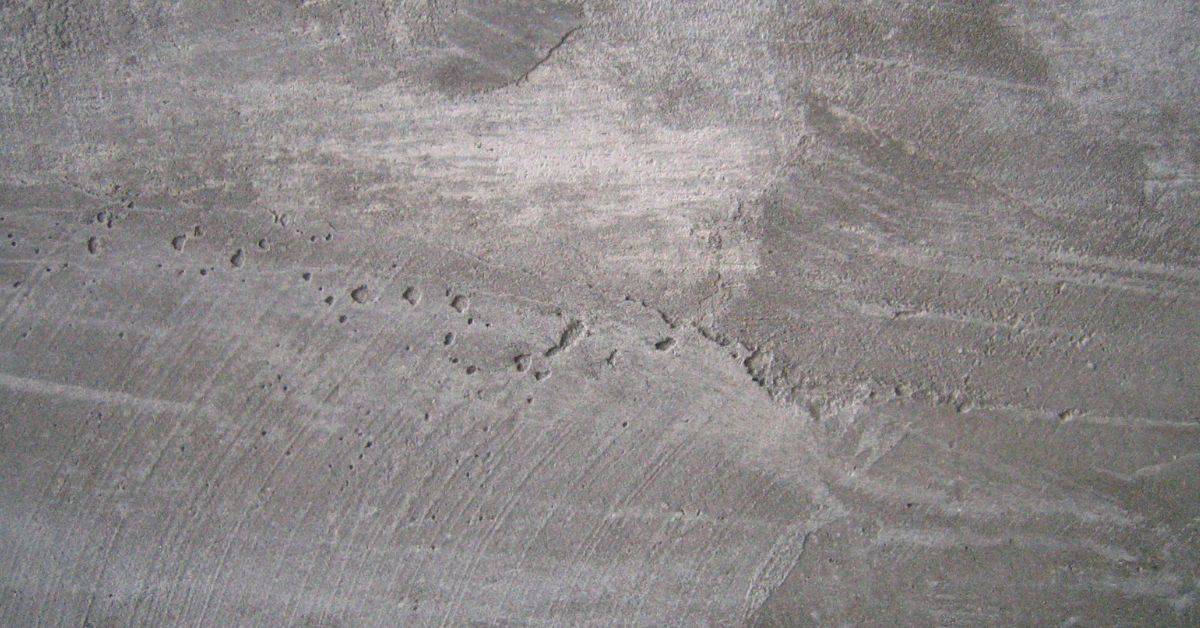
Concrete slab surface with visible pitting and rough texture

Step-by-Step Fixes and Moisture Mitigation Strategies

Organize fixes by stage, starting with pre-install measures like a proper moisture plan and barrier, then plan for sleepers that suit radiant heat. This approach minimizes trapped moisture and cracking risk. Align spacer and fastener choices with the barrier requirements.

If sleepers are planned but not yet installed, specify interim barriers and low-absorption materials, and document inspection points before pouring. After flooring is in place, use non-destructive moisture tests and implement ventilation or dehumidification as needed. Establish clear success criteria to confirm stability before finalizing the install.

Step-by-Step Repair Process

Follow these practical steps to fix moisture issues and mitigate further damage.

  1. Preparation: Safety first! Turn off power, wear protective gear. Clear the area.
  2. Diagnose: Use calibrated meters, RH tests as explained earlier. Find moisture sources.
  3. Main Work: Fix leaks, improve drainage. Install mitigation measures like dehumidifiers or temporary radiant shut-down.
  4. Repair Sleepers/Flooring: Remove affected components, replace if necessary. Use moisture-tolerant overlays/membranes.
  5. Final Checks & Cleanup: Re-test moisture levels. Ensure all repairs are secure and functioning. Restore the area.

Pre-install mitigation and prevention

Before installing sleepers, manage moisture with these strategies:

Drying: Keep the slab dry before installation. Use dehumidifiers if necessary.

Vapor Barrier: Install a quality vapor barrier or mitigative sub-slab membrane to prevent moisture from rising into the slab.

Slab Surface & Environmental Controls: Treat the slab surface with sealers. Control environmental factors like temperature and humidity.

Remediation when flooring or sleepers already installed

If moisture issues arise after installation, follow this approach:

Diagnose First: Use non-destructive tests to locate moisture sources. Check for leaks, condensation, or HVAC issues.

Localized Drying & Component Replacement: Dry affected areas using heaters or dehumidifiers. Remove and replace damaged sleepers or flooring components if necessary.

Moisture-tolerant Overlays/Membranes: Apply these to protect the slab and prevent further damage from moisture wicking.

Structural and site-level corrections for persistent moisture

For chronic moisture issues, address the root causes with these solutions:

Improve Site Drainage: Ensure water flows away from the slab. Install grading, French drains, or other drainage systems if needed.

Repair Leaks & Seal Slab Sections: Fix plumbing leaks and reseal problematic slab sections to prevent moisture intrusion.

Install Sump Systems or Slab Drains: These can help remove excess water from around the slab, preventing further damage.

Back to top ↑

Best-Practice Installation Guidelines for Sleepers over Radiant Slabs

Understand why sleepers over radiant slabs are used and how this setup affects heat transfer and moisture paths. This context guides safer, more reliable installations. Plan for proper clearances and material choices from the start.

Perform moisture checks before laying components and interpret results with the sleeper placement in mind. Specify compatible materials, spacings, and air gaps to prevent moisture entrapment and wicking into finishes. Use careful surfacing and fastening practices to protect the vapor barrier and radiant loops.

Sleepers layout, fastening, and ventilation

Laying sleepers over radiant slabs helps distribute weight evenly. But, it’s crucial to keep moisture at bay and allow heat transfer.

Spacings: Leave 1/2″ to 3/4″ gaps between sleepers for air movement. This stops moisture buildup and lets heat rise.

Fastening: Use screws or nails, not staples. They’re stronger and won’t pierce vapor barriers. Keep fasteners away from radiant loops.

Ventilation is key. Ensure air can flow under sleepers, preventing moisture entrapment.

Insulation and vapor control around sleepers

Good insulation keeps your home cozy and efficient. But, it must work with your radiant slab.

Fiberglass or foam: These insulate well but don’t stop moisture. Use them where needed, but not under the entire slab.

Vapor barriers: Use them in cold climates to stop moisture from migrating into your home. Ensure they’re continuous and sealed at seams.

Check manufacturer instructions for specific insulation needs around sleepers.

Allowances for expansion, access, and thermal movement

Concrete slabs expand and contract with temperature changes. Sleepers must accommodate this.

Expansion gaps: Leave 1/4″ to 3/8″ gaps at walls and other obstacles. Fill them with backer rod or foam to prevent water intrusion.

Access provisions: Plan for access to radiant loops for maintenance. Leave spaces between sleepers or use removable ones.

Seal transitions carefully to keep water out. Use caulk, sealants, or other appropriate materials.

Back to top ↑

Tools, Materials, Standards, and Checklist for Testing and Installation

Assemble a practical toolset for planning, testing, and installation, separating hand tools, power tools, measuring devices, and safety gear. Run a quick pre-job check to confirm calibration and readiness. This keeps work efficient and safer on site.

List materials comprehensively, including sleepers, radiant mats or cables, insulation, vapor barrier, fasteners, adhesive, edge trims, and any waterproofing. Tie these to reasonable specs and local code expectations, and keep the documentation handy for reference during checks.

Tools and materials checklist

Before you start, ensure you have all the necessary tools and materials to tackle moisture issues effectively.

  • Moisture meters: Check functionality before use. Dead batteries can lead to inaccurate readings.
  • Calcium chloride test kits: Confirm they’re within their expiration date for reliable results.
  • Thermal imaging camera: Ensure it’s calibrated and ready to detect temperature differentials.
  • Dehumidifiers: Test them before use to remove excess moisture from the slab.
  • Vapor control products: Inspect membranes, barriers, and sealants for any damage or defects.
  • Fasteners: Check quantity and type (screws, nails) needed for sleeper installation.
  • Adhesives: Ensure they’re compatible with your chosen flooring material and within their usable life.
  • Repair materials: Have extra supplies on hand to address any unexpected issues during the process.

Quick rule: Always double-check your tools and materials before starting work. Inadequate equipment can lead to inaccurate readings or failed repairs.

Standards and test protocols to follow

Adhere to recognized standards and test protocols for a successful radiant slab installation with sleepers on top.

  • Moisture testing: Follow ASTM F2170 or other relevant moisture-testing standards before, during, and after the pour.
  • pH testing: Check soil pH to ensure it’s within acceptable limits for concrete placement.
  • Pressure testing: Conduct air pressure tests on the slab to detect any cracks or leaks.
  • Bounce test: Perform a bounce test to assess the slab’s strength and flexibility.
  • Insulation/perimeter detailing: Ensure insulation and vapor barriers are properly installed around the perimeter of the slab.
  • Electrical code considerations: Follow local electrical codes for embedded radiant heat systems.
  • Manufacturer guidelines: Consult manufacturer instructions for their specific products, including installation procedures and warranties.

Quick rule: Always follow established standards and test protocols to ensure a durable, long-lasting radiant slab system.

Material specs and manufacturer tolerances to confirm

Before installing your radiant slab with sleepers on top, ensure all materials meet required specifications and tolerances.

  • Vapor retarder perm ratings: Confirm the vapor barrier’s perm rating meets or exceeds local building codes.
  • Adhesive moisture limits: Check that adhesives can handle the expected moisture levels in your slab.
  • Flooring manufacturer tolerances: Verify that your chosen flooring material can withstand the moisture conditions in your slab.
  • Radiant heat mats/cables: Ensure they’re rated for the desired temperature and wattage output.
  • Insulation R-value: Check that the insulation’s R-value meets or exceeds local energy efficiency standards.
  • Edge and corner trims: Confirm they’re compatible with your chosen flooring material and can handle expected moisture levels.
  • Waterproofing products: Ensure they meet or exceed local waterproofing standards for your specific application.

Quick rule: Always confirm material specs and manufacturer tolerances to prevent compatibility issues and ensure a successful installation.

Back to top ↑

Costs, Safety Concerns, and When to Call a Professional

Clarify what drives costs, from moisture barriers and sleepers to potential slab repairs and labor. Use a flexible framework to account for moisture level changes and installation complexity. Avoid committing to numbers without checking current bids and measurements.

Weigh safety risks such as mold, electrical hazards near damp substrates, and slip or fall risks during inspections. Use criteria to decide between DIY fixes and licensed help, especially for structural or electrical aspects. Document tests, warranties, and follow-up inspections to ensure long-term performance.

Cost drivers and budgeting considerations

Remediating moisture issues on radiant slabs with sleepers on top can vary greatly in cost. Here’s what drives the price:

Materials: Moisture barriers, sleepers, fasteners, and any replacement materials needed. Expect to spend around $2 – $5 per square foot.

Labor: Hiring professionals can double or triple your costs. DIY can save you here, but be realistic about what you can handle.

Repairs & Modifications: If slab repair, leveling, or radiant system modifications are needed, costs can skyrocket. Get quotes for each scenario to plan accordingly.

Safety and DIY red flags

DIY work on moisture-damaged slabs can be risky. Here are some safety concerns:

Mold & Wood Rot: Persistent moisture breeds mold and rot, which can cause health issues and structural damage.

Electrical & Heating Hazards: Working near live radiant tubing or electric systems can lead to shocks or burns. Always turn off power sources before working.

Structural Concerns: If you notice significant slab delamination, warping, or other structural issues, stop work immediately and call a pro.

When to hire a pro and what to ask them

DIY is great, but there are times when you need a professional:

Persistent Moisture: If moisture tests show high readings or if previous repairs haven’t worked, it’s time to call in the experts.

Concealed Plumbing & Complex Heating Systems: If you suspect damaged plumbing or have a complex radiant heating system, leave it to the pros. They have the tools and knowledge to diagnose and fix these issues safely.

Key Questions for Pros: Ask about their testing methods (in-slab RH, plug-in probes), warranties on workmanship and materials, and their remediation plan. Make sure they follow industry standards.

Back to top ↑

Conclusion

A dry, stable radiant slab with sleepers is earned through careful testing, proper fixes, and disciplined installation. Do the checks, follow the steps, and you protect accuracy, durability, and appearance.

A practical checklist in plain language: confirm current moisture readings and trends in the slab area, verify the sleeper layout and any vapor barriers, inspect insulation and radiant lines for signs of damage, ensure the surface is clean and level, apply fixes in a small trial area first, re-test the moisture after each fix, and only proceed to finish flooring once you have repeatable acceptable results. Follow the steps in order, keep the work area dry, and document readings and repairs for future reference.

Common mistakes to dodge are ignoring small leaks or moisture signals, skipping drying time or re-testing after a fix, and using incompatible materials or fasteners that pierce moisture barriers. Safety rules to follow are to shut off any radiant circuits when inspecting, wear eye and skin protection, keep electrical tools away from damp zones, and never install flooring until the slab moisture test is stable and repeatable.

Call a professional when moisture readings remain high after two solid cycles of testing and remediation, when you uncover structural damage or gas or electrical concerns near the slab, or if you’re unsure about vapor barriers, insulation, or electrical shutoffs. Stay steady, follow the test-and-fix sequence, and you’ll get a lasting, safe floor you can count on.

Back to top ↑

FAQ

What causes excess moisture in concrete slabs beneath sleepers?

Moisture comes from curing water, groundwater, or damp soil, plus poor vapor barriers or drainage. Temperature swings and seasonal changes can push moisture toward the surface. Check for standing water around the slab and inspect the edge details where water can migrate.

How can I test moisture in a concrete floor before laying sleepers or finish?

Use a moisture test method approved by the label or manufacturer. Look for instructions on how long to wait after applying any testing material and how to read the results. If in doubt, confirm with the product datasheet or local guidance before proceeding.

What flooring materials are most sensitive to moisture and how does that affect this setup?

Materials like wood and certain laminates react to moisture and can warp or fail if moisture is present. In this slab-with-sleepers setup, choose products that tolerate higher humidity or use a proper moisture barrier and confirm with the flooring manufacturer’s guidelines. Always verify installation requirements on the label or instructions.

How do groundwater and environmental factors affect slab moisture, and what practical steps help?

Groundwater and moisture in the soil can push up through the slab or around the edges. Improve drainage around the slab, seal cracks, and ensure any vapor barriers meet the product requirements. If unsure, consult the manufacturer instructions and local rules for acceptable mitigation steps.

Back to top ↑