

Introduction
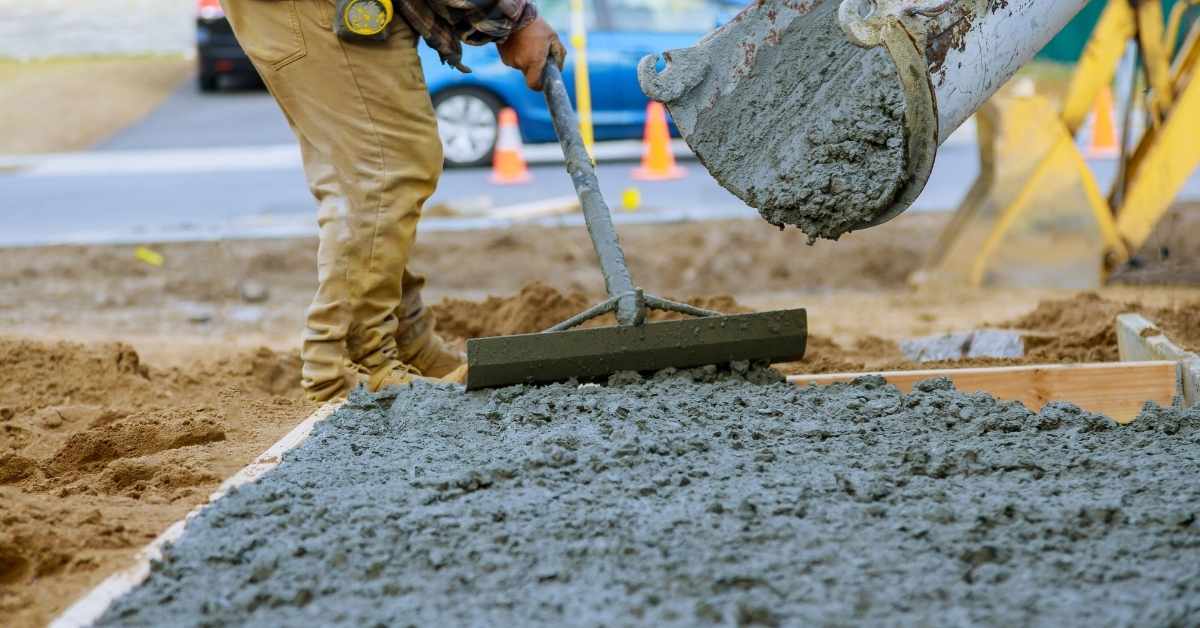
Pouring concrete in two lifts means placing the slab in two separate sessions to build up thickness while ensuring a solid joint. Work carefully so the second lift bonds to the first without forming a weak plane. Keep the site organized and follow the manufacturer’s guidance for timing and preparation.
The key is proper curing time between lifts and ensuring a clean, roughed surface for the second pour. Use appropriate joint methods like tie rods or dowels as recommended, and check local rules or manufacturer instructions for spacing and alignment. Always verify with product labels and local standards before you pour and finish.
Key takeaways
- Coordinate two-lift pours with proper formwork timing and surface preparation.
- Avoid a weak plane by cleaning laitance and using compatible bonding materials.
- Ensure moisture control and curing methods align with climate and project needs.
- Tie rods or dowels spacing should follow project guidelines and manufacturer specs.
- Surface prep before second lift includes roughening and ensuring a solid key.
- Document curing times and environmental conditions; follow safety protocols to prevent injuries.
Table of Contents
- Introduction
- Key takeaways
- Why Pour Concrete in Two Lifts?
- What Creates a Weak Plane Between Pours?
- Timing and Curing: How Long to Wait Between Lifts
- Surface Preparation Before the Second Lift
- Bonding Methods and Materials
- Mix Design and Admixtures That Improve Joint Performance
- Environmental, Scheduling, and Logistical Considerations
- Quality Control, Safety, and Cost Implications
- Conclusion
- FAQ
Why Pour Concrete in Two Lifts?
Two-lift pours arise from real site constraints such as limited formwork height, access routes, and the need to fit a pour into the workflow. They also align with how pours are sequenced to keep the project moving without overstressing forms. This approach can translate into clearer scheduling and better control of set behavior across the slab.
From a structural and durability standpoint, a well-planned second lift helps manage heat, slump, and bonding between pours. It also creates practical advantages for surface preparation, joint detailing, and curing plans that support a strong, continuous finish. Use a practical planning checklist to decide when to stop and how to prep surfaces and joints before continuing.
When two lifts are the right choice
Two-lift concrete pours aren’t always necessary, but they’re often the best option for deep foundations, tall retaining walls, or when access is limited. Here’s why:
Deep Pour Heights: Concrete can only be poured so high before it starts to segregate and lose strength. The general rule is no more than 3-4 feet at a time.
Tall Walls & Limited Access: For tall walls or when access is limited, pouring in lifts allows you to build up the formwork as you go. This way, you’re not trying to reach high places with your concrete pump or buggy.
Trade-offs to consider include additional time for setting up and striking forms between lifts, and ensuring proper bonding between lifts to avoid weak planes.
Benefits and performance advantages
Pouring concrete in two lifts has several benefits when done right:
Improved Consolidation: Smaller pours allow for better compaction around rebar, reducing the risk of honeycombing. This improves the concrete’s strength and durability.
Reduced Form Pressure: Lower pour heights mean less pressure on your forms, reducing the risk of blowouts or form failures.
Potential Cost or Schedule Savings: By pouring in lifts, you can reduce concrete waste from over-ordering and minimize downtime due to equipment moving between areas. Plus, it allows for better planning and coordination with other trades.
What Creates a Weak Plane Between Pours?
A weak plane, or cold joint, forms where one lift finishes and the next begins with less than ideal surface conditions. It compromises continuity and can create a path for moisture and cracking if not addressed. Understanding where bonding may fail helps you prevent it before it starts.
Key causes include delayed placement, laitance on the surface, and inadequate bonding. Contaminants like dust, form oil, or a slick surface can undermine the interface. Plan for proper surface texture, timely transfer between lifts, and appropriate bonding strategies to maintain strength.
Mechanical and Chemical Causes
The weak plane forms due to mechanical and chemical factors at the interface between lifts. Here’s how:
Loss of surface moisture: When concrete sets, its surface dries out. If the second lift isn’t poured immediately, this dry layer reduces bonding.
Finishing operations: Screeding, bullfloating, or power floating can remove laitance – a weak, cement-rich layer – and disrupt the surface’s chemical structure, further reducing bond.
Cement hydration interruption: When the first lift sets, its cement hydration process slows. Pouring the second lift too late can cause this process to restart poorly, leading to a weak interlayer bond.
Structural Consequences of a Weak Plane
A weak plane compromises your concrete’s structural integrity. Here are the likely outcomes:
Reduced shear transfer: Shear forces can’t be efficiently transferred across the weak plane, leading to cracking and reduced strength under load.
Delamination: The weak layer may separate from the rest of the structure, causing delamination – a serious structural defect that requires repair or replacement.
Increased permeability: A weak plane allows water and other liquids to penetrate more easily, increasing the risk of corrosion, freeze-thaw damage, and other deterioration processes.
Timing and Curing: How Long to Wait Between Lifts
Start with project specs and manufacturer recommendations to define the acceptable time window between lifts. Temperature ranges influence how quickly concrete gains strength and how moisture must be managed. Verify guidance from the plan or supplier documents rather than relying on memory alone.
Assess readiness using surface discipline cues such as cure skin, roughness, and simple field tests rather than clock time alone. Consider environmental protections like curing methods to minimize moisture loss between pours. Prepare the first lift with surface cleaning and roughening where required in anticipation of the second pour.
Fresh-to-fresh vs hardened-joint strategies
When pouring concrete in two lifts, you’ve got two main strategies: fresh-to-fresh and hardened-joint. Let’s break down each.
Fresh-to-fresh: This involves pouring the second lift while the first is still plastic – that’s when it’s wet and workable. Pros? It can speed up your project timeline and give you a stronger bond between lifts. But be careful, if the bottom layer isn’t ready, you might end up with a weak plane.
Hardened-joint: Here, you wait until the first lift has set before pouring the second. This gives you more control over the process and reduces the risk of a weak plane. But it can slow down your project timeline.
Factors that alter safe timing
Safe wait times between lifts aren’t set in stone. They change based on a few factors:
Temperature: Warmer temps speed up concrete setting. In hot weather, you might need to wait less time. But be careful not to rush it.
Humidity and moisture loss: Low humidity can dry out your first lift too quickly, weakening the bond between lifts. Keep an eye on this, especially in dry climates or windy conditions.
Cement type and admixtures: Different cements and admixtures change setting times. Always check your project specs and manufacturer data to get it right.
Surface Preparation Before the Second Lift
Clean thoroughly to remove dust, oils, and laitance, using the recommended tools for your situation. Ensure the first lift is sound and not crumbling before proceeding. Verify bonding adequacy and remove any weak material that could hinder adhesion.
Roughen the surface to create a mechanical key, then manage moisture to avoid a damp substrate. Remove any curing compounds or contaminants that would interfere with bonding, and plan for any bonding agents or surface treatments recommended for your mix and environment.
Cleaning and removal of laitance
The first step in preparing the surface for the second lift is to remove any loose material, dirt, or weak concrete known as laitance. This exposes sound aggregate, providing a better bonding surface.
Use a pressure washer with a rotating nozzle to blast away loose material. Start at a distance and gradually move closer to avoid damaging the surface.
For stubborn areas, use a stiff-bristle brush or scabbling tool to physically remove laitance. Be careful not to damage the underlying concrete. Shotblasting can also be used for larger surfaces, but it requires specialized equipment.
Tools and materials checklist for surface prep
Before you start preparing the surface for the second lift, ensure you have all the necessary tools and safety gear. This list will help you stay organized and safe.
- Pressure washer: To clean the surface and remove loose material.
- Rotating nozzle: For the pressure washer to effectively remove laitance without damaging the surface.
- Degreaser: To remove oils, grease, and other contaminants that may hinder bonding.
- Stiff-bristle brush: For scrubbing away stubborn dirt and laitance.
- Wire brush or grinder: To create a mechanical key on the surface for better adhesion.
- Safety glasses: To protect your eyes from debris during cleaning and grinding.
- Work gloves: For handling tools and materials safely.
- Ear protection: When using power tools like grinders or pressure washers.
- Temporary protection: Such as barriers or signs to keep people away from the work area while preparing the surface.
Quick rule: Always wear appropriate PPE when using power tools and handling chemicals. Safety first!
Bonding Methods and Materials
Mechanical bonding options include keys, dowels, or roughening to achieve interlayer shear capacity. They are practical where formwork is accessible and timing is tight. Understand how each method performs under expected loads and movement between lifts.
Chemical bonding solutions involve bonding agents or slurries that require specific surface prep and curing conditions. Check compatibility with your concrete, and follow application steps precisely to optimize adhesion and durability.
Mechanical keys, dowels and rebar strategies
Mechanical bonding methods physically interlock the two lifts of concrete. This improves load transfer across the interface.
Shear Keys: These are grooves cut into the first lift’s surface. They increase the contact area and provide a mechanical lock for the second pour.
Roughened Profiles: Scoring or roughening the first lift’s surface increases friction, enhancing bond. Use a diamond blade or wire brush to create texture.
D dowels and Rebar: Dowels are steel rods placed in holes drilled into the first lift. They align with rebar in the second pour, creating a strong mechanical bond. Ensure proper alignment and grouting for best results.
Bonding agents, epoxies, and cementitious slurries
Chemical bonding methods use adhesives to enhance the bond between lifts. They’re particularly useful when mechanical methods alone aren’t enough.
Epoxies: These are high-strength adhesives applied as a thin layer on the first lift’s surface. They require a clean, dry, and laitance-free substrate for optimal adhesion. Priming is often necessary to ensure proper bonding.
Polymer-modified Slurries: These are cement-based mixtures with added polymers. They’re sprayed or troweled onto the first lift, creating a strong bond when the second pour is placed. Follow manufacturer’s guidelines for surface preparation and curing constraints.
Tack Coats: These are thin layers of bonding agent applied to the first lift’s surface. They improve adhesion but have limited strength compared to epoxies or polymer-modified slurries. Priming may be required depending on the specific product used.
Mix Design and Admixtures That Improve Joint Performance
Talk through how workability, water content, and paste in the mix affect the interlift bond and long-term durability. Adjust slump and cohesion with approved admixtures without delaying the set or compromising finish quality. Keep the mix aligned with project guidelines and site conditions.
Identify admixtures that target joint performance, and coordinate their use with surface prep and curing plans. Ensure compatibility between pours and plan for testing or inspection to confirm bond integrity between lifts.
Adjusting Slump and Cohesion for Two-Lift Pours
When pouring concrete in two lifts, it’s crucial to balance the slump of each lift to avoid segregation and maintain cohesion at the interface. Here’s how:
First Lift: Aim for a medium slump (2-4 inches) to ensure proper consolidation without excessive bleeding or segregation.
Second Lift: Reduce the slump slightly (1-3 inches less than the first lift). This helps prevent the fresh concrete from balling up and maintains cohesion at the interface. Too much reduction can lead to inadequate bonding, while too little may result in segregation.
Admixture Choices: Retarders, Accelerators, and Polymers
Admixtures play a significant role in controlling setting time and improving bond quality between lifts. Here’s how to use them:
Retarders: Use retarders to extend the setting time of the first lift, allowing for better consolidation and reduced risk of premature stiffening at the interface.
Accelerators: Apply accelerators to the second lift to speed up setting time, promoting faster strength gain and improved bond. Be cautious not to accelerate too quickly, as this can lead to excessive heat generation and cracking.
Polymers: Incorporate polymer modifiers like superplasticizers or viscosity-modifying agents (VMAs) in both lifts to enhance cohesion, improve workability, and promote better interlayer bonding. Always follow manufacturer guidelines for proper dosage and application.
Environmental, Scheduling, and Logistical Considerations
Weather, temperature, humidity, and wind all influence the success of a two-lift pour. Track and document conditions that affect each lift and adjust plans as needed. Use practical protections and contingency steps rather than relying on chance.
Coordinate the crew, equipment, and sequence to minimize downtime between lifts. Prepare forms, joints, and reinforcement in advance, and have a clear plan for weather-related delays or adjustments to the pour schedule.
Mitigating weather and temperature effects
The weather’s a wild card on any pour, but with two lifts, it’s doubly important to keep an eye on it. Here’s how to manage hot, cold, or wet conditions:
Hot Conditions: Keep the concrete covered and moist-cure between lifts. Heat can speed up setting, so you might need to adjust your timing. Consider using a retarder admixture in your mix.
Cold Conditions: Protect the forms with insulation or heat tape. Consider heating the concrete before pouring. Keep an eye on the temperature – if it drops below 50°F (10°C), you might need to halt the pour until conditions improve.
Wet Conditions: Windbreaks can help reduce evaporation and maintain slump. If rain’s forecast, consider delaying the second lift or using a protective covering.
Coordination, placement rate, and equipment needs
Efficient coordination is key to avoiding delays between lifts. Here’s what you need to consider:
- Pump Rate: Match the pump rate to your formwork size and reinforcement layout to avoid cold joints.
- Slump Control: Maintain consistent slump throughout each lift. Consider using a concrete pump with variable speed control for better flow management.
- Crew Sequencing: Stagger crews – one preparing the surface while the other finishes the previous lift’s curing.
- Equipment Readiness: Ensure your mixer, pumps, and forms are ready to go. Consider renting a concrete pump for larger pours – expect to pay around $300-$500 per day plus fuel costs.
- Timing: Plan your lead times carefully. Set-up, formwork, and joint creation can take hours, so don’t rush these steps.
Quality Control, Safety, and Cost Implications
Maintain a concise checklist for inspecting surface prep, formwork, joint alignment, and curing between lifts. Use practical field tests and non-destructive checks to verify bond viability when possible. Document findings for traceability and future reference.
Balance safety and cost by enforcing PPE, fall protection, and form stability protocols during multi-lift pours. Compare potential rework costs with upfront prevention, and capture lessons learned to inform future pours and warranties.
Inspection and testing for bond quality
Before starting the second lift, use this checklist to ensure a strong bond between pours.
- Surface cleanliness: Remove any dirt, debris, or laitance using a wire brush or pressure washer. Incomplete cleaning can lead to weak adhesion.
- Profile and texture: Ensure the surface has a suitable profile (1-2 mm deep) for mechanical bonding. A smooth surface won’t allow proper keying.
- Moisture content: Test the concrete’s moisture level using a calcium carbide test or a non-contact moisture meter. Excessive moisture can cause delamination.
- Adhesion testing: Perform pull-off tests on small areas to confirm bond strength. This step is optional but recommended for critical pours.
- Bonding agent application: Apply the chosen bonding agent evenly, following manufacturer’s guidelines. Inconsistent application can result in weak spots.
- Reinforcement exposure: Expose any rebar or dowels for the second lift. Inadequate exposure can lead to weak mechanical bond.
- Cure time verification: Confirm that the first lift has cured sufficiently before applying the bonding agent. Premature application can cause bond failure.
- Documentation: Record all test results, cure times, and any issues encountered during surface preparation. Proper documentation helps identify trends and troubleshoot problems.
Quick rule: Always document your inspection and testing process to ensure traceability and accountability.
Safety precautions and cost of failures
Multi-lift pours require careful planning and execution to ensure safety and minimize costs associated with failures.
Safety measures: Implement fall protection systems, secure formwork, and monitor curing temperatures to prevent thermal stress. Neglecting these can lead to accidents or structural issues.
Communicate clearly with your pour crew about lift scheduling, access routes, and equipment handling. Miscommunication can result in cold joints, overloading forms, or other costly mistakes.
Cost of failures: Cold joints, if not properly addressed, can lead to reduced structural integrity, increased permeability, and accelerated deterioration. Rework costs include patching, extra joints or dowels, extended curing times, and potential structural repairs. Additionally, delays in the project timeline can impact labor costs and may affect warranty coverage.
Conclusion
Pouring in two lifts pays off when you respect the joint like a real structural element. Do the right prep, choose the right bonding approach, and you’ll get a durable, flat, clean result that stands up to use and weather.
First, verify the time window and surface readiness, clean and roughen the old surface, select a compatible bonding method or adhesive, follow the concrete mix design and any recommended admixtures, and check environmental and site conditions before you pour. Move in a steady sequence: confirm wait times, prepare the second pour surface, apply the bonding treatment, and pour within your plan. Test a small area if you’re unsure, document the steps, and keep safety at the top of the list as you work.
Common mistakes to avoid include rushing the wait between pours, skipping surface prep or proper bonding, and using the wrong mix or additives for the joint. Never pour into a weakly bonded joint or on a surface that’s still powdery or oily. Always wear eye protection, dust mask, and gloves, and keep the area well ventilated and free of trip hazards. If you’re unsure about the bonding method, or the site conditions are tricky, don’t push ahead—rework the plan or call a pro rather than risking a costly failure.
If the project involves unusual exposure, large slabs, or restricted site conditions, consider professional help sooner rather than later. With careful planning and strict adherence to the steps above, you’ll finish with a strong, smooth joint and fewer call-backs. Stay focused, stay safe, and you’ll get a solid result that lasts.
FAQ
What is the right curing time between lifts for a DIY pour?
You should verify the manufacturer’s instructions for the concrete mix you’re using, then plan for a sufficient set time that avoids overworking a joint. Check the surface for firmness and any surface staining or dusting before proceeding. If in doubt, postpone and consult product guidelines or local guidance.
How can I avoid a weak plane between pours?
Rely on proper surface preparation: clean, roughen, and dampen the old concrete to promote bonding. Use a compatible bonding agent or recommended enabler per the mix you chose, and ensure the second pour is keyed or milled to grip. Don’t skip joint controls or rely on thin films of old concrete to hold the next lift.
How should tie rods or dowels be spaced for multiple lifts?
Follow the joint design recommended by the product or project plan. Spacing and embedment length should come from manufacturer guidance and any local project notes. If you’re unsure, check the label or datasheet and err on conservative spacing rather than guessing.
What are best practices when pouring concrete in lifts?
Plan pour sequence to avoid cold joints in critical areas. Keep the surface prepped and slightly rough, then place the next lift within the advised window and with appropriate surface moisture control. Always follow the product instructions and local guidance for joint treatment.