
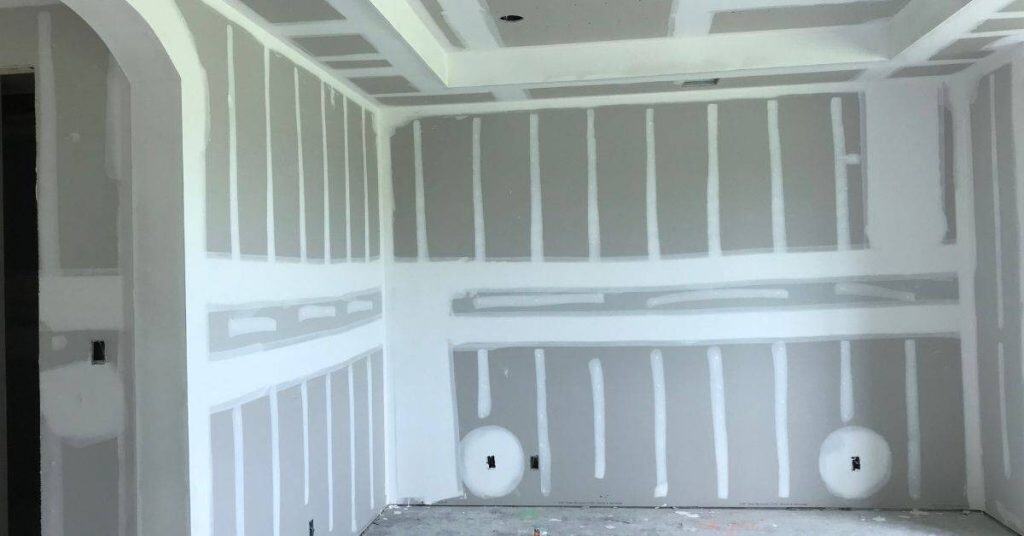
Introduction
Plaster is a cement-based finish applied in a thick coat that hardens into a solid surface. Joint compound is a gypsum-based filler designed for walls and seams. For repairs, choose plaster on traditional, solid surfaces and use joint compound for drywall patches and quick fixes.
In practice, match the material to the repair and the wall type. Always check the product label, manufacturer instructions, and local rules for suitability. If unsure, start with joint compound for a fast patch and seek guidance before proceeding with plaster.
Key takeaways
- Choose plaster for traditional, solid walls; joint compound for quick repairs.
- Prep surfaces by cleaning, dampening dust, and priming where recommended.
- Apply in thin, even layers; allow proper drying between coats.
- Safety: wear eye protection, respirator, and gloves when mixing or sanding.
- Check compatibility with substrates and previous finishes per manufacturer instructions.
- Costs and availability vary by region; local rules affect use.
Table of Contents
- Introduction
- Key takeaways
- What Are Plaster and Joint Compound?
- Strengths and Weaknesses for Repairs
- Which Material for Which Repair Type
- Preparation and Application Differences
- Tools and Materials Checklist
- Drying, Curing, and Timing Considerations
- Cost, Availability, and Environmental Considerations
- Visual Checkpoints and Troubleshooting Common Problems
- Conclusion
- FAQ
What Are Plaster and Joint Compound?
Plaster and joint compound are both used to finish walls, but they come from different families. Plaster typically consists of lime or gypsum plaster that hardens through chemical setting, while joint compound is designed to be spreadable and sands easily. Modern formulations have variations in binders and additives, affecting workability and finish.
In practice, you’ll see several common formulations for each material, with some designed for quick-setting repairs and others for extended work time. Always check the product label or manufacturer data sheet for specifics. If you’re unsure, consult local rules or a supplier to confirm suitability for your wall type.
Types of plaster (lime, gypsum, cement)
Plaster comes in different types, each with its own properties and uses. Let’s look at the main ones:
Lime Plaster: Made from slaked lime and sand, it’s been around for centuries. It’s breathable, meaning it allows moisture to pass through, making it great for historic buildings or areas prone to damp.
Gypsum Plaster: This is what you’ll find in most modern homes. It’s made from gypsum, a mineral that sets quickly and hardens into a strong, smooth finish. It’s ideal for new construction and repairs.
Cement Plaster: Made from cement, sand, and water, this type is durable but not as breathable as lime plaster. It’s often used outdoors or in areas where strength is key.
Types of joint compound (all-purpose, setting-type)
Joint compounds are also available in different types to suit various needs:
All-Purpose Joint Compound: This is your everyday, versatile option. It’s ready-to-use and can be applied with a taping knife. It sets slowly, giving you time to smooth it out.
Setting-Type Joint Compound: This type comes in two parts – the powder (joint compound) and a liquid additive that makes it set faster. It’s great for repairs where speed is important, like when you’re working on multiple rooms or need to paint quickly.
The setting mechanism matters because it affects how long you have to work with the compound before it hardens. All-purpose compounds give you more time, while setting-type compounds are faster but require mixing and can be messier.
Strengths and Weaknesses for Repairs
Plaster tends to form a harder, more brittle surface with strong bonding to traditional lath or drywall paper when applied correctly. Joint compound usually offers better smoothing, easier sanding, and more flexibility for small shifts without cracking. Adhesion, hardness, and shrinkage vary by product, so read the instructions on the label.
Flexibility and sanding behavior are key differences you’ll feel during repairs. Joint compound is generally easier to feather and finish, while plaster can be more durable where a rigid repair is needed. Verify performance claims with the manufacturer instructions and local product data sheets before choosing one for a specific repair.
Durability and impact resistance
When it comes to durability, joint compound is your best bet. It’s tougher and more resistant to damage than plaster.
Plaster, especially lime-based ones, can be quite brittle. They’re great for fine details but not so much for high-traffic areas or walls that take a beating.
Use joint compound on walls that see a lot of action – like hallways, kids’ rooms, or near entryways. It’ll hold up better to bumps and scrapes.
Crack resistance and movement tolerance
Plaster, particularly gypsum-based ones, is more flexible than joint compound. This makes it better at handling building movement and temperature/humidity changes.
Joint compound, on the other hand, is less tolerant to movement. It can crack or shrink over time due to these factors.
Choose plaster for areas prone to cracks – like old homes with settling foundations or rooms subject to big temperature swings.
Which Material for Which Repair Type
For small nail holes or shallow surface blemishes, joint compound is usually sufficient and easier to blend. Deep gouges or edges near corners may benefit from plaster or a patch composed of plaster followed by a joint compound skim. For full re-plastering, use plaster as the finish layer over appropriate backing.
Skim coats and corner repairs often rely on joint compound for a smooth, buildable layer, but some setups require plaster for a true plaster finish. Always verify the recommended repair type with product instructions or a professional if you’re unsure about suitability for your substrate.
Small patches and surface blemishes
For shallow, cosmetic fixes like small nail holes or minor scratches, joint compound is your best bet. It’s lightweight, easy to apply, and sands smoothly.
Plaster isn’t typically used for these repairs because it’s heavier and more labor-intensive. Plus, using plaster for tiny repairs can lead to excess material waste.
Exception: If you’re working on an older home with original plaster walls, use plaster for small repairs to maintain authenticity and avoid compatibility issues.
Deep repairs, filling large voids, and structural cracks
When it comes to deep fills or large voids, plaster is the way to go. It has better bonding strength and can handle deeper layers.
For structural cracks, use a specialty setting-type joint compound designed for such repairs. These compounds have added polymers for enhanced strength.
Proper layering techniques are crucial here. Apply thin layers, allowing each to dry completely before sanding lightly. This helps prevent cracking and ensures a smooth finish.
Preparation and Application Differences
Start with a clean, sound surface and remove loose material. Dull glossy areas with light scuffing to improve adhesion. Mix to the product’s recommended consistency and keep tools clean as you work.
Apply in built-up layers for plaster, with careful attention to shaping and wet-edge work. For joint compound, use thin successive coats and allow each to dry before the next. Check mixing ratios and drying guidance on the label or manufacturer instructions.
Substrate preparation and priming
Before you start mixing concrete or laying mortar, prep your base right. Here’s what you need to do:
Clean the surface. Remove all dirt, debris, and old material. A wire brush can help with tough spots.
Check base compaction. Loose soil can cause issues later on. If it’s too loose, consider having it compacted by a professional.
Use bonding agents or primers. These help your new material stick to the old one. Check product labels for application instructions. Here are some options:
– For concrete: Use a primer designed for concrete surfaces. Apply it evenly with a brush or roller.
– For mortar: Consider using a scratch coat first. This helps create mechanical bond and improves adhesion. Apply it at a thickness of around 1/4″ to 3/8″.
Mixing, applying, and finishing techniques
First things first, always check your concrete mix ratio. It’s usually 1:2:4 (cement:sand:gravel), but check your product label. Now, let’s get mixing:
Use a shovel or a concrete mixer to combine the dry ingredients. Slowly add water while mixing until you reach a consistent, workable consistency. Not too wet, not too dry – think of it like Goldilocks’ porridge.
Now, onto applying. You’ve primed your substrate (if you haven’t, go back and do that), so let’s get this concrete on there:
Start by pouring the mix into the forms. Use a shovel or a concrete rake to spread it evenly. Then, grab your trowel or bullfloat – these are your new best friends. Work the concrete from one end of the slab to the other, using smooth, steady strokes. Remember, you’re not trying to paint a masterpiece here, just get that concrete level and compacted.
Once it’s all spread out, let’s finish this off right:
Grab your edger trowel and work the edges first. This helps prevent cracking. Then, use your bullfloat to smooth out the surface. After that, switch to a steel trowel for a final pass. You want a smooth, consistent finish. If you’re going for an exposed aggregate look, now’s the time to add those pebbles or seeds.
Finally, let’s talk sanding and feathering. This is where you blend the new concrete with the old:
Use a concrete edger to cut control joints at regular intervals – this helps prevent random cracking later on. Then, grab your groover float and work those edges. You want a smooth transition from old to new. If there are any rough spots or high areas, use a concrete grinder or sander to feather them down.

Tools and Materials Checklist
Common tools include trowels, knives, sanding blocks, a mud pan, and a mixer or drill with a paddle attachment. For plaster, you may need a hawk, a plastering trowel, and possibly a sandbag or lath material depending on the substrate. Have a damp sponge handy for smoothing edges.
Safety gear like eye protection, a dust mask, and gloves are essential. Depending on the job, you might need specialty items such as corner tapes, plaster bonding agents, or setting-type compounds. Always check the product instructions for any additional tools or safety requirements.
Common tools for joint compound jobs
Before you start applying joint compound to your drywall seams and corners, make sure you have all the necessary tools. Use this checklist to ensure you’re well-prepared.
- Taping Knife (4″ or 6″): Check for a sharp edge; run your thumb along it to feel for any nicks. A dull knife can cause uneven application and damage the joint tape.
- Hawk: Ensure it’s clean and free of old compound; wipe with a damp cloth if needed. A dirty hawk can contaminate your fresh mix, leading to poor adhesion.
- Sanding Blocks (12″ x 9″ or 18″ x 7″): Check for even wear and tear; replace if they’re too thin or uneven. Uneven blocks can cause inconsistent sanding results.
- Mixing Paddle (for drill): Make sure it’s the correct size for your bucket; check manufacturer guidelines. An improperly sized paddle can lead to under- or over-mixing, affecting compound consistency.
- Joint Compound: Check the label for type (lightweight, all-purpose, etc.) and expiration date. Using expired or wrong-type compound can result in weak joints that crack or crumble.
- Joint Tape: Inspect for tears or weak spots; discard if damaged. Damaged tape can lead to weak joints with reduced durability.
- Safety Glasses: Check for any cracks or damage; replace if necessary. Wearing damaged safety glasses can compromise your eye protection during sanding.
- Dust Mask: Ensure it fits well and is in good condition. A poor-fitting mask can allow dust to enter, causing discomfort or health issues.
Quick rule: Always inspect your tools before starting a job. Using damaged or improper tools can lead to rework, delays, and additional costs.