

Introduction
Cement plaster is typically safer in shower areas because it resists moisture better than gypsum.
It dries hard and handles moisture and humidity in wet zones better. Choose cement plaster for areas that get a lot of splash, and always follow the product label and local building guidance. Check that the substrate is sound, the area is properly waterproofed, and you use the right mix and curing steps as recommended. If in doubt, ask for the specific instructions from the manufacturer or a local pro and verify with your local code requirements.
Key takeaways
- Cement plaster generally offers greater moisture resistance than gypsum in shower areas.
- Verify product labels and manufacturer guidelines before installation in wet zones.
- Prepare surfaces thoroughly, use waterproofing, and wear PPE to prevent skin irritation.
- Cement plaster choices require compatible waterproofing membranes and appropriate curing practices.
- Gypsum may be acceptable in controlled, non-wet areas or with protective detailing.
- Follow code standards and consult local inspectors for shower plaster installations.
Table of Contents
- Introduction
- Key takeaways
- Quick Comparison: Cement Plaster Vs Gypsum for Showers
- How Moisture and Wet-Use Conditions Affect Plaster Performance
- Common Shower Scenarios Where Cement Plaster Is the Safer Choice
- Situations Where Gypsum May Still Be Acceptable
- Installation Best Practices for Using Cement Plaster in Showers
- Surface Preparation and Waterproofing Strategies
- Material Specs, Standards and Code Considerations
- Tools, Materials and PPE Checklist for Diyers and Professionals
- Conclusion
- FAQ
Quick Comparison: Cement Plaster Vs Gypsum for Showers
Cement plaster is typically more durable in wet areas and can tolerate higher moisture levels with the right backing and waterproofing. Gypsum systems are often lighter and easier to install, but depend more on complete enclosure and moisture control. The practical choice comes down to exposure, maintenance willingness, and the accuracy of the substrate preparation.
Use this quick checklist to decide: check the shower’s ventilation, confirm waterproofing details, evaluate anticipated water contact, and review system compatibility with tile and drains. If moisture and wear are ongoing concerns, cement plaster with proper membranes is usually safer. If the space is well sealed and you can maintain it, gypsum may be acceptable under approved assemblies.
Key material differences
The choice between cement and gypsum plasters affects your shower’s performance, durability, and appearance.
- Moisture Resistance: Cement plaster is more water-resistant. Gypsum absorbs moisture, leading to staining and mildew growth.
- Adhesion: Both adhere well but cement has better grip on concrete and masonry substrates. Gypsum sticks best to drywall.
- Durability: Cement plaster lasts longer due to its higher compressive strength. Gypsum can crack or crumble over time.
- Cracking: Gypsum is more prone to cracking during drying or settling. Cement is less likely to crack but may show hairline cracks.
- Finish: Cement plaster offers a rougher, more textured finish suitable for industrial or rustic styles. Gypsum provides a smoother, more refined look.
Quick decision checklist
Use this checklist to decide between cement and gypsum plasters for your shower.
- Environment: Check if the area is prone to high humidity or water exposure. Cement is better in damp conditions.
- Ventilation: Assess natural and mechanical ventilation. Gypsum needs good airflow to prevent mold growth.
- Finish Type: Consider your desired aesthetic. Cement offers a rougher finish, gypsum is smoother.
- Waterproofing Strategy: Plan for waterproofing and tiling. Cement plaster can be used with most systems but may require additional preparation.
- Substrate: Identify the base material. Cement adheres better to concrete, gypsum to drywall.
- Budget: Compare costs. Cement is generally more expensive but lasts longer.
- Timeframe: Consider project timeline. Gypsum dries faster but cement may require additional curing time.
- Maintenance: Think about long-term care. Cement requires less maintenance but may show signs of aging over time.
Quick rule: If you’re unsure, lean towards cement plaster for its superior moisture resistance and durability.
How Moisture and Wet-Use Conditions Affect Plaster Performance
Water exposure and high humidity attack plaster assemblies by softening binders and encouraging failures at joints. Repeated wetting and drying cycles push moisture deeper, which can lead to delamination and cracking. The speed of those failures depends on the system, venting, and drainage quality.
Practical outcomes to watch for include mold growth in damp niches and efflorescence on surfaces where minerals migrate through the substrate. A well-sealed, continuous membrane and proper drain detail dramatically reduce these risks, but they must be part of the design from the start. Always verify that the chosen materials and details align with the expected wet conditions.
Gypsum susceptibility in wet environments
Gypsum plaster, often used in dry areas, isn’t cut out for shower spaces. Here’s why:
When water hits gypsum, it absorbs it like a sponge. This makes the plaster soft and weak over time.
Worse yet, this moisture creates an ideal environment for mold to grow. Even if you seal the surface, water can still get in through cracks or porous areas.
Cement plaster behavior under moisture exposure
Cement plaster is a different story. It’s designed to handle wet conditions:
When water hits cement plaster, it doesn’t absorb as much as gypsum. This means it stays stronger and more stable.
However, prolonged exposure can lead to issues like cracking or efflorescence – a white, powdery deposit on the surface. But these are minor compared to gypsum’s problems in wet areas.
Common Shower Scenarios Where Cement Plaster Is the Safer Choice
Showers with ongoing moisture exposure and limited airflow benefit from cement-based systems that tolerate wetter environments. Barrierless wet rooms and showers without reliable water management require robust moisture resistance. In tiled curbless configurations, cement plaster helps maintain edge durability and reduces cracking risk.
Continuous wetting and poor ventilation are clear indicators to favor cement plasters. Confirm that the chosen assembly includes appropriate waterproof membranes and proper detailing at drains and transitions. Make sure the installation plan addresses expected water exposure and maintenance needs.
Continuously wet or high-traffic showers
In showers that see constant water exposure, like those in busy hotels or homes with large families, cement plaster is the better choice. Why?
Cement plaster doesn’t absorb water as much as gypsum. This means it’s less likely to swell and crack over time.
Plus, cement plaster can handle more traffic without showing wear and tear as quickly. So, it’s a safer bet for high-traffic areas.
Poorly ventilated bathrooms and commercial showers
In spaces with poor ventilation, like small bathrooms or commercial shower areas, moisture lingers. This can cause problems for gypsum plaster.
Gypsum doesn’t like to stay wet. It can lose its structural integrity over time in poorly ventilated conditions.
Cement plaster, on the other hand, is more tolerant of damp conditions. It won’t crumble or delaminate as easily when it’s not drying out quickly.
Wet rooms and barrier-free (curbless) showers
In wet rooms or curbless showers, waterproofing is crucial. Here’s why cement plaster is often recommended:
Cement plaster can be applied directly to waterproof membranes, creating a seamless, integrated system. This reduces the risk of leaks and makes maintenance easier.
Plus, cement plaster can handle some water exposure on its surface without issue. So, it’s well-suited for these types of shower designs where water may splash onto the walls.
Situations Where Gypsum May Still Be Acceptable
Gypsum can be viable in controlled, fully waterproofed tile assemblies or when using prefabricated wet panels with proven moisture barriers. The key is that the system is designed to isolate gypsum from direct water contact and condensation. Isolation details and manufacturer guidance must be followed closely.
Correct detailing, substrate prep, and compatibility with sealants and membranes are essential. Always check the product data sheet and local code requirements to ensure gypsum is permitted in your specific shower design and climate. If in doubt, consult the membrane supplier for approved configurations.
Tile assemblies with full waterproofing
Gypsum can be used behind tile in shower areas if the assembly is fully waterproofed. This means installing a proper membrane system that isolates the gypsum from moisture.
Here’s how to do it:
Step 1: Apply a waterproof membrane directly onto the concrete or existing wall surface.
Step 2: Ensure the membrane overlaps all seams and extends at least 6 inches up the walls and around any fixtures.
Step 3: Install cement board over the membrane, securing it with screws designed for waterproofing applications.
Prefabricated or manufacturer-specified assemblies
Some shower units or systems are prefabricated and specify the use of gypsum-compatible materials. In these cases, using gypsum as directed by the manufacturer’s instructions may be acceptable.
Here’s why:
The manufacturers have tested their systems under controlled conditions and warrant that their products will perform as expected when installed correctly. This includes using specific materials like gypsum in certain parts of the assembly.
Note: Always check the manufacturer’s instructions and warranty information before proceeding with any installation. If you’re unsure, consult a professional installer or contact the manufacturer directly.
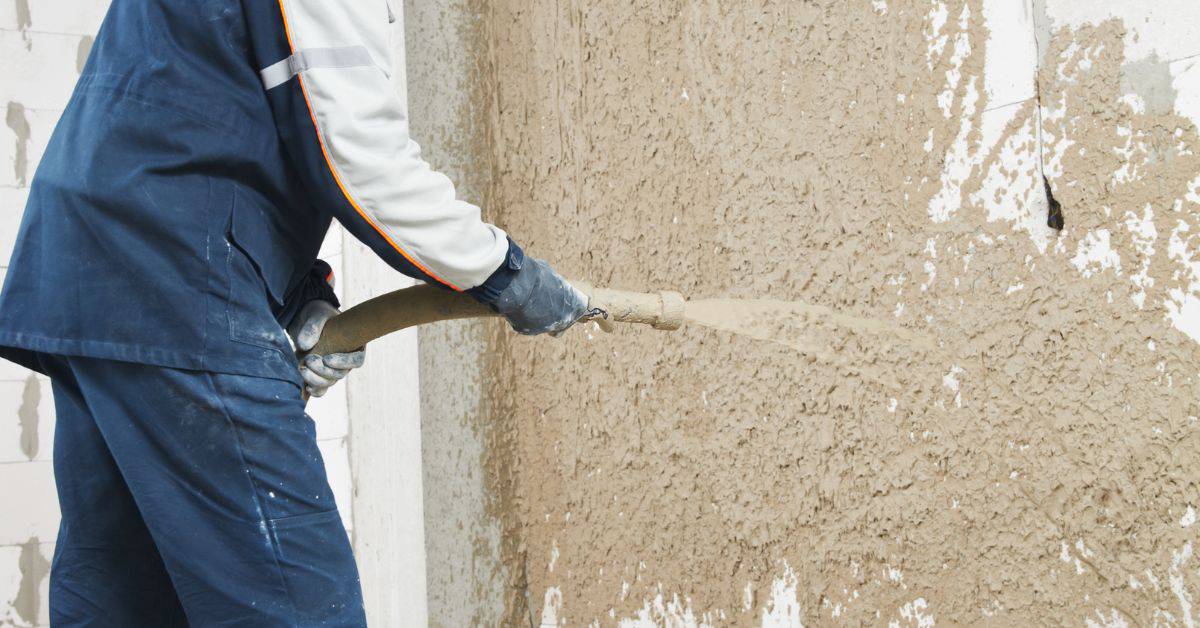
Installation Best Practices for Using Cement Plaster in Showers
Plan the sequence to keep water away from unfinished areas and ensure proper curing conditions. Use a continuous waterproofing membrane beneath the plaster and at all joints. Pay close attention to drain liners, curb details, and transitions to tile or panels.
Avoid common mistakes like skipping substrate prep, improper bonding, or inadequate waterproofing coverage. Follow manufacturer instructions for mixing, application thickness, and cure time, and verify local requirements before proceeding. Regularly inspect for cracks and fix promptly to prevent water ingress.
Substrate assessment and preparation
Before you start slapping on that cement plaster, you gotta make sure your shower’s ready for it. Here’s what you need to do:
Check base compaction. Make sure the concrete or plywood base is solid and doesn’t give when you walk on it. If it’s soft or bouncy, get it fixed before proceeding.
Give your substrate a good clean. Remove any dust, dirt, or old paint with a wire brush or scraper. A clean surface ensures better bonding.
Inspect for damage. Look out for cracks, holes, or other defects. Fill them up using a suitable patching compound before applying the plaster.
Now, grab that bonding primer. Apply it evenly over the prepared substrate to improve adhesion and prevent delamination. Follow the manufacturer’s instructions on how much and how often to apply.
Layering, Application Technique and Curing Control
Now that your substrate is prepped (check here if unsure), let’s get the cement plaster on. Here’s how to layer it right:
Layering: Apply in thin layers, around 3/8″ thick each time. Thicker layers can crack as they dry. Use a straight edge trowel for even application.
Application Technique: Work from the top down to avoid stepping on wet plaster. St