

Introduction
Planning a plaster skim job is outlining which walls to skim, choosing sample walls to test finishes, and setting up staging areas to keep the work organized. It helps prevent scope creep by defining what work is in scope and what isn’t. Start by walking the space and noting surface condition, then map a simple sequence for work days.
Before skim coat, assess substrate, repair cracks, and plan priming and sealing steps. Choosing a finish for plaster and drywall, and deciding which walls to test with sample finishes helps you avoid rework. Keep the plan flexible but documented, and check product labels and manufacturer guidance for prep, primer, and application limits.
Key takeaways
- Assess walls for skim suitability: repaired plaster, existing texture, and vibration-free surfaces.
- Prepare surfaces with cleaning, dust removal, and sealing before primer or skim coat.
- Safety: wear eye protection, mask, and dust containment when sanding or scraping.
- Choose plaster-compatible products and follow manufacturer instructions for bonding and curing.
- Staging: cover belongings, seal doors, and protect floors to reduce debris spread.
- Plan timeline and budget early to minimize scope creep and rework.
Table of Contents
- Introduction
- Key takeaways
- When to Skim — Identifying Walls That Need a Plaster Skim
- Surface Preparation Essentials Before Skimming
- Materials, Product Choices, and Safety
- Step-by-Step Skim Job Workflow for Beginners
- Staging Rooms and Protecting Contents During Work
- Choosing Finishes and Paint After Skimming
- Timeline, Cost Drivers, and Budgeting for a Skim Project
- Avoiding Scope Creep and Managing the Project Like a Pro
- Conclusion
- FAQ
When to Skim — Identifying Walls That Need a Plaster Skim
Evaluate walls for clear triggers that justify a skim coat, such as surface damage that penetrates the texture, texture mismatch with surrounding finishes, or repeated patching that signals underlying adhesion issues. Look for water or staining problems that may compromise a future finish if left untreated. Prioritize rooms by usage and visibility to maximize impact and save time over spot repairs.
Use a simple inspection checklist to score flatness, adhesion signs, crack width, and moisture indicators. Note which walls show the strongest need for a uniform finish and which can be deferred. Align skim sequencing with room function and project timeline to prevent scope creep and unnecessary rework.
Visual and Tactile Signs to Inspect
Begin your inspection by visually examining walls for signs of damage. Look out for:
- Cracking: Hairline cracks are usually harmless, but wider ones may indicate structural issues.
- Ridges and flashing: These occur when previous repairs were not blended smoothly with the existing surface.
- Soft or powdery areas: Gentle pressure can reveal soft spots that might crumble under more force, indicating delamination.
Use raking light (angled light from a low position) to accentuate defects and touch walls to feel for any unexpected texture changes.
Test Patches and Sample Walls
Before committing to a full-room skim, perform small test patches in representative areas. This helps assess:
- Adhesion: Check if the new plaster adheres well to the existing surface.
- Finish: Ensure the sample matches your desired final look.
- Justification for full-room skim: If the test patch looks significantly better than the rest of the room, a full skim may be warranted.
Choose spots that are not too visible or high-traffic to avoid damaging the test patches during daily use. Always follow manufacturer instructions when preparing your test samples.
Surface Preparation Essentials Before Skimming
Assess the surface for compatibility with a skim coat by identifying loose material, old coatings that may delaminate, and any failed repairs. Establish pass/fail criteria to decide when to proceed. Ensure the substrate looks sound before committing to a full skim.
Plan repairs to cracks and gouges, specify patching methods, and verify repairs are dry and level. Address moisture issues and schedule a barrier or primer if readings indicate a need. Create a clean, dry base with proper surface conditioning to prevent future failures.
Repairing cracks, holes, and weak plaster
Begin by inspecting your walls for any cracks, holes, or weak spots. These can compromise the adhesion of your skim coat.
Cracks: If they are narrow, use a suitable filler to stabilize them. For wide or deep cracks, consider substrate replacement or reinforcement with mesh or fiberglass to ensure structural integrity.
Holes: Use appropriate patching compounds for large or irregular holes. Ensure repairs are level with surrounding surfaces to maintain a smooth finish.
After making repairs, re-inspect the area to confirm adhesion and levelness before proceeding with your skim coat application.
Cleaning, bonding, and priming surfaces
Thoroughly clean your surfaces to remove all dust, oil, grease, and loose paint. This ensures optimal adhesion of your skim coat.
Bonding: If your surface is porous or absorptive, apply a suitable bonding agent or primer to promote adhesion with the chosen skim material.
Priming: Choose a primer suited to your substrate (plaster, drywall, concrete) and compatible with your skim coat. Plan for edge detailing, feathering, and note required cure time if applicable.
Before applying your skim coat, re-inspect the surface to ensure it’s completely clean and dry to prevent any adhesion issues.
Materials, Product Choices, and Safety
Identify suitable skim products for different substrates, and match material choice to concrete, plaster, or drywall conditions, as well as porosity and humidity. Consider how substrate temperature and ventilation affect product performance when selecting a skim system. Follow manufacturer guidance for best results.
Prepare the surface with appropriate cleaning, bonding aids, and a keying strategy to promote adhesion. Use simple tests to confirm bonding before proceeding with full application. Prioritize safety by using PPE and controlling dust per instructions from the product manufacturer.
Plaster Types and Where to Use Them
When choosing a plaster, consider its intended use and the substrate’s condition.
Skim Plasters, such as Thistle MultiFinish or British Gypsum’s Topcel, are commonly used for internal walls. They provide a smooth finish and can be applied in one or two coats depending on the surface’s condition. Use them over clean, dry surfaces to ensure proper adhesion.
For moisture-prone areas like bathrooms or kitchens, consider using Mould-Resistant Plasters, such as ThistlePro PureFinish or Knauf’s MultiFix MR. These plasters have added fungicides to prevent mould growth. Always check the product label for specific application guidelines and suitability in your project.
When applying skim plaster over boarded surfaces, it’s crucial to use a Bonding Agent or Primer, like Thistle Bond-it or British Gypsum’s Gyplok Bond, to ensure proper adhesion. This step is especially important for porous substrates like concrete or plywood.
Tools, PPE, and safety checklist
The following tools are essential for applying a plaster skim coat. They ensure smooth application, even coverage, and job site safety.
- Trowel (4″ – 12″): Used to apply and spread the plaster. Different sizes allow for various tasks; larger trowels are optional but helpful for wider surfaces.
- Hawk: Holds the plaster while you’re working, keeping your hands clean. It’s essential for efficient application.
- Plaster Mixer: Ensures consistent mixing and prevents lumps. A drill mixer with a paddle attachment is recommended for larger quantities.
- Sanding Tools (e.g., Orbital Sander): Optional but helpful for smoothing the final finish. Choose one with a suitable grit (e.g., 120-150) and use it after the plaster has fully dried.
- Dust Mask: Essential for protecting against plaster dust, which can cause respiratory irritation. Choose one rated N95 or higher.
- Goggles: Protects eyes from dust and debris. Safety glasses with side shields are recommended.
- Gloves: Optional but helpful for protecting hands from plaster and potential contaminants on the surface.
- Drop Cloth/Tarp: Covers the floor to protect it from drips and spills. It’s essential for easy cleanup.
- Ladder/Platform: For reaching high surfaces, a stable ladder or platform is crucial for safety and proper application.
Pro tip: Consider renting larger tools like mixers and sanders if you don’t plan to use them frequently. This can save you money on equipment you might not need often.
Step-by-Step Skim Job Workflow for Beginners
This step-by-step workflow guides a beginner from prep and setup through mixing, application, finishing, and final inspection, with decision points to call a pro if moisture, cracks, or adhesion issues arise. It stresses thorough surface preparation and choosing the right skim coat for plaster or drywall, plus a core list of tools, materials, and interim checks. It also emphasizes keeping an eye on dry and cure cues to know when to proceed.
Knowing the sequence helps prevent scope creep and wasted effort, especially in staging rooms where dust containment and cleanup matter. Interim checks provide early warning signs like cracking or uneven hardness and help you decide when to pause or escalate to a professional. A quick routine like a gentle firmness test and a pro-style inspection follow-up keeps progress reliable and reduces surprises.
Step-by-Step Process
The following sequence guides you through a practical skim job workflow for beginners, from preparation to final checks.
- Preparation and Safety: Review tools, materials, and safety gear. Ensure the area is well-ventilated and free of moisture issues; if unsure, consult a professional.
- Surface Preparation: Clean, patch, prime, and assess moisture levels as previously detailed in this guide.
- Mixing Skim Coat: Follow product instructions for mixing ratios and techniques. Inspect mixed plaster for lumps or inconsistencies before application.
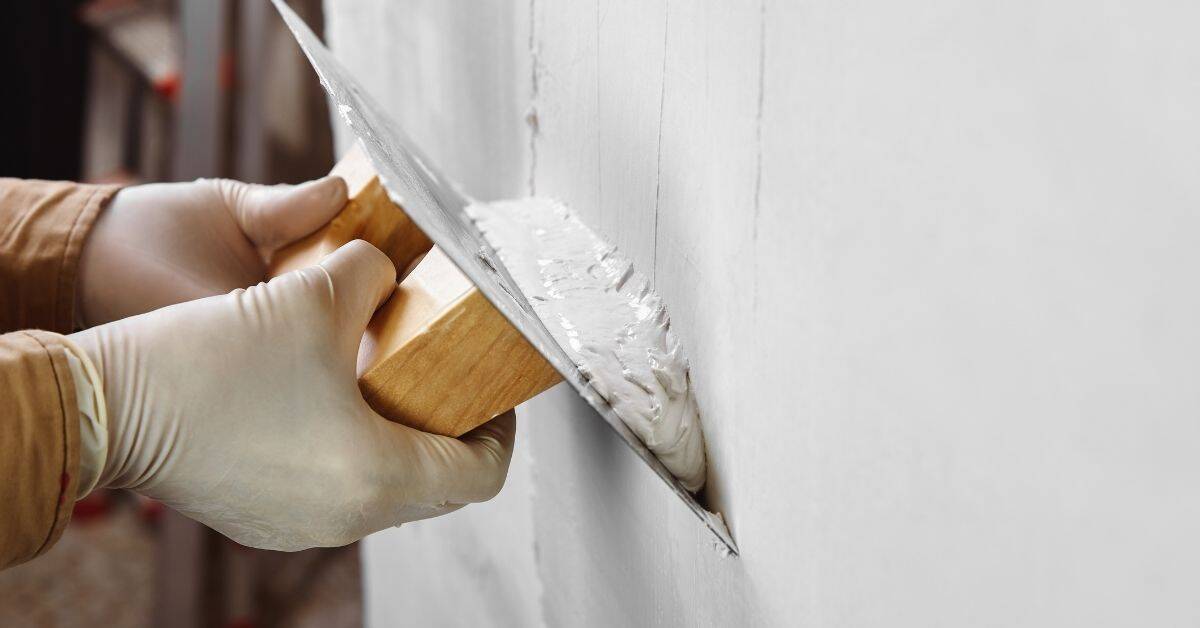
- Application: Apply the skim coat using trowels and hawks, feathering edges to avoid cracking or sags. Pause if cracks or adhesion issues appear; assess and consider calling a pro if unsure.
- Finishing Touches: Allow the plaster to dry according to product specifications. Inspect for any missed spots or imperfections before proceeding with sanding.
- Cleanup and Final Checks: Clean tools, remove protective gear, and perform a final visual inspection. If satisfied, proceed with priming and painting; if not, reassess your work and consider professional help.
Mixing, applying, and levelling the skim coat
Achieving a consistent mix consistency and smooth first pass is crucial for a professional-looking finish. Here’s how to do it:
Mixing: Follow manufacturer instructions for mixing ratios and techniques. Inspect mixed plaster for lumps or inconsistencies before application.
Application: Use trowels and hawks to apply the skim coat, ensuring even coverage. Feather edges to avoid cracking or sags. If cracks or adhesion issues appear during application, pause, assess, and consider calling a pro if unsure.
Levelling: Use a straight edge or guide to level the plaster, ensuring consistent thickness across the surface. Allow the plaster to set slightly before moving on to the next step.
Drying, sanding, and inspection checkpoints
Before proceeding with primer and paint, ensure your skim coat is fully cured, smooth, and ready for the next step. Use this checklist to confirm:
- Hardness Check: Test the surface with gentle pressure. It should feel firm and not give way under light touch.
- Dust Release: Gently wipe the surface with a damp cloth. If dust comes off easily, it’s ready for sanding; if not, allow more drying time.
- Visual Uniformity: Inspect the surface for any imperfections, missed spots, or inconsistencies in coverage.
- Crack and Sag Check: Look for signs of cracking or sags. If present, reassess application technique and consider calling a pro if unsure.
- Moisture Check: Perform a final moisture check to ensure no hidden issues remain.
Quick rule: If any checks fail, reassess your work, allow more drying time if necessary, and consider professional help before proceeding with primer and paint.
Staging Rooms and Protecting Contents During Work
Plan which rooms and surfaces are included, what needs protection, and how access will be managed to prevent scope creep. Define protective layout with furniture moving protocols, coverings, and dust barriers to keep work contained.
Set up a dedicated staging area for tools and establish a single entry point to limit cross-contamination. Provide occupant communication and a daily update plan to support livability during multi-room work. Common mistake: not securing loose items before starting; fix by using painter’s tape and plastic sheeting.
Moving furniture and creating work zones
Begin by prioritizing items for movement. Focus on those closest to the work area first, as they’re most at risk from dust and debris.
Inspect each item for fragility or value; these may require extra care or temporary storage. If items are too heavy or awkward to move safely, consider hiring professional movers.
Create protected zones using drop cloths, plastic sheeting, or painter’s film. Ensure they’re secure and won’t topple during work. If damage occurs, document it immediately and address with your project manager.
Dust control, ventilation, and cleanup strategies
The key to minimizing dust migration is effective containment. Use plastic sheeting to seal off work areas from the rest of the house.
Regularly inspect barriers for gaps or leaks. If negative air pressure systems aren’t available, supplement with portable HEPA filtration devices. Ensure all containment methods are properly installed and functioning.
Implement daily cleanup routines to limit dust buildup. Sweep, vacuum, and mop work areas at the end of each day. Dispose of waste according to local regulations, ensuring it doesn’t contaminate other waste streams.
Choosing Finishes and Paint After Skimming
Match paint performance to room function, focusing on washability, moisture resistance, and stain-blocking needs. Use finishes that align with how the skim layer is expected to perform in each space. Test finishes on sample walls to confirm compatibility with the skim.
Explain how primers differ for skimmed surfaces versus bare drywall or patched areas, including bonding and stain-blocking options. Provide a practical workflow for testing and evaluating finishes under typical lighting conditions before committing to a full coat.
Sheen, Washability, and Room-Specific Recommendations
Choosing the right paint sheen is crucial for durability and aesthetics. Consider your room’s function and usage patterns when selecting a finish.
High-traffic areas like kitchens and bathrooms benefit from semi-gloss or satin sheens. These offer better washability and durability against moisture and frequent cleaning.
Living spaces, such as bedrooms and living rooms, typically require eggshell or low-luster sheens. These provide subtle reflection and are easy to maintain. Re-evaluate your finish choices if initial selections prove inadequate for the room’s function.
Primer and Paint Compatibility with Skim Coats
Selecting the right primer is essential for even adhesion, stain-blocking, and optimal finish. Ensure your primer is suitable for fresh skim coats.
If your skimmed surface shows stains or imperfections, use a stain-blocking primer to seal it before painting. If the skim coat is freshly applied and porous, apply a bonding primer to enhance adhesion and even out the surface.
Always review product labels and datasheets for intended use and performance claims. Re-prime the surface if initial application does not meet expectations or causes issues with final paint.
Timeline, Cost Drivers, and Budgeting for a Skim Project
Introduction
Begin by clarifying the project’s scope and phases: assessment, preparation, application of skim coats, sanding, and final finish. Allocate realistic timeframes, including buffers for drying, curing, and potential delays. Identify key duration and cost influencers such as room size, surface condition, number of coats, substrate repairs, masking and priming needs, access limitations, ventilation, temperature and humidity control, and cleanup requirements.
Establish a practical costing structure covering material quantities, labor hours, equipment rental, dust containment, waste disposal, and a reasonable contingency. Distinguish between fixed and variable costs. To estimate without fixed prices, list assumptions, break tasks down per room or wall, and plan for multiple quotes with clearly documented bases.
Adopt a budgeting strategy that includes risk contingencies, phased work as needed, and a clear change-order process to manage scope creep. Maintain a simple timeline planning checklist, including photos or measurements, surface condition notes, required preparation, number of coats, drying windows, and final inspection. Conduct a quick on-site check for room sizes, damage, and access.
Typical phases and milestones to plan around
The skim coat project can be broken down into several distinct phases. Understanding these helps manage expectations and arrange access.
Preparation: This includes assessing the surface condition, repairing any damage, masking areas not to be worked on, and setting up dust containment.
Skimming: The actual application of the skim coat occurs here. Depending on the surface condition, this may require multiple coats with drying times in between.
Drying and Curing: After skimming, the applied material needs time to dry and cure. This can take anywhere from a few hours to several days, depending on temperature, humidity, and other factors.
Sanding: Once dried, the skim coat is sanded smooth using fine-grit sandpaper. This step may require multiple passes with different grits.
Priming: After sanding, a primer is applied to seal the surface and improve paint adhesion.
Painting: Finally, the skimmed surface is painted with the desired finish. It’s crucial to cross-check this plan with your contractor or supplier to ensure no critical steps are missed. If additional work like repairs is required, include it in your project scope and timeline.
Cost drivers and how to estimate a budget
Several factors significantly impact the cost of a skim coat project. Identifying these helps create realistic budgets.
Labor: The primary cost driver is labor. This includes both the time spent on preparation, skimming, sanding, priming, and painting, as well as any additional work like repairs.
Materials: The cost of materials such as skim coat mix, primer, paint, sandpaper, and other supplies also contributes significantly to the total cost. These should be itemised in quotes to avoid surprises.
Access and Height: If the areas to be skimmed are hard to access or at height, additional costs may be incurred for scaffolding, safety equipment, or specialized labor.
Waste Removal: The disposal of waste materials like sanding dust and old paint can add to the project cost. Some contractors include this in their quote, while others charge separately.
Repairs: If any damage is found during preparation that needs repairing before skimming, these costs should be factored into your budget. When comparing quotes, ensure consistency in how these cost drivers are allocated. If a quote seems too good to be true or lacks detail, request a more detailed breakdown or consider another contractor.
Avoiding Scope Creep and Managing the Project Like a Pro
Codify project scope by listing included and excluded work to prevent ambiguity later—for example, what constitutes skim versus broader repairs. Attach reference finishes and acceptance criteria to guide execution. Keep the scope explicit to deter mid-project changes.
Use a formal change-request process and simple contracts with milestones and sign-offs. Maintain a clear communication plan with progress checks, decision logs, and escalation paths. Build in contingencies and define how changes affect schedule and budget to maintain momentum without sacrificing quality.
Defining scope, change orders, and acceptance criteria
Begin by clearly outlining the project’s boundaries. List what is included in your plaster skim job, such as surface preparation, skim coat thickness, number of passes, and curing times.
Exclude items that are not part of your service, like repairs beyond skim or decorative finishes. This helps manage client expectations and prevents misunderstandings later on.
Quick check: Cross-check with the client to ensure there’s no ambiguity in the scope. If it is ambiguous or incomplete, revise and reconfirm with the client.
Communication, scheduling checkpoints, and quality sign-off
Establish regular communication to maintain transparency throughout the project. Use this checklist to guide your progress:
- Regular on-site reviews: Schedule these at key milestones to discuss progress and address any issues.
- Two-way status updates: Keep both parties informed about the project’s status, including any delays or setbacks.
- Decision logs: Record all decisions made during the project to ensure accountability and prevent misunderstandings.
- Escalation paths for issues: Establish clear procedures for resolving disputes promptly.
- Reference photos or mock-ups: Use these to guide execution and client approval, ensuring both parties are on the same page regarding finish specs.
- Final sign-off process: Once work is complete, follow a structured sign-off process to confirm both parties accept the finished work.
Quick rule: Always document and address any discrepancies promptly to avoid misunderstandings or disputes.
Conclusion
The skim work matters for long-lasting results, and approaching it with care protects safety, durability, and appearance in the finished walls. Maintain a calm, steady pace and verify that each step is ready before moving on to the next.
First, assess the walls for skim needs, plan the staging and protection, select suitable materials with safety in mind, and then follow the workflow in sequence: prep, skim application, curing, and gentle surface finish checks; protect contents, monitor ventilation, and keep to a realistic timeline and budget as you proceed. Safety first governs every decision, from mask and eye protection to securing items in hallways or rooms not being skimmed.
Common mistakes to avoid include skipping moisture and adhesion tests, rushing surface prep or skim layers, and neglecting ventilation or protection for nearby surfaces. Always test in a small area first to confirm adhesion and drying behavior, and protect adjacent finishes to prevent stains or bond failures. Use manufacturer instructions as the baseline for material use, mixing ratios, and curing times, and do not over-wet plaster or force quick dry.
If walls show unusual damage, persistent damp, structural concerns, or you encounter projects beyond your comfort zone, it makes sense to call a professional rather than press on. When you finish, you should feel confident about the next steps: confirm proper curing, plan the finishing stage, and proceed to paint with careful, even coats—staying mindful of safety and avoiding costly callbacks.
FAQ
What signs indicate your walls need painting after a plaster skim?
Uneven color, patchy coverage, or visible patches can show the finish needs a coat of paint. Surface texture differences and sheen variation may also indicate it is time to refresh. If you see moisture staining or small cracks, address those before painting.
Why consider hiring professional painters for a plaster skim project?
Professionals bring experience with surface prep and consistent finishing. They can help minimize issues like uneven sheen or lap marks. They also handle cleanup and protect surrounding areas during the work.
How should you prepare walls and prime before painting after skimming?
Repair any surface imperfections and ensure the skim is fully dry. Use a compatible primer based on the wall material and finish you plan, then test a small area for adhesion and color. Follow manufacturer instructions for drying times and recoat windows.
How do you choose paint and finish to avoid common problems like flashing, lap marks, and roller marks?
Pick a paint type and sheen suited to the wall material and room use, then apply evenly with an appropriate roller or brush. Use proper technique and allow sufficient drying time between coats. If unsure, check product labels for guidance on application and compatible primers.