

Introduction
Painting over powder coat means applying paint directly on a powder-coated surface after proper prep. It can work, but only if the surface is clean, sound, and properly prepared. If you’re unsure, check the primer and paint labels for compatibility and follow local rules.
Prep should start with a thorough cleaning, roughing the gloss, and removing any oils or waxes. Then use a compatible primer and let it dry per the manufacturer’s guidance before painting. Always test adhesion on a small area first and consult product instructions for any limitations.
Key takeaways
- Assess surface for powder finish compatibility before choosing primers or paints.
- Follow manufacturer guidance; test adhesion on a small area first.
- Thoroughly clean and degrease; remove dust, oils, and contaminants thoroughly.
- Wear respirator and gloves; avoid breathing fumes and skin contact.
- Use compatible primer and paint designed for metal and coated surfaces.
- Protect surrounding finishes; mask edges and cure areas during painting.
- Inspect adhesion post-cure; perform light scrape test to confirm bond.
Table of Contents
- Introduction
- Key takeaways
- When Painting over Powder Coat Is Possible
- When You Should NOT Paint over Powder Coat
- Tools and Materials Checklist
- Surface Preparation Step-by-Step
- Choosing the Right Primer and Paint
- Application and Curing Best Practices
- Visual Checkpoints and Adhesion Tests
- Troubleshooting, Durability, and Maintenance
- Conclusion
- FAQ
When Painting over Powder Coat Is Possible
There are scenarios where a painted finish on powder-coated metal can work well. Look for a smooth, intact surface with no active corrosion or flaking. The coating type and the intended use will guide whether this is cosmetic or if a full strip and recoat is safer.
Verify with the product label or technical data sheet to confirm compatibility and prep requirements. If the powder coat shows deep damage or peeling, consider stripping and recoating instead. When in doubt, check with the manufacturer’s instructions for guidance specific to your coating system.
Compatible powder coat types and surfaces
Some powder coats can be painted over, but it depends on the formulation. Epoxy and polyester powders usually accept overcoats best.
Check manufacturer info or do a small test panel to confirm compatibility:
- Apply a primer first, then your new paint.
- Observe for any adverse reactions (e.g., blistering).
Condition assessments that permit repainting
Before painting, inspect the surface:
- Check adhesion: Gently scratch with a coin or nail. If powder comes off, it’s not ready.
- Look for blistering: Feel and see if there are any bubbles or lifting.
- Inspect corrosion: Check for rust. Even small spots can cause issues later.
When You Should NOT Paint over Powder Coat
Hesitate to paint over powder coat on parts that see heavy wear or structural load. Visible delamination, creaking, or active corrosion are clear flags to stop and assess. Safety-critical components should be inspected or removed from service before any coating change.
For questionable cases, seek a professional evaluation or follow a full stripping and recoat approach. Always consult product data sheets and local codes to determine the right path for your project. If in doubt, document conditions and get a second opinion from a coating supplier or applicator.
Structural, safety, and high-wear parts
Powder coat protects components from wear, tear, and corrosion. Don’t paint over it on:
Structural parts: Bear loads or support weight. Original-spec coatings ensure strength.
Safety-critical parts: Like brakes, steering, or safety equipment. Precision tolerances need professional stripping and recoating.
High-wear parts: Such as engine components, exhausts, or wheels. They need robust protection that painting can’t provide.
Signs that indicate full removal is necessary
Before you paint, inspect the powder coat for these signs of failure:
Deep rust: If it’s eating through the coating, remove and treat the rust before recoating.
Flaking or delamination: Large areas peeling off mean the old coat needs to go.
Bubbling: Trapped moisture under the powder coat indicates a problem that painting won’t fix.
Contamination: Dirt, grease, or other contaminants can prevent adhesion. Clean and remove the old coat if necessary.
Tools and Materials Checklist
Start with a practical set of hand tools, abrasives, and cleaners suited to the project size. Include a surface cleaner, safe degreaser, and appropriate abrasives for powder coat adhesion. Have primers and topcoats that state compatibility with powder-coated substrates.
Always read product labels or data sheets to confirm substrate compatibility and application methods. Include basic safety gear like gloves, eye protection, and a respirator if indicated. Use the right brushes or rollers and a simple mask to protect lungs during sanding and solvent use.
Surface-prep tools and abrasives
Before you start painting, prep the surface right. Here’s what you need.
- Abrasive pads or sandpaper: 120-220 grit for best adhesion. Too coarse can damage powder coat; too fine won’t prep enough.
- Scuffing tool (optional): For large, flat areas. Follow manufacturer’s guidelines to avoid damaging the surface.
- Power sander: Orbital or random orbital for larger projects. Ensure it’s in good working order.
- Sandpaper sheets: Match grit size to your power sander. Replace worn-out sheets.
- Tack cloth: Removes dust after sanding. Helps prevent contamination of primer and paint.
- Vacuum or compressed air: Clean the surface before painting. Dirt and debris can ruin your finish.
Quick rule: Always confirm grit size on product labels for best adhesion results.
Primers, paints, and adhesion promoters
Choose the right primer and paint for a lasting finish. Here’s what to consider.
- Primer type: Use a bonding primer designed for powder coat overcoats. It promotes adhesion and seals the surface.
- Paint type: Acrylic latex or oil-based paints work well. Avoid water-based paints as they can react with some powder coats.
- Adhesion promoter (optional): Use if primer alone doesn’t provide enough adhesion. Follow manufacturer’s guidelines for application.
- Specialty primers: Consider using a rust-inhibiting primer if the surface shows signs of corrosion.
- Paint color and finish: Choose based on your desired look. Gloss, semi-gloss, or flat finishes are available in various colors.
Quick rule: Always check product labels for compatibility with powder coat and each other.
Safety and workspace equipment
Protect yourself and your workspace. Here’s what you need to ensure a safe project.
- Respirator: Protect against dust and fumes. Choose one with an N, R, or P filter for proper protection.
- Safety glasses: Shield your eyes from debris and splashes. Consider goggles for better eye protection.
- Gloves: Protect your hands from chemicals and debris. Choose a pair that allows good grip and dexterity.
- Drop cloths or plastic sheeting: Cover the work area to protect it from paint spills and overspray.
- Ventilation: Ensure proper airflow in your workspace. Use fans or open windows to prevent fume buildup.
Quick rule: Always follow product safety guidelines for handling chemicals and equipment.
Surface Preparation Step-by-Step
Begin with a careful inspection of the powder coat and any exposed metal. Clean surfaces thoroughly to remove oils, dirt, and contaminants. Use the recommended degreaser and follow any dwell times on the label.
Next, abrade the surface to create a mechanical key, then address any spots with repair or touch-up as needed. Finish with a thorough wipe-down to remove dust and residues before priming.
Step-by-Step Process
Follow these practical steps to prepare your powder-coated surface for painting. This sequence ensures a thorough, DIY-friendly approach that maximizes adhesion.
- Inspect the surface: Check for any damage, rust, or signs of wear. If you find any, note them for repair later.
- Clean and degrease: Use an appropriate cleaner to remove oils, dirt, and contaminants. This step is crucial for paint adhesion.
- Abrade the surface: Lightly scuff-sand the area using a suitable abrasive. This creates a ‘key’ profile that helps paint bond better.
- Spot-repair: Address any noted damage or rust spots. Use a filler if necessary, then sand smooth once dry.
- Final wipe and inspection: Wipe the surface with a tack cloth to remove dust. Inspect your work one last time before priming.
Cleaning and degreasing techniques
Before you start, it’s crucial to clean and degrease the powder-coated surface. This ensures your paint adheres properly.
Use a suitable cleaner or solvent wipe designed for powder coat. These can be found at hardware stores. Apply with a cloth or spray, then let it sit briefly before wiping off with a clean, dry cloth.
Why is this step so important? Oils and contaminants prevent paint from bonding to the surface. A spotless surface ensures maximum adhesion.
Mechanical abrasion and scuffing guidance
Abrading the powder coat creates a ‘key’ profile, helping paint adhere better. Here’s how to do it right.
Use sandpaper or an abrasive pad designed for powder coat. Start with a medium grit (around 120-150) and work your way up if needed. Lightly scuff-sand the area in a criss-cross pattern, then wipe off dust.
Pro tip: Always follow product recommendations for grit ranges to avoid damaging the surface.
Chemical etching and adhesion promoters
In some cases, you might need to use chemical etchers or adhesion-promoting products. These can help paint bond better, especially on tough surfaces.
Follow manufacturer instructions for application and safety precautions. Typically, you’ll apply the product, let it sit, then neutralize or rinse off as directed.
Safety first: Always wear appropriate PPE (personal protective equipment) when handling chemicals.
Choosing the Right Primer and Paint
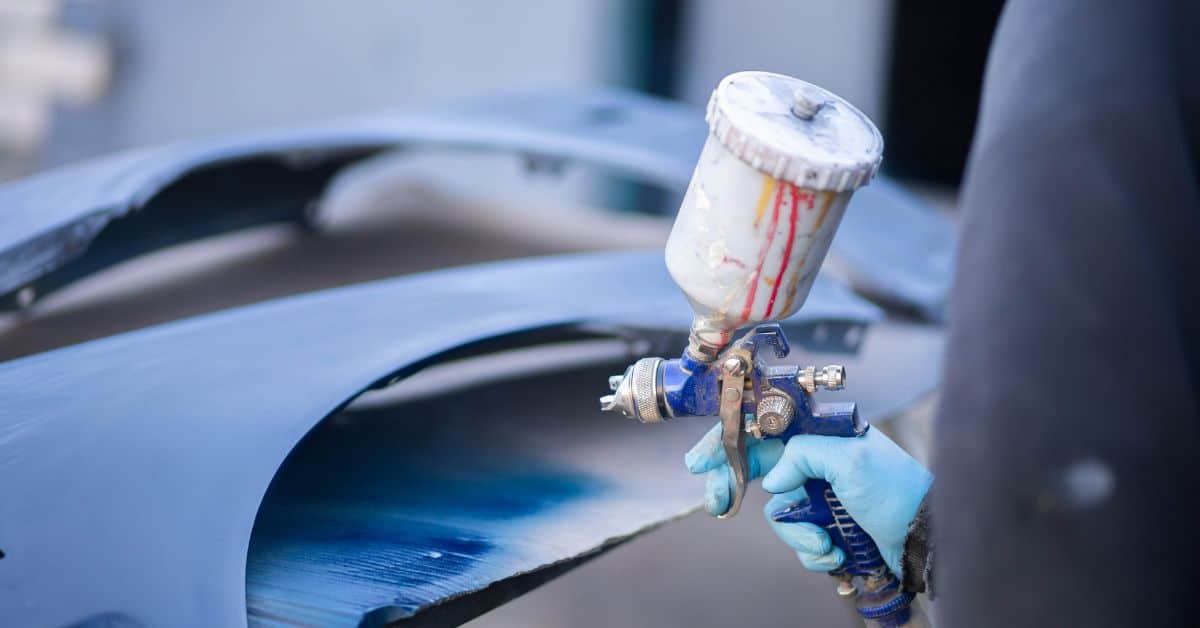
Look for primers and topcoats designed to bond to powder-coated substrates or to bridge adhesion between coatings. Consider flexibility requirements if the metal will move or flex. Prioritize products with corrosion resistance and UV stability for outdoor use.
Always read the technical data sheet to confirm compatibility with your powder coat and substrate. If needed, consult the manufacturer instructions for recommended primers and topcoats. Avoid mixing products unless the data sheet allows it.
Primer types and selection criteria
When choosing a primer for painting over powder coat, you’ve got three main types to consider: universal adhesion primers, epoxy primers, and specialty adhesion promoters. Each has its own strengths, so let’s dive in.
Universal Adhesion Primers are great for most surfaces. They create a strong bond with the powder coat and provide good hiding properties. Use these when you’re unsure about the surface or want a versatile option.
Epoxy Primers offer superior corrosion resistance, making them ideal for outdoor use or areas prone to moisture. If your project involves metal parts or high-humidity environments, epoxy is your best bet.
Specialty adhesion promoters are designed for specific surfaces or conditions. Read the label carefully and match it to your job’s needs. Always check the technical data sheet to confirm compatibility with your powder coat and intended topcoat.
Topcoat options and finish considerations
Now that you’ve primed, it’s time to choose a topcoat. Here are three common choices:
Acrylic Paints offer excellent color retention and durability. They’re easy to apply and clean up with just soap and water. However, they may not hold up as well in harsh outdoor conditions.
Urethane Paints provide superior durability and resistance to chemicals, abrasion, and UV damage. They’re great for high-traffic areas or outdoor use but can be more challenging to apply and clean up.
Enamel Paints offer a hard, durable finish with excellent color retention. They’re often used in industrial settings due to their resistance to chemicals and abrasion. However, they can be more difficult to apply and have a longer drying time.