
Introduction
Painting over gloss paint means applying a new coat after surface prep to improve adhesion and prevent peeling. Begin by cleaning the surface and roughening the gloss with a light scuff sand. Wipe away dust and inspect for peeling spots before you prime.
Choose a compatible primer and follow its instructions, especially for glossy surfaces. Prime the areas you sanded, edges, and any spots that show bare material, then let it dry per the product label. If in doubt, check the primer’s guidance or local rules and test a small spot first.
Key takeaways
- Test adhesion on a hidden spot before full repaint; peel failure follows.
- Clean and degrease glossy surfaces thoroughly to improve new coat grip.
- Sand or scuff gloss lightly to create a mechanical key without deep gouges.
- Choose compatible primer designed for glossy finishes and follow label directions.
- Inspect for peeling areas and repair with appropriate patching before painting.
- Ventilate work area, wear PPE, and dispose of chemical degreaser safely.
Table of Contents
- Introduction
- Key takeaways
- Why Glossy Finishes Cause Peeling and What Adhesion Really Requires
- Assessing the Existing Finish: Tests to Do Before You Start
- Tools and Materials Checklist
- Mechanical Prep: Sanding and Scuffing Techniques That Work
- Chemical Deglossing: When and How to Use Liquid Deglossers Safely
- Primer and Paint Selection for Gloss-over Projects
- Step-by-Step Prep and Painting Workflow with Visual Checkpoints
- Troubleshooting and Fixes for Problem Areas
- Conclusion
- FAQ
Why Glossy Finishes Cause Peeling and What Adhesion Really Requires
Glossy finishes resist bonding because they form a very smooth, non-porous surface. Adhesion is about good contact between layers, while cohesion is about the paint sticking to itself. On a slick panel, contaminants and poor surface texture can break that contact, so coating fails over time.
Two main failure modes drive peeling: contamination and surface smoothness. Contamination includes oils, waxes, or cleaners left behind that act like a barrier. A perfectly clean, roughened surface gives the new coat something to grab onto and stay put.
Gloss Surface Characteristics
High sheen glossy surfaces are smooth and reflective, which makes it tough for new paint to stick. Think of it like trying to glue two mirrors together – they won’t bond because there’s nothing for the adhesive to grab onto.
Contaminants like dirt, grease, or old wax buildup on your glossy surface can also stop new paint from adhering properly. It’s like trying to paint a wall that’s covered in dust – the paint won’t stick well.
Existing coatings, especially if they’re not compatible with the new paint type, can cause issues too. For instance, oil-based paints and latex paints don’t play nice together. So, it’s crucial to prep your glossy surface right to ensure a strong bond.
Common Failure Mechanisms (Peel, Flake, Blister)
When paint fails on a glossy surface, it usually shows up in one of three ways:
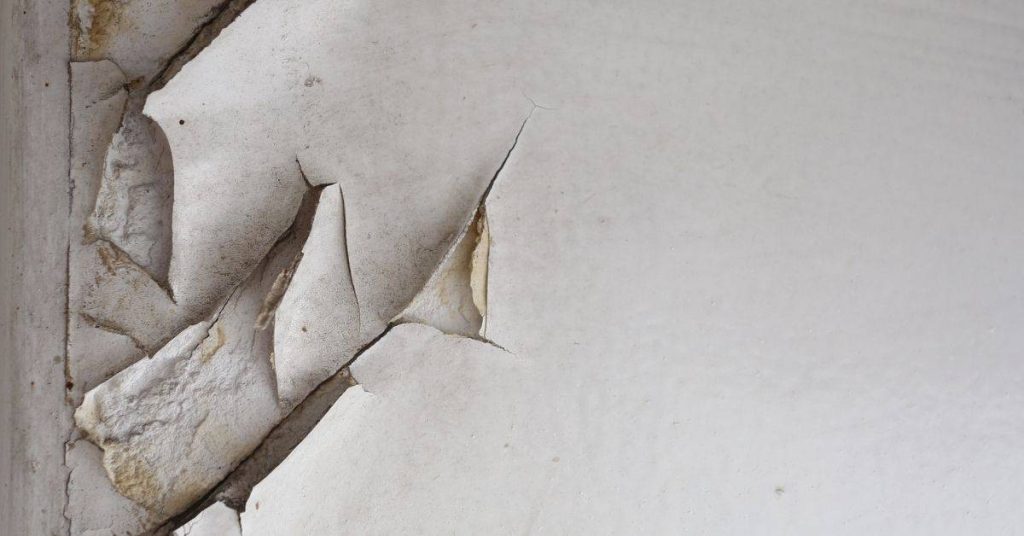
Peeling: This happens when the new paint pulls away from the surface in large sheets. It’s like when you peel off a sticker – it comes off in one piece. This indicates that the paint didn’t bond well with the glossy surface.
Flaking: Here, the paint chips or flakes off in small pieces. Imagine chipping nail polish – it breaks off into tiny bits. This suggests that there were weak points in the paint film where it couldn’t hold together.
Blistering: Blisters are raised areas on the paint surface that look like bubbles under the skin. They form when moisture gets trapped between the new paint and the glossy surface. This is often due to improper preparation, like not cleaning or deglossing the surface before painting.
Assessing the Existing Finish: Tests to Do Before You Start
Do a simple adhesion check by pressing a small piece of tape onto an inconspicuous area and pulling it off briskly. If it lifts the finish, you may need more prep or surface scratch to improve bonding. If the tape sticks cleanly, it’s a sign to go ahead with your chosen prep path.
Test for contamination by wiping a bare area with a cleaner compatible with the surface and inspecting for leftover residue. Consider the possibility of hazardous coatings and call a pro or have the coating tested if you suspect things like old lead paint or unknown coatings. Read manufacturer instructions or local rules before proceeding.
Adhesion test (thumb-tack or tape method)
The first step is to check if the old gloss paint will hold a new coat. Here’s how:
1. Thumb-tack test: Press a thumb-tack into the surface. If the paint peels, it won’t hold a new coat.
2. Tape test: Stick a piece of painter’s tape on the surface, press down firmly, then pull it off quickly. If paint comes off with it, the adhesion is poor.
Contamination check (grease, wax, silicone)
Next, you need to check for contaminants that can block paint adhesion. Here’s how:
1. Visual and tactile check: Look and feel for any greasy or waxy spots. Silicone can leave a smooth, slippery feeling.
2. Solvent wipe test: Use a rag dampened with mineral spirits to wipe the surface. If it turns dark or leaves residue, there’s contamination.
Before you start, check for hazards. Older properties might have lead or PCB paint:
1. Ask: When was the house built? What’s known about its painting history?
2. Test: If it’s an older home (built before 1978), use a certified lead test kit or hire a professional for a thorough inspection. Don’t take chances with your health.
Tools and Materials Checklist
Have cleaning supplies, a deglossing option, sanding tools, primers, and paints ready by task. Use PPE like gloves and eye protection and ensure proper ventilation for each step. Use quality cues like a comfortable tool feel, consistent abrasion, and compatible product labels.
Keep a simple layout of each stage’s needs: cleaning, deglossing, sanding, priming, and topcoat. Check labels and data sheets for surface suitability and warranty language before buying or mixing anything.
Cleaning and deglossing supplies
Before you start, gather these cleaning and deglossing supplies. They’ll help you prep your glossy surface for painting.
- TSP (Tri-Sodium Phosphate) or a similar heavy-duty cleaner: To remove dirt, grease, and grime. Skip this and you might end up with paint that peels later on.
- Deglosser or liquid sandpaper: To dull the glossy finish and improve paint adhesion. Don’t skip this step; it’s crucial for a lasting bond.
- Rags or sponges: For applying cleaners and deglossers, and wiping surfaces dry.
- Scrub brush: To help you scrub tough spots with TSP.
- Safety glasses: Protect your eyes from splashes during cleaning.
- Gloves: To protect your hands from chemicals and grease.
- Drop cloths or plastic sheets: To cover the floor and protect it from drips and spills.
- Painter’s tape: To mask off areas you don’t want to paint. It’ll save you time and touch-ups later.
Quick rule: Always test cleaners and deglossers on a small, hidden area first. This helps you avoid damaging the surface or causing discoloration.
Sanding and abrading tools
These sanding tools will help you prepare your glossy surface for painting by creating a better grip for the new paint.
- Sandpaper (120-grit or 150-grit): For hand-sanding. It’ll help you remove the gloss and create a smooth, paint-ready surface.
- Sanding block: To use with sandpaper for even pressure and better control when sanding flat surfaces.
- Palm sander (optional): For larger, flat areas. It’ll save you time and effort compared to hand-sanding.
- Detail sander or sanding sponge: To tackle corners, edges, and hard-to-reach spots where a regular sander won’t fit.
- Power drill with sanding attachment (optional): For sanding curves and contours. It’s great for rounding over edges and creating a smooth finish.
- Vacuum or tack cloth: To remove dust after sanding. This step is crucial to prevent dust from getting into your paint and causing imperfections.
- Safety gear: Include safety glasses, gloves, and a dust mask to protect yourself during sanding.
Quick rule: Always sand with the grain of the surface. Sanding against the grain can cause damage and make the surface uneven.
Primers, adhesion promoters, and paints
These products will help your new paint stick to the glossy surface and create a durable, long-lasting finish.
- Tack cloth or damp rag: To wipe away any remaining dust after sanding. This ensures good adhesion for your primer.
- Primer (shellac-based, oil-based, or water-based): Choose one that’s compatible with your surface and the paint you’ll be using. Read the label to make sure it’s suitable for your specific substrate.
- Adhesion promoter (optional): If you’re having trouble getting paint to stick, consider an adhesion promoter. It creates a strong bond between the old finish and the new primer or paint.
- Paint (latex, oil-based, or other): Choose one that’s compatible with your primer and suitable for your surface. Again, read the label to ensure it’s the right choice for your project.
- Paintbrushes, rollers, and trays: For applying your primer and paint. Make sure they’re clean and in good condition for a smooth finish.
- Painter’s tape: To mask off areas you don’t want to paint. It’ll help you create crisp lines and avoid over-painting.
- Drop cloths or plastic sheets: To protect the floor and surrounding area from drips, spills, and splatters during painting.
Quick rule: Always follow the manufacturer’s instructions on product labels. This will help you ensure that you’re using each product correctly and safely.
Mechanical Prep: Sanding and Scuffing Techniques That Work
Apply a careful touch to create enough tooth without cutting into underlying layers. Avoid aggressive passes that burn through gloss and expose substrate. Keep your motion steady and consistent across the surface.
Aim for a uniform dull finish rather than bright gloss. Use progressively finer textures as you approach the final prime stage and stop when the surface looks matte and feels slightly rough to the touch.
Hand sanding vs. power sanding
When tackling glossy surfaces, choose your sanding method wisely to avoid visible marks or gouges.
Hand sanding is best for small areas and intricate details where power tools might be too aggressive. Use light, even pressure with a smooth, steady motion. Start with a medium grit (120-150) and finish with a fine grit (220-320).
Power sanding, like orbital or random orbit sanders, are faster for large flat areas but can leave swirl marks if not used correctly. Keep the sander moving at all times to avoid over-sanding and maintain even pressure.
Recommended grit ranges and visual checkpoints
Before you start sanding, know your grits. Start with medium, then fine, to create ‘tooth’ without damaging the surface.
- Start with 120-150 grit: Removes gloss and creates a ‘scuffed’ look. Stop when the surface feels uniformly rough under your fingertips.
- Follow up with 180-220 grit: Refines the surface, smoothing out any remaining roughness. The finish should feel slightly textured but even.
- Avoid going too fine (320+): Over-sanding can remove too much material and damage the substrate.
Quick rule: If it feels smooth to your touch, you’ve likely gone too far or not far enough. Recheck your grits and technique.
Dust control and cleanup after sanding
Removing dust completely is crucial for paint adhesion. Here’s how to do it right:
Vacuum first: Use a vacuum with a soft brush attachment to remove loose dust from the surface and crevices.
Then use a tack cloth: Wipe the entire surface with a tack cloth, which picks up fine dust particles that vacuuming might miss. Keep turning the cloth to expose clean areas as it gets saturated.
Avoid using compressed air: It blows dust around and can force it into crevices, making it harder to remove.
Chemical Deglossing: When and How to Use Liquid Deglossers Safely
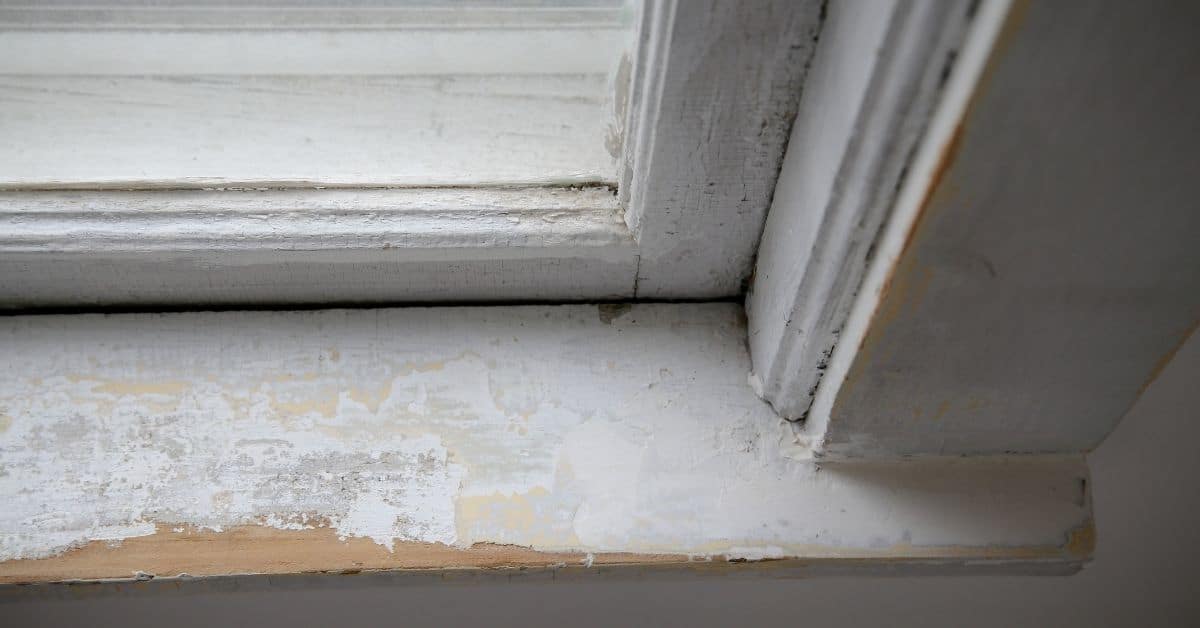
Liquid deglossers can break the slick surface without aggressive sanding. They work best when the finish is relatively intact and the substrate is sound. Follow the product instructions for application and dwell time.
Rinse thoroughly after use and allow to dry completely. If the coating reacts or lifts, reassess with a deeper mechanical prep or consider a different method, and verify substrate suitability with the product label and manufacturer guidance.
Choosing the right deglosser
The first step is choosing the right liquid deglosser for your job. There are two main types: solvent-based and water-based.
Solvent-based deglossers