
Introduction
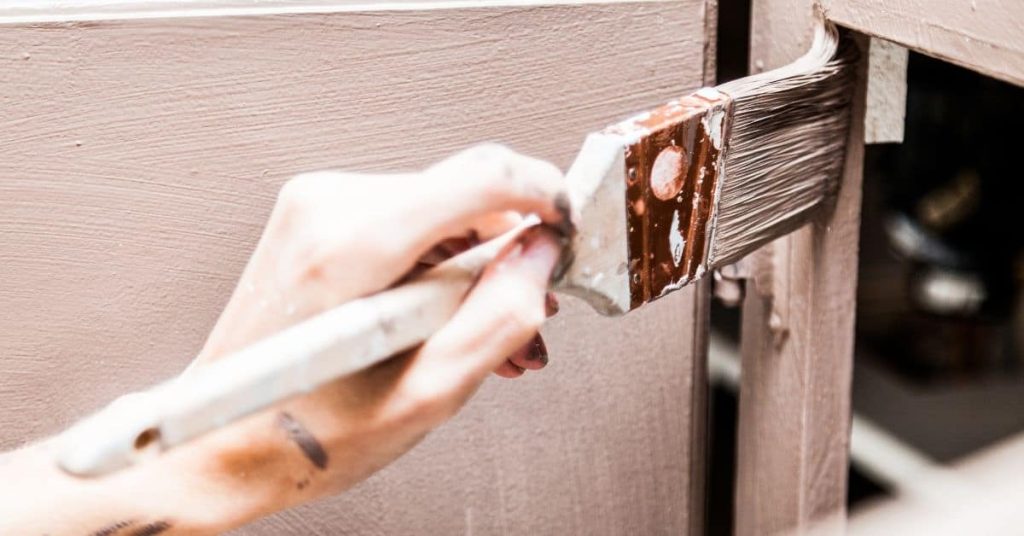
Preventing tape lines means masking and edge-work done so the paint meets cleanly without ridges.
Cutting in and lifting tape at the right moment helps keep the edge sharp. Work slowly, check the edge as you go, and don’t rush the tape removal.
Start with clean, dry surfaces and press the tape firmly to seal. Use a steady hand when painting up to the tape, keeping a light touch to avoid pulling tape off. If you see any moisture under the tape or fraying, fix it before finishing.
Key takeaways
- Plan your edges before taping to minimize adjustments and rework.
- Apply tape with a flat edge, then roll slightly to seal.
- Cut in after edging to avoid pulling tape while painting.
- Remove tape while the paint is still tack-free to prevent tearing.
- Wear eye protection and gloves; inspect for loose tape edges daily.
- Check manufacturer guidance for surface prep and tape type compatibility.
Table of Contents
- Introduction
- Key takeaways
- Why Tape Lines Happen
- Tools and Materials Checklist
- Preparing the Surface Before Taping and Cutting in
- Proper Taping Technique for Crisp Edges
- Cutting in with a Brush and Alternatives
- Best Time and Method for Removing Tape
- Fixes and Touch-Ups for Tape Lines
- Pro Tips, Troubleshooting Checklist, and Visual Checkpoints
- Conclusion
- FAQ
Why Tape Lines Happen
Tape lines form when edges lift or bleed after paint is applied. This can be caused by tape not sticking well enough to the surface, or by paint seeping under the edge. Surface issues and technique gaps also contribute to visible lines.
Use this section to diagnose whether adhesion, bleed, technique, or surface condition is the primary culprit. Check the tape, paint, and the surface as you plan your fixes and prevention steps. Always verify instructions on product labeling or manufacturer guidance if you are unsure.
Common causes of bleed and lifting
The wrong tape can cause lines. Cheap tape doesn’t stick well, letting paint seep under.
Insufficient prep leaves a rough surface. Tape lifts off it easily, taking paint with it.
Too much paint builds up at the edge. It bleeds under the tape as it dries.
Stretching tape makes it thin. It can’t hold back paint and lifts when you remove it.
Identifying surface vs technique problems
Check the surface. If it’s rough or dirty, tape won’t stick. You’ll see lifting and bleeding.
Feel the tape. If it’s too thin or stretched, it can’t hold back paint. Look for lines where it lifted.
Inspect your cutting in. If you painted over the tape, it might lift when you remove it. You’ll see a line.
If everything looks good, but you’re still getting lines, double-check your tape removal. Pulling too fast can cause lifting.
Tools and Materials Checklist
Stock up on the basics: tape, brushes, rollers, a well-sealed tray, scraper or putty knife, and a clean cloth. Include a sealer or primer if you are working on slick or dusty surfaces. Having a compatible edge tool and a moisture barrier helps avoid tracking and bleed.
Read manufacturer specs for each item to confirm suitability with your paint and surface. If in doubt, check the product data sheet or label for recommended usage and cleanup fluids. This keeps your setup practical and reduces wipe or pull back issues.
Tape types and how to choose
Choose the right tape for your surface to prevent lines. Here’s a quick checklist.
- Painter’s Tape: Standard choice, works on most surfaces. Check manufacturer adhesion recommendations to avoid lifting.
- Delicate-Surface Tape: Gentle for wallpaper, fresh paint. Use where extra care is needed; wrong tape can damage surface.
- Multi-Surface Tape: Versatile, works on various surfaces. Check adhesion strength to avoid bleed.
- Exterior Tape: Durable for outdoor use, UV-resistant. Use outdoors; wrong tape can peel off in sun/rain.
Quick rule: Always check manufacturer’s adhesion recommendations to avoid lines and lifting.
Helpful accessories (squeegees, putty knives, caulk)
Use these tools to ensure proper tape seating and edge sealing.
- Squeegee: Presses tape firmly onto surface. Without it, tape may lift during painting.
- Putty Knife: Scrapes excess paint off tape edges. Leaving paint on edges can cause lines.
- Caulk: Seals gaps before taping. Without caulk, paint may bleed under tape.
Quick rule: Use these tools to ensure a tight seal and clean edges for line-free painting.
Preparing the Surface Before Taping and Cutting in
Start with a thorough cleaning to remove dust, grease, and loose paint. Lightly sand glossy spots to give tape something to grab onto. Wipe away dust and let the surface dry before proceeding.
Inspect for peeling edges or flaking paint and repair if needed. A clean, dry, and stable surface helps tape adhere and paint lay down evenly. If you are unsure about surface condition, verify guidance from the paint or primer manufacturer.
Cleaning and Degreasing Best Practices
Start by removing any dust with a damp cloth. Grease, oil, and dirt can prevent tape from sticking properly.
Use a mild detergent or a degreaser specifically designed for the surface you’re working on. Never use abrasive cleaners, they leave residues that can hinder adhesion.
Rinse thoroughly with clean water and let it dry completely before applying tape.
Patching, Sanding, and Priming Problem Spots
Fill any cracks or holes with a suitable filler. Let it dry, then lightly sand the area to ensure it’s smooth and even with the rest of the surface.
If you’re painting over glossy surfaces like varnished wood or previously painted walls, lightly sand them first to help paint adhere better.
Prime any porous patches or new drywall. This helps seal the surface and provides a uniform base for your tape and paint.
Proper Taping Technique for Crisp Edges
Apply tape along the edge you want to protect, keeping it taut and straight. Press down firmly from the center out to seal the edge. At corners, line up the tape so that overlaps and seams are minimized.
Use a smoothing tool or your fingernail to crease the tape into the edge and remove air bubbles. Avoid gaps by taking extra time at transitions and overlaps. If unsure, reference the tape manufacturer’s instructions for application tips.
Seating the tape edge correctly
The key to a crisp line is proper seating of the tape’s edge. Here’s how:
1. Use a putty knife or squeegee to press down firmly along the edge. Start from one end and work your way to the other.
2. Apply even pressure. Don’t stretch the tape as you go. You want it to stick well, but not so much that it peels off paint when removed.
3. Consistent pressure ensures a tight seal against the surface, preventing paint from seeping under and causing lines.
Taping tricky junctions (trim, windows, baseboards)
Some areas require special attention. Here are a few tips:
1. Freshly painted trim needs lower-tack tape to avoid pulling off the new paint when you remove it.
2. For tight corners, fold the tape neatly at the edge using your fingers or a corner tool. This helps prevent fishmouths and ensures a clean line.
3. On windows and baseboards, press the tape down firmly but be careful not to damage the surface. Use painter’s tape designed for delicate surfaces if needed.
Cutting in with a Brush and Alternatives
Choose a brush size and shape that suits the edge you are creating. Load the brush so the paint distributes evenly without dripping. Rest your hand on the work or brace your arm to steady the stroke for a clean line.
Keep strokes light and steady, finishing with a single confident pass. If you prefer not to tape, consider an edger tool and practice on scrap to learn its response. Always verify tool compatibility with your paint and surface per manufacturer guidance.
Brush selection, loading, and angle
A good angled sash brush is your best friend for cutting in. It’s designed to hold paint at the right angle for sharp lines.
Choose one with stiff bristles – they hold their shape better and don’t splay out too much. 1.5 to 2 inches wide should do the trick.
Load your brush about halfway up the bristles. Too much paint will drip, not enough won’t give you a smooth line.
Hold the brush at a 45-degree angle to the surface. This gives you control and helps prevent drips. Use long, smooth strokes, following the direction of the grain if it’s wood.
Using an edger or shield correctly
Edgers and shields are great for large areas like walls and ceilings. They give you a clean line without the hassle of tape.
For manual edgers, press down gently and pull towards yourself. Too much pressure can cause gouges. Foam edgers are more forgiving – just press and pull.
Shields work similarly but are better for smaller areas or tight spots. Press down lightly and run your brush along the edge.
Edgers are best when you’re painting a large area that’s all one color. For complex jobs, tape might be quicker and easier.
Best Time and Method for Removing Tape
Timing depends on your paint and environment; follow the product label for guidance. Peel tape away from the edge slowly and at a shallow angle. A quick lift can pull wet paint off the edge or tear tape fibers.
Test a small area first to determine the right moment to remove, then proceed in sections. If you are unsure, check the label or manufacturer instructions for removal timing and technique and adjust your plan accordingly.
Wet/tacky removal vs wait-and-peel
Removing tape while paint is still wet or tacky can give you cleaner lines, but it’s a balancing act. You risk pulling off dried paint if you wait too long.
Pros of wet/tacky removal: Easier to pull off, less likely to lift dry paint.
Cons: May remove some wet paint with it, leaving a mess. Always check your paint and tape labels for recommended removal times.
Peeling technique and when to score the paint
Pull tape back on itself at a low angle, about 45 degrees. This reduces stress on the paint film.
If you’re removing tape from a large area or it’s been on for a while, use a utility knife to score the paint first. This prevents tearing and makes removal easier.
Start scoring about an inch away from the edge of your cut line, then peel slowly and steadily.
Fixes and Touch-Ups for Tape Lines
For minor lines, clean the edge and feather the repaired area with a light touch of paint or primer. If the line is more pronounced, re-tape and apply a fresh pass to restore crispness. In some cases, light sanding and reapplication of paint is needed.
For major lines, consider targeted repainting of the affected zone with careful masking. Use a thin coat and ensure complete drying between passes. Always refer to product instructions and local rules for acceptable touch-up methods.
Blending and feathering small bleed lines
Small bleed marks can happen, don’t worry. Here’s how to fix ’em with minimal work.
First, let the paint dry completely. Then, lightly sand the area using fine-grit sandpaper. Be gentle, we don’t want to make it worse.
Dampen a cloth with water and wipe off the dust. Now, grab some touch-up paint that matches your wall color. Use a small brush or even a sponge for this job.
Apply a thin coat, feathering the edges so it blends seamlessly into the surrounding paint. Let it dry, then lightly sand again if needed. Apply another thin coat, feathering as before. Problem solved!
Re-taping and rebuilding a damaged edge
Sometimes, you’ll have to start over with a section of your tape line. Here’s how.
First, cut away any loose paint or film using a utility knife. You want to expose sound substrate again.
Lightly sand the area to smooth it out and help new paint adhere better. Wipe off dust with a damp cloth.
Prime the area using a good quality primer. Let it dry, then re-tape the edge, pressing down firmly to create a good seal. Now, cut in again, making sure to pull the tape away at a 45-degree angle once the paint is completely dry. That should give you a clean edge again.