

Introduction
EIFS is an exterior insulation and finish system, while traditional stucco is a cement-based finish applied directly to the substrate. In practice, that means different backing, different moisture paths, and different paint compatibility. The key is to check what your wall is built with and choose coatings that match that system’s expectations.
As a DIYer, you’ll want to inspect the surface for cracks, delamination, or moisture signs before painting, and follow the coating label guidance for priming and finish coats. When in doubt, verify with the product instructions and the wall’s original installation method, and consider patching or sealing spots as needed. If specs aren’t clear, check with the manufacturer or local code guidance and use safe ranges or options they recommend.
Key takeaways
- Verify substrate compatibility and manufacturer guidelines before painting EIFS or stucco.
- Test small areas first and document failures before full coating.
- Choose coating systems approved for exterior foam or masonry surfaces.
- Keep surfaces dry and environmental conditions within manufacturer-specified ranges.
- Prepare surfaces thoroughly: remove contaminants, repair damage, and feather edges.
- Document warranty terms and local safety rules to avoid invalidations.
Table of Contents
- Introduction
- Key takeaways
- Quick System Comparison: EIFS Vs Traditional Stucco
- Common DIY Mistakes That Cause Coating Failures
- Surface Preparation Differences and Best Practices
- Coating Compatibility, Primers, and Approvals
- Application Techniques, Tools, and Environmental Controls
- Visual Checkpoints, Small Test Areas, and DIY Tests
- Troubleshooting Failures and Maintenance Planning
- Warranty, Compliance, and Safety Considerations
- Conclusion
- FAQ
Quick System Comparison: EIFS Vs Traditional Stucco
EIFS and traditional cement-based stucco are built differently and behave differently once painted. EIFS uses a polymer-based insulating core with a finish that sits on top, while stucco is a solid cementitious coating bonded straight to the substrate. These construction differences influence how paint adheres and how flexible the coating remains over time.
In practice, the paints, priming needs, and maintenance cycles will vary between the two systems. Look for guidance from the coating manufacturer and the EIFS or stucco system instructions. Verify any local requirements or warranty implications before choosing a coating approach.
Layer Makeup and How It Changes Coating Needs
EIFS (Exterior Insulation and Finish Systems) and traditional cement-based stucco have different layer makeups, which affect how paint adheres and performs. Let’s dive into the layers:
EIFS: Starts with a rigid insulation board, topped by an adhesive base coat, then a reinforcing mesh, and finally a finish coat.
Stucco: Begins with a scratch coat (first layer), followed by a brown coat (second layer), and ends with a finish coat. The layers in EIFS provide more insulation and flexibility, while stucco offers better impact resistance.
Understanding these differences helps you choose the right paint for each system. For instance, EIFS needs flexible paints to accommodate movement, while stucco can handle stiffer paints due to its rigid nature.
Coating Performance Attributes to Evaluate
Before you pick a paint, consider these key performance attributes that ensure longevity and appearance:
Adhesion: How well the paint sticks to the surface. EIFS needs good adhesion to its foam substrate, while stucco requires strong bond to its cement base.
Flexibility: Essential for EIFS due to its movement and insulation properties. Stucco, being more rigid, doesn’t require as much flexibility.
Vapor Permeability: Allows moisture to escape, preventing trapped water from causing damage. Both systems need breathable paints, but EIFS may require higher permeability due to its foam core.
UV Resistance and Stain/Chalk Resistance: Crucial for both systems to maintain appearance and longevity. Check manufacturer specs if unsure about these properties.
Common DIY Mistakes That Cause Coating Failures
Homeowners often rush the job and skip critical surface prep steps. Skipping dirty removal, proper patching, or cure time can lead to peeling or blistering later. Failing to test adhesion on small areas can hide problems until it’s too late.
Another common error is using the wrong primer or topcoat for the substrate, which undermines bonding and breathability. Always check product labels, manufacturer instructions, and any warranty notes for accepted systems. Verify local rules or HOA requirements when needed.
Misidentifying the substrate before starting
Before you grab your paintbrush, know what you’re dealing with. EIFS and traditional stucco look similar but have different needs.
EIFS (Exterior Insulation and Finish Systems) has a foam insulation layer under the finish. It feels soft to touch compared to hard, solid stucco. Consult a pro if unsure.
Traditional stucco is solid, heavy, and rough. EIFS can crack and crumble if treated like traditional stucco. Don’t risk it – identify correctly first.
Skipping moisture and condition assessments
Moisture’s the enemy of a good paint job. Before you start, check for hidden issues that’ll make your paint peel.
Use a moisture meter to check for excess water behind the surface. Delamination – when layers separate – and rot can hide under seemingly solid stucco or EIFS.
Document your findings. Mark any problem areas so you know where to focus repairs before painting. Don’t just paint over problems – they’ll come back to haunt you.
Surface Preparation Differences and Best Practices
EIFS surfaces benefit from thorough cleaning to remove dust, mildew, and chalking coatings. Patching and texture smoothing should be matched to the original finish for even appearance. Inspect for moisture damage and address it before painting.
Traditional stucco requires careful cracking repairs and proper feathering of patches to avoid obvious seams. Follow the manufacturer guidance for patch materials and curing times. Check product data sheets and local code requirements where applicable.
Cleaning, mildew removal, and pressure washing guidance
Before you start painting, your surface needs to be clean. Here’s how:
EIFS: Use a soft-bristle brush or broom to remove loose dirt. For mildew, mix 1 part bleach with 3 parts water. Apply it, let it sit for 15 minutes, then scrub and rinse. Pressure wash at low pressure (under 1000 psi) to avoid damaging the foam.
Stucco: Follow the same mildew removal process. Pressure wash at a 45-degree angle, starting from the top and working your way down. Keep the nozzle moving to prevent gouging the surface.
Repairing cracks, delamination, and matching texture
Fix any damage before painting. Here’s how:
EIFS Cracks/Delamination: Scrape off loose material. Apply a base-coat repair kit, following the manufacturer’s instructions. For large areas, replace panels. Sand smooth and prime.
Stucco Cracks: Remove loose material. Trowel in new stucco mix, matching the existing texture. Let it cure before painting.
For both, use a flexible filler for hairline cracks. Sand smooth after drying. Always match the original texture to maintain a uniform look.
Coating Compatibility, Primers, and Approvals
Choose primers and topcoats that explicitly list compatibility with EIFS or cementitious stucco. Primer selection often hinges on moisture barriers, porosity, and adhesion needs. Manufacturer approvals matter for warranties and performance expectations.
For any coating system, verify that the product data sheet supports the specific substrate and surface texture. If in doubt, contact the coating company or your local distributor. Be mindful of local rules or HOA rules that may require approved products.
Primer types and adhesion promoters for each substrate
Primers play a crucial role in painting EIFS and traditional stucco. They improve adhesion, seal the surface, and promote better paint performance.
EIFS: Use bonding primers or acrylic primers to enhance adhesion. These primers penetrate deep into the synthetic polymer-based EIFS surface, creating a strong bond for topcoats. Always test patch first to confirm adhesion.
Traditional Stucco: For porous surfaces like traditional stucco, use an acrylic primer with good penetration and adhesion properties. This seals the surface, preventing moisture from passing through while allowing excess moisture to escape (breathability).
Breathable vs elastomeric and solvent choices
Choosing the right topcoat depends on your substrate’s needs, climate, and manufacturer recommendations.
Breathable coatings: Ideal for traditional stucco in humid climates. They allow moisture to escape while protecting against water intrusion. Use with acrylic or latex paints.
Elastomeric systems: Great for EIFS due to their flexibility, which accommodates minor substrate movement. However, they may not be suitable for traditional stucco as they can trap moisture. Always follow manufacturer guidelines.
Solvent-based vs water-based: Solvent-based paints offer better adhesion and durability but have strong odors and slower drying times. Water-based paints are eco-friendlier, faster-drying, and low-odor but may not perform as well in extreme climates. Choose based on your specific needs and climate.
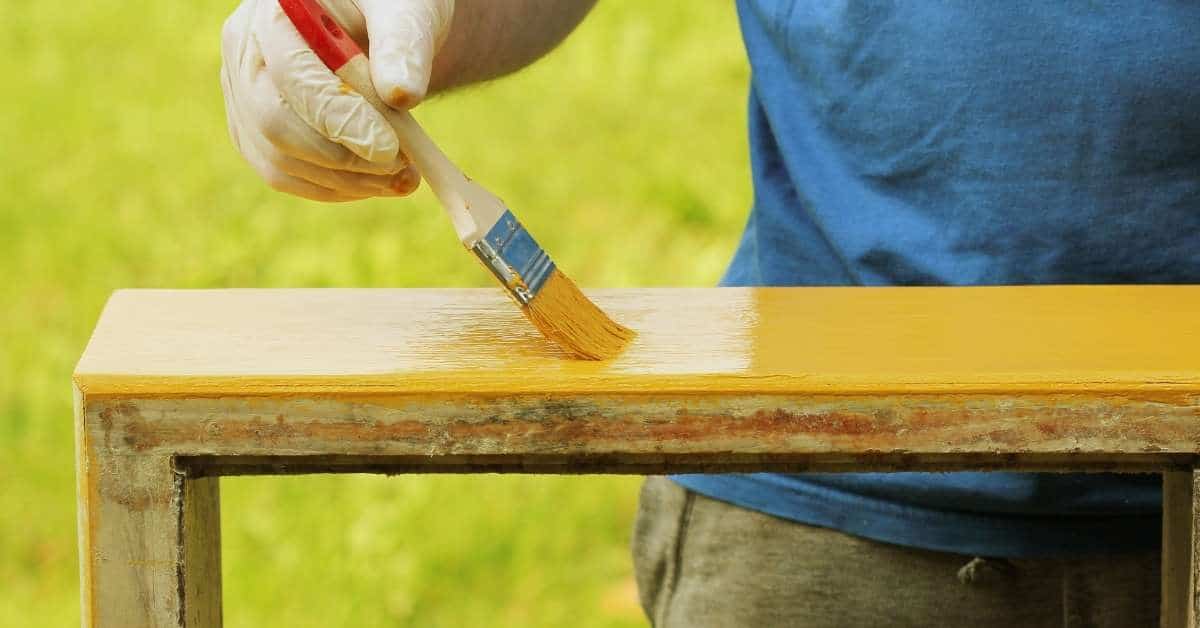
Application Techniques, Tools, and Environmental Controls
Use tools and methods suited to the texture you’re painting, whether spray, roller, or brush. Maintain consistent pressure and technique to avoid roller marks or lap lines on textured surfaces. Keep an eye on temperature and humidity recommendations from the product label.
Environment matters: plan around drying times, wind, and rain risk. Have a plan for dust control and masking to protect adjacent surfaces. Always verify tool compatibility with the coating you choose as per manufacturer instructions.
Brush, Roller, and Sprayer Recommendations for Textures
Choosing the right tool is crucial for a smooth finish on your EIFS or traditional stucco. Here’s what works best:
EIFS (Exterior Insulation and Finish Systems): Use a high-quality synthetic brush for cutting in edges and a roller with 3/8″ or 1/2″ nap cover for the main surfaces. Sprayers can be used, but they require a steady hand to avoid overspray.
Traditional Stucco: A stiffer brush is needed due to its rough texture. Use a roller with 3/4″ or 1″ nap cover. Sprayers can be used, but they may clog with larger particles.
Controlling Application Conditions and Curing
The weather plays a big role in how your paint job turns out. Here’s what you need to consider:
Temperature: Most paints work best between 50°F – 85°F (10°C – 29°C). Too cold, and the paint won’t adhere properly. Too hot, and it can dry too fast, causing issues.
Humidity: High humidity can cause poor adhesion and mildew growth. Aim for relative humidity below 85%.
Wind: Wind dries the paint too quickly, leading to lap lines and poor coverage. Try to paint when it’s calm.
Always follow the recommended drying/curing conditions from your product data sheet. Don’t guess – check!
Visual Checkpoints, Small Test Areas, and DIY Tests
Start with small test patches on inconspicuous areas to judge adhesion, color, and texture match. Observe for edge lifting, staining, or texture changes over the test period. Document results before moving to larger sections.
Use a pre-paint checklist to confirm surface cleanliness, patching quality, and primer readiness. If any issue appears, pause and re-check the manufacturer guidance and local code requirements. Validate breathability on the test area if applicable.
Adhesion/peel tests and when to stop
Before you start painting, check adhesion. This ensures your paint sticks.
- Cross-hatch test: Cut a small ‘X’ into the surface with a utility knife. Apply painter’s tape over it, then pull it off quickly at a 45-degree angle. If any paint comes off, adhesion is poor.
- Peel test:</