
Introduction
Painting around HVAC registers and returns means masking and preparing the edges so paint doesn’t bleed into the grilles. Prep the area by removing loose debris and laying down drop cloths, then set up masking to protect the grille openings. Keep grilles clean before you start to help the paint stick and to prevent fuzz or drips.
Mask precisely around the edges with painter’s tape and use light layers to avoid buildup. Clean grilles before painting and again after the job is done to remove dust and fingerprints. Choose paints and primers that are suitable for metal and high-traffic areas and always follow the product label and local rules.
Key takeaways
- Prepare area: remove vent covers, clean dust, protect nearby surfaces with drop cloths.
- Use precise masking: press tape edges firmly, seal gaps around grilles, use paper or film.
- Clean grilles before painting and again after, to avoid touchups later.
- Choose paint type suitable for HVAC components; satin or enamel options where appropriate.
- Apply thin coats with steady technique; allow proper dry time between coats per label.
- Reinstall covers, inspect edges, and clean any drips to prevent airflow issues.
Table of Contents
- Introduction
- Key takeaways
- Why Careful Painting Around HVAC Matters
- Tools and Materials Checklist (Including Specs and Standards)
- Preparation Step-by-Step Before You Paint
- Masking and Protection Techniques for Clean Edges
- Choosing Paint and Application Method for HVAC Components
- Cleaning Paint from Grilles and Preventing Clogged Filters
- Re-Installation, Touch-Ups, and Post-Paint Checks
- Safety, Common Mistakes to Avoid, Timelines, and Cost-Saving Tips
- Conclusion
- FAQ
Why Careful Painting Around HVAC Matters
Careful painting around HVAC vents protects both performance and appearance. Sloppy edges can restrict airflow, trap dust, and show through the finish. The goal is clean edges that won’t contaminate the system or look tacky.
Identify high‑risk zones such as supply and return ducts, louvers, blower housings, and flexible transitions. Masking and preparation should keep grit out of filters and avoid compromising gasket seals. Plan for minimal disturbance while still achieving sharp lines and intact grilles.
Risks of paint entering ductwork and filters
Paint overspray or drips near your HVAC registers can cause more trouble than just a messy look. Here’s what happens:
Clogged Filters: Paint particles can cling to your air filters, reducing their effectiveness and making them need replacing sooner.
Fouled Coils: If paint gets into the ductwork, it can coat your system’s coils. This reduces heat transfer efficiency, leading to higher energy bills and potential HVAC damage.
Reduced System Efficiency: A painted-up system has to work harder to maintain airflow, wearing out components faster and driving up utility costs.
Aesthetic and functional benefits of proper technique
Proper painting around HVAC registers and returns isn’t just about preventing messes. It’s also about maintaining airflow and keeping your system running smoothly.
Professional-Looking Edges: Careful masking and precise application ensure clean, sharp lines that look like they were done by a pro.
Maintained Airflow: By avoiding paint buildup in ducts and on grilles, you keep your HVAC system breathing easy. This means better comfort and lower energy bills.
Prolonged System Lifespan: A well-maintained HVAC system lasts longer. By preventing paint-related issues, you’re investing in the life of your heating and cooling equipment.
Tools and Materials Checklist (Including Specs and Standards)
List essential tools and their purposes for edge work around grilles, including brushes, rollers, extension poles, masking materials, scrapers, sandpaper, putty knives, a spirit level, and a caulk gun. Choose sizes and colors that help you see and control edges clearly.
Check labels for paint type, finish, and VOC content, plus primers that suit metal or grille materials. Review masking options, surface prep requirements, safety gear, and local code or manufacturer recommendations. Have a practical workflow in mind with drying and reassembly notes.
Masking materials and templates
Before you start any concrete work, use this checklist to ensure your masking materials and templates are in order. This will help you achieve clean lines and prevent costly rework.
- Painter’s Tape: Check width (1-2″) and adhesion level (medium or heavy) based on job requirements. Ensure it’s designed for concrete use to avoid lifting when wet.
- Plastic Sheeting: Verify thickness (6-10mil) and size are suitable for your project. Check for tears or holes before use.
- Paper or Cardboard Templates: Ensure they’re rigid enough to maintain shape when wet. Test by wetting a small area; if it warps, replace.
- Disposable Templates: Check material (PVC, HDPE, etc.) and thickness (1/8″-3/16″) for durability. Ensure they’re designed for concrete use.
- Masking Liquids: If using, check compatibility with your tape and surface. Follow manufacturer’s guidelines to avoid damaging the finish.
- Masking Angles: Use right-angled pieces of wood or plastic to create sharp corners. Ensure they’re securely fastened.
- Sealing Edges: Check that all edges are properly sealed with tape or paint to prevent bleed-through. Test by applying a small amount of water.
- Template Alignment: Double-check template alignment before securing. Use a level and string line for accuracy.
Quick rule: Always test your masking materials with a small, inconspicuous area first to ensure they work as expected on your specific surface and conditions.
Brushes, rollers, and spray equipment
Use this checklist before starting any painting task to ensure you have the right tools for the job. This will help you achieve a professional finish and avoid costly mistakes.
- Paintbrush: Check bristle type (natural or synthetic) matches paint type (oil-based or latex).
- Roller cover: Ensure nap length suits surface texture. Smooth surfaces need short nap, textured surfaces need longer nap.
- Sprayer: For large areas, check if you have an airless sprayer or high-volume low-pressure (HVLP) sprayer.
- Masking tape: Refer to your masking materials and templates checklist to ensure you have the right type for your paint and surface.
- Extensions poles: If painting high areas, check if you have extensions that fit your brush or roller.
- Sandpaper: Have 120-220 grit sandpaper ready for light sanding before painting to ensure a smooth surface.
- Drop cloths: Check you have enough drop cloths to protect the floor and surrounding areas from paint spills.
- Paint tray liners: To avoid wasting paint, check if you have reusable or disposable liners for your paint trays.
Quick rule: Always test a small area first to ensure your chosen tool and technique work well together. This can save you from having to redo large areas due to incompatibilities.
Material specs and safety standards to check
Before starting your painting project, use this checklist to ensure you have the right materials and that they meet necessary specifications and safety standards.
- Paint VOC levels: Check the paint’s volatile organic compounds (VOC) content. Most paints should be below 50 g/L for indoor use, but check local regulations as some areas have stricter limits.
- Heat and adhesion for grilles: For metal or plastic grilles, ensure the paint has suitable heat resistance and adhesion properties to prevent peeling or warping, especially in areas with high temperatures.
- Primer compatibility: Verify that your primer is compatible with both the surface you’re painting and the topcoat. Using incompatible products can lead to poor adhesion, peeling, or discoloration.
- Dry time: Check the paint’s dry time, especially if you’re applying multiple coats or using fast-drying paints that could cause runs or sags.
- Safety data sheet (SDS): Review the SDS for each product to understand potential hazards, proper handling, storage, and disposal procedures. This is crucial for ensuring your safety and compliance with local regulations.
- Fire resistance: For high-traffic areas or spaces with open flames, ensure your paint has adequate fire resistance ratings.
- Mildew resistance: In humid environments, choose paints with mildewcide additives to prevent mold and mildew growth on surfaces.
- Color consistency: If using multiple cans of paint, ensure they are from the same batch to maintain color consistency. Check the batch number on the label before purchasing.
Quick rule: Always check and follow manufacturer instructions for application, safety, and disposal guidelines to avoid costly mistakes and ensure a durable, long-lasting finish.
Preparation Step-by-Step Before You Paint
Confirm HVAC shutdown and disruption plan so you minimize blower noise and airflow during painting. Communicate timing with household members to avoid surprises.
Create a realistic painting timeline with blocks for masking, edge work, painting, and drying. Include a plan for reactivating the system after you’ve inspected the edges and reinstalled grilles.
Step-by-Step Process
Follow these clear steps to prep your space for painting around HVAC registers and returns, ensuring clean edges without clogging grilles.
- Confirm HVAC shutdown and communicate with occupants.
Reason: To minimize blower noise and airflow disruption during painting.
Check: Ensure the system is off and thermostat is set to ‘off’. - Create a practical painting timeline.
Reason: Allocate time for masking, edge work, paint application, drying, and curing.
Check: Include HVAC reactivation after final inspection. - Protect surrounding surfaces with painter’s tape and drop cloths.
Reason: Shield registers, grilles, walls, floors, and nearby finishes from paint.
Check: Ensure all vulnerable areas are covered. - Clean and prep adjacent surfaces.
Reason: Remove dust, oils, and debris for better paint adhesion.
Check: Walls and near-register areas are wiped down and dry. - Edge preparation and masking strategy.
Reason: Outline precise edge lines with painter’s tape against grille perimeter.
Check: Decide on feathering edges or creating a micro-bevel for seamless transitions. - Gather equipment and materials.
Reason: Have everything ready for edging, painting, and touch-ups.
Check: Include edging brushes, primer, paint, and spare masking supplies.
Turning off and isolating the HVAC system
Properly shutting down your HVAC system prevents paint from entering ductwork and filters, ensuring clean air quality.
First, turn off the thermostat to stop the blower fan. This minimizes airflow through registers and returns during painting.
Next, consider covering supply and return inlets with plastic sheeting or cardboard to create a physical barrier. This helps prevent paint from entering the ductwork even if some airflow remains.
Finally, communicate the shutdown plan with household occupants to manage expectations about indoor temperature and air quality during painting.
Removing registers versus masking in place
Deciding whether to remove grilles for separate painting or mask them in place depends on your priorities and the specific situation.
Removing grilles, if possible, allows for better access and cleaner edges. It’s ideal when you have time and want a perfect result. However, it may require realigning registers after painting, which can be tricky.
Masking in place, on the other hand, is faster and ensures grilles stay aligned. But it might lead to less precise edges if not done carefully. It’s great for quick touch-ups or when you’re short on time.
Consider your project’s needs and choose the method that best suits your timeline and desired outcome.
Cleaning registers, grilles, and surrounding areas
Thoroughly cleaning these surfaces ensures good paint adhesion and prevents grilles from becoming gummed up with paint.
Start by degreasing the registers and grilles using a suitable cleaner. This removes built-up oils and dirt that could interfere with paint adhesion or cause grilles to stick together.
Next, use a vacuum or soft brush to remove dust from the surfaces. This ensures no debris gets trapped under the paint, which could lead to an uneven finish or peeling later on.
Finally, ensure all surfaces are dry before painting. Moisture can cause paint to peel or create a tacky residue that attracts dust and dirt, gumming up grilles over time.
Masking and Protection Techniques for Clean Edges
Define the masking order and tool choices for registers and returns, including pre-cleaning to maximize tape adhesion. Use degreasing where needed and protect gaskets and grilles from damage.
Surface prep should cover cleaning, drying times, and whether to apply a primer or sealer to reduce bleed‑through. Tape strategies and edge pressing help prevent bleed and ensure crisp lines.
Taping strategies for tight seams and curved grilles
For crisp edges, use painter’s tape with a sharp edge. Apply it in a single, smooth motion to avoid bubbles or wrinkles.
Edge-banding: For curves, overlap the tape slightly as you go around. This helps prevent paint from seeping under the tape.
Burnishing: Use a putty knife or your fingers to press down on the tape’s edge firmly. This ensures good adhesion and seals out paint.
Cardboard shields, templates, and negative masks
Use these when painting near registers to prevent overspray or roller marks.
- Cut-to-fit shields: Create a barrier by taping cardboard around the register. Cut slits for grilles.
- Templates: Trace and cut out shapes from cardstock, then tape them in place.
- Negative masks: Tape off areas you don’t want to paint, then fill in with cardboard or paper.
- Check edges: Ensure tape is well-adhered and there are no gaps.
- Test fit: Make sure your shield or template fits snugly before painting.
- Avoid overhangs: Trim shields to avoid paint dripping onto the register.
- Secure with tape: Use painter’s tape to hold everything in place.
- Remove carefully: Peel off tape at a 45-degree angle after painting to avoid pulling off dried paint.
Quick rule: Always test your setup before painting to ensure it works as expected.
Clip-on, magnetic, and disposable vent covers
These are handy when you can’t remove registers or need extra protection. They’re available at hardware stores.
Clip-on: These snap onto grilles. Use for quick, easy coverage. Not suitable for delicate finishes.
Magnetic: Great for metal surfaces. Stick them on, then peel off after painting. Avoid using on thin metals to prevent damage.
Disposable: These are cheap and easy to use, but not reusable. They often come in packs with adhesive backing. Apply carefully to avoid residue.
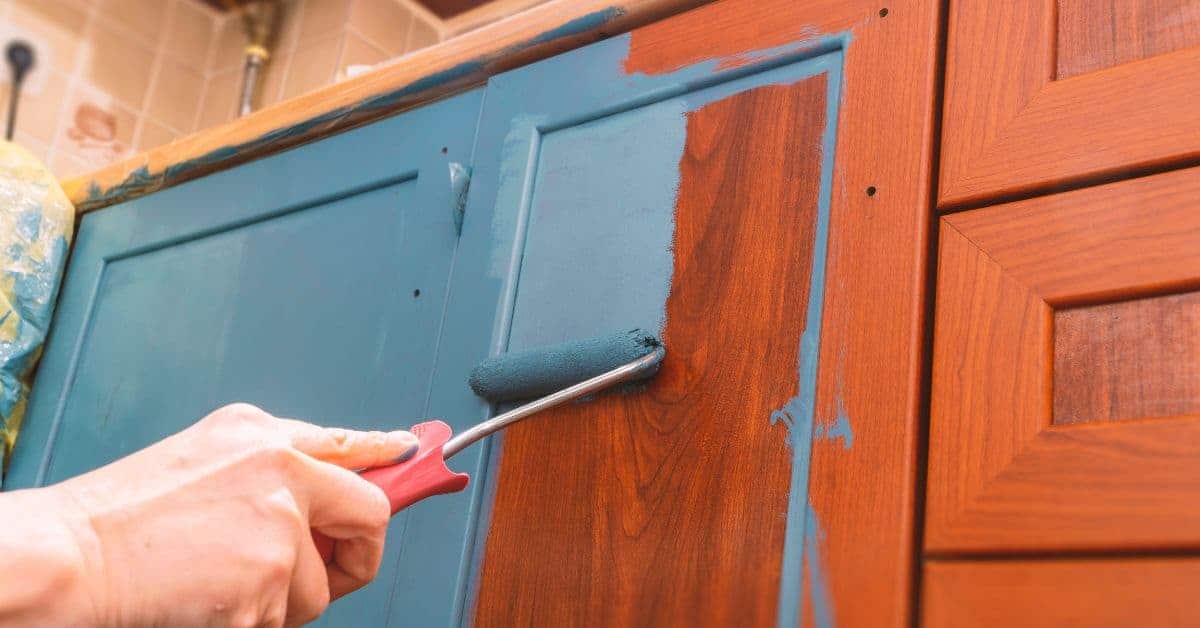
Choosing Paint and Application Method for HVAC Components
Identify suitable paint types and finishes for metal versus plastic components, focusing on durability and cleanability. Check if a primer is recommended for the surface you’re painting.
Compare finishes and choose the one that balances edge visibility with masking needs. Outline preparation steps and specify application methods for tight corners, flat faces, or tricky transitions. Consider safety, compatibility, and curing time in occupied spaces.
Best paint types and finishes for registers
When choosing paint for your HVAC registers, consider both the material and the desired finish.
Metal Registers: Opt for oil-based paints. They offer better adhesion, durability, and heat resistance. Water-based acrylics may not adhere well or last as long in high-heat areas. Always check with your HVAC manufacturer to ensure compatibility.
Plastic Registers: Water-based acrylic paints are suitable here. They’re easier to clean, less likely to yellow over time, and have lower VOCs. However, they may require a primer for better adhesion and coverage.
For finishes, satin or semi-gloss work best. They provide good edge visibility with easy cleaning while minimizing glare and masking requirements around louvers and grille slats.
Brush, roller, or spray — pros and cons
Each application method has its uses. Here’s when to choose one over the others:
Pros of using a brush
- Ideal for tight corners and intricate details.
- Allows for better control and precision.
- Great for touch-ups.
- Minimal overspray into ducts.
Cons of using a brush
- Can leave visible brush strokes on flat faces.
- Time-consuming for large areas.
- May require multiple coats to achieve desired coverage.
- Brushing can cause paint to build up in corners and edges.
Rollers are best for flat faces, while spray methods offer quick coverage but risk overspray into ducts. Choose based on part geometry, finish desired, and risk tolerance.
Techniques to avoid heavy coats and drips
Applying paint correctly is key to a long-lasting, clean finish. Here are techniques to avoid common mistakes:
- Thin, multiple coats: Apply thin layers, allowing each to dry before the next. This prevents buildup that can flake into the system.
- Avoid over-brushing: Be gentle when applying paint with a brush to avoid pushing too much paint onto the surface.
- Check for runs: Inspect your work after each pass, looking for any drips or runs. Address these immediately to prevent them from drying and becoming difficult to remove.
- Wipe excess paint: Use a damp cloth to wipe away any excess paint on the surface before it dries.
- Avoid painting near gaps: Be cautious when painting near gaps or openings to avoid seepage into unwanted areas.
By following these techniques, you’ll achieve a smooth, even finish that lasts.
Cleaning Paint from Grilles and Preventing Clogged Filters
Identify whether paint is wet or cured on grilles to select appropriate cleanup methods that won’t damage the grille. Use gentle solvents, lint-free cloths, or mechanical brushing as needed.
Plan steps to prevent clogged filters and ductwork, such as removing or sealing off filters and registers during painting. Include guidance for post‑paint inspection and safe reinstallation of components.
Immediate cleanup for wet paint
Act fast when you spot wet paint on grilles. The key is to remove it without damaging the finish or leaving residue.
For latex paints, use a damp lint-free cloth or microfiber brush. Gently wipe or brush off the excess. Rinse and air-dry afterwards.
For oil-based paints, use a gentle solvent like mineral spirits. Apply with a cloth, let it sit for 15-30 seconds, then wipe off. Rinse and air-dry.
Never use thinners on painted surfaces as they can damage the finish.
Removing cured paint safely
Cured paint requires a bit more effort. Start by gently scraping off any excess with a plastic scraper or putty knife.
For the rest, use a compatible solvent. For latex, try mild soap and water first. If that doesn’t work, move to a stronger solvent like denatured alcohol or lacquer thinner. For oil-based paints, use mineral spirits.
Test solvents on a small, hidden area first to ensure they won’t damage the finish. Work in small sections, applying the solvent with a cloth, letting it sit for 1-2 minutes, then scraping or brushing off the paint.
If the paint is stubborn or the grille is damaged, consider replacement. It’s cheaper than ruining the grille trying to remove the paint.
Checking and protecting filters after painting
After painting, inspect your HVAC filter. If it’s clogged with paint dust or overspray, replace it immediately to prevent ductwork issues.
Use a vacuum with a soft brush attachment to gently clean the filter if it’s not too dirty. Be careful not to damage the filter material.
If you notice any paint fragments in the ducts during your post-paint inspection, contact a professional. They can clean the ducts safely and effectively.
To prevent this in the future, seal off registers with plastic and tape before painting. Or, remove the filter entirely if it’s safe to do so with your HVAC system.
Re-Installation, Touch-Ups, and Post-Paint Checks
Re-hang and align the register so it sits flush and the frame is not warped. Avoid overtightening that could distort trim or seating.
Check that moving parts operate freely after reinstall, and perform precise touch-ups with feathering for seamless edges. Conduct a final airflow check and note any areas needing minor adjustments.
Re-mounting registers without scratching or misalignment
First, check your register’s gasket for any paint. If there is, clean it gently with a damp cloth to prevent damage.
When re-securing the register, fasten the top screw first, then the bottom one. This keeps the register level and prevents warping. Tighten them by hand, no power tools.
To protect painted edges, use a piece of cardboard or thin foam board as a shield. Place it between the wall/ceiling and the register’s edge while you’re securing it.
Doing targeted touch-ups without ruining edges
For small fixes, use a narrow paintbrush or an edge guard. This helps you paint only where needed, keeping your edges clean.
When touching up, feather the edges. Start with light strokes at the edge, gradually increasing pressure towards the center. This blends the touch-up into the existing paint.
To match the surrounding paint, use a small roller or a brush with a fine tip. Apply thin, even coats and let them dry completely between applications.
Final inspection and test run
Before you turn on your HVAC system, inspect for any missed spots or drips. This is your last chance to catch anything before it gets circulated.
- Open and close dampers: Ensure they move freely without obstruction.
- Test airflow at the grille: Place a piece of paper over the vent. When you turn on the system, it should hold steady.
- Listen for rattles or air leaks: Any unusual noises could indicate a problem with your reinstallation.
- Check for paint dust: Turn on the system briefly and look for any visible dust. If there is, you may need to clean your filters.
- Smell test: Run the system briefly and sniff around. Any unusual odors could indicate a problem with your paint or reinstallation.
- Verify return path isn’t obstructed: Look into your returns to ensure nothing is blocking airflow.
- Check for paint on grille teeth or gasket lines: If there is, clean it gently with a damp cloth.
- Compare color consistency: Make sure your touch-ups match the surrounding surfaces.
Quick rule: Always test your system after painting to ensure everything works as expected and no paint has gotten into the system.
Safety, Common Mistakes to Avoid, Timelines, and Cost-Saving Tips
Follow safety prerequisites such as powering off HVAC and using proper ventilation, PPE, and protective footwear. Confirm paint compatibility and avoid overspray onto ductwork.
Be mindful of common mistakes like under- or over-masking and skipping priming on bare metal. Plan timelines, batch tasks, and consider budget-friendly primers and reuse where sensible to protect registers without sacrificing quality.
Essential Safety Precautions and Ventilation
Safety first: Always turn off your HVAC system at the thermostat. Then, perform a lockout/tagout procedure to ensure it stays off.
Wear appropriate PPE: safety glasses, gloves, non-slip shoes, and a mask for dust protection. Solvents can pose a fire risk, so keep them away from heat sources and open flames.
Ensure good ventilation in the work area to prevent solvent buildup. If your HVAC system is complex or you’re unsure about any aspect, consult a professional before starting.
Common Mistakes and How to Avoid Them
Here are some common pitfalls to steer clear of when painting around HVAC registers and returns:
- Under/Over Masking: Too little tape leaves edges exposed, too much wastes material. Use high-adhesion painter’s tape sparingly but effectively.
- Not Cleaning Grilles Properly: Dirt and oils can cause poor paint adhesion. Always clean surfaces before painting.
- Using Incompatible Finishes: Furniture-grade or high-gloss paints may show brush/roller marks on metal grilles. Stick to paints designed for HVAC components.
- Skipping Priming: Bare metal needs a primer coat for better paint adhesion and durability.
- Ignoring Curing Times: Rushing through coats can lead to poor results. Allow adequate drying/curing time between steps.
Take your time, plan ahead, and follow these tips to avoid common mistakes.
Budget-Friendly Approaches and Timeline Planning
Save money: Remove grilles and paint them in small batches. This reduces overspray and makes the job easier.
Plan your work by room size. Larger spaces with textured surfaces will take longer. Allocate multiple days if needed to allow for adequate drying/curing time between coats.
Buy smart: Purchase multi-pack paint for consistency and to avoid running out mid-project. Consider budget-friendly primers designed for metal with good adhesion.
Clean hands and tools between coats to reduce waste. Touch up instead of full recoats where appropriate to save time and materials.
Conclusion
Getting clean, durable edges around HVAC grilles and returns is about control as much as color. Do it right and you protect filters, maintain airflow, and keep the room looking sharp without costly touch-ups later. Safety, attention to masking, and steady coats matter more than any single technique.
Now, act on it: confirm power is off where needed, protect surfaces and floors, clean and mask thoroughly, stir and test your paint on a hidden spot, apply in thin, even coats, and let each coat dry before the next. Re-install the grilles carefully, check for drips or sharp ridges, and do a final wipe-down and post-paint check while the area breathes. If anything feels off, back off and recheck your masking, ventilation, and drying times to avoid soaking into seams or filters.
Avoid common missteps by not painting on hot metal or in direct sunlight, not oversaturating tape or masking materials, and not forcing a finish that gums up grilles or slows airflow. Practice safety first, always test in a small area before committing, and aim for uniform edges with steady hands and proper protection. If you’re unsure about local codes, handling stubborn hardware, or you’re dealing with a complex duct layout, it’s reasonable to call a professional. Otherwise, stay methodical, keep the workspace clean, and you’ll finish confident and ready to move on. You’ve got this.
FAQ
How should I prepare the area around HVAC registers before painting?
Remove nearby furniture or cover it with drop cloths. Wipe the register housing with a damp rag to remove dust and oils so paint sticks better. If the grille comes off, remove it according to the maker’s instructions before masking.
What masking techniques give clean edges without tearing the finish?
Use painter’s tape flush to the grille edge, then press down firmly to avoid paint seep. Apply masking to the wall and bulkhead first, then the grille to protect both surfaces. Remove tape while the paint is still tacky to avoid peeling.
How do I clean the grilles before and after painting to avoid clogs and smudges?
Clean grilles with a mild soapy solution and a soft brush to remove dust. Rinse and let them dry completely before repainting. After painting, wipe any drips and reinstall only when the paint is dry to the touch.
Which paint types are generally suitable for HVAC components, and how should I apply them?
Choose a durable interior paint option recommended for metal or plastic HVAC parts, following the label. Apply thin, even coats and avoid heavy builds that can trap heat or rub off easily. If in doubt, check the manufacturer instructions or local guidelines for surface compatibility.