
Introduction
The most durable roofing material is the option that resists weathering and lasts the longest with proper installation and maintenance.
In practice, that means considering how well a roof stands up to wind, hail, temperature changes, and UV exposure. A good choice fits your climate, roof pitch, and maintenance plan. When comparing options, balance durability with installation practicality and how it will perform over time in your area.
When comparing metal and asphalt shingles, note how each handles durability, weight, and wind resistance. Think about upfront costs versus long‑term expenses, and how environmental factors like sun, moisture, and temperature swings influence performance. Always check manufacturer instructions and local building rules to scope what qualifies as the most durable option for your home.
Key takeaways
- Metal roofs offer longevity and low maintenance but require proper flashing and gauges.
- Asphalt shingles install quicker and cheaper upfront, yet lifespan varies with climate.
- Compare total cost: upfront price, maintenance, energy savings, and replacement frequency.
- Test standards guide performance but verify local codes and installer qualifications.
- Environmental factors influence choice: coastal salt, fire zones, shade, and wind.
- Safety: ensure proper fall protection and roof edge access during installation.
Table of Contents
- Introduction
- Key takeaways
- Quick Overview of Durable Roofing Materials
- How to Compare Roofing Materials: Decision Criteria
- Testing Standards and How to Interpret Them
- Metal Roofing Vs. Asphalt Shingles — in-Depth Comparison
- Durable Solutions for Flat and Low-Slope Roofs
- Warranties, Specs, and What to Verify Before Buying
- Cost, Energy Performance, and Environmental Considerations
- Choosing Installers, Dealing with Permits/Hoas, and Safety
- Conclusion
- FAQ
Quick Overview of Durable Roofing Materials
Durable roofing materials fall into a few main families: asphalt shingles, metal, slate or tile, composite, and single-ply membranes. Each has typical longevity and maintenance patterns in residential settings, but performance varies with climate and installation quality. Start by recognizing the general durability expectations for each family and how they fit your roof geometry.
Durability is a three-way mix: inherent material strength, how well it was installed, and site conditions like sun exposure, wind, and moisture. Look for labels that hint at performance, such as wind resistance, impact resistance, fire ratings, and warranties, and learn to read them quickly. Use practical cues about longevity, maintenance needs, and common failure modes to compare options.
Material family highlights
Choosing the right roofing material is crucial for longevity and performance. Each has its strengths and weaknesses.
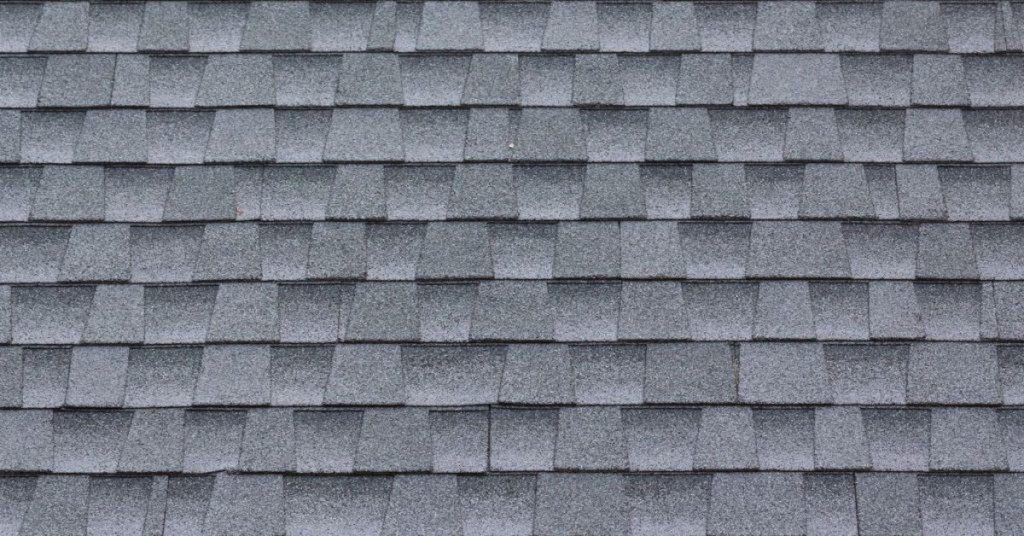
- Asphalt shingles: Inexpensive, easy to install. Look for high-quality fiberglass mats and algae resistance. Avoid low-grade materials that curl or crack quickly.
- Metal (steel, aluminum): Long-lasting, energy-efficient. Check thickness (29-36 gauge) and coating systems. Rust and denting can be issues with thin or poorly coated metal.
- Slate/tile: Natural stone or concrete. Heavy, durable. Expect high initial cost and complex installation. Cracking under impact is possible.
- Composite (plastic): Mimics slate or wood. UV-resistant, algae-proof. Check for Class A fire rating. Fading and cracking can occur with cheap products.
- Single-ply membranes: Lightweight, flexible. Ideal for flat roofs. Look for thick mil thickness (45-90 mil). Punctures are common failure points.
What ‘durable’ means in practice
Durability isn’t just about material strength. It’s how well a roof holds up under real-world conditions.
Wind resistance: Look for wind ratings (e.g., 110 mph). High winds can lift or tear off shingles, dent metal, or crack tiles.
Impact resistance: Hail and debris can damage roofs. Some materials offer impact-resistant options.
UV resistance: Sun exposure breaks down materials over time. Most modern materials have UV protection built-in.
Maintenance: Regular cleaning, inspections, and repairs extend service life. Expect to maintain your roof, regardless of material chosen.
How to Compare Roofing Materials: Decision Criteria
Define core decision criteria upfront: durability metrics, wind uplift, impact resistance, moisture protection, fire rating, and expected warranty terms. Compare these on a like-for-like basis using product literature and third-party verifications. Don’t skip installation compatibility notes that affect performance over time.
Evaluate total cost of ownership by including upfront price, installed cost, maintenance, energy effects, potential rebates, insurance, and resale value over the roof’s life. Also confirm roof weight limits, underlayment needs, ventilation, drainage, and climate-specific loads before choosing a system.
Step-by-Step Process
Follow these practical steps to compare roofing materials based on decision criteria, ensuring a thorough and efficient evaluation.
- Prepare the site: Clear debris, set up safety barriers, and ensure proper lighting for inspection.
- Check existing roof condition: Inspect the current roof’s structure, underlayment, and ventilation. Make notes of any damages or needed repairs.
- Gather material samples: Obtain samples from your shortlisted materials to compare directly on-site.
- Evaluate each material: Follow a consistent checklist (durability, wind uplift, impact resistance, moisture protection, fire rating) and note results for each sample.
- Perform simple tests: Conduct basic field tests like waterproofing or wind load simulations if possible. Document results.
- Review warranties: Compare warranty terms for each material, ensuring they meet your expectations.
- Calculate total cost of ownership: Estimate upfront installation costs, ongoing maintenance, energy efficiency impacts, potential rebates, insurance, and resale value over the roof’s life.
- Assess structural compatibility: Confirm roof weight limits, required underlayment, ventilation needs, drainage, and local snow/wind loads for each material.
- Consider aesthetics and regulations: Check color, texture, architectural compatibility, HOA or local code restrictions, fire zone requirements, and slope suitability for each option.
Performance criteria to prioritize
When comparing roofing materials, prioritize these technical attributes based on your climate and roof design:
Wind Resistance: Essential in areas prone to high winds. Look for materials with proven wind uplift resistance ratings.
Impact Resistance: Important if your area experiences hail or falling debris from storms. Choose materials that can withstand impact without damage.
Fire Rating: Crucial in fire-prone regions. Opt for Class A-rated materials offering the best fire resistance.
Waterproofing: Vital in areas with heavy rainfall or snow melt. Select materials with effective waterproofing and moisture protection properties.
Cost versus lifecycle trade-offs
To assess long-term value, compare upfront cost, expected replacement frequency, and maintenance needs:
Upfront cost is just the beginning. Consider how often you’ll need to replace the roof and its maintenance requirements over time.
High initial cost but low maintenance: Some materials may have a high upfront price but require little ongoing care, making them cost-effective in the long run.
Low initial cost with frequent replacement: Cheaper options might need replacing more often, leading to higher overall costs. Factor this into your decision-making process.
Testing Standards and How to Interpret Them
Common lab tests cover impact resistance, dynamic or impact testing, and uplift or wind-related evaluations. Look for weather-exposure simulations that reflect hail, wind, and moisture conditions. These tests guide how a product will perform under real storms.
Also check major third-party standards and certifications such as ICC-ES, FM Approvals, and UL listings. Verify the certification on product documentation and understand what each guarantee covers before relying on the claim.
Major impact and durability standards explained
The roofing industry uses several lab tests to rate a material’s resistance to impacts, wind, fire, and weather. These tests help you compare products objectively.
Impact Resistance: UL 2218 is the most common test for shingles. It uses steel balls dropped on samples from varying heights to simulate hail or debris impact. Results are Class 1-4, with 4 being most resistant.
Wind Uplift: ASTM D6380 tests a material’s resistance to wind forces. Results are given in pounds per square foot (psf). Higher numbers mean better performance against wind lift-off.
Always look for independent third-party certifications like ICC-ES, FM Approvals, or UL listings. These ensure products meet or exceed specific standards. Don’t rely solely on manufacturer claims.
Why lab tests may not match field performance
Lab tests provide valuable data, but real-world conditions can alter a product’s performance. Here are some factors to consider:
Roof Age: Older roofs may have degraded materials that perform differently than new ones in the lab.
Temperature: Extreme heat or cold can affect how a material responds to impacts or wind forces.
Installation Quality: Poor installation can compromise a product’s performance, even if it passed lab tests.
Roof Slope and Supporting Structure: Steeper slopes and weaker structures may cause a material to perform differently than in controlled lab conditions. Always consider these factors when comparing test results to your specific situation.
Metal Roofing Vs. Asphalt Shingles — in-Depth Comparison
Durability facets include hail impact, wind uplift, fire resistance, and performance through freeze-thaw cycles for both metal and asphalt. Compare how each handles real-world weather over time in your climate. Consider typical failure modes like rust or granule loss when evaluating long-term reliability.
Structural and weight differences matter: metal generally weighs less or more depending on deck design, which affects retrofit plans. Think about installation complexity, typical timelines, and how underlayment or fastening systems influence labor costs and outcomes.
Metal Roofing: Pros, Cons, and Ideal Use Cases
Metal roofs are tough. They can take a beating from hail or wind without showing much damage. Corrosion resistance is another plus. Metal won’t rot like wood or grow mold like asphalt.
But metal’s not perfect. It costs more upfront than other materials. You need skilled installers to get it right, and they’re not cheap either. Also, metal expands and contracts with temperature changes. This thermal movement can cause issues if not accounted for in installation.
Metal is ideal for homes that stay in the family for generations. It lasts long – 40 to 70 years or more. Plus, it’s great at reflecting heat, saving on cooling costs.
Asphalt Shingles: Pros, Cons, and Ideal Use Cases
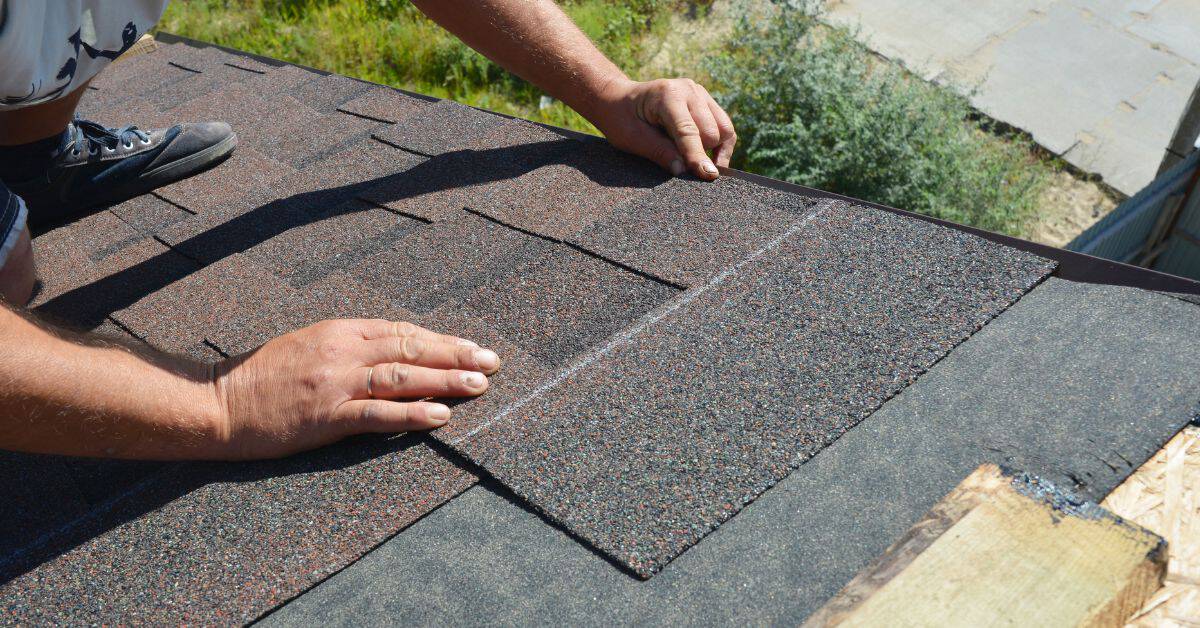
Asphalt shingles are easy on the wallet. They’re also simple to install, making labor costs lower too. You can find them everywhere, so replacement is never a hassle.
However, asphalt’s not built to last like metal. Many products only last 15 to 30 years. And they’re vulnerable to hail and wind unless you buy impact-rated ones. Asphalt also loses granules over time, staining your roof and gutters.
Asphalt is good for homes where budget or short-term occupancy are concerns. They’re flexible too, so they work well on complex roof designs.
Matching Material to Your Property Lifecycle and Roof Design
Choosing the right roofing material depends on how long you plan to keep your home and its design. Here’s what to consider:
- Long-term stay (20+ years): Consider metal for longevity, energy efficiency, and low maintenance.
- Short-term occupancy: Asphalt might be the way to go for affordability and ease of replacement.
- Complex roof design: Asphalt’s flexibility makes it a good choice for intricate designs. Metal may require additional support due to its weight.
- Structural load limits: Check your home’s framing can handle the weight of your chosen material. Metal is heavier than asphalt.
- Aesthetics and resale value: Consider what looks best with your home’s style and what potential buyers might prefer.
Durable Solutions for Flat and Low-Slope Roofs
For low-slope roofs, define the target assemblies and where each membrane excels or falters. This helps you steer toward a system that matches your durability goals without over- or under-building. Avoid mismatches that compromise performance later on.
Compare main membrane options—EPDM, TPO, PVC, BUR, a