
Introduction
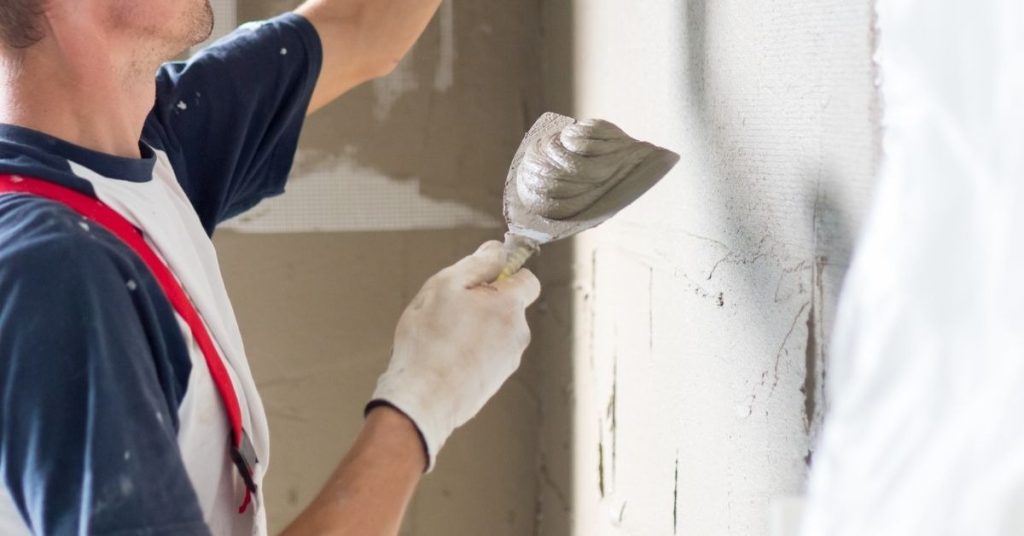
Matching wall texture after plaster repairs means blending new texture with existing wall so the repaired area looks seamless. The goal is a finish that doesn’t draw attention to the repair. Keep the approach practical and unobtrusive, focusing on a natural transition rather than a perfect patch.
You’ll need the right tools and the right timing to blend textures effectively. Check the plaster manufacturer’s instructions and local rules for surface prep, drying, and finishing, and keep your work area consistent with ambient conditions. If in doubt, test a small area first and adjust techniques based on how the material responds.
Key takeaways
- Quickly identify texture and damage by visual scan and light-tap tests with a damp sponge.
- Gather tools and materials: trowels, blades, brushes, mixing containers, setting-type compound per manufacturer.
- Match texture types with feathered edges and minimal feather on surrounding wall.
- Choose material specs by reading labels for aggregate, hardness, and cure behavior.
- Timing note: follow recommended drying and curing cues without rushing.
- Surface prep and feathering: keep edges tight, damp-sand between coats, maintain smooth transitions.
- Safety: wear eye protection, mask, and gloves; ventilate area when sanding or mixing.
Table of Contents
- Introduction
- Key takeaways
- Quick Assessment: Identify Existing Texture and Damage
- Tools and Materials Checklist
- Matching Common Texture Types and Techniques
- Material Specs and Compound Selection Explained
- Timing: Drying, Curing, and Optimal Wait Times
- Surface Prep and Feathering Techniques
- Step-by-Step Application Workflow
- Visual Checkpoints and Quality Control
- Conclusion
- FAQ
Quick Assessment: Identify Existing Texture and Damage
Begin by inspecting the repair area and the surrounding wall to identify the texture type and scale. Look for differences in sheen, roughness, and edge sharpness that hint at what texture needs to be matched. Also note the extent of damage beyond the repaired spot so you don’t miss underlying issues.
Consider how thick the existing texture is and whether the repair area will require blending into a larger surrounding patch. Decide on the general approach before choosing tools or timing, and keep notes so you don’t overshoot the match. If you’re unsure about texture type, verify guidance on the product label or manufacturer instructions.
Documenting and photographing the area
Before you start any repairs, grab your camera. You’ll need to capture the existing texture from multiple angles.
Stand back and take wide shots to show the overall pattern. Then, move in close for detailed pictures of the texture itself. Don’t forget to note the lighting conditions – natural or artificial – as this can greatly affect how the texture appears.
Why is this important? These photos will serve as a reference when you’re ready to match the texture. They’ll also help if you need to consult with professionals or suppliers.
Determining the texture style and pattern repeat
Now, let’s figure out what kind of texture you’re dealing with. Get up close and personal – use both your eyes and hands to inspect.
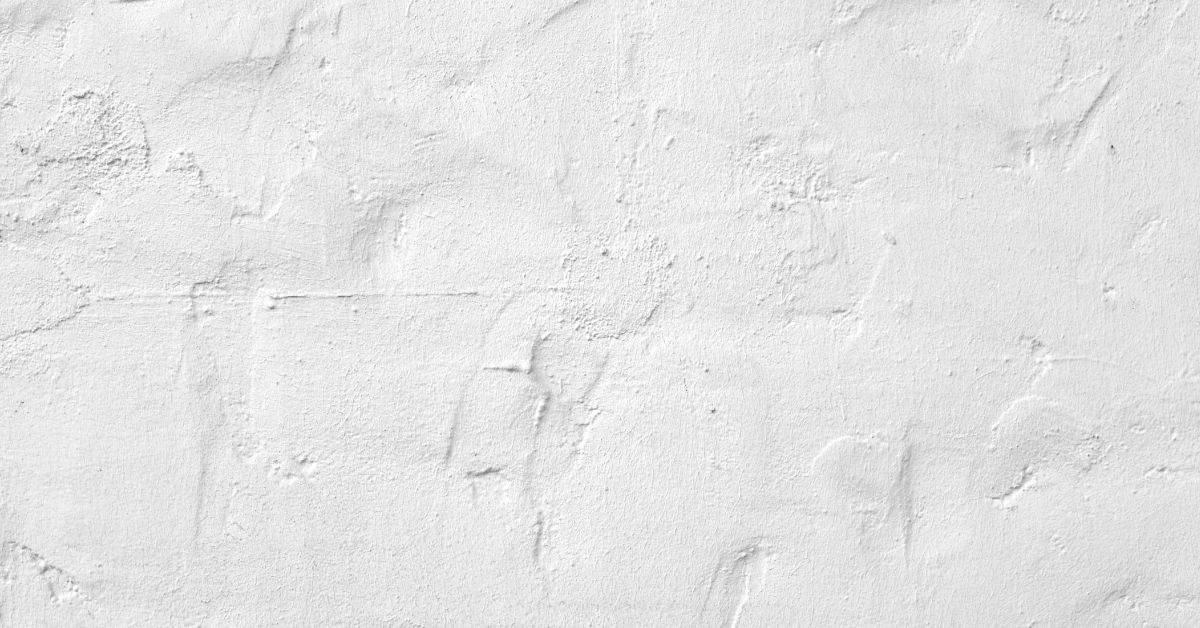
For smooth textures, it’s just that – smooth. No bumps or ridges. For orange peel, it’ll feel like the skin of an orange under your fingers. Knockdown will have a rough, pitted surface. Skip trowel leaves visible trowel marks. And stipple is characterized by small dots or flecks.
Look for any pattern repeat – how often the texture repeats within a certain area. This will help you match it later on.
Measuring size and depth of damage
Time to assess the extent of the damage. Grab a measuring tape and get ready to take some notes.
First, measure the length and width of the damaged area. This will help you decide if you need a simple skim coat or full plaster replacement. A small patch might only require a quick skim, while larger areas could need a more involved repair.
Next, check the depth of the damage. Use a ruler or a piece of wood to feel out any deep gouges or holes. The deeper the damage, the more material you’ll need to fill it and match the surrounding texture.
Tools and Materials Checklist
Put together a basic kit of hand tools (trowels, knives, sanding block), spray options if you’re matching with texture spray, and the appropriate compounds for your repair scale. Include a clean water bucket, mixing tools, and a spray bottle for dampening the surface. Don’t forget surface prep items like masking, scrapers, and a good dust mask.
For different patch sizes, have options for setting-type compounds, topping compounds, and traditional plaster if needed. Keep a quick reference of what each item is used for and check labels for application guidance and cure recommendations before you start.
Essential hand tools and accessories
Before you start mixing or applying concrete, make sure you have all the necessary hand tools and accessories. This checklist will help you ensure nothing is missing.
- Putty Knives ( various sizes ): Check for sharp edges and no bends. They’re crucial for smoothing and finishing surfaces.
- Trowels ( 6″ to 12″ ): Inspect for straight edges and secure handles. Trowels are essential for spreading, leveling, and finishing concrete.
- Sanding Blocks ( coarse & fine grit ): Ensure they’re in good condition with no missing or loose sandpaper. They help smooth and finish surfaces after troweling.
- Hawk ( 12″ to 16″ ): Check for stability and no cracks. A hawk helps hold and transport concrete mix while working.
- Mixing Tools ( shovel, hoe, rake ): Inspect for sturdy handles and functional heads. These tools help combine cement, water, and aggregates efficiently.
Quick rule: Always have a mix of trowel sizes on hand to tackle different areas and details in your concrete project.
Spray equipment and nozzle tips
Use this checklist before starting your concrete spraying job to ensure you have the right equipment and nozzle tips for your chosen compound.
- Check sprayer type: Ensure it’s compatible with your chosen compound. Handheld texture sprayers are great for small jobs, while compressor-driven sprayers offer more power for larger areas.
- Inspect air filter (compressor-driven): Check for any dirt or debris that could clog the system. Clean or replace if necessary.
- Verify hose length: Ensure it’s long enough to reach all areas without straining or kinking.
- Check nozzle tip size: Match the tip size to your compound’s recommended spray width (usually on the product label). Too small and you’ll clog; too large and you won’t get the desired finish.
- Test spray pattern: Before starting, test your setup with water to ensure a consistent, even spray pattern. Adjust nozzle tip or pressure as needed.
- Inspect safety equipment: Ensure you have safety glasses, gloves, and ear protection (for compressor-driven sprayers) in good condition.
- Check compound viscosity: It should be fluid enough to pass through your nozzle tip but not so thin that it sprays too far. Adjust with water or additive if needed.
- Verify pressure settings: Follow the manufacturer’s guidelines for your specific sprayer and compound. Too high and you’ll overspray; too low and you won’t get full coverage.
Quick rule: Always test your setup before starting to avoid costly mistakes and ensure a professional finish.
Materials and consumables
Before starting any repair work, ensure you have all the necessary materials and consumables. This checklist will help you verify each item to avoid costly mistakes.
- Joint Compound: Check label for type (setting or non-setting) and sand consistency (fine, medium, or coarse). Ensure it matches your project’s needs.
- Setting Plaster: Verify it’s suitable for your climate and application. Check the manufacturer’s instructions for mixing ratios and setting times.
- Primer: Confirm it’s compatible with your chosen joint compound or plaster. Check if it’s a bonding, sealing, or both primer.
- Tape: Ensure it’s the right type (paper-faced, fiberglass, or mesh) and width for your joints. Check if it’s suitable for setting plasters.
- Patching Mesh: Verify it matches your tape’s width and is compatible with your chosen joint compound or plaster.
- Safety Gear: Check you have a dust mask, safety glasses, gloves, and ear protection. Ensure they meet local safety standards.
- Protective Clothing: Verify you have long sleeves, long pants, and sturdy boots to protect against debris and chemicals.
- Cleaning Supplies: Check you have a sponge, bucket, water, and a suitable cleaner for removing excess compound or plaster.
Quick rule: Always check product labels and manufacturer instructions to ensure compatibility and correct usage. Skipping this can lead to poor adhesion, improper setting, and costly rework.
Matching Common Texture Types and Techniques
Describe the visual goals for each texture type you commonly encounter and map them to a practical technique. Think in terms of the pattern you aim to reproduce and the scale of the texture you’ll apply. Keep in mind how the finished area should look under typical room lighting and from adjacent walls.
Note which application method tends to reproduce each pattern, such as brushing, splattering, or spray-application, and how to adjust for depth and edge softness. If you’re unsure, check manufacturer recommendations or test on cardboard or a scraps area before applying to the wall.
Smooth, fine-skim, and sand finishes
For a smooth or fine-textured wall, you’re aiming for a thin skim coat. This means applying a thin layer of concrete over your base to give it that polished look.
Check your base compaction. A solid base is key here. If it’s not up to par, your smooth finish will crack or crumble. Use a tamper for best results.
Now, mix your concrete. For a fine skim, use a higher cement-to-sand ratio, around 1:4 or 1:5. This gives you that smooth consistency you’re after. Pour it on and spread it out with a trowel, keeping it thin. Let it set, then finish off with a float to smooth out any imperfections.
Spray textures: orange peel and popcorn
Alright, listen up. We’re talking spray textures here – orange peel and popcorn. You’ve got your setup, right? Check your sprayer’s manual to make sure you’ve got the right nozzle for the job.
Pressure is key. Too much, and you’ll get a smooth finish instead of texture. Too little, and it won’t stick. Start around 60-80 PSI, adjust as needed. Check your material – it should be like thin pancake batter.
Now, distance. For orange peel, you want about a foot away. Popcorn’s trickier – start at 12-16 inches, adjust until you get the right size ‘bubbles’. Move slow and steady, keep your arm straight. And remember, always wear a mask and goggles.
Knife/trowel textures: knockdown, skip trowel, and swirl
After pouring your concrete, you’ve got a small window to create these trowel-based textures. Here’s how:
Knockdown: Start by using a straight edge trowel to smooth the surface. Then, switch to a knockdown trowel (with teeth on one side). Hold it at a 45-degree angle and pull towards you in long, steady strokes. The teeth will leave small peaks. Use a bullfloat to knock these down gently.
Skip Trowel: Similar to knockdown, but use a skip trowel (with spaced teeth) instead. This leaves larger, more spread-out peaks. Again, use a bullfloat to flatten the peaks slightly, leaving a textured surface with visible trowel marks.
Swirl: For this one, you’ll need a magnesium float with a swirling pattern. After smoothing with a straight edge trowel, hold the float at a 45-degree angle and make circular motions to create swirls. Use a bullfloat to smooth out any high spots.
Material Specs and Compound Selection Explained
Clarify the differences between setting-type compounds, topping compounds, and traditional plaster, focusing on how each behaves during application. Consider workability, open time, and how they take texture once dried. This helps you plan the workflow without surprises.
Understand how choice affects work speed and the final texture you’ll achieve, and avoid mixing products with incompatible setting times. When in doubt, consult the product data sheet or manufacturer instructions for compatibility and recommended uses.
Plaster vs Joint Compound: Performance Differences
When it comes to repairing and texturing walls, you’ve got two main options: plaster or joint compound. Each has its own strengths and weaknesses.
Plaster is great for new construction or major repairs. It adheres well to bare drywall and has minimal shrinkage. But it’s messier to apply and sets faster, giving you less working time.
Joint compound, on the other hand, is ideal for smaller repairs and touch-ups. It’s easier to work with and sands smoother. However, it doesn’t adhere as well to bare drywall and can shrink more, leading to cracks over time.
For small repairs or touch-ups, joint compound is your best bet. But for larger areas or new construction, plaster might be the way to go.
Additives, Primers, and Bonding Agents
To get a smooth, lasting finish, you’ll need more than just compound. Additives, primers, and bonding agents play a crucial role.
Bonding agents help your compound stick to the surface. Use them when repairing old plaster or painting over existing textures. Retarders slow down set time, giving you more working time. They’re handy for large areas or hot, dry conditions.
A primer or sealer is a must before texturing new drywall. It seals the surface, preventing tannins from bleeding through and ensuring your texture adheres properly.
Always follow manufacturer guidelines when using additives. A little goes a long way, and too much can cause problems with setting and adhesion.
Choosing Setting Times and Workability
The time it takes for your compound to set and dry is crucial. You want enough working time to get the job done, but not so much that it dries out before you’re finished.
Check the manufacturer’s guidelines for set (when the compound becomes firm) and dry times. These can vary greatly depending on the product and conditions. In general, expect set times of 15-45 minutes and dry times of 24 hours or more.
Humidity and temperature affect drying time. Warmer temperatures and lower humidity speed up drying, while cooler temps and higher humidity slow it down. In hot, dry conditions, consider using a retarder to extend working time.
For small repairs, faster-setting compounds might be fine. But for larger areas or texturing, slower-setting compounds give you more time to work. Just make sure they’re not too slow, or you’ll be waiting around all day.
Timing: Drying, Curing, and Optimal Wait Times
Outline how long to wait between steps like application, feathering, sanding, priming, and painting. Recognize that environmental conditions such as temperature and humidity can change drying behavior. Plan for slightly longer times if the space is drafty or cool.
Emphasize checking product labels for cure times and ventilation needs instead of guessing. If you’re uncertain about timing in your space, verify with the manufacturer instructions or local guidance before proceeding to the next step.
Drying before sanding and texture application
Before you start sanding or applying your chosen wall texture, let the compound dry completely. Follow the product instructions for exact drying times.
Signs of dryness: The compound should feel hard to the touch, not sticky or soft. It shouldn’t leave any residue on your fingers when touched lightly.
Rushing this step can lead to improper adhesion and a poor final result. Be patient, it’s worth the wait.
Waiting between texture and topcoat/paint
After applying your wall texture, allow it to cure before painting. This ensures proper adhesion of the paint.
Cure time: Most textures need 24-72 hours to fully set, depending on the type and manufacturer’s instructions. Check these for exact times.
Priming is usually recommended after texture application but before painting. This helps seal the surface and improves paint adhesion. Wait until the texture is completely cured before priming.
Impact of humidity and temperature
High humidity or cold temperatures can slow down drying times significantly. Here’s how to mitigate these issues:
Humidity: If it’s humid outside, keep your windows closed and use fans or dehumidifiers to reduce moisture in the room. This speeds up drying.
Cold temperatures: If it’s cold, consider using a space heater or heat lamps to warm up the area. You can also extend wait times between steps to ensure everything dries properly.
Surface Prep and Feathering Techniques
Detail how to clean the surface, remove dust, and lightly abrade to improve adhesion. Explain edge feathering to create a seamless transition between patched and original texture. Focus on creating a soft, paint-ready edge rather than a raised seam.
Describe blending methods to reduce visible seams and help the patched area disappear into the surrounding texture. Use light, controlled motions and test with a wipe or light spray to gauge feathering effectiveness. If you’re unsure, refer to preparation guidelines on product instructions or data sheets.
Sanding, cleaning, and edge beveling
Before you start blending your patch, sand the area smooth. Use a fine-grit sandpaper, like 120 or 150 grit. Sand with the grain of the texture to avoid scratches.
Safety first: Wear a dust mask and safety glasses. Keep the area damp to control dust.
Once sanded, clean the area thoroughly. Remove all dust and debris with a tack cloth or damp sponge. This ensures your new compound sticks well.
Now, thin the edges of your patch. Use a joint knife to lightly score the edge at a 45-degree angle. This helps blend the patch into the surrounding wall.
Bonding old plaster to new compound
To make sure your new compound sticks, you need to create a good bond with the old plaster. Start by scoring the old surface with a utility knife. This creates tiny grooves that give the new compound something to grab onto.
Next, apply a bonding primer. This stuff goes on like paint and helps the new compound stick better. Let it dry according to the manufacturer’s instructions.
If you’re still having trouble getting a good bond, try using a mesh tape. Apply it over the old plaster before you start your patch. The new compound will stick to the tape, giving you a solid base for your repair.
Feathering transitions to surrounding texture
To blend your patch into the surrounding wall, you need to feather the edges. Start by applying compound to the center of your patch. Use a wide putty knife to spread it out towards the edges.
As you reach the edge, thin the compound out. Use less pressure on the putty knife and pull it along the edge at a 45-degree angle. This tapers the compound thickness, creating a smooth transition.
Now, use your texture tool to blend the pattern. Start at the center of your patch and work out towards the edges. Use long, even strokes and follow the existing texture’s pattern. This helps the new texture blend in with the old.
Step-by-Step Application Workflow
Provide a practical, ordered workflow for small repairs that emphasizes minimal steps and quick checks. Include prep, texture technique, and a light sanding pass before moving forward. Keep the sequence simple enough to follow on-site without backtracking.
Offer a workflow for medium and large repairs that integrates more thorough masking, multiple thin passes, and staged drying periods. Remind readers to adapt the sequence if material instructions or environmental factors vary, and verify steps against the product label or manufacturer instructions.
Step-by-Step Process
This section guides you through the entire process of matching wall texture after plaster repairs, from preparation to final touches.
- Preparation: Check your safety gear – gloves, goggles, and a dust mask. Gather tools like trowels, joint knives, sandpaper, and any compounds or additives needed.
- Main Work: For small repairs, use a joint compound. For larger areas, consider a setting-type compound. Apply the compound using a trowel or knife, following the existing texture pattern.
- Feathering: Ensure smooth transitions between new and old textures by feathering the edges of your repair with a damp sponge or sandpaper.
- Drying & Sanding: Allow the compound to dry according to the manufacturer’s instructions. Lightly sand any rough spots using fine-grit sandpaper.
- Finishing Touches: Wipe down the area with a damp cloth to remove dust. Inspect your work, and if satisfied, proceed with painting or wallpapering.
Small patch workflow (DIY-friendly)
For single-hole or hairline patches, follow this quick and easy DIY-friendly workflow.
Clean-up: Remove any loose material and dust from the area. Vacuum if necessary.
Application: Using a joint knife, apply a thin layer of joint compound to the patch. Let it dry according to the manufacturer’s instructions.
Finishing: Lightly sand any rough spots. Wipe down with a damp cloth and allow to dry before painting.
Medium/large area workflow
For medium to large repairs, follow this multi-layer approach to maintain a seamless blend with the existing texture.
Sectioning: Divide the repair area into manageable sections. Work on one section at a time to avoid overworking the compound.
Layering: Apply the first layer of compound thinly, allowing it to dry. Inspect for any missed spots or imperfections before applying the next layer. For larger areas, consider using a setting-type compound and working in grids or strokes to maintain consistency.
Finishing: Once completely dry, lightly sand any rough spots. Wipe down with a damp cloth and allow to dry before painting.
Using sprayers vs manual methods
Both spray application and hand-applied textures have their pros and cons. Here’s how to approach each method:
Spray Application: Set up your sprayer according to the manufacturer’s instructions. Test a small patch first to ensure the texture matches. Cleanup involves rinsing the sprayer thoroughly after use.
Manual Methods: Using trowels or knives, apply the compound by hand, following the existing texture pattern. This method offers more control but can be time-consuming for large areas. Cleanup involves washing tools with water immediately after use.
Visual Checkpoints and Quality Control
Give a checklist of visual and tactile checks to confirm a match before priming and painting. Look for uniform texture, consistent color under normal lighting, and a smooth transition at the edges. Include a light test—shifting angles can reveal seams or differences in sheen.
Offer tips for testing under different lighting conditions to catch hidden irregularities. If anything looks off, go back to feathering, sanding, or additional passes, and consult the product data sheet or manufacturer instructions for guidance on adjustments.
How to evaluate texture match and depth
Before you prime and paint, use this checklist to ensure your new plaster patch blends seamlessly with the existing texture.
- Texture height: Run your fingers over the patch. The new area should feel similar in roughness to the surrounding wall.
- Shadow patterns: Check how light and shadow fall on both areas. They should create similar patterns.
- Tool marks: Inspect for any visible tool marks or inconsistencies in the new patch.
- Feathering edges: Ensure transitions from old to new are smooth and gradual, with no abrupt changes in texture depth.
- Color match: While you’ll paint later, check if the new plaster’s base color blends with the surrounding wall. If not, adjust your compound mix.
- Sanding consistency: Ensure both areas feel equally sanded and smooth.
- Check corners: Inspect where walls meet ceilings or other walls for any texture mismatches.
- Large area check: Step back and view the entire patched area. It should blend seamlessly with the rest of the room.
Quick rule: If anything feels or looks off, recheck your work or make adjustments before proceeding.
Lighting and viewing distance tests
Before signing off on your patch job, view it under different lighting conditions from various distances to catch any discrepancies.
- Natural light: Check the patch during daytime with natural light. It should match the surrounding wall.
- Artificial light: Inspect the patch at night under artificial lighting. The texture should still blend seamlessly.
- Close-up view: Examine the patch up close to ensure no visible seams or inconsistencies.
- Far view: Stand across the room and check if the patch blends with the rest of the wall.
- Angled light: Check how light hitting at an angle affects the appearance of both areas. They should reflect similarly.
- View from different angles: Inspect the patch from various angles around the room to ensure consistency.
Quick rule: If the patch looks off under any lighting condition or viewing distance, make adjustments before proceeding.
Test patches and iterative adjustments
Before tackling your entire project area, create test patches to fine-tune your technique and material mix.
- Small test patch: Apply a small test patch in an inconspicuous area using your planned method and materials.
- Observe drying: Let the test patch dry completely to see how it looks once cured.
- Evaluate texture: Check if the test patch’s texture matches the surrounding wall. If not, adjust your tooling or application method.
- Check color: See if the test patch’s base color blends with the existing wall. Adjust your compound mix as needed.
- Sanding test: Sand the test patch and check if it feels similar to the surrounding wall.
- Lighting test: Inspect the test patch under different lighting conditions to ensure a good match.
- Iterate adjustments: Based on your observations, make necessary changes to your method or materials before proceeding with the full project area.
Quick rule: Only once you’re satisfied with your test patch should you proceed with the rest of your project area.
Conclusion
Getting a seamless wall texture after plaster work comes down to timing, prep, and disciplined application. If you respect drying and curing windows, you protect the repair from cracking and keep the finish durable and looking right.
First, confirm you have the right texture match in the area, then check that the surface is clean, dry, and properly feathered before you apply any coating. Next, mix and apply in small, controlled steps, test a hidden patch first, and allow the material to dry at the recommended pace. Finally, finish with visual checks and touch-up passes in the natural room light to confirm the texture reads evenly across the repaired zone.
Common mistakes to avoid are skipping the drying times or rushing the feathering, which can trap moisture and show through as cracks or ridges; using the wrong compound or too thick a layer in a single pass; and neglecting safety gear or venting, which invites dust, fumes, and poor adhesion. Always work in a well-ventilated space, wear eye protection and a mask when sanding or mixing, and test a small area first to confirm you’re not causing more damage.
If the patch still fails to blend after careful testing and the texture is stubborn or large, don’t hesitate to call a professional. A skilled contractor can match texture precisely and ensure long-term durability. Stay steady, follow the steps, and you’ll restore a clean, durable finish that stands up to daily use.
FAQ
How do I blend a new texture with the existing plaster texture without it looking apart?
Match the roughness by lightly feathering the edges of the repair. Do a small test patch to see how it dries, then tweak your technique to blend in rather than stand out.
What drying window should I expect before applying a texture coat?
Always check the product label for drying guidance. Conditions like temperature and humidity change times, so follow the manufacturer instructions and adapt to your job site.
Can I texture directly over peeling paint or loose plaster?
No. Scrape off loose material, rinse or wipe dust, and let the area dry. If you’re unsure, check product instructions and local rules before proceeding.
How do I inspect the finish and fix misses without starting over?
Look for uniform texture, light reflections, and feathered edges. If something looks flat or glossy, apply a thin additional pass and feather the edges until it blends.