
Brick & Block Guides: Start Here
This hub is for masonry work—brick, block, mortar, joints, repairs, and the basics that make projects look straight and last.
If you’re new to masonry, focus on layout and mortar control first. That’s what makes the difference between “DIY” and “clean job.”
Start here
Mortar selection (pick the right stuff first)
- Mortar type chart (N, S, M, O) with common uses
- Type N vs Type S mortar: which to use for brick and block
Mortar control (mixing, consistency, and workability)
Joints & repointing (technique that looks pro)
Color match & cleanup (the “clean job” finish)
Moisture, sealing & damage (make it last)
- Efflorescence on brick and block: removal that doesn’t make it worse
- Seal brick safely: breathable sealers vs film coatings
- Spalling brick: why faces pop off and how to stop water damage
Latest brick & block posts
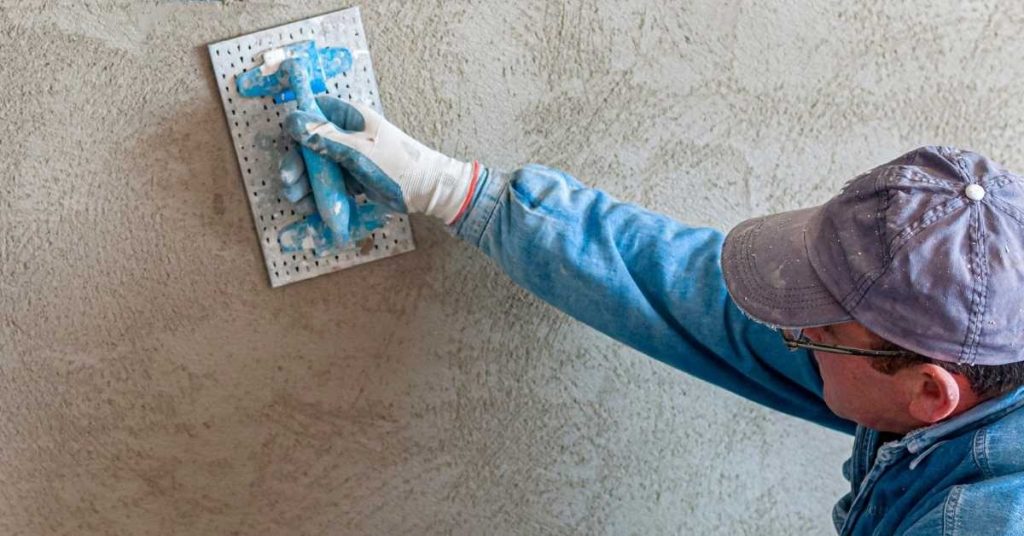
Scaffolding and pump jacks for stucco and masonry work: stability checks and plank setup basics
Introduction Scaffolding and pump jacks are temporary work platforms used to reach stucco or masonry work safely. They rely on stable frames, proper planking, and correct setup to support workers and tools. Check base stability, footing, and connections before starting any task. Stability checks include verifying level bases, secure braces, and guardrails, and inspecting for wobble or shifting during use. When setting planks, make sure they span the frame securely,…
Turning a cheap shop vac into a concrete and masonry silica setup: what works, what’s a false sense of safety
Introduction A cheap shop vac is not a proper silica dust containment or filtration system for concrete and masonry work. It can help with light cleanup but it does not reliably protect you from fine dust exposure. Use it only for basic cleanup and verify what it can and cannot do by checking the product label and manufacturer instructions. What works safely is clearly defined by proper containment, ventilation, and…
Pressure washer setup for masonry: PSI limits, fan tips, and avoiding etching
Introduction Pressure washer setup for masonry means choosing safe pressure, nozzle tips, and technique to clean without damaging surfaces. Start with the lowest effective pressure and test on a small area to see how the surface responds. Keep a steady distance and avoid aggressive passes that can etch or gouge the mortar. Choosing the right fan or jet tips and following the nozzle technique helps balance cleaning power with surface…
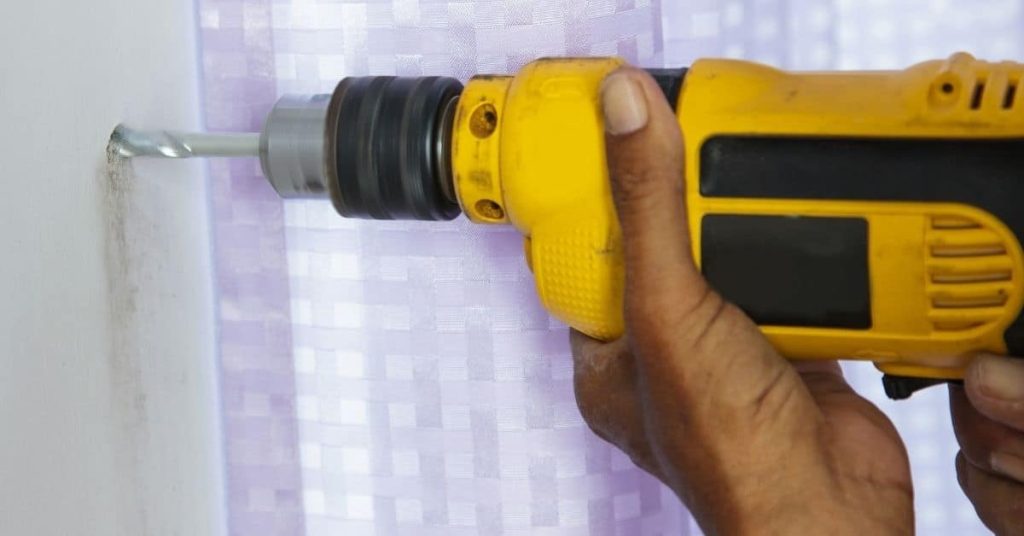
Masonry anchors compared: sleeve, wedge, tapcon, and epoxy
Introduction Masonry anchors secure items to brick or concrete by gripping into the material. This guide compares sleeve, wedge, tapcon, and epoxy anchors, focusing on their grip mechanisms, installation methods, and ideal applications. Each anchor type has a unique setup and installation approach: Sleeve and Wedge Anchors: These use expansion grip to secure into place. Follow manufacturer instructions for proper embedment depth, edge distance, and load capacity. Tapcon Anchors: These…
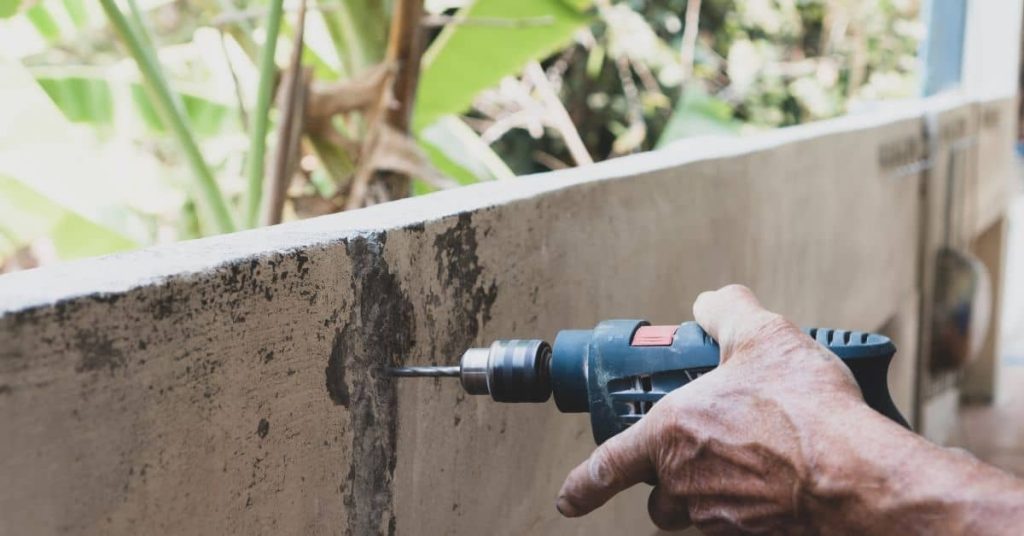
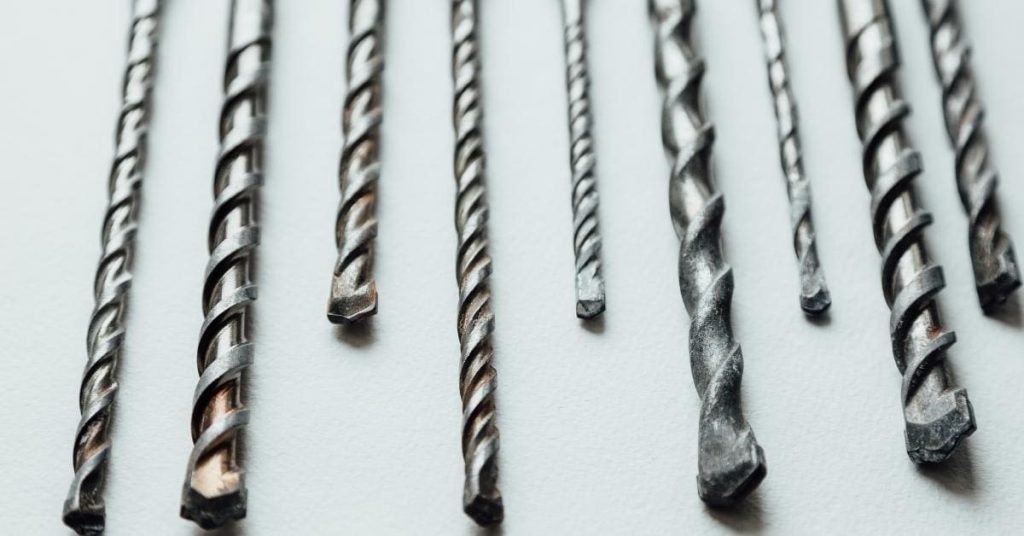
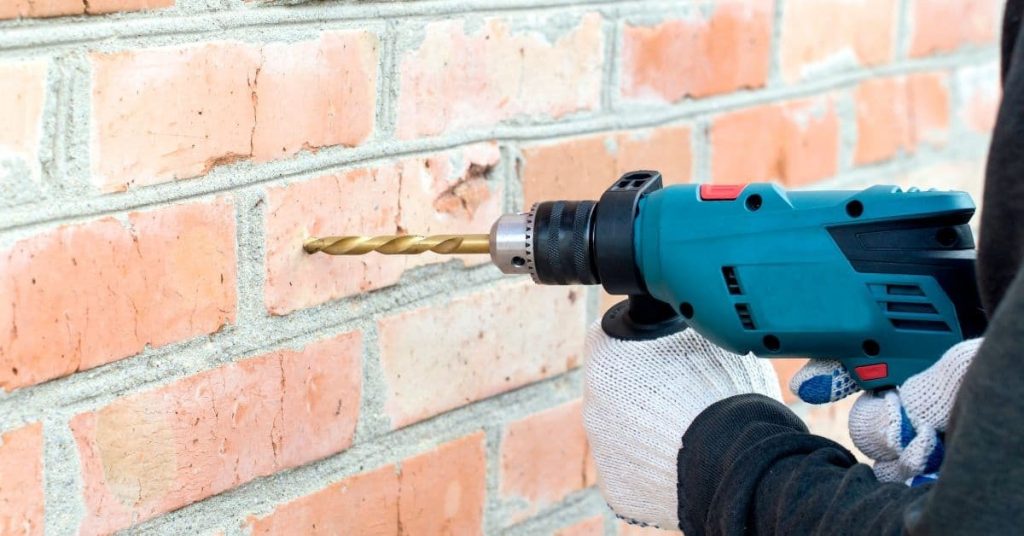
Drilling into masonry: SDS settings, bit types, and how to stop wandering
Introduction Drilling into masonry means using a hammer drill with an appropriate SDS bit to bore into brick, concrete, or stone. This article gives a practical overview of choosing settings, bit types, and how to keep the drill from wandering. It sticks to plain language and hands‑on tips for real work on the job site. To start, verify the correct SDS setting for your material and bit, and follow the…

Wet saw vs grinder for brick and block: cut quality, dust, and speed tradeoffs
Introduction Wet saws cut brick and block with water cooling and a fixed blade, offering dust control and different cut quality than grinders. A grinder can cut faster on rough brick or block but tends to produce more dust and less precise edges unless a careful technique and guard are used. Check the blade type, water supply, and safety features to understand the tradeoffs for your project. In practice, maintenance…
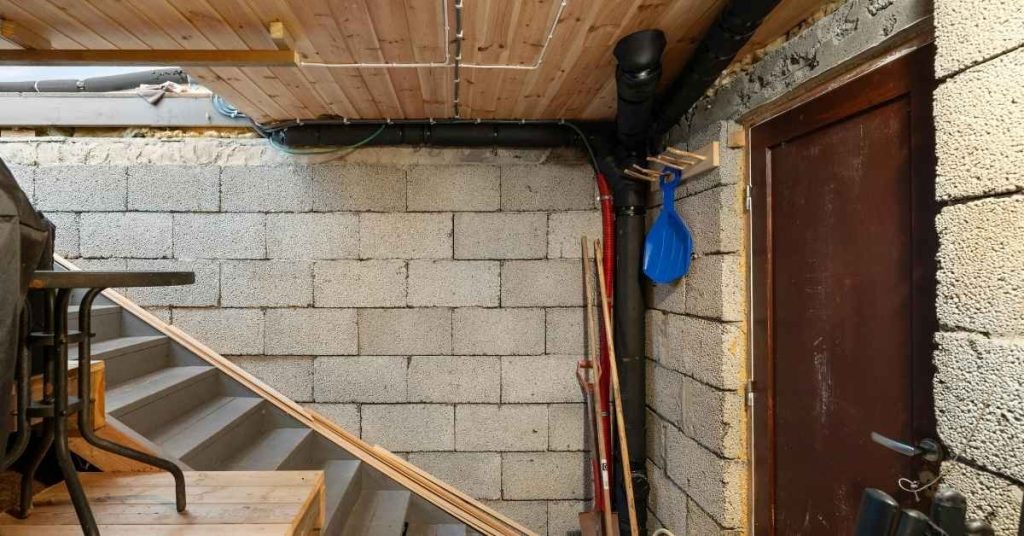
Common block layout mistakes: chasing level instead of plumb and how to recover quickly
Introduction Chasing level instead of plumb means building so the wall looks straight horizontally but the verticals are off. This is a common block layout mistake that can hide misalignment until the structure bears load. Remember that plumb is the vertical reference, while level checks the horizontal plane. To recover quickly, re-check the vertical line, reset your reference, and correct courses before mortar hardens. Learn to adjust with proper tooling…

Fixing loose cap blocks: why they pop and a reset method that survives winter
Introduction Fixing loose cap blocks means resetting and securing the caps so they stay in place through freeze-thaw cycles. Loose caps can pop off from settling, wind, or vibration, and winter conditions make the problem worse. A safe reset method is essential to keep the cap aligned and prevent water intrusion. To reset, clean the joint, apply a suitable adhesive or mortar as directed by the product label, and firmly…
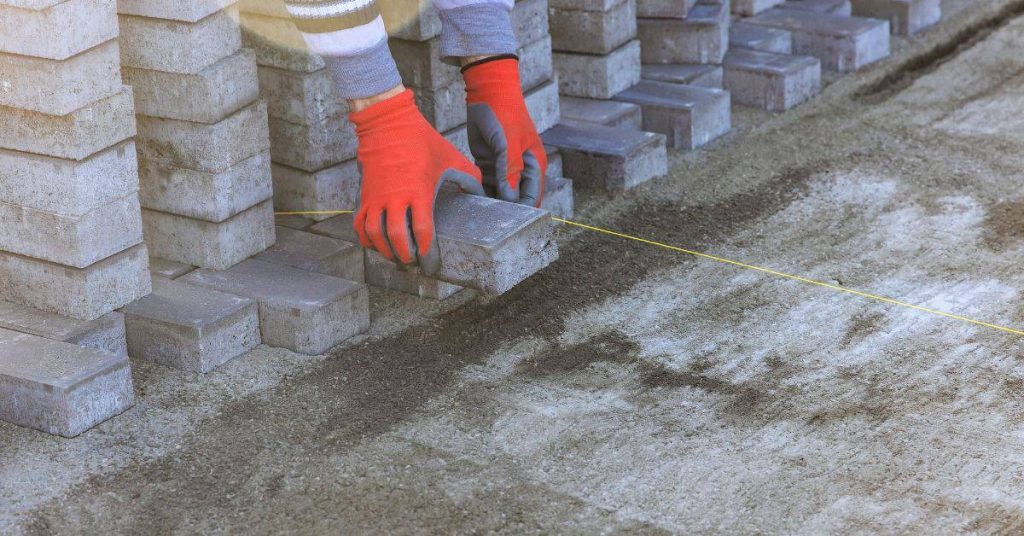
DIY block steps: layout, fill strategy, and safe handrail anchors
Introduction DIY block steps involve planning the layout, choosing a fill strategy, and securing safe handrail anchors. This introduction explains the practical approach you can take on a typical backyard or entry path. Think of it as a straight-forward, hands-on project you tackle bit by bit. Begin by laying out the path on the ground, then check that the rail anchors and blocks sit firmly before any fill. Use a…
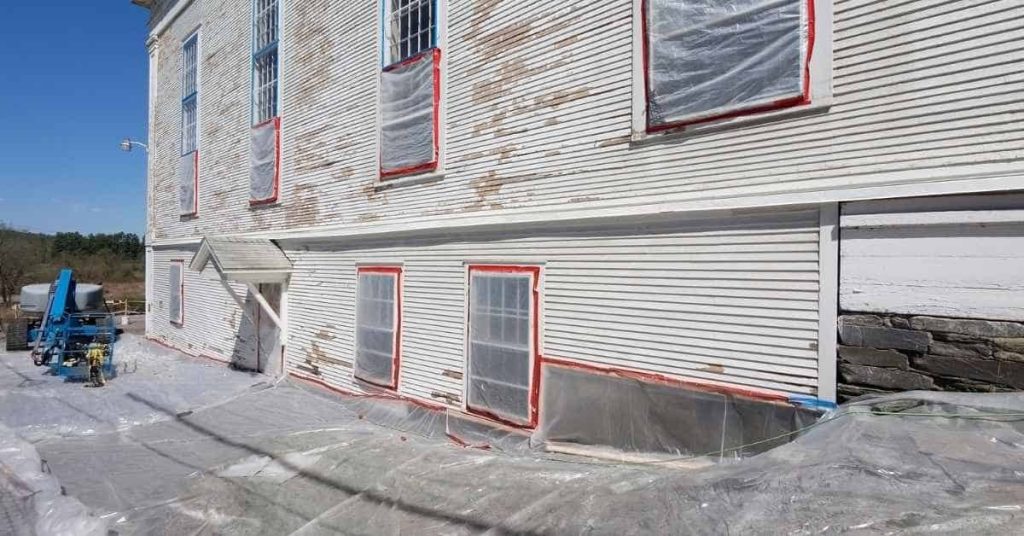
Block surface prep for paint: efflorescence, alkalinity, and primer compatibility
Introduction Block surface prep for paint is the process of cleaning and treating concrete block surfaces to remove efflorescence, manage alkalinity, and ensure the primer will adhere properly. This work helps prevent staining and peeling by addressing the minerals that can migrate to the surface. Start by removing visible efflorescence with a brush and water, and follow with a gentle cleaning. Then assess and address surface alkalinity as directed by…