
Introduction
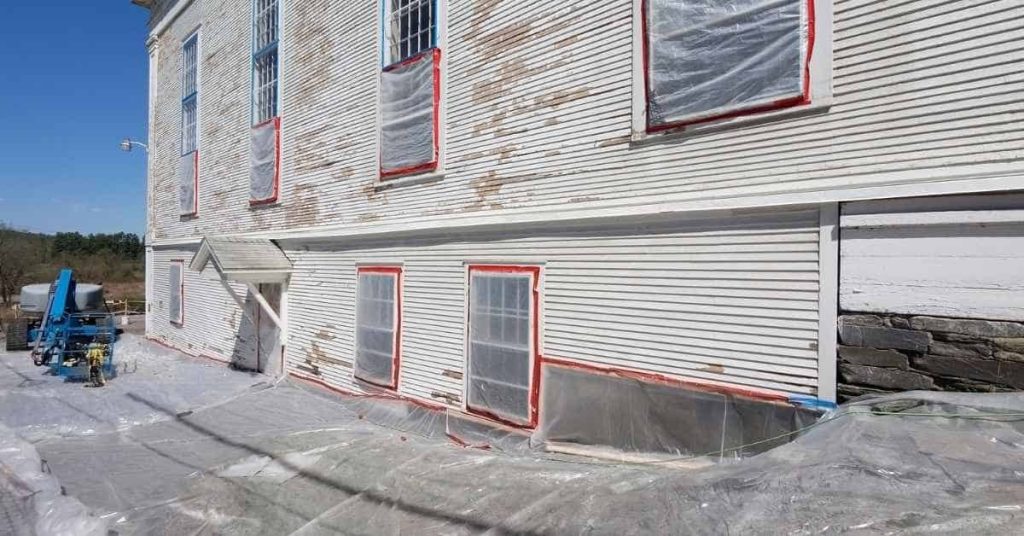
The success of your painting project relies heavily on effective masking. But with so many materials available, choosing the right one can be overwhelming. To help you make an informed decision, we’ve created a step-by-step timeline comparing plastic and paper masking products for overspray control while minimizing static dust problems.
In this guide, we’ll walk you through the process from start to finish, highlighting key differences between plastic and paper masking films at each stage. By understanding the timeline of your project, you can select the most suitable material for your needs and ensure a smooth painting experience.
For the full guide, see Masking Plastic vs Paper: Overspray Control Without Static Dust Problems.
Step-by-Step Timeline: Plastic vs Paper Masking
The timeline of your masking process involves several crucial steps. Here’s how plastic and paper masking films compare at each stage:
- Preparation (15-30 minutes):
- Plastic: Quickly unrolls and adheres to surfaces, reducing prep time.
- Paper: Requires more careful application due to its fibrous nature but offers better adhesion with tack tape.
- Edge Sealing (5-10 minutes):
- Plastic: Offers built-in edge seal, reducing the need for additional taping.
- Paper: Requires careful taping to prevent overspray migration but offers better adhesion with painter’s tape.
- Overspray Control (Painting):
- Plastic: Provides a robust barrier against overspray, minimizing cleanup and touch-ups.
- Paper: Offers breathable protection but may require more careful painting technique to prevent soak-through.
- Removal (5-10 minutes):
- Plastic: Easily peels off, leaving a clean surface with minimal residue.
- Paper: Requires gentle removal to avoid tearing or damaging the finish but leaves little residue.
By understanding these timeframes and the unique advantages of each material at each stage, you can make an informed decision based on your project’s specific needs and timeline.
Key takeaways
The prep time for both materials is crucial as it affects the overall schedule of your painting project. Keep this in mind when planning your timeline to ensure you allocate enough time for proper masking before starting your paint job.
- Static dust control hinges on material choice, surface prep, and proper edge seals.
- Plastic masking films minimize overspray spread but may generate static unless grounded.
- Paper masking products offer breathable barriers but can sag with moisture.
- Static mitigation tools include anti-static sprays and proper handling to reduce attraction.
- Edge seal and barrier strategy prevent lift and minimize dust migration during painting.
- Plan ahead with practical material to project matches and safety warnings.
Table of Contents
- Introduction
- Key takeaways
- Why Static Dust Matters for Painted Finishes
- Material Characteristics: Plastic Masking Films
- Material Characteristics: Paper Masking Products
- Static Behavior and Mitigation Technologies
- Overspray Control Performance: Barrier, Edge Seal, and Breathability
- Practical Selection Guide: Matching Material to Project Needs
- Application Techniques to Minimize Static Dust and Overspray
- Tools, Materials Checklist and Visual Checkpoints
- Conclusion
- FAQ
Why Static Dust Matters for Painted Finishes
Dust and lint attracted by static charge can settle on wet paint, creating visible defects like specks, fish-eyes, or poor edge definition. These contaminants can also interfere with proper adhesion and lead to premature film failure.
Controlling static is part of good overspray management because a perfect physical barrier won’t help if charged particles keep clinging to the surface. Check product labels or manufacturer instructions for antistatic properties when choosing masking materials.
How static attraction works in masking contexts
Static electricity is a powerful force on the jobsite. When surfaces get charged, they attract tiny particles like dust and lint. This happens a lot with masking materials.
Plastic sheets and paper can generate or dissipate charge. Plastic’s non-conductive nature holds charge, attracting particles. Paper, being porous, can help dissipate it, but not always effectively.
Key takeaway: Understand this physics to control dust and ensure a smooth finish.
Visible and performance impacts on the finished part
Dust contamination during painting can cause visible defects. You’ll see:
- Fisheyes: tiny craters where dust particles have disrupted the paint’s surface tension.
- Texture changes: raised or indented areas where dust has affected the paint’s leveling.
Adhesion faults are less visible but just as important. Dust can weaken the bond between paint and substrate, leading to peeling or flaking over time.
Inspect your work: Look for these issues after painting, especially in problem areas like corners and edges.
Material Characteristics: Plastic Masking Films
Plastic masking films come in several formulations that share traits like tear resistance, clarity for visual alignment, and the ability to conform to contours. Those benefits make plastics fast and economical for covering large areas and protecting glossy finishes.
However, many plastics can build and hold static charge and attract fine lint and dust; some are treated to reduce this but you should review the product data sheet or label to confirm antistatic treatment. Consider trade-offs between conformability and static behavior for your environment and paint system.
Film surface finishes and static propensity
Plastic masking films come with different surface finishes. Glossy films are smooth, while matte ones have a textured surface.
Glossy films attract less dust due to their smooth surface. But they can still generate static when peeled off, attracting nearby dust.
Matte and textured films, on the other hand, are better at preventing static buildup during application. However, their rough surfaces can trap more dust once removed.
Anti-static and low-static film options
Some plastic masking films are treated to reduce static buildup. These include:
Anti-static films: Treated with a conductive material, they quickly dissipate any static charge.
Low-static films: Have a matte or textured surface that resists static generation during application.
Always check manufacturer claims and recommended handling procedures. Some anti-static films require grounding to work effectively.
Material Characteristics: Paper Masking Products
Paper options include kraft, crepe, and non-linting specialty papers, each offering different tear strength, flexibility, and surface texture. Coatings and the crepe structure change breathability and how well the paper resists tearing or conforming to irregular shapes.
Paper composition and coatings influence porosity and the tendency to shed fibers; look at manufacturer instructions or technical data to understand lint performance and whether a paper is treated to reduce static. Match the paper type to the job’s need for breathability versus particulate control.
Crepe and low-lint papers for curved surfaces
Crepe paper is your friend when it comes to masking curves. It’s got a crinkled texture that lets it bend and conform to all sorts of shapes.
Why’s that important? Well, if you’re painting a car or a piece of furniture with lots of nooks and crannies, you need something that can hug those curves. Crepe paper does just that.
Now, low-lint papers – they’ve got a special coating to reduce the amount of dust and fibers they shed. That’s crucial because when you’re sanding or painting, you don’t want extra particles floating around, do you?
Coated papers and their barrier performance
Ever seen paper with a waxy or shiny finish? That’s usually a sign it’s been coated. These coatings can really boost your overspray protection.
How? They create a barrier that stops paint from soaking in, making cleanup easier and protecting the surface underneath.
But here’s the catch – while they’re great at keeping paint out, these coatings can also affect breathability. That means moisture might get trapped, which could lead to static buildup or other issues if you’re not careful.
Static Behavior and Mitigation Technologies
Static control approaches fall into passive methods—material selection, antistatic coatings, conductive additives—and active methods like ionizing air or grounding conductive masking. Each method reduces particle attraction differently and may be used together for better results.
Don’t assume any single treatment eliminates all static; consult product literature to learn how a material was treated and whether additional measures such as ionizers or grounding are recommended. For DIY jobs, pick practical combinations that fit the workspace and paint chemistry.
Material-level anti-static treatments
The right material treatment can make a world of difference in controlling static. Here are your options:
- Permanent conductive additives: These are mixed into the masking film during manufacturing. They’re great for long-term use and heavy-duty jobs, but they can be pricey.
- Topical anti-static coatings: Applied like a spray or wipe-on, these treatments are cheaper and easier to apply than permanent additives. They work well on most surfaces but may need reapplying after cleaning.
- Temporary surface treatments: These are usually wipes or sprays that leave behind a thin, static-resistant layer. They’re great for quick jobs and easy cleanup, but they might not last as long as other options.
Workshop-level static control: ionizers and grounding
To really tackle static, you need to address it at the source. That’s where workshop-level controls come in.
Ionizers: These devices release charged particles into the air, neutralizing static charges. Place them near your work area for best results. Avoid placing them too close to your project, as they can create a breeze that disturbs paint.
Grounding: Proper grounding helps prevent static buildup in the first place. Make sure all metal parts of your spray equipment are grounded. Use a proper ground wire and clamp it securely to a known good ground, like a metal water pipe or an earth rod.

Overspray Control Performance: Barrier, Edge Seal, and Breathability
Effective overspray control depends on three things: the material’s ability to block spray, how well it seals at the edge for crisp lines, and whether it lets solvents escape to avoid blistering or inducing defects. Plastics tend to be impermeable while papers can offer varying levels of breathability.
Trade-offs matter: an impermeable film prevents migration of vapors but may trap solvents; breathable paper can reduce blister risk but may allow very fine spray through if not dense enough. Verify product descriptions or test samples to confirm barrier and breathability characteristics for your paint system.
Achieving crisp mask lines and avoiding bleed-under
Bleed-under occurs when paint seeps underneath the masking film, leading to a messy, unprofessional finish. Here’s how to avoid this:
- Choose the right adhesive: Some adhesives are stronger than others. For plastic films, use a light tack adhesive to prevent bleed; for paper, a medium tack works well.
- Avoid over-wetting: Too much adhesive can cause it to seep under the mask and attract paint.
- Press firmly: Apply even pressure when adhering the mask. This helps create a tight seal and prevents bleed.
- Use edge-sealing tape: For critical areas, apply edge-sealing tape to prevent paint from seeping under the mask.
- Avoid masking on humid days: High humidity can cause adhesives to lose their tackiness, leading to bleed-under.
The key is to find a balance between adhesion and flexibility. Test different adhesives and techniques to see what works best for your specific project.
Breathability and solvent trapping risks
Some masking films are impermeable, which can trap solvents and cause problems. Here’s why breathability matters:
Trapped solvents: Impermeable films can trap solvents, causing them to build up pressure and potentially lift the mask or cause it to bubble. This leads to a poor finish.
Breathable papers allow solvents to evaporate naturally, preventing this issue. However, they may not provide as robust a barrier against overspray as plastic films. Always check the material recommendations for your specific coating.
To mitigate risks, use breathable masks where possible and ensure you’re using the right mask for your paint type. If in doubt, consult with a professional or the paint manufacturer.
Practical Selection Guide: Matching Material to Project Needs
Choose masking material based on surface shape, paint type (solvent versus waterborne), environmental cleanliness, and whether you need reusable protection. Complex curves and glossy finishes may favor conformable film or specialized tape-plus-film combinations.
Factor in contamination risk and reusability—if static and lint are critical, prefer materials or treatments noted for low dust pickup and follow manufacturer guidance for use. When unsure, test a small area or consult the product data sheet to confirm suitability.
Use cases: automotive, industrial, and DIY scenarios
Plastic masking films are typically the go-to for automotive and industrial projects due to their durability and resistance to harsh chemicals. They’re great for large, flat surfaces like car bodies or machinery.
Exception: For intricate curves on cars, you might need to test both plastic and paper to see which works better.
In DIY scenarios around the home, paper masking is usually sufficient. It’s easy to use and works well on walls, trim, and small surfaces. But remember,
test first if you’re unsure about surface adhesion or paint system compatibility.
Environmental, cost, and disposal considerations
Plastic films are typically recyclable but check your local rules. They’re reusable, saving costs in the long run.
Paper is usually cheaper upfront and widely recyclable. But it’s not reusable like plastic, so you might spend more over time.
Disposal: Always follow local guidelines. Some areas may have specific recycling rules for paint-contaminated materials.
Consider the lifecycle too – what works best for your project and budget, while being mindful of waste.
Application Techniques to Minimize Static Dust and Overspray
Start with good surface prep: clean, tack and dry the work area before laying masking to reduce particulates that can be energized by handling. Apply masking smoothly, avoid stretching film excessively, and overlap edges to form a continuous barrier with tight tape seals.
Minimize handling after masking, use antistatic wipes or grounding where practical, and control airflow in the booth or workspace to limit airborne dust. Follow manufacturer instructions for any antistatic treatments and perform a quick visual check before spraying.
Surface prep, cleaning, and handling protocols
Before applying any masking material, ensure your surface is clean. Dirt, dust, or grease can cause adhesion issues and increase static buildup.
Use a degreaser first, then wipe with a damp cloth. Let it dry completely before moving on. Timing’s key: don’t leave surfaces exposed to dust for too long after cleaning.
Avoid touching the surface once it’s clean. Use gloves or cover your hands to prevent recharging the surface with static electricity from your skin.
Mask placement, adhesive activation, and tensioning tips
When applying masking tape, use a smooth, steady motion. Press down firmly to activate the adhesive. This helps create a better seal against overspray.
Avoid stretching the tape. Stretching can trap air and increase static attraction. Keep the tape taut but not stretched.
Use your fingers or a squeegee to smooth out any wrinkles or trapped air. This ensures good adhesion and helps prevent dust from getting underneath.
Tools, Materials Checklist and Visual Checkpoints
Keep a simple kit: appropriate masking film or paper, low-residue tape, cutting tools, tack cloths, antistatic wipes or sprays (per product directions), and an ionizer or fan if you use active control. Include a sample piece of each material to trial on the actual substrate.
Before painting, do visual checks for wrinkles, lifted edges, visible lint, and areas where light shows through the barrier; also run a finger along edges to feel for trapped dust. If anything looks questionable, adjust the masking or consult product labels or data sheets for recommended corrective steps.
Tools and materials checklist
Before you start, make sure you’ve got everything you need. This list covers essentials for a smooth masking job.
- Masking film/paper: Check label for breathability rating and solvent compatibility.
- Various tapes: Ensure you have both painter’s tape and masking tape on hand.
- Ionizer or anti-static wipes: Confirm they’re designed to combat static buildup.
- Gloves: Check for durability and grip.
- Tack cloths: Make sure they’re clean and lint-free.
- Simple test cards: Use these to check mask adhesion before painting.
Quick rule: Always double-check labels. The wrong material can cause bleed-under or overspray issues.
Visual checkpoints and simple pre-paint tests
Before you start spraying, perform these quick checks to ensure your masking job is solid.
- Lint inspection: Check for any loose fibers on the masked surface that could attract static dust.
- Edge seal test: Gently pull on the mask at edges. If it lifts, reapply or use tape.
- Small spray test: Lightly mist a hidden area with paint to check for bleed-under or overspray.
Quick rule: If in doubt, test before you commit. A little extra time now can save a lot of trouble later.
Conclusion
Masking effectively comes down to choosing the right film or paper, sealing the edges, and testing your setup before you spray. Do this right and you keep dust down, protect the finish, and avoid costly touch-ups or damage.
First, pick materials that fit your project and test a small area first, then set a simple routine: confirm the edge seals are sound, apply a breathable barrier to control overspray, maintain clean hands and tools, verify the work surface is dust-free, and do a quick visual check before you start spraying. If any step looks off, rework the seal or swap materials rather than forcing a fix. Use the chosen method consistently through the project and stop to recheck after each major stage.
Common mistakes to avoid are using the wrong material for the environment, skipping edge seals, and rushing applications without a test patch. Never skip testing in a hidden spot, never rely on a single seal without verifying breathability and barrier function, and never spray while the masking is loose or damaged. Safety rules are simple: work in a clean area, wear basic PPE, and pause if overspray or static dust shows up on the surface.
If the job is large, or the finish must be pristine under time pressure, consider bringing in a pro rather than pushing through with a risky setup. When you follow these steps, you finish with a durable, clean finish and minimal rework. Stay practical, stay safe, and get the job done right.
FAQ
When should I choose masking plastic over paper for overspray control?
Plastic is better when you need a strong barrier and higher breathability for finish work. Paper is easier to tear away and leaves less clean-up if the surface isn’t perfectly flat. Check the project requirements and test a small patch if you’re unsure.
How do I prevent static dust from sticking to the masking as I work?
Keep the air clean and avoid rubbing surfaces. Use masking products with anti-static claims and work from clean, dry conditions. If you see dust cling, replace the section and wipe edges before resealing.
What should I look for on product labels to choose the right masking film or paper?
Read the label for breathability, edge seal capability, and compatibility with the paint you’ll use. Follow the manufacturer’s instructions for surface prep and removal timing. If in doubt, check the datasheet or local guidelines.
What’s a simple routine to minimize overspray and static during removal?
Seal edges well, then remove masking before the finish fully cures to avoid peel. Keep a clean workspace and remove waste promptly. If you see lifted edges or dust, stop and re-seal before continuing.