
Introduction
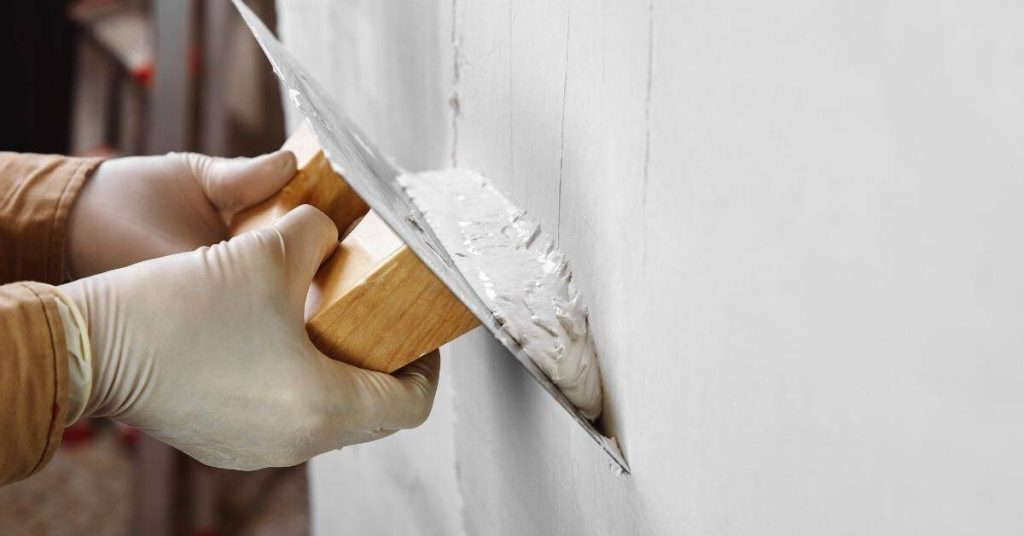
Lime plaster over foam indoors is applying a breathable lime-based coating on foam insulation or foam boards inside a building.
It needs proper keys, mesh, and surface prep so the plaster grips the foam.
Work slowly, check that the foam is compatible with lime, and follow local rules.
Use mechanical keys and mesh to grip the plaster onto the foam and prevent debonding.
Keep fire-safety in mind by choosing materials and installation methods that meet local requirements, and verify with the label or code guidance.
If in doubt, check product labels, manufacturer instructions, and local rules for any limits on indoors application.
Key takeaways
- Confirm lime plaster is compatible with foam substrates and indoor conditions.
- Prepare substrate thoroughly: clean, dry, and abrasive-rough to accept keys.
- Mechanical keys and fasteners should avoid foam distortion and overloading.
- Reinforcement mesh goes where required, embed evenly, edge-clip, seal joints.
- Follow layered lime plaster workflow: base coat, keycoat, lime topcoat.
- Wear eye protection and gloves when mixing lime plaster indoors; maintain ventilation.
Table of Contents
- Introduction
- Key takeaways
- Why Choose Lime Plaster over Foam Substrates Indoors
- Substrate Assessment and Surface Preparation
- Mechanical Keys and Attachment Strategies
- Reinforcement Mesh: Materials, Placement, and Detailing
- Lime Plaster Mixes, Layers, and Application Workflow
- Moisture Control, Curing, and Indoor Climate Management
- Fire-Safety Notes, Tested Assemblies, and Regulatory Checks
- Tools and Materials Checklist, Visual Checkpoints, and Troubleshooting
- Conclusion
- FAQ
Why Choose Lime Plaster over Foam Substrates Indoors
Lime plaster on foam can offer breathable, natural finishing potential with a tactile and aesthetic look. It can also provide a durable, plastered surface that teams can repair. However, adhesion on foam and resistance to impact can be limitations to consider before starting.
Use this section to decide if the system fits your room and scope. Always check product labels, manufacturer instructions, and local rules to confirm suitability for your project.
Intended uses and performance expectations
Lime plaster is a versatile finish for indoor foam substrates. It’s commonly used on walls, ceilings, and decorative features like arches or niches.
Realistically, you can expect a lifespan of 10-20 years with proper maintenance. Lime plaster doesn’t crack easily but it can be damaged by impacts or moisture issues.
Note: It’s not suitable for wet areas like bathrooms without proper protection.
Compatibility overview of foam substrates
Foam substrates come in different types – polyiso, EPS, and XPS are common. Each has unique properties that affect lime plaster adhesion.
Before you start, check these:
– Surface smoothness: Foam should be smooth with no visible voids or bubbles.
– Moisture content: Foam shouldn’t be damp. If it is, let it dry out before applying lime plaster.
Substrate Assessment and Surface Preparation
Inspect the foam panels for damage, thickness consistency, and any exposed joints that may affect bonding. Identify surface contaminants such as dust, oil, or release agents that reduce adhesion. Plan a surface prep that protects insulation while promoting a solid key.
Prepare by following the product label or datasheet guidance for cleaning, priming, or abrading. If unsure, consult the manufacturer instructions and local building requirements.
Cleaning, leveling, and joint treatment
Start by inspecting your foam panels. Look for any dirt, grease, or other contaminants that could hinder adhesion.
Clean the surface using a mild detergent solution and water. Rinse thoroughly and let it dry completely.
Next, fill any seams or gaps between panels with a suitable foam joint compound. Ensure you create a smooth, uniform plane for plaster application.
Primers, adhesion promoters, and test patches
Before applying lime plaster, consider using a primer or adhesion promoter. These products enhance bond strength and prevent delamination.
When to use them? Apply if your foam substrate is porous, or if you’re unsure about the surface’s receptiveness to lime plaster.
Always do small test patches first. Apply the primer or promoter on a hidden area and let it dry. Then, apply a thin layer of lime plaster. Check for any signs of poor adhesion or incompatibility after 24 hours.
Mechanical Keys and Attachment Strategies
Mechanical keying creates a rough surface profile to improve plaster grip. Understand where a key, anchors, or a combination are appropriate for a durable indoor bond. Balance this with the need to protect foam insulation from over-stressing the panel.
When in doubt, review the instructions for each component and plan reinforcement for edges and joints. Verify fastener types and spacing with manufacturer guidance and local codes.
Types of mechanical keys and how they work
Mechanical keys are crucial for securing lime plaster to foam substrates. They create a physical interlock, resisting shear and peel forces.
Edge Keys: Cut into the foam’s surface, these keys provide resistance along the edges where stress is highest.
Bead/Edge Profiles: These are pre-formed strips with teeth that embed into the foam. They create a mechanical bond and distribute stress evenly.
Discrete Anchors: Screw-type anchors driven into the foam provide additional resistance at specific points, helping to prevent delamination.
Anchors, fastener selection, and performance checks
Selecting the right anchors is vital for a durable lime plaster finish on foam. Here’s what you need to know:
First, consider your foam’s density. Lighter foams require larger, more robust anchors.
Performance Checks: Always check an anchor’s pull-out or shear capacity before using it. Manufacturers provide this data, and testing can confirm it.
Remember, the key to successful anchoring is matching the right anchor to your foam density and ensuring its performance meets your needs.
Reinforcement Mesh: Materials, Placement, and Detailing
Reinforcement mesh options vary in material and mesh size; choose one that suits indoor lime plaster on foam. Place the mesh so it spans joints and provides crack control without creating sharp transitions. Align it to follow wall geometry and openings where possible.
Ensure proper embedment, adequate overlaps, and careful detailing at corners, openings, and control joints. Always check the mesh manufacturer guidance and project specifications for acceptable overlaps.
Mesh material choices and alkali resistance
The right mesh material is crucial for a durable, crack-free lime plaster finish. Alkali resistance is key when working with lime-based plasters.
- Alkali-resistant fiberglass: Inexpensive, lightweight, and easy to install. Look for mesh with alkali-resistance rating of 5 or higher. Avoid using in areas with high moisture content as it can degrade over time.
- Stainless steel: Premium option offering superior strength and durability. Ideal for areas prone to cracking or where extra reinforcement is needed. Spec stainless steel mesh with a minimum gauge of 20 (thinner wire).
- Galvanized steel: Affordable, strong, but susceptible to corrosion from alkalis in lime plaster. Use only if protected by a suitable primer and in dry areas.
- Plastic mesh: Lightweight, easy to install, but lacks the strength of fiberglass or metal meshes. Not recommended for critical reinforcement areas.
- Fiber-reinforced polymer (FRP) mesh: High-strength, lightweight, and resistant to alkalis. Expensive but offers excellent performance in demanding applications.
Mesh placement, embedment depth, and fastening
The mesh should be positioned within the middle third of your plaster build-up for optimal strength. Here’s how to secure it:
Embedment: Apply a thin layer of plaster (about 1/4″ thick) before placing the mesh. This ensures the mesh is well-embedded and surrounded by plaster on both sides.
Fastening: Use fasteners designed for your chosen mesh material to secure it in place. For fiberglass, use plastic or galvanized steel staples. For metal meshes, use self-drilling screws with washers. Space fasteners about 4″-6″ apart along the edges and 8″-12″ apart in the field.
Corners: At corners, embed mesh into both sides of the corner and secure with fasteners on both sides for added strength.
Lime Plaster Mixes, Layers, and Application Workflow
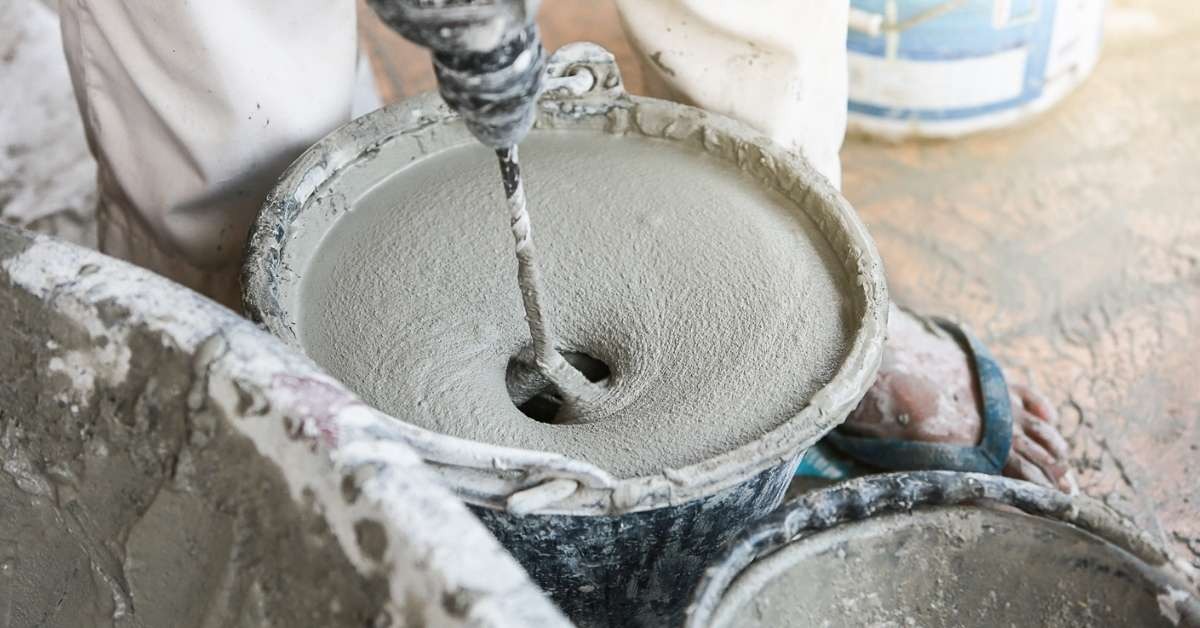
Indoor lime plaster workflows typically involve multiple coats with a scratch, brown, and finish layer sequence. Use mixes that are appropriate for interior use and compatible with foam substrates. Plan your steps to build a durable, even surface with acceptable texture.
Follow practical application tips for adhesion and finish quality, and verify the mix type, ratios, and curing expectations on the product label or manufacturer instructions. If you are unsure, consult the data sheet and local requirements before mixing.
Selecting lime type and optional additives
Lime plasters come in two main types: non-hydraulic (air-setting) and hydraulic (cementitious). Non-hydraulic limes are ideal for interior use, providing a traditional look and feel. They set by reacting with carbon dioxide in the air.
Hydraulic limes, on the other hand, set through a chemical reaction with water. They’re useful where faster setting is needed or when exposed to moisture. Always check product recommendations before adding any additives or pozzolans.
Layer thicknesses, timing, and intercoat bonding
The lime plaster application process involves three main layers: scratch, brown, and finish. The scratch coat is the first layer, applied to create a mechanical key for better adhesion. It’s typically 1/4″ to 3/8″ thick.
The brown coat follows, providing a smooth surface for the final finish. Applied at around 1/8″ to 1/4″, it should be allowed to dry until it’s slightly tacky before applying the finish coat.
The finish coat, usually applied at 1/16″ to 1/8″ thick, provides the final appearance. Timing between coats is crucial for strong intercoat bonds. Allow each layer to dry according to product recommendations before applying the next.
Moisture Control, Curing, and Indoor Climate Management
Indoor humidity, ventilation, and temperature directly affect lime plaster curing and long-term performance. Keep conditions steady enough to avoid rapid drying or trapped moisture. Consider how the foam backing interacts with the plaster during cure.
Outline practical methods to avoid moisture buildup between plaster and foam, such as managing airflow and avoiding sealant gaps. Check guidance from product labels, the manufacturer, or local building rules for best practices.
Avoiding moisture traps and vapor issues
Moisture trapped between your lime plaster and foam substrate can cause problems like mold, peeling, or weak adhesion. Here’s what to avoid:
- Vapor barriers: Don’t use them over foam. They trap moisture.
- Non-breathable primers: Avoid these too. They seal the surface and stop vapor movement.
- High humidity: Keep indoor humidity below 60% to prevent excess moisture buildup.
- Poor ventilation: Ensure good airflow to carry away excess moisture.
- Non-breathable finishes: Top coats like paint can trap moisture if not breathable.
Use breathable products and maintain proper indoor climate for best results.
Curing practices and protection during drying
Proper curing is crucial to prevent cracking and ensure strong plaster. Here’s how:
Ventilation: Use gentle, controlled ventilation. Fans on low speed are ideal.
Avoid drafts: Keep windows closed and doors shut during the first few days of curing to maintain a stable environment.
Gradual heating: Don’t rush drying with heaters or radiators. Let the plaster dry gradually at room temperature.
Fire-Safety Notes, Tested Assemblies, and Regulatory Checks
Fire performance differences between mineral lime plaster and combustible foam matter for interior assemblies. Plan separations or tested assemblies as required by your project scope and local rules. Rely on approved configurations rather than assumptions.
Gather the necessary documentation, including any fire test reports or compliance certificates. Verify requirements with code authorities, the building department, or the product manufacturer’s data sheets.
How lime plaster affects fire performance over foam
Lime plaster, being an inorganic material, can significantly improve the surface’s fire resistance. It forms a hard, protective layer that slows down heat transfer and can even self-extinguish once the flame source is removed.
However, it’s crucial to understand that while lime plaster enhances the surface performance, the underlying foam remains combustible. Foam is an organic material that will ignite and burn if exposed to high enough temperatures or flames.
Key takeaway: Lime plaster improves fire safety at the surface but does not eliminate the combustibility of the foam substrate. Always consider this when designing your assembly.
Tests, certifications, and code compliance steps
Before starting any work, check your local building codes to ensure you’re complying with fire safety regulations. These codes often dictate the minimum fire resistance ratings for different assemblies in various areas of a home.
Request tested assembly reports or lab data from both your lime plaster and foam manufacturers. These documents should show how their products perform together as an assembly, not just individually. Look for test results that match your specific application and local conditions.
Documentation is key: Keep all these records on-site and make them available to inspectors during the construction process. This demonstrates your commitment to safety and compliance with building codes.
Tools and Materials Checklist, Visual Checkpoints, and Troubleshooting
Assemble a practical toolkit and list essential materials for the indoor lime plaster on foam task. Include surfaces to inspect and visual cues to monitor during installation. Use these checkpoints to catch issues early.
Document common failure modes and corrective actions, and rely on product labels, instructions, or local guidelines to resolve problems. When in doubt, pause and verify specifications with the manufacturer or code official before proceeding.
Essential tools and material notes for DIY and pros
Before you start your concrete project, use this checklist to ensure you have the right tools and materials. This will save you time, money, and prevent costly mistakes.
- Concrete Mix: Check the bag for the correct mix design (e.g., C30, C40) for your project’s needs. Wrong mix can lead to weak or poorly finished concrete.
- Water: Ensure water is clean and free from contaminants. Impure water can cause concrete to weaken over time.
- Admixtures: If using, check they’re compatible with your mix design and follow manufacturer’s guidelines for dosage rates. Wrong admixture or incorrect dosage can affect concrete’s strength and workability.
- Reinforcement: Verify steel bars’ size (e.g., 10mm, 20mm) and spacing match the structural drawings. Incorrect reinforcement can cause structural failures.
- Formwork: Inspect formwork for any damage or leaks before pouring. Poorly constructed or damaged formwork can result in weak concrete or unsightly finishes.
- Concrete Placement Tools: Have proper tools like shovels, rakes, and vibrators ready. Improper tools can lead to air pockets and weak spots in the concrete.
- Finishing Tools: Check trowels, floats, and edgers are in good condition. Damaged or incorrect tools can result in poor finishes.
- Protective Clothing & Gear: Ensure you have safety glasses, gloves, boots, and hearing protection. Skipping this can lead to serious injuries.
Quick rule: Always double-check your tools and materials against the project’s requirements before starting work. This simple habit can prevent most on-site issues.
Visual checkpoints and common defects to watch for
Use this checklist during and after your concrete pour to ensure a strong, durable slab. Inspect the area regularly to catch any issues early.
- Poor Adhesion: Check if the concrete is bonding well with the base. Tap it gently; it should sound solid.
- Mesh Exposure: Ensure reinforcing mesh isn’t visible at the surface. If so, add more concrete or consult a pro.
- Cracking: Look for hairline cracks. If found, seal immediately to prevent water intrusion and further damage.
- Delamination: Check if the top layer is peeling off. This could be due to excessive bleeding; consult a pro if it’s severe.
- Warping/Buckling: Inspect for any warped or buckled areas. These may need additional support or reinforcement.
- Uneven Surface: Check for low spots where water can pool. Fill these with a concrete patch if necessary.
- Discoloration: Look for unexpected color changes, which could indicate contamination or improper mixing.
- Settling/Sinking: Ensure the slab isn’t settling or sinking unevenly. This may require additional compaction or support.
Quick rule: Inspect your concrete regularly, especially in the first year when it’s most susceptible to issues. Catching problems early can save you time and money.
Conclusion
The key takeaway is simple: a properly prepared foam substrate with lime plaster, reinforced correctly, stays durable, looks good, and keeps moisture and fire risks in check. Safety and careful steps protect against costly failures and hidden damage.
Check moisture levels, verify substrate adhesion, set mechanical keys and attachments correctly, place reinforcement mesh with proper detailing, follow the lime plaster layers and workflow, and test the assembly in a small area before full work. Make it a routine to document each step as you go: moisture tests, patch fixes, mesh alignment, and curing conditions, then proceed in logical, measured stages until the system is sound.
Common mistakes to avoid: skipping substrate prep or moisture control, overloading the mesh, or rushing through curing and climate management. Always respect the cure, avoid rapid drying, and don’t mix beyond recommended lime proportions. If any part of the plan feels uncertain or you hit unexpected moisture or temperature swings, pause, recheck the relevant checks, and re-test before continuing.
If you encounter persistent moisture, complex framing, or unclear regulatory guidance, call a qualified professional to review the plan and verify tested assemblies. Stay safe, stay methodical, and you’ll finish with a sound, attractive wall that performs as intended.
FAQ
What should I check first before applying lime plaster over foam indoors?
Make sure the foam substrate is rated for plaster over it and compatible with lime. Read the manufacturer instructions on bonding and any required primers or barriers. If in doubt, check local rules or the product label for indoor use guidance.
How do I ensure the lime plaster has a good key without cracking on foam?
Use the recommended mechanical keys and a proper reinforcement mesh as described by the product instructions. If unsure, ask for guidance from the plaster supplier and verify mesh size and placement requirements on the label or data sheet.
What about fire-safety and indoor assemblies when plastering over foam?
Follow the fire-safety notes and any tested assembly guidance provided by the manufacturer. Do not assume foam is fire-safe on its own; check the product documentation and local rules for rated assemblies and safe distances.
How should I handle moisture and curing to avoid failures indoors?
Control moisture during application and curing per the plaster system’s guidance. If you don’t have explicit indoor-curing instructions, consult the product label or manufacturer instructions and adapt your climate management accordingly.