
Introduction
Too smooth concrete resists adhesion and can fail after priming. This article shows simple checks to decide if the surface needs profiling. Roughening helps primers bite into the surface and create a lasting bond.
Start with cleaning, then roughen the area using a grinder, wire brush, or sanding pad and clean away dust. Do an adhesion check by applying a thin coat of primer to a test patch and seeing if it wets and dries evenly. If it beads or stays slick, you’ve got to create more profile or choose a different coating approach.
Key takeaways
- Assess surface texture critical for coating adhesion and long-term primer performance.
- Wear eye protection and respirators during grinding and cleaning tasks.
- Gather tools: brush, cleaner, grinder or sander, trowel, and PPE.
- Visual and tactile checks reveal smoothness beyond acceptable roughness for bonding.
- Run simple in-place adhesion tests using tape pull or scratch method.
- Mechanical prep, like scoring or light grinding, improves porosity for primer.
- If mechanical options fail, apply compatible bonding agents per manufacturer instructions.
Table of Contents
- Introduction
- Key takeaways
- Why Concrete Texture Matters for Coating Adhesion
- Tools and Materials Checklist Before Testing or Prepping
- Visual and Tactile Checkpoints to Spot an Overly Smooth Surface
- Simple in-Place Adhesion Tests to Run Before Priming
- Mechanical Preparation Methods When the Surface Is Too Smooth
- Chemical and Adhesive Strategies When Mechanical Prep Isn’t Feasible
- Surface Conditioning: Wetting, Cleaning, and Timing Before Applying Primer
- Safety, Common Mistakes, Cost Considerations, and Troubleshooting Failed Adhesion
- Conclusion
- FAQ
Why Concrete Texture Matters for Coating Adhesion
The surface profile of concrete directly affects how well a coating can grip. A rough or porous face gives mechanical locking, while a smooth panel can slide under a primer. Understanding texture helps you pick the right primer and preparation steps.
Porous, keyed, and polished surfaces each offer a different adhesion path. Roughness increases anchor points; polished surfaces reduce them. Smooth surfaces may require chemical promoters or surface profiling to ensure durable bonds, and knowing this helps prevent coating failure later on.
Identifying and documenting surface texture (porous vs. keyed vs. polished)
Concrete surfaces can vary greatly, affecting how well coatings stick. Here’s how to recognize and record the profile:
Porous: Looks like an orange peel or has small holes. It’s soft on touch. Keyed: Has a rough, sandpaper-like feel. You can see and feel the aggregate. Polished: Smooth as glass, reflects light, feels hard.
Record your findings: ‘Porous’, ‘Keyed’, or ‘Polished’. This helps choose the right primer and sets adhesion expectations.
Concrete surface preparation steps with safety and tools
Preparing concrete for coating involves several steps. Here’s a practical workflow:
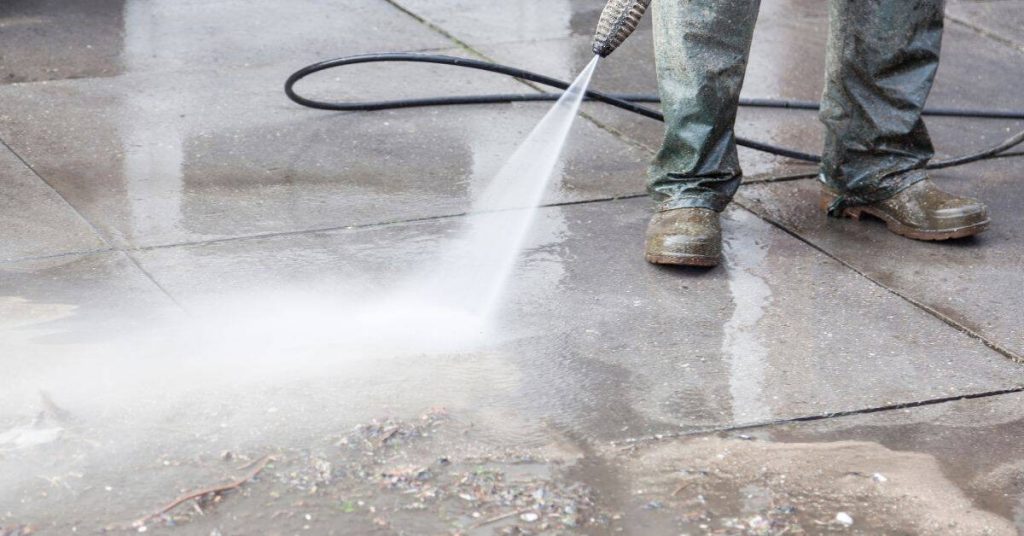
- Cleaning: Remove dirt, dust, and debris using a broom, brush, or pressure washer.
- Dust removal: Use a vacuum or compressed air to remove fine particles.
- Degreasing: Apply a degreaser to remove oils and grease. Let it sit, then rinse off.
- Mechanical profiling/light grinding: For smooth surfaces, use a rental grinder with 36- or 80-grit disc to create a profile. Safety glasses, gloves, and ear protection needed.
- Protect surrounding areas: Cover nearby surfaces with drop cloths to prevent damage from prep work.
Tools and Materials Checklist Before Testing or Prepping
Before you start, gather practical tools for assessment and correction. Have cleaning supplies, abrasion tools, and a selection of primers ready for a simple decision tree. The goal is a surface that will accept primer and promote lasting adhesion.
Visually inspect for dust, laitance, efflorescence, and curing marks. Identify high spots and roughness that may need patching or leveling. Use basic adhesion tests to guide whether you need more profiling or a different coating approach.
Tools for inspection and minor tests
Before you start testing or prepping your concrete surface, gather these tools to ensure a thorough assessment.
- Flashlight: To inspect crevices and hard-to-see areas.
- Magnifying glass: For closer inspection of small defects.
- Putty knife: To scrape off loose material or test for adhesion.
- Heavy-duty tape: To lift off dust, film residues, or laitance.
- Small grinder or sanding block: For testing roughening methods on small areas.
- Tape measure: To check for high spots and roughness thresholds.
- Level: To identify any damage that may require patching or leveling.
- Chalk: To mark areas for testing or patching.
Quick rule: Having the right tools ensures you catch potential issues early, saving time and effort later on.
Materials for test patches and cleaning
These materials will help you clean your concrete surface and perform test patches to ensure compatibility with primers and coatings.
- Water: For initial rinsing and removing loose dirt.
- Mild degreaser: To tackle oil, grease, or wax residues.
- Primer (compatible with your coating): For test patches to check adhesion and compatibility.
- Disposable rags: For applying cleaners and primers.
- Gloves: To protect your hands from chemicals and residues.
- Plastic drop cloths: To contain cleaning solutions and prevent damage to surrounding areas.
- Scrub brush or broom: For mechanical removal of stubborn residues.
- Safety glasses: To protect your eyes from debris and splashes.
Quick rule: Using the right cleaning materials ensures a thorough job, preventing coating failures down the line.
Visual and Tactile Checkpoints to Spot an Overly Smooth Surface
Look for a glossy sheen, uniform reflections, or polishing marks that indicate excessive smoothness. Laitance or a fine dusty film can also signal trouble. These signs point to a surface that may resist priming without profiling.
Tactile checks matter too. A surface that slips under a finger or coin test lacks the bite needed for good adhesion. Test multiple spots across the slab to capture variability before deciding on re-profiling.
Visual cues to inspect for
Before you prime, use this visual checklist to spot overly smooth concrete surfaces.
- Glossy sheen: Check for a mirror-like reflection. If present, the surface is too smooth.
- Uniform reflection: A consistent, even reflection across the slab indicates excessive smoothness.
- Visible polishing marks: Look for swirls or lines left by grinding or polishing equipment.
- Laitance (fine powder): Check for a thin, dusty residue on the surface. This is a sign of excess laitance.
- Thin, dusty film: A fine layer of dust that easily wipes off indicates a smooth, unkeyed surface.
- Staining that sits on top: Water or cleaning solutions that bead up and don’t absorb indicate excessive smoothness.
- Areas that shed dust: Gentle brushing should not cause fine powder to come off. If it does, the surface is too smooth.
- Edges and corners: Check these areas for signs of laitance buildup or glossy sheen.
Quick rule: If you spot any of these signs in multiple spots, treat the surface as suspect before priming.
Simple tactile checks
Before you prime, use these quick tactile tests to confirm if a concrete surface is too smooth.
- Slip test: Run your finger or shoe across the surface. If it feels slippery, the surface is too smooth.
- Feel with a coin: A penny’s edge should catch on any texture. If not, the surface is too smooth.
- Fingernail scratch: Drag your fingernail across the surface. If it doesn’t catch or leaves marks, the surface is too smooth.
- Texture check: Run your hand over the surface. If it feels uniformly smooth, it’s too smooth for coating.
- Powdery residues: Check for fine powder that comes off when touched. This indicates excess laitance.
- High-traffic paths: Test these areas to ensure they’re not overly smooth from foot traffic.
- Previously treated areas: Re-test any spots where you’ve previously applied coatings or sealers.
Quick rule: If multiple tactile tests show signs of excessive smoothness, treat the surface as suspect before priming.
Simple in-Place Adhesion Tests to Run Before Priming
Adhesion tests in place help you decide on primer choice and preparation steps. Start with simple checks you can do without special equipment. Use the results to plan whether to proceed or to address surface issues first.
Tape pull, light scraping, and a small patch with actual primer are your basic tools. Note how easily the material lifts, powders, or delaminates. Use pass/fail cues to determine the next move.
Tape Pull Test
The tape pull test is a quick, simple way to check your concrete’s adhesion potential. Here’s how:
1. Clean the area with a degreaser and let it dry.
2. Apply a strip of high-strength tape (like duct tape) evenly across the surface. Press down firmly.
3. Let it sit for 24 hours, then pull it off quickly at a 90-degree angle. If the concrete lifts with the tape, you’ve got adhesion issues.
Scrape or Knife Test
The scrape test helps identify weak surfaces that might delaminate under a coating. Here’s how:
1. Choose an inconspicuous spot.
2. Gently scrape the surface with a sharp tool (like a putty knife) at a 45-degree angle.
3. Look for dusting, crumbling, or delamination. If you see any of these, your concrete might not bond well.
Small-Area Test Patch
A small test patch lets you see how your chosen primer or coating bonds to your concrete. Here’s how:
1. Choose a low-traffic area.
2. Apply the manufacturer-recommended primer or patch product, following their instructions.
3. Let it cure for the minimum recommended time. Then, try gently pulling at an edge with your fingers or a tool. If it lifts easily, you might need to address surface issues before proceeding.
Mechanical Preparation Methods When the Surface Is Too Smooth
Brush up on practical abrasion options: sanding, grinding, shot blasting, and scarifying. Each method creates a different anchor profile and suits different situations. Choose based on the project scope and your comfort with the equipment.
Assess whether a DIY approach is feasible or if professional help is warranted. Consider safety, dust control, and equipment availability as you decide which method to use. Verify the surface profile after work and clean thoroughly before priming.
Hand and Power Sanding or Grinding
For small areas, hand sanding with a medium grit sandpaper can create a suitable profile for primers. Use a random orbital sander for larger surfaces.
Grinders with flap discs are ideal for tougher spots. They create a keyed surface by removing the smooth top layer of concrete. Remember to wear safety glasses, gloves, and a dust mask. Keep your workspace well-ventilated or use a shop vacuum with a HEPA filter.
Note: Sanding creates dust. Wet sanding can help control this but slows down the process.
Shot Blasting and Scarifying for Larger Jobs
For bigger projects, shot blasting is a fast, uniform method. It uses high-velocity steel shots to clean and profile the surface. This is usually a pro job or rental equipment.
Scarifying is another heavy-duty option. A rotating blade removes concrete, creating deep grooves for better adhesion. It’s typically used on large surfaces like warehouse floors. Both methods require dust containment systems.
Pro Tip: Always test a small area first to ensure the desired profile and avoid surface damage.
Chemical and Adhesive Strategies When Mechanical Prep Isn’t Feasible
When you can’t physically roughen the surface, consider chemical promoters, bonding primers, epoxy systems, or cementitious coats. Match the product to the coating you plan to apply and test a patch first. Use guidance from the product label and manufacturer instructions.
Understand the difference between chemical promoters and a fuller surface improvement system. A chemical promoter alone may help, but a bonding primer with fillers can improve roughness and adhesion. When in doubt, run a small test to confirm suitability before committing to a full coat.
Primer and adhesion-promoter options
When mechanical prep isn’t feasible, primers and adhesion promoters can help your coating stick. Here’s what you need to know:
Primers: These create a better bond between the concrete and your topcoat. They’re typically solvent-based or water-based, with some being epoxy-based.
Check compatibility with your topcoat using a test area. Apply primer, let it cure as per manufacturer’s instructions, then apply a small amount of your topcoat. If it adheres well and doesn’t peel off easily, you’re good to go.
Scratch coats and cementitious bonding layers
A thin keyed scratch coat can provide a mechanical bond for overlays when the concrete is too smooth. Here’s how to decide if it’s right for you:
Choose this approach when your coating needs a physical profile to adhere properly, and chemical primers aren’t enough. It’s ideal for cementitious coatings like acrylic or cement-based paints.
Apply the scratch coat as per manufacturer’s instructions. Let it cure, then lightly sand or brush off any loose material. This creates tiny valleys that your topcoat can grip onto, improving adhesion.
Surface Conditioning: Wetting, Cleaning, and Timing Before Applying Primer
The aim is a clean, properly prepared surface that accepts primer. Remove oils, greases, salts, and curing compounds according to the product guidance. Ensure the surface is prepared for the moisture state the primer requires.
Follow a systematic cleaning sequence and verify dryness with a simple test patch or moisture check. Pay attention to environmental factors and document what you did, so you can repeat or adjust as needed before coating.
Cleaning and contaminant removal
First things first, you gotta get rid of any contaminants on your concrete. These are the bad guys that’ll stop your primer from sticking.
Oils and greases are the usual suspects. Use a solvent degreaser or detergent to cut through them. Scrub well with a stiff brush, then rinse thoroughly.
If you’ve got embedded grime, you might need to break out the mechanical tools – brushing, grinding, or even power washing. Remember, no shortcuts here; clean it right the first time.
Efflorescence and salts can be a pain too. Use an appropriate cleaner or etcher to get rid of them. Follow product instructions to a T.
Controlled dampening and moisture considerations
Now, here’s where it gets tricky – moisture. Too much, too little, it can all go wrong.
On hot days, porous concrete can suck the moisture out of your primer like a sponge. A light dampening can help, but be careful not to overdo it. We’re talking barely damp here, not swimming pool wet.
Standing water and pooled moisture are big no-no’s. They’ll ruin your adhesion before you even start. Make sure your surface is dry enough for priming, but not bone-dry either. Check manufacturer guidance for acceptable surface moisture levels.
And remember, timing is key. Don’t rush it. Let your concrete breathe and prep properly before you prime.
Safety, Common Mistakes, Cost Considerations, and Troubleshooting Failed Adhesion
Wear the appropriate PPE and follow hazard guidance for dust, solvents, and lead if present. Check local regulations and consult SDS sheets when in doubt. Safety planning is part of good prep.
Avoid common mistakes such as skipping cleaning steps or moisture checks. Weigh DIY time against possible rework costs for failed adhesion and plan accordingly. If a bond fails, re-sand, re-clean, and reassess moisture and profile before retrying.
Safety and hazardous-material precautions
The right safety gear protects you from hazards like lead, solvents, and silica dust. Choose the wrong stuff, and you’re looking at health risks and weak bonds.
- Respirator: Use a respirator rated for lead or silica dust. Look for P100 filters. Tip: Don’t forget to replace filters regularly.
- Eye protection: Wear safety glasses with side shields or goggles. Spec: ANSI Z87.1 rating. Tip: Protect your face too, with a full-face shield if needed.
- Gloves: Use chemical-resistant gloves for handling solvents and primers. Spec: Look for butyl or neoprene material. Tip: Don’t skimp on quality; cheap gloves can cause skin irritation.
- Protective clothing: Wear long sleeves, pants, and boots to minimize skin exposure. Tip: Opt for breathable fabric in hot weather.
- Ventilation: Ensure proper ventilation when working with solvents or chemicals. Spec: Use fans or fume hoods as needed. Tip: Don’t rely on natural ventilation alone; it’s not enough.
Common mistakes and how to avoid them
Skipping tests, rushing, or coating over contaminants leads to failed adhesion. Here’s how to steer clear of these pitfalls.
- Skipping tests: Don’t skip moisture or alkalinity tests. They ensure your primer and finish coat bond well. Tip: Use a moisture meter and pH test strips before priming.
- Contaminants: Remove all contaminants, including curing compounds and sealers, before priming. Why: Contaminants prevent proper adhesion. Tip: Clean thoroughly with the right solvent or stripper.
- Inadequate profile: Don’t over-sand or under-sand. Aim for a 5-10 mil (127-254 µm) profile. Tip: Use a profilometer to check your surface profile.
- Rushing cure times: Allow enough time for primers and finishes to cure properly. Why: Rushing causes weak bonds. Tip: Follow manufacturer’s recommended cure times.
Remember, taking shortcuts leads to rework and wasted materials. Be patient, follow the steps, and you’ll get it right the first time.
Troubleshooting and next steps after adhesion failure
If your bond fails, don’t panic. Assess the situation, then decide whether to re-prep mechanically or chemically.
First, check: Surface texture, cleanliness, moisture levels, and for any contamination or laitance (a cement-rich layer).
If you find contamination or laitance, re-clean the surface. If it’s too smooth, re-sand. If moisture is high, adjust levels and let it dry properly before re-priming.
For high-risk jobs or structurally critical areas, don’t hesitate to consult a professional or lab test the surface. It’s better to be safe than sorry, especially when dealing with expensive materials or structural integrity.
Conclusion
If the surface is too smooth, it won’t hold primer or coating and you’ll waste time and money. The key is to test, prep, and condition in a safe, controlled way so the bond lasts and looks right.
Run a quick, in-place check by examining texture, performing a small adhesion test on a hidden spot, and then choosing a prep method that fits what you found. Clean and wet the surface, roughen where needed, and re-test before you commit to primer. Keep the process simple: test first, prep thoroughly, and seal with the right primer on the right area.
Avoid these mistakes: pushing ahead with no adhesion check, over-wetting or overscrubbing and risking dust or moisture trapping, and skipping safety gear or ventilation. Always work in a well-ventilated area, wear eye and skin protection, test a tiny area before full application, and follow the product’s label for timing and compatibility.
If mechanical or chemical methods feel unsure, or if the concrete is structurally suspect, call a professional rather than forcing a fix. When you stick to tested steps, keep it small, and document the results, you’ll finish with a durable, even finish and a coat that actually sticks. Stay steady, follow the checks, and you’ll be primed for success.
FAQ
How do I know if my concrete surface is rough enough for primer?
You can test by running your hand over the surface and looking for a slight tooth or grab between your fingers. If it feels slick or glassy, it’s likely too smooth for good adhesion and needs some roughing. Check the product label or your manufacturer instructions for the recommended surface roughness before priming.
What simple checks can I do to test adhesion before priming?
Do a small adhesion pull test on a hidden spot or scrap area: apply a quick coat of primer and let it dry, then try to lift it with a fingernail or pull a little. If it peels or sands off with the surface, you’ve got poor adhesion and need more prep. Rely on the product’s instructions for proper test methods and pass criteria.
What tools and steps are best for roughening a smooth concrete surface?
Use a concrete scrubber, stiff bristle broom, or grinder with a suitable pad to abrade the surface. Focus on removing the top glossy layer and exposing a dull, porous feel. Always wear eye and respiratory protection and follow local safety rules for dust control.
What should I do if the surface remains too smooth after initial prep?
Consider additional mechanical profiling or consult the primer’s guidelines for acceptable roughness. If roughening isn’t feasible, you may need alternative coatings or surface conditioning methods per manufacturer instructions. Check product labels and local rules for any restrictions or recommendations.