
Introduction
Sealing form joints means choosing a method to close gaps in the formwork so fins don’t form. Tape, caulk, and foam are common options, each with its own pros and limits. Look at the product label and the concrete conditions to decide what to use.
Tape works best for clean, straight joints, caulk fills irregular gaps, and foam can cover larger spaces. Apply the material following the manufacturer instructions and your local rules, and check for gaps, squeeze-out, and adhesion. For best results, test a small section first and document any issues with durability or weather exposure.
Key takeaways
- Tape, caulk, or foam each behave differently; choose by joint size and movement.
- Apply tape before pour for smooth edges; caulk or foam afterward as needed.
- Foam expands to fill gaps but requires careful trim and curing time.
- Common mistakes include overfilling joints, incomplete backing, and skipping edge prep.
- Sealant choice impacts durability; verify compatibility with concrete, weather, and finishing.
- Safety: ventilate, wear gloves, follow label instructions and curing guidelines.
Table of Contents
- Introduction
- Key takeaways
- Why Sealing Form Joints Matters and What Causes ‘Fins’
- Tools and Materials Checklist
- Material Types — Tape Vs Caulk Vs Foam (When to Choose Each)
- Material Specs, Standards, and Selection Criteria
- Step-by-Step Application: Tape, Caulk, and Foam Techniques
- Preventing Fins During Pour and Finishing After Strip
- Common Mistakes, Troubleshooting, and Repair Strategies
- Cost, Durability, Safety, and Environmental Considerations
- Conclusion
- FAQ
Why Sealing Form Joints Matters and What Causes ‘Fins’
Concrete fins are thin, elongated protrusions that often form along form joints. They appear when moisture, bleed water, or insufficient sealing escape through gaps during pours. Understanding fins helps you plan better finishes and reduce rework.
Costly patching, safety concerns from sharp edges, and finish inconsistencies all stem from fins. Improper joint sealing, form strip gaps, and misaligned molds can intensify the problem. Plan for prevention by checking for potential leakage points before you pour.
What are fins and how they form
Concrete ‘fins’ are unwanted ridges that form at joints when wet concrete leaks through gaps or weak points in the formwork. They’re called fins due to their thin, blade-like appearance.
Here’s how they happen:
Leakage occurs at seams where forms aren’t properly sealed or aligned. Under pressure, wet concrete paste escapes through these gaps. As the water in the paste evaporates, it leaves behind a solidified ridge – a fin.
The common weak points on forms include:
– Gaps between form boards
– Inadequate sealing at joint faces
– Misaligned or improperly braced forms
Consequences of leaving fins unaddressed
Leaving fins untreated causes more than just cosmetic issues. Here’s what you’re up against:
– Finish defects: Fins disrupt the smooth surface, making it difficult to apply paint or other finishes evenly.
– Increased labor: Grinding and patching fins takes time and effort, adding to your project cost.
– Potential corrosion exposure: If fins are not removed, they can trap moisture, leading to steel reinforcement corrosion if present.
– Safety hazards: Sharp fins pose a risk to workers and anyone using the structure. They can cause cuts or trips, leading to injuries.
Tools and Materials Checklist
Core tools include a putty knife, caulking gun, utility knife, tape measure, straightedge, mixing tray, and a damp sponge for cleanup. Have a few backup blades and rags ready. Keep a small trash bin on site for debris.
For tapes, caulks, and foams, stock butyl tape, acrylic latex caulk, polyurethane caulk, backer rods, and compatible spray foams. Bring color-matching samples and a few test patches to verify adhesion. Include surface prep and primer options as needed.
Tools you need
Before you start, make sure you have all the necessary tools to ensure a smooth and efficient process.
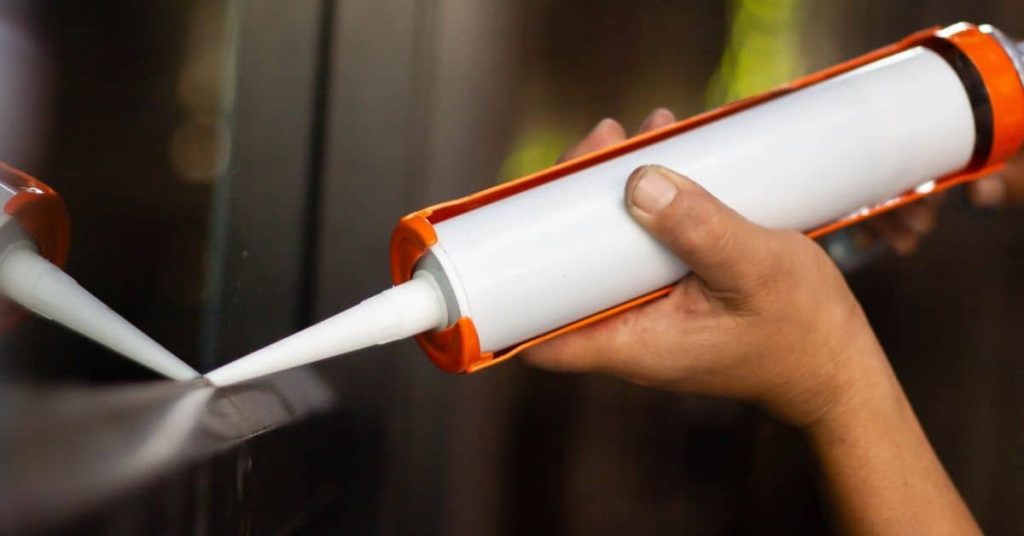
- Caulking gun: Essential for applying sealants. Check it works smoothly before starting.
- Foam gun (if using foam): Ensure it’s compatible with your chosen foam type and in good working order.
- Utility knife: Sharp blades are crucial for clean cuts. Test it on scrap material.
- Putty knife: Have various sizes ready for different joint widths. Check they’re not bent or damaged.
- Brushes (for cleaning): Stiff-bristled brushes work best. Inspect them for wear.
- Rags: For cleanup. Make sure they’re clean and in good condition.
- Inspection lights: Help spot hard-to-see gaps or imperfections. Test them before starting.
Quick rule: Always inspect your tools before starting to avoid delays and poor results.
Materials and consumables
Having the right materials is key to a successful job. Here’s what you’ll need:
- Tapes (butyl, acrylic): Check they’re compatible with your chosen sealer or adhesive.
- Sealants/caulks (latex, polyurethane): Ensure they match the joint size and are suitable for your project. Test them on a small area first.
- Backer rods: Different sizes may be needed. Check they’re in good condition before use.
- Foams (low or high expansion): Ensure they’re compatible with your chosen sealer or adhesive and within their usable lifespan.
- Primers/cleaners: Choose the right one for your surface type. Test them on a small area first.
- Temporary clamps/shims: Essential for keeping joints tight while sealing. Check they’re in good working order.
Quick rule: Always test materials on a small, hidden area first to ensure compatibility and performance.
Material Types — Tape Vs Caulk Vs Foam (When to Choose Each)
Tape, caulk, and foam each have a niche in form joints. Tape works best where movement is minimal and joints are tight. Caulk handles moderate movement and provides better waterproofing. Foam fills larger gaps and accommodates greater movement, with careful application.
Prepare by assessing joint width, exposure, and planned finishes. Tools and prep steps vary by material, so follow product instructions and verify compatibility with the concrete surface. Use a quick decision guide to pick the right option for the job at hand.
Tape (butyl, butyl-backed, flashing)
Tapes are quick and easy to apply, making them a favorite among foremen. They’re reusable too – just roll it back up after use. But they’re not perfect. Edge lift can happen if not applied properly.
Ideal uses: Short joints or as a secondary seal. They work great on small control joints (1/8″ to 3/16″) and where movement is minimal.
Prep the surface, clean it well. Apply tape firmly, use a roller for best results. No priming needed. Cure time? Instant – you’re good to go as soon as it’s on.
Caulk/sealant (polyurethane, acrylic, silicone, butyl)
Caulks are versatile. They can fill irregular gaps and accommodate movement. But choose wisely – incompatible chemistries can cause issues.
Advantages: Can handle medium movement (1/16″ to 1/4″) and provide better waterproofing than tapes. Good for mid-size expansion joints.
Prep the surface, clean it well. Prime if needed, especially on porous surfaces. Tool it smooth with a damp sponge or finger. Cure time varies – check product specs.
Foam (low-expansion vs high-expansion polyurethane)
Foams are great for filling deep or irregular gaps. But be careful – too much expansion can displace your forms.
Strengths: Can fill large structural gaps (1″ to 6″) and handle high movement situations. Good for both low- and high-expansion needs.
Prep the surface, clean it well. Prime if needed. Apply foam, tool it smooth immediately. Cure time varies – check product specs. And remember, always check product suitability before use.
Material Specs, Standards, and Selection Criteria
Key properties to verify include adhesion to concrete, elasticity, service temperature range, and VOC content. Check manufacturer datasheets for minimums and targets. Do not guess the specs; confirm them before buying.
Standards and codes matter, such as elastomeric sealant references and substrate adhesion tests. Note local rules that may affect material choices. Always consider substrate type, movement, and exposure when selecting a system.
Key specs to verify before buying
Before you buy, check these key specs. They’ll ensure your sealant or tape does its job right.
Adhesion: Check it’s good on concrete and form material. Some work better than others.
Movement capability: Joints move. Make sure your sealant can handle it without cracking.
Cure conditions: Some need warm temps to cure right. Cold weather might mean a longer wait.
Flammability: Safety first. Check if it’s flame-retardant, especially in high-risk areas.
Manufacturer application limits: Follow their guidelines. They know best how far you can stretch their product.
Matching materials to substrate and environment
Choosing the right material for your form’s surface and conditions is crucial. It affects how well it seals, cures, and lasts.
- Metal forms: Use tapes or caulks designed for metal. They stick better and won’t rust.
- Timber forms: Opt for products that work on wood. Some may need a primer first to help adhesion.
- Coated forms: Check your sealant’s compatibility with the coating. Some might react badly.
- Cold conditions: Choose products rated for low temps. They’ll cure and perform better in the cold.
- Hot conditions: High heat can affect some materials. Pick one that can handle it.
- Wet conditions: Moisture-resistant options are key here. Some may need a primer to help with adhesion.
- Form release agents: Make sure your material is compatible with the release agent you’re using. Some might interfere with adhesion.

Step-by-Step Application: Tape, Caulk, and Foam Techniques
Start with thorough prep: remove debris, dry the joint, and mask surrounding surfaces. Verify dimensions align with form-release and curing requirements. This prevents fins from forming later.
Then apply the material following its specific steps. Tape requires edge bonding; caulk needs proper tooling and backer rod where appropriate; foam demands controlled dispensing. End with a clean finish and a plan for curing and inspection.
Step-by-Step Process
Follow these practical steps to effectively seal form joints using tape, caulk, and foam techniques. This will ensure a smooth finish and prevent ‘fins’ from forming.
- Preparation: Remove debris, dry the joint area, mask surrounding surfaces, and verify joint dimensions meet form-release and curing requirements.
- Material Selection: Choose the right material – tape, caulk, or foam – based on joint width, movement allowance, moisture exposure, and concrete pour sequence.
- Tape Application: Apply tape with even tension, overlap seams, press to ensure full contact, and seal leading/trailing edges.
- Caulk Application: Use a backing rod if needed, run a consistent bead, tool to ensure contact and profile, and allow for proper cure time.
- Foam Application: Set up the gun, apply controlled passes with low-expansion product where displacement is a risk, trim cured foam, and seal or cover foam to protect it.
- Inspection & Rework: Post-application checks for adhesion, joints free of fins, re-taping or resealing steps if issues are found after masking or form removal, and document curing times.
Tape application technique
Proper tape application is crucial for preventing fins. Here’s how to do it right:
Start by cleaning the joint area to ensure good adhesion. Apply the tape with even tension, overlapping seams by at least 1 inch to prevent concrete from bleeding through.
Press the tape firmly along its entire length to ensure full contact with the form faces. Seal leading and trailing edges by folding the tape over itself or using a separate piece of tape to create a tight seal.
Before pouring, check for any bridging or air pockets under the tape. If found, reapply or use additional tape to ensure a solid seal.
Caulk application technique
Applying caulk correctly is key to preventing fins. Here’s the right way:
If needed, use a backing rod to create a consistent joint width and prevent excessive caulk usage. Run a consistent bead along the joint, ensuring it fills the entire gap without gaps or voids.
Tool the caulk immediately after application to ensure full contact with both form faces and achieve the desired profile. Use a suitable tooling material like plastic or metal depending on your caulk type.
Allow for proper cure time before pouring concrete, as specified by the manufacturer’s instructions. Inspect the joint for any gaps or voids that may have formed during curing.
Foam application technique
Proper foam application is essential to prevent displacement and fins. Here’s how:
Set up the foam gun according to the manufacturer’s instructions, ensuring it’s clean and free of debris. Apply controlled passes with a low-expansion product where displacement is a risk, such as wide joints or areas prone to movement.
Allow the foam to cure for the recommended time before trimming any excess material from the joint face. Use a sharp utility knife or foam cutter to create a clean, smooth surface.
Seal or cover the foam with tape or another suitable material to protect it from contamination and ensure a smooth finish. Before pouring concrete, check that the foam is fully cured and adhering properly to both form faces.
Preventing Fins During Pour and Finishing After Strip
During pours, optimize joint layout, edge support, and staggered seams to minimize leakage. Use the chosen sealing method consistently, and keep an eye on how moisture moves through the joint. Quick adjustments during setup save time later.
After strip, inspect for fins and address them promptly. Use trowels and finishing tools to blend any small features into the surface. Document curing and any touch-ups needed for a uniform finish.
Best practices during pour to minimize leakage
Before pouring, ensure formwork is secure and sealed. Clamp and fasten forms tightly together.
Check alignment at every joint. Use a level or straight edge to ensure they’re flush.
Monitor vibration practice. Consistent vibration helps concrete fill forms evenly, reducing leakage.
Inspect seal continuity before pouring. Check tape edges and caulk beads for any gaps or breaks.
Post-strip finishing and small-fin repairs
After stripping forms, carefully remove any residual fins using hand tools like chisels or grinders with appropriate discs.
For small fins, use a trowel to apply a thin layer of repair mortar. Press it into the fin, then smooth and level.
Allow the patch to cure, then use a float or trowel to blend it into the surrounding surface. Ensure the finish is consistent and durable.
For larger fins, consider using a backer rod and caulk for sealing before applying final finish.
Common Mistakes, Troubleshooting, and Repair Strategies
Common errors include insufficient surface prep and selecting the wrong product for the joint type. Over- or under-sealing and neglecting backer rod sizing lead to fins or hollow spots. Recognize these patterns early to avoid repeat failures.
Develop a practical troubleshooting flow: clean and dry, test patch adhesion, reselect product, and reseal if needed. For repairs, tailor the approach to the scenario, then plan cure and re-inspection steps to confirm success.
Troubleshooting when fins still appear
Even after proper sealing, fins might still show up. Here’s how to figure out why:
Check seal continuity: Inspect the entire joint for any gaps or missed spots.
Assess form deformation: Check if forms warped or shifted during pour, causing leaks.
Evaluate vibration and pour pressure: Too much of either can force sealant out. If this happened, you might need to reinforce your forms or adjust pouring techniques.
Fixing adhesion failures and leaks
If your seal isn’t sticking or there are leaks, follow these steps:
Surface re-prep: Clean and dry the area thoroughly. Remove any old sealant residue.
Use primers or alternate chemistries: If adhesion is poor, use a suitable primer or switch to a different sealant type that’s compatible with your substrate.
Replace tape with a more permanent sealant: If leaks persist despite re-sealing with tape, consider using a caulk or foam for better adhesion and durability.
Cost, Durability, Safety, and Environmental Considerations
Compare initial costs and labor across tape, caulk, and foam, accounting for prep and site conditions. Consider the scale of the project when estimating effort and materials. Plan for durable joints to minimize future work.
Assess safety, VOCs, and disposal considerations for each option. Look at environmental impact and recycling possibilities, and factor in storage and shelf life for the materials. Align procurement with local rules and site practices.
Cost vs Longevity Tradeoffs
When choosing between tape, caulk, and foam for sealing form joints, consider both upfront costs and long-term maintenance to make the best decision.
The cheapest option isn’t always the best. Tapes might have a higher initial cost but require less frequent rework than cheaper alternatives like caulks or foams.
Labor for application also plays a role. Some options, like tapes, can be faster to apply, saving you time and money in the long run.
Factor maintenance into your decision. Cheaper options may require more frequent touch-ups or replacement, driving up total lifecycle costs.
Safety, PPE, and Disposal Guidance
Handling sealants safely is crucial. Always follow manufacturer guidelines and use appropriate personal protective equipment (PPE).
Ventilation is key when working with sealants. Ensure your workspace is well-ventilated to avoid inhaling harmful fumes.
Be aware of flammability risks, especially with foam options. Keep heat sources away from the work area and follow manufacturer guidelines for safe application and disposal.
VOC content matters. Some sealants have high VOC content, which can contribute to poor indoor air quality. Choose low-VOC alternatives when possible.
Proper disposal is vital. Follow local regulations and manufacturer guidelines to ensure you’re disposing of used materials and cartridges responsibly.
Conclusion
Sealing form joints correctly protects the finish, reduces costly rework, and keeps the project safe from leaks and movement during pours. Do the prep, pick the right method, and follow a careful process to prevent fins and ensure a solid, long-lasting seal.
Always take the practical, stepwise approach: assess the joint area, decide if tape, caulk, or foam fits best, clean and prime where needed, apply with consistent pressure, smooth or tooling as required, cure per product specs, then test the seal before stripping or backfilling. Start small if you’re unsure, and verify fits and clearances before committing to the full run. If you document your checks and keep materials within their standards, you’ll save time and avoid damage.
Common mistakes to watch for are skimming over prep, choosing the wrong product for the joint, and overfilling or underfilling the gap. Always mask edges, ventilate the area, and wear appropriate PPE. If the joint area is large, highly dynamic, or exposed to moisture or vibration, or if you’re uncertain about selecting the right material, consider bringing in a professional for the critical steps. Stay steady, follow the plan, and you’ll finish strong with durable, clean joints. You’ve got this.
FAQ
What sealant options work best for form joints: tape, caulk, or foam?
Tape is quick and clean for straight, uniform joints. Caulk stays flexible and bonds well to concrete forms. Foam fills gaps well but expands; use only where it won’t squeeze into the joint and cause inspection issues.
How do I apply each material type correctly?
Tape: press firmly and seal edges with minimal tension to avoid tearing. Caulk: run a continuous bead, smooth with a wet tool or finger, and clean excess right away. Foam: insert can upright, use short bursts, and trim excess after it cures according to the label.
Which method gives the best long-term durability for DIY pours?
Durability comes from proper surface prep and choosing a product compatible with concrete. Follow manufacturer instructions for curing times and weather conditions, and avoid gaps or voids by applying to clean, dry forms.
What common DIY mistakes should I avoid, and how to fix them?
Don’t skip surface prep or use old, degraded sealants. Don’t overfill and use too much foam that can push into the concrete. If you mess up, remove the wrong material per label guidance and reapply fresh material after cleaning the joint.