
Introduction
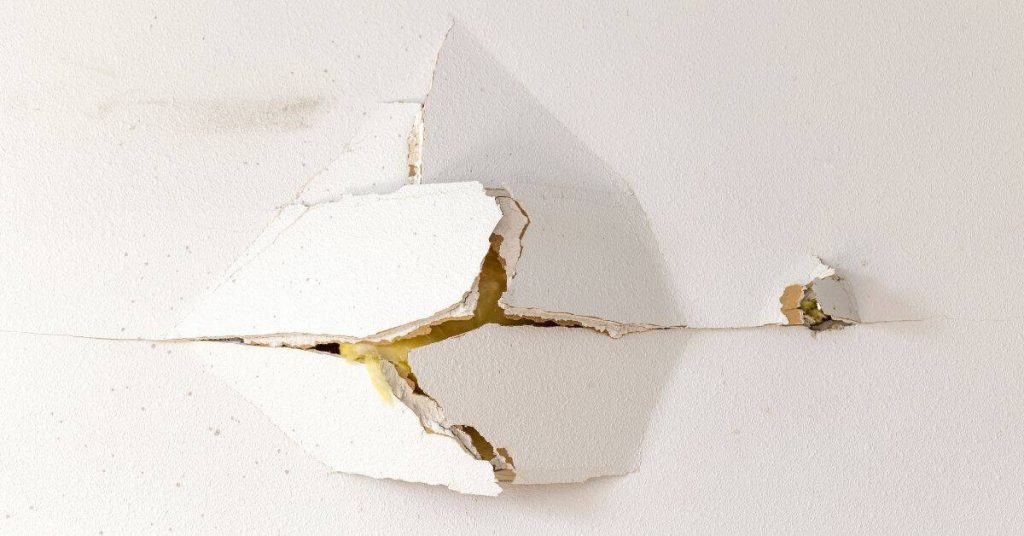
A failed patch that sounds hollow is a plaster area with voids that likely needs back-cutting and reattachment. In plain terms, you’ll check why it came loose and decide whether to trim the patch back or start fresh. This is a real-world, DIY job you can handle with basic tools and a patient approach.
To fix it, you’ll identify hollow spots, cut back around the edges, and expose solid material. Then you rebond or resecure the patch using appropriate materials, following the product label and local rules for set time and finish. If in doubt, check the manufacturer instructions and your local guidance, and adjust the plan to protect the wall surface.
Key takeaways
- Use a gentle tap test and visual signs to locate hollow spots.
- Decide between patch removal or repair based on detachment extent and backing.
- Carefully cut back damaged plaster and identify solid depth before reattachment.
- Choose reattachment methods that match substrate and allow proper moisture guidance.
- Wear eye protection and dust control; contain debris to protect occupants.
- Document measurements and conditions to compare before and after repair outcomes.
Table of Contents
- Introduction
- Key takeaways
- Quick Overview: What a Hollow-Sounding Patch Means and the Goal of Repair
- Identifying and Diagnosing a Hollow Patch
- Safety, Containment, and Pre-Repair Planning
- Cutback Rules and Safe Removal Techniques
- Reattachment Options and Repair Methods
- Materials, Compatibility, and Tools Checklist
- DIY Vs Professional Repair and Cost/Decision Factors
- Step-by-Step Repair Plan, Mistakes to Avoid, and Case-Study Guidance
- Conclusion
- FAQ
Quick Overview: What a Hollow-Sounding Patch Means and the Goal of Repair
A hollow patch sounds like a drum when you tap it or feel a dull spot behind the surface. The goal is to identify what’s failed, then plan a repair that stops further movement and moisture intrusion. Expect simple patches to suffice sometimes, but deeper issues may require substrate work or backing replacements.
What you’re listening for are voids, loose edges, and inconsistent tones that hint at a lack of adhesion. Common causes include poor initial bonding, substrate deterioration, or hidden moisture movement. The repair sequence should be removal, prep, reattachment, and a properly feathered finish.
Defining Hollow Patches, Delamination, and Failed Repairs
A hollow-sounding patch indicates a problem beneath the surface. Here’s what these issues mean:
Hollow or Dead Sound: Tapping on the patch reveals a dull, hollow sound instead of a solid thud. This suggests voids or separation between the patch and the substrate.
Delamination: The patch has separated from the underlying surface (substrate). This could be due to poor adhesion or moisture issues.
Failed Repairs/Adhesive Problems: The original repair didn’t stick properly, leading to separation. This might be caused by incompatible materials, inadequate keys, or improper application.
Typical Failure Modes and Root Causes
Understanding the cause helps determine the repair approach. Here are common issues:
Incompatible Patch Materials: Using the wrong material for your substrate can lead to failure, e.g., using joint compound on plaster.
Poor Adhesion: Insufficient bonding between the patch and substrate due to inadequate preparation or application.
Moisture Intrusion: Water penetration weakens adhesion and causes delamination. It may also indicate a larger leak issue.
Structural Movement: Settlement, expansion, or contraction can cause patches to fail, suggesting deeper structural concerns.
Identifying and Diagnosing a Hollow Patch
Start with the visible condition: cracks, patches, and texture changes guide where to test further. Use a non-destructive approach to map hollow zones without destroying the patch. Differentiate hollow patches from normal variation or settled substrate by reliability of the test results.
On-site tools include tapping, a rubber mallet, a sounding rod, a moisture meter, and a simple pin test with care. Document findings with scale photos and sketches to map hollow areas and suspected causes. Decide whether reattachment or a full rebuild is warranted based on substrate integrity and patch performance.
Tap, map, and mark: simple auditory and visual tests
Start by tapping the patch with a small ball-peen hammer or rubber mallet. Listen for changes in sound that indicate hollowness. Mark these areas clearly with chalk or paint.
Systematically tap along lines and around edges to map out the extent of the hollow area. Remember, not all variation is hollowness; some may be normal substrate texture.
Once mapped, use a straight edge to draw boundaries for cutback. These will guide your repair plan.
Probing, moisture checks, and layer identification
Use a sharp probe or awl to gently poke the patch. Listen for changes in sound and feel for resistance that might indicate hidden layers or voids.
Check for moisture using a moisture meter. Active moisture can cause delamination and hollowness. If present, address the source before proceeding with repairs.
If you suspect multiple layers (like veneer plaster or lath), probe carefully to identify them. This helps plan cutback depth and ensures you’re working with a sound substrate.
When a hollow area indicates structural or moisture problems
Large areas of delamination, sagging ceilings, or repeated failures may signal underlying issues. These could be structural, like damaged framing or settling, or moisture-related, like leaks or condensation.
Mold growth is another red flag. It indicates persistent moisture and potential health hazards.
If you encounter these signs, stop work and consider hiring a professional inspector. They can assess the extent of damage and recommend appropriate action.
Safety, Containment, and Pre-Repair Planning
PPE and ventilation are the first line of defense: respirators, goggles, gloves, hearing protection, and temporary containment. Implement dust control measures to protect occupants and surfaces nearby. Plan for a clean, contained work zone before you start.
Map utilities, verify access routes, and note any hidden hazards. Create a pre-repair diagnostic checklist covering hollow sound, moisture hints, and substrate condition. Outline a step-by-step plan with material choices, sequencing, safety contingencies, and cleanup procedures.
Personal protective equipment and dust control
The first line of defense against hazards is personal protective equipment (PPE) and proper dust control.
- Respirator: Use a half-face respirator with P100 filters to protect from dust and debris. Key: Ensure it fits properly. Tip: Rentals available, around $50/day.
- Eye protection: Wear safety glasses or goggles to shield eyes from particles. Key: Choose impact-resistant for added safety.
- Gloves: Use work gloves to protect hands from cuts and chemicals. Key: Opt for durable, flexible materials like nitrile.
- HEPA vacuuming: Use a HEPA vacuum to clean up dust. Key: Connect it to your respirator’s air supply if possible. Tip: Rentals around $30/day.
- Containment: Seal off work area with plastic sheeting to contain dust and protect other areas. Key: Use tape that sticks well but won’t damage surfaces.
Protecting surrounding finishes and checking utilities
Before you start, protect nearby finishes to avoid collateral damage. Use painter’s tape and plastic sheeting to cover floors, walls, and fixtures.
Check utilities: Before cutting back the patch, locate any electrical or plumbing lines behind the wall to avoid accidental damage. Use a stud finder and trace any visible lines.
If you’re unsure about any lines, contact your local utility company for a free mark-out service. They’ll send someone to mark the exact locations of underground utilities.
Always assume there are live wires or pipes until proven otherwise. Work carefully and use appropriate tools to minimize risks.
Planning checklist and documentation
Before starting the repair, use this checklist to ensure you’re prepared and have all necessary information documented.
- Photos: Document the hollow patch’s condition before work begins. Why: To compare progress and assess final results.
- Materials list: List all materials needed for the repair. Tip: Include quantities to avoid mid-project runs.
- Tools: List required tools, including any rentals. Why: To ensure nothing is missed and to budget accordingly.
- Cure-time scheduling: Plan when you’ll apply the patch relative to other tasks or occupancy. Key: Allow enough time for proper curing.
- Local preservation/permit checks: Check if any local regulations require permits or special considerations. Why: To avoid fines and delays.
- Substrate condition: Note the condition of the underlying substrate. Tip: If it’s damaged, plan to repair that first.
- Moisture intrusion: Document any signs of moisture intrusion. Why: To address the root cause during repair.
- Access routes: Map out clear access routes for materials and equipment. Tip: Consider narrow hallways or stairs.
- Safety contingencies: Plan for potential safety issues, like live wires or unstable structures. Why: To minimize risks and respond quickly if needed.
- Cleanup procedures: Plan how to clean up dust and debris. Tip: Include a final walkthrough to ensure everything is spotless.
Quick rule: Review the checklist daily to stay on track and catch any issues early.
Cutback Rules and Safe Removal Techniques
Identify the failure boundary by listening for sound changes and probing for crumbly edges. Document any moisture or debonded areas you uncover. This guides how far to cut back and what to leave behind.
Shape the cutback with feathered, beveled edges to encourage a solid bond, and avoid cutting into sound lath or framing. Outline a method for outlining, scoring, and removing the patch with appropriate tools while controlling dust and vibration. Plan for backer support if needed after exposing sound material.
How far to cut: principles for a clean, secure perimeter
The goal is to reach solid substrate. Cut back to sound plaster or full-thickness edge.
Remove any feathered or poorly adhered skim. This ensures a stable base for reattachment.
Minimum edges: Aim for at least 2-3 inches of clean, sound material around the perimeter.
Cutting methods and tool recommendations
Choose tools that give you control and precision.
- Utility knife: Inexpensive, easy to use. Use a sharp blade, change it often.
- Oscillating multi-tool with flush-cut blade: Gives you clean cuts, less dust. Rentable, around $50/day.
- Cold chisels: For deep cuts. Requires skill to avoid overcutting.
- Vacuum attachment: Essential for dust control. Keeps your workspace clean.
- Scoring tool or marker: Helps guide your cut, prevents overcutting.
Common cutting mistakes to avoid
These mistakes can lead to re-failure. Avoid them for a lasting repair.
- Feathering into sound material: This weakens the substrate, leading to further failure.
- Leaving loose keys: Loose keys cause poor adhesion and eventual delamination.
- Creating unsupported thin edges: Thin edges can break off or re-fail after patching.
- Overcutting into lath or structure: This compromises the structural integrity of your wall.
Take your time. Measure twice, cut once. It’s better to leave a bit too much than risk overcutting.
Reattachment Options and Repair Methods
Assess substrate integrity to decide between reattachment and a full rebuild. The choice hinges on moisture presence, backing condition, and how well the surrounding wall accepts a new patch. The root cause should drive the approach.
Consider adhesive injection, mechanical fastening, or backing and rebuilding as options. Each method has its place depending on moisture, patch size, and desired durability, so align the plan with what the substrate can support long term.
Adhesive injection and glue-size methods
Low-pressure adhesive injection is your first line of defense when dealing with hollow-sounding patches. It works best on small to medium-sized areas where the substrate is still sound but has lost its bond.
Epoxy, polyurethane, or appropriate plaster adhesives can be used. They penetrate deep into the substrate, re-establishing a strong bond. But remember, they won’t work miracles. If the substrate is crumbling or too weak, they won’t hold.
Application is simple but precise. Drill small holes, inject the adhesive, let it cure. But be careful not to overfill. Excess adhesive can push out and create a mess.
Curing times vary by product, so follow the manufacturer’s instructions. And always wear gloves – these adhesives are tough to remove once they’ve set.
Mechanical reattachment: keys, screws, and backing
When adhesion alone isn’t enough, it’s time to bring in the big guns – mechanical reattachment. This involves physically securing the patch to restore load transfer.
First, create or restore plaster keys. They’re like tiny interlocking fingers that help hold everything together. Then, use screws and washers or button/plug methods for extra support. Remember, longer screws mean better hold, but don’t go so long you hit a void.
For unsupported patches, install backing – wood strips, mesh, or plasterboard. This gives the patch something solid to adhere to. But be sure your backing is securely attached too. There’s no use in reinforcing a weak structure.
Always predrill holes for screws to prevent cracking. And don’t forget to countersink them so you can fill and sand later.
Rebuilding full-coat sections vs skim-coating
Sometimes, a simple repair just won’t cut it. When the substrate is compromised or the patch too large, you’ll need to decide between rebuilding full-coat sections or using a skim coat.
Full-coat rebuilds involve stripping back to sound substrate and rebuilding your scratch/brown/finish coats to match the original system. It’s labor-intensive but ensures a strong, durable repair.
Skim coating is quicker and easier. It involves applying a thin layer of new plaster over the repaired substrate. It’s great for cosmetically damaged areas where soundness isn’t an issue. But remember, it won’t fix structural problems. If in doubt, always opt for the full rebuild.
Moisture is your enemy here. Always ensure the substrate is dry before starting any repair work. And if you’re unsure, don’t guess – test. Moisture meters are cheap and can save you a lot of heartache later on.
Materials, Compatibility, and Tools Checklist
Identify the plaster type and substrate behind the patch to select compatible patch materials, whether lime-based, cementitious, or polymer-modified. Match the repair to the original shear strength and texture for a cohesive result. Check labels and manufacturer guides to confirm suitability.
Prepare a concise list: patch material options, bonding agents, reinforcing mesh or lath, moisture control additives, and finish coats that mimic nearby textures. Include a tools checklist for scraping, troweling, mixing, priming, and moisture/temperature checks, plus PPE and containment supplies.
Material selection and compatibility considerations
Before you start, identify the original plaster composition to choose compatible repair materials.
- Plaster type: Check if it’s lime, gypsum, or cement. Skip this and you might use wrong materials causing weak bond.
- Substrate behind patch: Inspect for wood or metal lath. Incompatible substrates need specific repair methods.
- Matching materials: Choose lime-based, cementitious, or polymer-modified based on original plaster. Mismatch leads to weak bond and poor curing.
- Bonding agents: Use compatible primers for better adhesion. Skipping this might cause peeling.
- Reinforcement: If needed, use mesh or lath repair fasteners matching existing ones. Wrong reinforcement can lead to detachment.
- Waterproofing additives: If moisture is an issue, add compatible waterproofers. Skipping this may cause damp problems.
- Finish coats: Match texture and sheen with surrounding plaster. Mismatch makes repair stand out.
- Manufacturer data: Check for compatibility before using. Ignoring this can result in poor performance.
- Test patch: Do a small test patch to confirm adhesion and curing. Skipping this may lead to costly mistakes.
Quick rule: Always match new materials to existing ones for best results.
Tools and consumables checklist
Gather these tools and consumables before starting your repair job.
- Probe: To check hollow spots. Skip this, risk damaging substrate.
- Mallet: For gentle tapping to locate weak areas. Without it, you might cause more damage.
- Oscillating tool: For cutting and removing old patch. No tool = no clean cut.
- Injection gun: For adhesive injection if needed. Skip this, can’t reattach properly.
- Trowels & hawk: For mixing and applying new plaster. Missing these, poor application guaranteed.
- Mixing containers: Essential for preparing patch mix. No container = no mix.
- Paddles/drill: For mixing bonding agents and plasters. Without it, inconsistent mixes lead to weak bond.
- Level & straightedge: Ensure even application. Skip this, uneven finish expected.
- Brushes: For applying primers. No brush = no primer application.
- Protective gear: Safety glasses, gloves, and dust mask. Skip this, risk injury or illness.
- Moisture/temperature testing equipment: Ensure suitable conditions for repair. Ignore this, poor curing likely.
Quick rule: Having the right tools ensures a smooth, successful repair job.
Visual checkpoints and test patches
Before finishing, ensure your patch is properly bonded and cured with these visual and tactile checks.
- Adhesion: Gently pull on the patch. No movement = good bond. Movement indicates weak adhesion.
- Cracking: Look for cracks around edges or surface. Cracks suggest poor bonding or curing.
- Texture & sheen: Match with surrounding plaster. Mismatch needs touch-up before finishing.
- Color match: Check if the patch blends with surroundings. Mismatch requires color tinting adjustment.
- Test patch curing: Inspect test patch for proper curing. If not, adjust conditions or materials.
- Soundness: Tap the patch gently. Solid sound = good bond. Hollow sound indicates detachment.
- Moisture content: Check for dampness using moisture meter. Too much or too little can affect curing.
- Temperature: Ensure it’s within suitable range for plaster curing. Wrong temperature affects bond strength.
Quick rule: Thorough visual and tactile checks ensure a strong, durable repair.
DIY Vs Professional Repair and Cost/Decision Factors
Evaluate if the patch is small and non-structural to consider DIY, or if hidden cracks, movement, or moisture push toward a professional. Look for persistent hollow sounds after an initial patch attempt or recurrent cracking as warning signs. Use your judgment to gauge scope and risk.
Consider complexity indicators, potential damage to surrounding surfaces, and the need for specialty moisture work or epoxy injections. When estimating quotes, verify licenses, scope, included materials, warranties, and any subspecialty services. Use a simple planning prompt to collect photos, measurements, and moisture notes before contacting a pro.
When to hire a professional
If your patch sounds hollow and persists after initial attempts, it might be time to call in the pros. Here’s when:
Large delaminated areas: If the patch is bigger than a small bucket, consider hiring help.
Sagging ceilings: This could indicate structural issues that need professional attention.
Unknown multilayer systems: Historic homes may have multiple layers of plaster. A pro can identify and match them.
Active moisture or mold: Professionals have the tools and know-how to deal with these hazards safely.
How professionals approach difficult repairs
Pros have specialized skills and equipment for tough jobs:
Structural stabilization: They can reinforce and stabilize your ceiling’s structure.
Lath replacement: If laths are damaged, pros know how to replace them.
Three-coat recreation: Professionals can recreate the original three-coat plaster system if needed.
Matching historic textures: They have techniques and materials to match historic finishes.
Cost factors and how to get reliable estimates
Main cost drivers include:
Area size: Larger patches mean more materials and labor.
Access: Hard-to-reach areas can increase costs.
Material match: Specialty materials for matching historic finishes add to the bill.
Structural work: Repairs involving laths or structural issues cost more.
To get reliable estimates:
Get multiple written quotes from licensed professionals.
Ask for references. Check them to ensure quality work.
Avoid relying on ballpark figures. They’re often inaccurate.
Step-by-Step Repair Plan, Mistakes to Avoid, and Case-Study Guidance
Create a concise, numbered plan from inspection to final finish: note hollow sounds, measure crack depth, assess moisture, prepare the surface, choose patch material, apply bonding, cure, seal, and feather to blend. Include approximate timelines and moisture check points to pause progress. Use simple milestones to stay on track.
Document conditions as you go and flag safety considerations such as dust control and PPE. Compare patch decisions to case studies or photos to calibrate expectations. A mini-case study template helps you adapt proofed steps to your situation and build a repeatable repair framework.
Step-by-Step Repair Process
The following is a clear, numbered sequence of practical steps to guide you through the repair process from preparation to finish.
- Inspect and prepare: Identify hollow areas, measure crack depth, check moisture and substrate condition. Ensure safety by controlling dust and wearing PPE.
- Cut back to sound material: Remove damaged plaster or backing until you reach solid material. This may involve cutting out sections with a utility knife or saw.
- Select patch materials: Choose appropriate patch mix, binders, and reinforcement (mesh or lath if required). Consider compatibility with existing patch and substrate movement.
- Prepare bonding surfaces: Prime exposed areas to ensure proper adhesion of the new patch. Allow primer to dry according to manufacturer’s instructions.
- Apply repair coats: Apply the first coat, embedding reinforcement if used. Feather the edges towards solid material. Apply subsequent coats, allowing each to cure as per manufacturer’s guidelines before proceeding.
- Secure substrate and embed restraints: Use mechanical fasteners like screws or keys if needed to secure the substrate. Embed restraints into the patch to prevent future hollow sounds.
- Cure and seal: Allow the final coat to cure according to manufacturer’s instructions. Apply a sealer to protect the repaired area from moisture intrusion.
- Final finish and inspection: Apply a final finish that matches the existing surface. Inspect the repair for any signs of weakness or movement.
Compact step-by-step repair checklist
Use this checklist to ensure you cover all necessary steps in your repair process.
- Document condition: Note down the size and location of hollow areas, crack depth, moisture intrusion, substrate integrity, and lath status.
- Isolate utilities: Turn off power to any affected electrical circuits. Notify utility companies if necessary.
- Cut back to sound material: Remove damaged plaster or backing until you reach solid material. Ensure edges are clean and free of debris.
- Choose reattachment method: Decide on full-depth cutback, skim coat repair, adhesive injection, or mechanical reattachment based on the substrate condition and patch size.
- Secure substrate: Use mechanical fasteners like screws or keys if needed to secure the substrate. Ensure they are embedded deep enough for proper restraint.
- Apply repair coats: Apply the first coat, embedding reinforcement if used. Feather the edges towards solid material. Apply subsequent coats as per manufacturer’s guidelines.
- Cure and seal: Allow each coat to cure according to manufacturer’s instructions. Apply a sealer to protect the repaired area from moisture intrusion.
- Final finish and inspection: Apply a final finish that matches the existing surface. Inspect the repair for any signs of weakness or movement.
- Moisture checks: Perform moisture checks at key stages: after initial cutback, before applying each coat, and after final curing. Skipping this can lead to hidden moisture issues causing future repairs.
Quick rule: Always follow manufacturer’s instructions for patch materials and sealers to ensure optimal performance and longevity of the repair.
Mistakes to avoid and troubleshooting tips
Learn from these common mistakes to avoid pitfalls in your repair process.
- Neglecting moisture control: Ignoring moisture intrusion can lead to recurring problems. Always test for moisture, address sources, and seal the repaired area.
- Using wrong patch type or too-thick skim coat: Mismatching materials or applying a patch that’s too thick can cause delamination and future hollow sounds. Ensure compatibility and apply patches in thin layers.
- Skipping cure time or abrupt/uneven feathering: Rushing the curing process or not properly feathering edges can result in weak spots and cracks. Allow adequate cure time and ensure even feathering.
- Failing to prime bonding surfaces: Not priming exposed areas can lead to poor adhesion of the new patch. Always prime before applying a new patch.
- Ignoring substrate movement and future load: Failing to consider how the repaired area will handle future loads or substrate movement can result in recurring issues. Ensure your repair method accounts for these factors.
By avoiding these common mistakes, you’ll increase the likelihood of a successful, long-lasting repair.
Case studies, photo guide, and expected outcomes
Documenting your repairs with before/after photos and notes can help you learn from each project and build confidence in your skills.
Take clear, well-lit photos of the repair area before starting work. Document the size and location of hollow areas, crack depth, moisture intrusion, substrate integrity, and lath status. Note down the materials used, methods employed, and any troubleshooting steps taken.
After completing the repair, take another set of photos from the same angles as the ‘before’ shots. Compare these to assess the success of your repair. Look for signs of weakness or movement that may indicate further issues.
Expected outcomes: With careful planning and execution, you should expect a repaired area that is structurally sound, visually appealing, and resistant to future moisture intrusion. Regular inspections will help ensure the longevity of your repairs.
Conclusion
Repairing a hollow-sounding patch is about safety, durability, and a clean appearance. Do it right and you protect the structure and your investment.
First, confirm compatibility and containment, then follow the step-by-step plan with small tests and PPE on hand, check the fit and the sound in a hidden area first, and work calmly through the reattachment method you settled on. Use safety first, choose compatible materials, and test in a non-critical spot before you commit to the full repair.
Common mistakes to avoid are rushing the cutback or removal, using the wrong material or tools, and skipping containment or safety checks. Always test a patch in a small, controlled area, keep kids and pets away, wear eye and respiratory protection, and stop if anything looks compromised or if the patch still sounds hollow after reattachment.
If the patch still sounds hollow after your best effort, or you uncover structural damage, don’t push on. A professional may be the safer choice when the repair involves load-bearing areas, complex reattachment, or unfamiliar materials. Stay practical, stay safe, and you’ll finish strong with a solid, reliable repair.
FAQ
How can I tell if a plaster patch is hollow or loose and needs removal?
Tap the patch and listen for a dull thud or hollow sound. Use a putty knife to probe the edges gently; if the edge flakes away or the patch moves easily, it likely needs more than simple mudding.
Should I remove a failed patch or can I fix it in place?
If the backing is loose or detached from the substrate, removal is usually necessary. If the patch is well attached to the substrate and only the surface is loose, you may reattach and re-skim, but verify the base is sound first.
What steps are involved in cutting back around a failed patch?
Score the edges to define a clean, square shape. Remove plaster beyond the fail area enough to expose solid, sound material for support, then clean the edges and nearby dust before reattachment.
What materials and tools do I need to reattach plaster, and how do I keep it from failing again?
Have a bonding agent compatible with plaster, a suitable patch mesh or lath if needed, setting-type joint compound or plaster mix, and a damp sponge. Apply the bonding agent, press the patch or mesh in place, and finish with multiple thin coats; keep the area dry and check for moisture sources to prevent future failures.