

Introduction
Bonding primers and proper surface prep are what keep glossy laminate cabinets from peeling. This article walks you through practical steps you can take at home to prep, test adhesion, and apply a durable finish. You’ll learn how to evaluate the surface and choose the right primer for a long-lasting bond.
Start with a light scuff and clean the cabinets to expose fresh, dry surface. Do a simple adhesion test and follow the primer and paint labels for prep, application, and drying guidance. If something is unclear, verify options with the manufacturer instructions or local rules before proceeding.
Key takeaways
- Test adhesion early with scuffs and adhesion tests before full painting.
- Choose a bonding primer compatible with glossy laminate and your topcoat.
- Proper surface prep prevents peeling: clean, lightly abrade, and wipe dust.
- Perform scuff and adhesion tests on inconspicuous areas first.
- Follow manufacturer directions for cure times and environmental conditions.
- Safety: ventilate work area, wear mask and eye protection during prep.
Table of Contents
- Introduction
- Key takeaways
- Quick Overview: Is Painting Your Glossy Laminate Cabinet the Right Choice?
- Tools and Materials Checklist
- Surface Preparation: the Foundation for Preventing Peeling
- Bonding Primers Deep Dive: Choosing and Using the Right Adhesion Layer
- Scuff Tests and Adhesion Tests to Prevent Peeling
- Painting Technique to Minimize Peeling and Maximize Durability
- Troubleshooting Peeling and Repairing Problem Areas
- Curing, Maintenance, and Final Quality Checklist (Visual Checkpoints)
- Conclusion
- FAQ
Quick Overview: Is Painting Your Glossy Laminate Cabinet the Right Choice?
Painting glossy laminate can be a cost effective option when the cabinet frame is structurally sound and the finish is peeling or dull. It sets expectations for how the surface will look and how long the result may last. Begin by assessing the surface condition and planning adhesion tests before a full project.
Consider replacement only if the substrate is damaged, edges are split, or you expect heavy use that may exceed a painted surface’s durability. A test patch helps you verify whether bonding primers will stick to the laminate and whether the look meets your needs. Set up a clear path from prep to finish based on those tests.
Pros and cons of painting glossy laminate
The decision to paint your glossy laminate cabinets is a big one. Let’s weigh the pros and cons before you start.
Pros
- Cost-effective: A fraction of the price of new cabinets.
- Time-saving: Much quicker than installing new ones.
- Aesthetic upgrade: Transform old cabinets into a fresh, new look.
- Versatile: Can match any color scheme you want.
Cons
- Adhesion risks: Glossy surfaces can be tricky to paint on.
- Long cure times: Some paints take days to fully dry and cure.
- Wear resistance: Painted cabinets may not last as long as new ones.
- Maintenance: Touch-ups might be needed over time.
Painting makes sense when you want a quick, budget-friendly update. But keep these trade-offs in mind.
Signs you should replace instead of paint
Before you grab your paintbrush, inspect your cabinets for any signs of serious damage. Replacing might be the safer and more cost-effective option.
Structural damage: If your cabinets are wobbly or falling apart, they need replacing, not painting.
Delamination: If the laminate is peeling off, it’s a sign that the substrate underneath is compromised. Replacement is usually best in this case.
Severe warping or incompatible substrate: If your cabinets are severely warped or made of a material that won’t take paint well (like metal), replacement is likely the way to go.
Tools and Materials Checklist
Stock up on cleaning agents, a deglosser or fine abrasive option, bonding primers, and the topcoat you plan to use. Include rollers, brushes, or spray gear, along with painter’s tapes and masking supplies. Don’t forget basic PPE such as gloves and eye protection.
Always verify the product label or manufacturer instructions for laminate compatibility and surface prep requirements. Check local rules or labels for any ventilation or safety guidance. Have spare rags and a clean work area ready to keep dust down during prep and painting.
Essential tools and consumables
Before you start, gather these hands-on items to ensure a clean, bonded finish.
- Cleaning cloths: To remove dirt and grease. Skip this, cabinets won’t be clean for painting.
- Degreaser or mild soap: For tough grime. Without it, paint won’t stick well.
- Scraper: To remove loose bits. Neglect this, you’ll have bumps under your paint.
- Fine sandpaper (120-grit) or abrasive pads: For light scuffing. Skip sanding, primer won’t bond properly.
- Tack cloth: To remove dust post-sanding. Miss this, you’ll have grit in your paint.
- Painter’s tape: To protect surrounding areas. Without it, you’ll get unwanted paint on walls or floors.
- Drop cloths: For protecting the floor. Skip this, you’ll be cleaning paint off your floor later.
- Natural bristle brush (1.5-2″): For cutting in edges. No brush, you’ll have sloppy lines.
- High-density foam roller (9-12″): For applying primer and paint. Wrong roller, you’ll have uneven coverage.
Quick rule: Don’t skip any item. Each plays a part in a smooth painting process.
Primer and paint choices—material specs explained
Choose the right primers and paints for your glossy laminate cabinets.
- Bonding primer: Promotes adhesion. Skip this, paint may peel off over time.
- Shellac-based primer (optional): Seals tannins in wood. Without it, you’ll have discoloration through your paint.
- Epoxy/urethane primer: For durability and resistance. Skip this, you won’t get a tough, long-lasting finish.
- Acrylic paint: Water-based, easy to clean up. But it’s not as durable as oil-based.
- Waterborne urethane paint: Durable, low VOCs. But it may require more coats for full coverage.
- Enamel paint: Oil-based, high durability. But it has strong fumes and takes longer to dry.
- Check labels: Ensure products are ‘suitable for non-porous/laminate’.
- VOC content: Consider low or zero VOC options for better air quality.
Quick rule: Always check product labels. The wrong primer or paint can lead to peeling, discoloration, or poor durability.
Safety, ventilation, and PPE
Protect yourself and your workspace before you start painting.
- Gloves: To protect hands from chemicals. No gloves, you’ll have bare skin exposed to harsh substances.
- Eye protection (safety glasses or goggles): For eye safety. Without it, you risk chemical burns or paint splashes in your eyes.
- Respirator: When using solvents or spray paints. No respirator, you’ll inhale harmful fumes.
- Adequate ventilation: Open windows, use fans. Without it, fumes can build up and make you feel sick.
- Proper disposal: Follow local guidelines for chemical waste. Improper disposal harms the environment.
Quick rule: Safety first. Always wear appropriate PPE and ensure proper ventilation to protect your health and workspace.
Surface Preparation: the Foundation for Preventing Peeling
Start with a thorough cleaning to remove grease and residue from all cabinet surfaces. Degreasing helps the primer bond and reduces the chance of future peeling. Lightly scuff or abrade glossy spots and wipe away dust before priming.
Pay extra attention to edges, corners, and around hinges or hardware mounting areas. Ensure hardware is removed or protected so prep residues don’t interfere with adhesion. Good prep sets up long term performance and a smooth finish.
Cleaning and degreasing effectively
Start by removing all hardware – knobs, hinges, and screws. Use a mild dish soap solution to clean the cabinets with a soft cloth or sponge. Rinse thoroughly and let dry.
Grease, wax, and silicone residue can prevent primer adhesion. Use a degreaser specifically designed for kitchen cabinets to tackle these. Apply, let it sit, then scrub gently with a non-abrasive pad. Wipe clean and let dry completely before proceeding.
To confirm the surface is residue-free, use a simple test: lightly mist the area with water. If the water beads up or doesn’t spread out evenly, there’s still residue present. Re-clean until the water spreads evenly.
Scuffing vs sanding: methods and when to use each
For lightly glossy cabinets, a chemical deglosser is usually sufficient. Apply with a cloth or spray, let it sit, then wipe off the residue. This leaves a consistent, keyed surface for primer.
For heavily glossy or damaged surfaces, mechanical abrasion is needed. Lightly sand using 220-grit sandpaper, following the grain of the laminate. Wipe off dust with a damp cloth and let dry.
Both methods aim to create a consistent ‘tooth’ for primer adhesion. The key is to leave a surface that’s not too smooth or too rough – just right for paint to grip onto.
Filling, masking, and hardware removal
Use a wood filler compatible with your cabinet material to fill any chips or seams. Let it dry, then sand lightly with fine-grit sandpaper. Wipe off dust.
For complex designs or to protect hardware finish, mask in place using painter’s tape and paper. Press down firmly to prevent paint from bleeding under the edges.
Poorly filled areas can show through paint, while poorly masked areas can result in sloppy lines. Ensure all surfaces are smooth, dust-free, and well-masked before painting. Re-attach hardware only after the final coat has fully cured.
Bonding Primers Deep Dive: Choosing and Using the Right Adhesion Layer
Learn how bonding primers create a grip on non porous laminate and what chemistries tend to perform well on glossy surfaces. Focus on primers labeled for non porous or difficult plastics and check for compatibility with your topcoat. Refer to the manufacturer’s guidance for surface prep and application specifics.
Before applying widely, do a test patch in a small area to confirm adhesion and finish quality. Follow the label’s recommended practice for application thickness and drying between coats. Use those tests to guide your full project plan.
Primer chemistries and how they bond to laminate
Primers are the unsung heroes of any painting project. They create a strong, lasting bond between your surface and topcoat. When it comes to glossy laminate cabinets, choosing the right primer is crucial.
Adhesion promoters, shellac-based, epoxy/urethane primers – each has its own strengths. Adhesion promoters boost bonding power, while shellac-based primers seal and protect. Epoxy/urethane primers provide excellent adhesion and durability.
Surface energy and chemistry play a big role here. Laminate is non-porous, so we need a primer that can increase surface tension and create a strong bond. That’s where these chemistries come in.
How to choose the right primer for your cabinets
Choosing the right primer is like finding a good partner – it’s all about compatibility. Here are some factors to consider:
Substrate type: Laminate or melamine? Check if the primer is designed for non-porous surfaces.
Topcoat compatibility: Make sure your chosen primer plays nice with your paint. Some primers are designed to work best with specific topcoats.
Indoor use: If your cabinets are indoors, choose a primer suited for indoor environments. It’s about longevity and safety.
Primer application best practices
Applying primer is an art form. You want even coverage, no puddles, and a strong bond. Here’s how:
Thin coats: Thin coats dry faster and reduce the risk of drips or runs. Better to do two thin coats than one thick one.
Overlap technique: Don’t leave gaps between strokes. Overlapping ensures full coverage and a smooth finish.
Avoid puddles: Puddles mean uneven drying and poor adhesion. Keep your primer application even.
Follow recoat windows: Each primer has its own drying time before you can apply the next coat. Follow the manufacturer’s guidelines for best results.
Scuff Tests and Adhesion Tests to Prevent Peeling
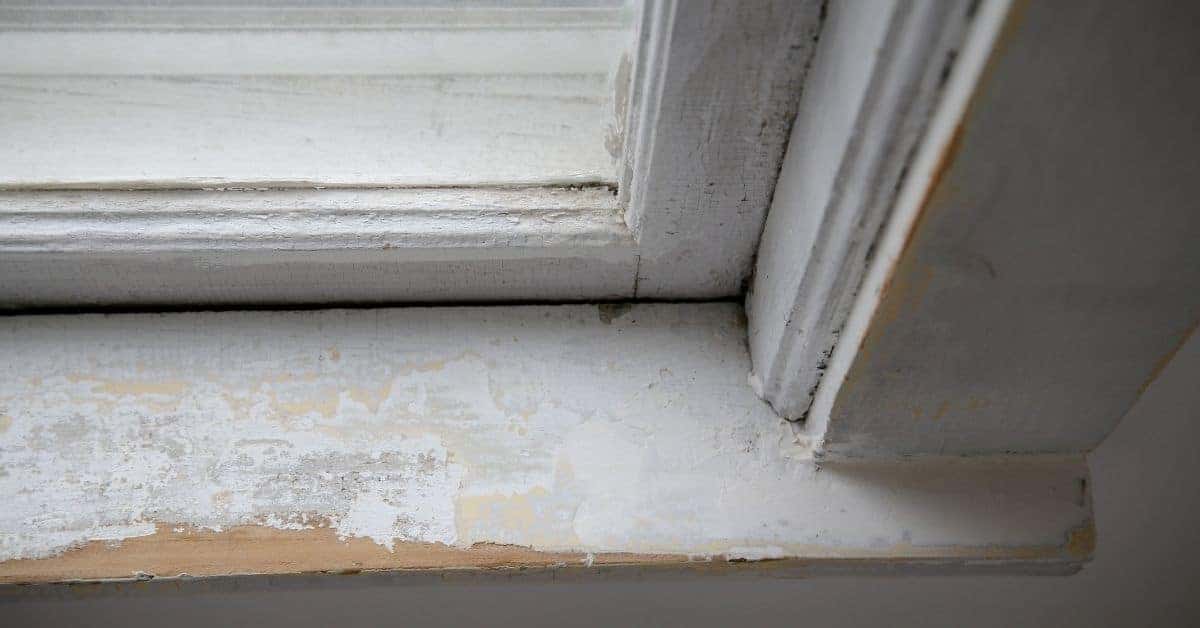
Perform a small area scuff test to see if the primer sticks after some gentle abrasion. Do a water or mild cleanup test to check if the surface remains intact after cleaning. A cross hatch adhesion test can help indicate future peeling risk under use conditions.
Interpret results by looking for lifted coatings or flaking as signals to adjust prep or primer choice. If the test fails, consult product instructions or try a different primer or prep step before proceeding. Use the results to decide next steps wisely.
Performing a scuff test and evaluating results
Before you dive into painting your entire cabinet, perform a small-scale scuff test to ensure your chosen prep method and primer will stick. Here’s how:
1. Prepare a test area: Find an inconspicuous spot on your cabinet, about 6″ x 6″.
2. Degloss or sand: Apply your chosen deglosser or lightly sand the test area using the methods explained earlier.
3. Prime and inspect: Apply a coat of your chosen primer, let it dry according to the manufacturer’s instructions, then check for any visual or tactile adhesion issues. If it looks good, proceed with painting.
Cross-hatch / tape adhesion test explained
The cross-hatch test is another simple way to check your primer’s adhesion before painting. Here’s how:
1. Create a grid: Using a utility knife, score a small 5×5 or 10×10 grid (about 1/8″ squares) into the primed test area.
2. Apply and remove tape: Press a piece of painter’s tape firmly over the scored area, then pull it off quickly at a 90-degree angle.
3. Interpret results: If less than 65% of the coating comes off on the tape, your primer has passed the test and you can proceed with painting. If not, consider additional prep or a different primer.
What to do if the tests fail
If your scuff test or cross-hatch test fails, don’t despair. Here are some steps you can take:
1. Re-evaluate your prep: If your primer isn’t adhering, it might be due to insufficient surface preparation. Try a more aggressive approach, like light sanding with 220-grit sandpaper or using a stronger deglosser.
2. Try a different primer: Some primers work better than others on laminate surfaces. Consider trying a different chemistry if your current one isn’t working.
3. Consult the manufacturer: If all else fails, reach out to the primer manufacturer for specific recommendations based on their product’s formulation and your surface type.
Painting Technique to Minimize Peeling and Maximize Durability
Choose your application method based on project size and control needs, whether brush, roller, or spray. Build coats evenly with thin layers and avoid heavy runs that can peel later. Allow appropriate curing windows between passes as described by the product instructions.
Mind transition areas around edges, corners, and hardware to reduce failure points. Use gentle feathering to blend edges and protect substrate where wear is high. A well structured technique helps achieve a durable, factory like finish.
Application methods: pros and cons of brush, roller, and spray
The choice of application method – brush, roller, or spray – depends on your paint type, skill level, and desired finish. Here’s a comparison:
Brush
- Offers excellent control for intricate areas.
- Great for small projects or touch-ups.
- Provides a smooth, even finish with proper technique.
- Allows for easy cleanup and minimal overspray.
Cons
- Slower application compared to rollers or sprayers.
- Requires steady hand and skill for consistent results.
- May leave visible brush strokes if not applied properly.
- Can be tiring on larger projects.
Brushes are ideal for small projects, intricate details, and when a smooth, controlled finish is desired.
Roller
- Covers large areas quickly with minimal effort.
- Provides a consistent, even finish.
- Great for broad, flat surfaces like cabinet doors.
- Offers easy cleanup and low cost.
Cons
- Less control over application, leading to potential overspray or drips.
- May leave visible roller marks if not applied properly.
- Not suitable for small areas or intricate details.
- Requires more paint and effort for edges.
Rollers are perfect for large, flat surfaces where speed and even coverage are priorities.
Spray
- Provides the fastest application method.
- Offers excellent control over atomization and pattern size.
- Great for large projects or when a factory-like finish is desired.
- Allows for easy touch-ups with consistent coverage.
Cons
- Requires proper ventilation, safety equipment, and cleanup.
- Can be messy, leading to overspray and potential waste.
- May require additional equipment like a spray booth or respirator.
- Less suitable for small projects due to setup time and cost.
Spraying is best suited for large projects where speed, consistency, and a factory-like finish are important. It’s also useful when touch-ups need to match the original finish exactly.
Coat-building, intercoat sanding, and recoat windows
The key to a durable, long-lasting finish is building coats gradually. Thin, even coats allow each layer to bond strongly with the previous one.
Lightly scuff-sand between coats using fine-grit sandpaper (e.g., 220 or 320) and a gentle hand. This removes any raised grain or imperfections, ensuring better adhesion of subsequent coats. Be sure to wipe off dust with a tack cloth after sanding.
Always follow the manufacturer’s recoat guidance. Rushing the process by applying too many coats at once can lead to poor adhesion and increased risk of peeling. Patience is key in achieving a durable finish.
Handling edges, inside corners, and hardware interfaces
Edges, inside corners, and areas around hinges and handles are common trouble spots where peeling begins. To prevent this:
Feather the paint at edges using a small brush or foam applicator to ensure continuous adhesion with adjacent surfaces. This helps seal potential failure points.
For inside corners, use a small angled brush or foam applicator to apply paint carefully, working from one side to the other in a smooth, controlled motion. This helps prevent buildup and ensures even coverage.
When painting around hardware, mask off these areas first using painter’s tape and a suitable masking material (e.g., newspaper or plastic sheeting). Once dry, carefully remove the tape to reveal clean, crisp lines. For hinges, apply paint using a small brush, working from top to bottom in a smooth, steady motion to avoid buildup.
Troubleshooting Peeling and Repairing Problem Areas
Identify root causes such as insufficient prep, incompatible primer, moisture, or heavy wear. Isolate the peeling spots to avoid spreading issues to nearby areas. Plan a targeted repair rather than redoing the entire cabinet if feasible.
Repair steps typically involve cleaning, reheating or retrying adhesion with the right primer, and applying new top coats in controlled layers. Match the repair to the existing finish and test in a discreet spot first. Document what worked for future reference.
Diagnosing cause from peel characteristics
When paint starts peeling, it’s crucial to understand why. The pattern of the peel can tell you a lot about what went wrong.
Adhesive failure: If the paint is peeling off in large sheets, it might be an adhesion problem. This could mean the primer didn’t bond properly with the laminate or the paint didn’t stick to the primer.
Cohesive failure: If the paint is flaking off in tiny pieces, it’s likely a cohesive failure. This means the paint itself isn’t strong enough to hold together under stress.
Substrate failure: If the laminate itself is lifting or bubbling, you’ve got a substrate problem. This could be due to moisture, heavy wear, or poor initial preparation.
Spot repairs and rework workflow
When you find a peeled spot, don’t panic. You can fix it without repainting the whole cabinet.
First, remove any loose paint with light sanding or scraping. Be careful not to damage the surrounding finish.
Re-prepare the area using the same methods as your initial prep. This might include cleaning, sanding, and deglossing.
Apply a new coat of primer, following the same application best practices you used before. Once it’s dry, lightly sand and clean the area to prepare for painting.
Finally, blend in a small amount of paint, matching the surrounding finish as closely as possible. Use a good quality touch-up paint and a small brush or even a toothpick to apply it carefully.
When to stop and hire a professional
While DIY repairs can be successful, there are times when it’s best to call in the pros.
If you’re seeing widespread delamination – where large areas of paint or even the laminate itself is peeling off – it might be time to get help. This could indicate a serious underlying problem that requires specialized knowledge and tools.
Similarly, if there are structural issues with your cabinets, like warping or swelling due to moisture, you should leave it to the professionals. They have the expertise and equipment to handle these kinds of problems.
Finally, if you find yourself needing specialized coatings or treatments that you don’t have access to, it’s better to hire someone who does. This could include things like anti-microbial coatings for high-humidity areas or special paints for heavy-duty use.
Curing, Maintenance, and Final Quality Checklist (Visual Checkpoints)
Verify the coating has cured according to the product guidelines before normal use. Look for a uniform color and a consistent texture across all surfaces. Check for any soft spots or tackiness and address promptly if found.
Establish simple cleaning routines that protect the finish without harsh chemicals. Use a final visual and tactile checklist to confirm a job done right and to guide future touchups or maintenance. Keep the cabinet looking even and smooth with regular care.
How to confirm cure and readiness for use
Before you start using your newly painted cabinets, it’s crucial to ensure the paint has cured properly. Follow these steps to check if they’re ready:
- Tackiness test: Gently touch the surface with a clean cloth or finger. If it feels sticky, wait longer.
- Abrasion resistance: Lightly rub the surface with your finger or a soft cloth to check for any residue left behind.
- Product cure time: Always follow the manufacturer’s recommended cure time for best results.
- Hardware test: Gently open and close cabinet doors and drawers to ensure hardware operates smoothly without resistance.
- Light test: Hold a light source at an angle to check for any missed spots or uneven surfaces.
- Smell test: If the paint still has a strong smell, it might not be fully cured yet.
- Wipe test: Use a damp cloth to wipe the surface. If water beads up, wait longer for cure time.
- Household use: Once all tests pass, your cabinets are ready for normal use.
Quick rule: Always follow product cure guidance and perform these checks before using the cabinets to avoid damage or peeling.
Cleaning, maintenance, and preventing future failure
Proper cleaning and maintenance will extend the life of your painted cabinets. Follow these tips:
- Gentle cleaners: Use mild dish soap and warm water for daily cleaning. Avoid harsh chemicals.
- Avoid abrasives: Never use steel wool or scouring pads, as they can scratch the finish.
- Dry thoroughly: After washing, dry cabinets with a clean cloth to prevent water spots and potential damage.
- Edge care: Be extra gentle when cleaning edges and corners to avoid chipping or peeling.
- Avoid heat: Keep cabinets away from direct heat sources like ovens or stovetops to prevent warping or cracking.
- Regular dusting: Dust cabinets regularly with a soft, dry cloth to keep them looking their best.
- Hardware lubrication: Periodically lubricate hinges and other hardware to ensure smooth operation.
- Avoid excessive moisture: Excessive water exposure can damage the finish over time.
Quick rule: Regular, gentle cleaning and care will help your painted cabinets last longer and look better.
Final visual and functional checkpoints
Before declaring the project complete, perform these final checks to ensure everything is in order:
- Edge adhesion: Check edges for any signs of peeling or lifting. Use a magnifying glass if needed.
- Hinge areas: Inspect hinge areas and other hardware interfaces for proper adhesion and function.
- Smoothness: Run your hand over the surface to feel for any rough spots or missed areas.
- Color uniformity: Check that the color is even across all cabinets. Look at them from different angles under natural light.
- Hardware operation: Test all hardware (hinges, knobs, pulls) to ensure they function smoothly and quietly.
- Light test: Hold a light source at an angle to check for any missed spots or uneven surfaces.
- Door and drawer alignment: Ensure doors and drawers are properly aligned and close flush with the cabinet face.
Quick rule: Thoroughly inspect your work, checking edges, hardware, smoothness, color, and function before considering the project complete.
Conclusion
Properly applying bonding primers and testing adhesion is the difference between a durable finish and peeling failure. When you follow the steps and guardrails, your glossy laminate cabinets can look factory-new and stay that way for years.
Proceed by confirming you have the right tools and materials, prepare the surface with a solid scuff and clean, apply the bonding primer as instructed, run your tests in a discreet spot, and then apply your finish in light, even coats. Start with a small area, wait for every layer to cure as directed, and keep a steady, controlled pace so you don’t rush into peeling or warping. Safety first, and always verify an adhesion test before committing to the full cabinet run.
Common pitfalls to avoid are skipping or skimping on surface prep, choosing a primer not rated for laminate, and rushing the cure times or skipping tests. Never peel tape or sand aggressively mid-project, and always wear eye protection and a respirator when sanding or spraying. If you see peeling, bubbling, or adhesion fail during a test, stop, reassess your primer choice and surface prep, and don’t force a redo on a large area without rechecking compatibility.
If the cabinet layout is complex, or you’re unsure about primer compatibility with your laminate, it makes sense to consult a pro before proceeding. With careful prep, measured coats, and strict testing, you can finish strong and keep the look you want for the long haul. Stay deliberate, stay safe, and your work will pay off in a flawless, durable finish.
FAQ
Can I use any bonding primer on glossy laminate cabinets, or do I need something specific?
Look for a primer labeled for laminate or high-adhesion surfaces. Read the label or manufacturer instructions to confirm compatibility with your cabinet material. If in doubt, check with the product’s datasheet or ask the retailer.
What’s the fastest way to test adhesion before starting the paint job?
Perform a scuff test on a hidden area and a visible area. Follow the test method described in your primer’s instructions and compare results. If adhesion seems weak, choose a different primer or surface preparation step.
How should I clean and degrease the surface without damaging the laminate?
Use a mild cleaner and a non-abrasive pad to wipe off grime and fingerprints. Rinse with a damp cloth and let the surface dry completely. Avoid harsh solvents that can dull or warp the laminate’s surface.
What mistakes commonly lead to peeling, and how can I prevent them during painting?
Skipping proper scuffing or using the wrong primer are common causes. Follow the manufacturer’s prep and application instructions exactly, and don’t rush the first coat. If you see peeling later, reassess adhesion and surface prep before the next coat.