

Introduction
A plaster shadow-reveal niche is a recessed wall pocket finished with thin plaster edges that create a crisp, shadowed outline for shelves or display. It’s built by framing the cavity, setting straight beads and corner profiles, and planning for crack control where the plaster meets different materials. This is a hands-on job that rewards careful measuring and clean bead installation.
Expect practical steps like choosing beads that match your finish, reinforcing corners, and leaving movement joints where materials meet; check product labels and manufacturer instructions for installation details. Work at a steady pace, check plumb and level often, and be prepared to patch and feather plaster to get the shadow line you want.
Key takeaways
- Plan niche location and reveal style to match room features.
- Use proper substrate and framing to support a crisp shadow line.
- Install shadow-reveal beads and corners accurately for tight, consistent reveals.
- Follow plaster application steps to maintain crisp edge and avoid cracking.
- Implement crack control with movement joints and proper curing conditions.
- PPE, ventilation, dust control, and safe handling to protect occupants.
Table of Contents
- Introduction
- Key takeaways
- Planning the Niche: Design, Locations, and Intent
- Tools and Materials Checklist (Including PPE)
- Substrate Preparation and Framing for a Shadow Reveal
- Installing Shadow-Reveal Beads and Corner Solutions
- Plaster Application to Achieve a Crisp Shadow Reveal
- Crack Control and Movement Joints
- Finishing Touches: Sanding, Paint, and Visual Checkpoints
- Troubleshooting Common Problems and Long-Term Maintenance
- Conclusion
- FAQ
Planning the Niche: Design, Locations, and Intent
Pick the niche location by balancing function, sightlines, and the structure behind the wall so the reveal complements the room without compromising framing or utilities. Consider what the niche will hold, how it will be lit, and how deep the shadow reveal should read from normal viewing distances.
Check substrate and framing constraints before locking the design and verify clearances, fire stops, and any installer limits on mounting heavy items in that wall cavity. If a specific depth, light fixture, or finish affects the wall construction, consult the product data sheet or manufacturer instructions before proceeding.
Choosing reveal width and depth
The reveal’s width and depth are crucial for visual balance. Typically, the niche should be around one-sixth to one-tenth of the wall’s width.
Depth usually ranges from 4″ to 8″. Check with product manufacturers and local codes for safe ranges. Thinner reveals (6″ or less) work best with indirect lighting, while deeper niches (8″ or more) can accommodate built-in shelving.
Pro tip: Sketch out different sizes on the wall with masking tape to visualize before committing.
Layout, framing, and clearance requirements
The niche layout should align with your studs for strength. Standard stud spacing is 16″ or 24″. Mark out the niche dimensions on the wall.
Leave enough clearance behind the reveal for backing board (usually ½” to ¾” plywood) and any built-in shelving. If you’re incorporating electrical outlets, plumbing, or other utilities, ensure they fit within your layout and meet clearances.
Pro tip: Before framing, temporarily install the reveal formwork to check for clearance issues.
Tools and Materials Checklist (Including PPE)
Gather hand tools, power tools, fasteners, plaster beads, reinforcing tapes, and the suitable plaster type ahead of time so you won’t stall mid-job. Include items for cutting, measuring, screwing, dovetailing, and finishing plus a selection of reveal beads appropriate for the plaster system you plan to use.
Don’t forget personal protective equipment: eye protection, gloves, dust mask or respirator, and hearing protection for power tools, and check product labels for any additional PPE recommended by the manufacturer. Verify the plaster and bead manufacturer instructions for compatible tapes, adhesives, and fasteners rather than assuming interchangeability.
Bead types, materials, and selection criteria
Before you start, check off this list to ensure you’ve got the right beads for your niche.
- PVC beads: Cheap, easy to cut. Use where no corrosion risk.
- Galvanized/stainless steel beads: Corrosion-resistant. Ideal for damp areas or exterior niches.
- Aluminum beads: Lightweight, rigid. Good for wide reveals with minimal deflection.
- Shadow-specific beads: Pre-angled for quick, accurate reveal depth.
- Bead size: Match bead size to niche width (usually 3/8″ or 1/2″).
- Bead finish: Choose plain or primed beads based on your paint plan.
- Avoid thin, flexible beads: They can warp and ruin the reveal line.
- Check bead quality: Ensure they’re straight, not bent or kinked.
Quick rule: Always choose corrosion-resistant beads for damp areas or exterior niches to prevent rust and damage.
Plaster, bonding agents, and reinforcement materials
Use this checklist to pick the right plasters and reinforcements for your niche.
- Base coat plaster: Use a hard-setting, high-bonding base coat (e.g., gypsum-based).
- Finishing plaster: Choose a fine, smooth finish plaster for the reveal face.
- Bonding slurry/primer: Apply a bonding agent to improve adhesion and prevent cracking.
- Lath or mesh: Use lath strips or fiberglass mesh for added strength and crack prevention.
- Flexible tape/membrane: Incorporate flexible materials at corners and edges for movement accommodation.
- Avoid cheap, low-quality plasters: They can crumble, crack, or discolor over time.
- Check plaster consistency: Ensure it’s not too thick (add water) or too thin (let it stand).
- Match plaster to reveal depth: Use plasters that can be applied in the desired reveal depth without slumping.
Quick rule: Always use a bonding agent and reinforcement materials to prevent cracks and improve durability.
Substrate Preparation and Framing for a Shadow Reveal
Prepare drywall, cement board, or masonry by making sure the substrate is truly flat, rigid, and clean where the niche and bead will sit so the reveal registers correctly. Remove loose material, level uneven spots, and ensure adjoining boards or blocks are tightly fitted with proper backing behind the reveal edges.
Plan and install blocking or stud framing to support the niche and any heavy loads, and use screws or anchors rated for the substrate; check fastener instructions for the correct type and spacing. If the wall is masonry or has uneven thickness, review manufacturer guidance or structural advice to confirm the backing will hold the bead and plaster without deflection.
Surface flatness, straight edges, and shimming
Before you start framing, ensure your substrate is flat. Use a level to check. If it’s not, shim high spots or fill low ones with joint compound.
For straight edges, use a combination square or laser level. Mark lines for your niche’s top and bottom. Install guides or battens along these lines. This keeps your reveal even.
Check your work frequently. Use a level to ensure your battens are still true. Adjust as needed.
Fastening methods and inspection points
Before you plaster, check everything’s tight. Here’s a quick checklist:
- Screw heads: Ensure they’re fully countersunk. Protruding heads can cause cracks.
- Joints: Check for gaps. Fill any with joint compound.
- Voids: Make sure there are no voids behind your boards or beads.
- Fastener type: Use what the manufacturer recommends.
- Screw length: Ensure they’re long enough to grab the framing member but not so long they poke through.
- Spacers: If using, ensure they’re consistent and correct for your reveal depth.
- Bead alignment: Check beads are level and plumb. Adjust if needed.
- Framing members: Ensure they’re securely fastened to the substrate.
Quick rule: Tight joints, fully countersunk screws, no voids – check these before you plaster.
Installing Shadow-Reveal Beads and Corner Solutions
Layout the bead runs and dry-fit corners first to confirm alignment, mitering, and that reveal widths match the design before committing with adhesive or screws. Cut beads accurately and trial-fit corner pieces to avoid gaps where the plaster must bridge, and address any substrate irregularities that would open up joints.
Mechanically fix beads per the bead maker’s recommendations or use an approved adhesive, keeping fastener heads flush or slightly recessed so plaster can fully embed the bead. If manufacturer instructions differ for nails, screws, or adhesives, follow the product guidance to maintain warranty and performance.
Techniques for inside and outside corners
For internal corners, you’ve got two options: mitring or using pre-formed corner beads.
Mitring involves cutting the bead at a 45-degree angle on both ends. Dry-fit first to ensure a tight joint. Then, apply construction adhesive along the edge before fixing.
Pre-formed corner beads are quicker. Just cut them to length and snap into place. For external corners, coping is key. Cut the bead’s backside at a 45-degree angle, then bend it around the corner. Use screws or nails every 6 inches.
Integrating beads with adjacent finishes and transitions
When tying your reveal to tile, leave a 1/8 inch gap. Apply a flexible sealant here. For trim or joinery, you can either use concealed trim or leave a small gap for paint.
With concealed trim, install the trim first, then fix the bead behind it. For gaps, leave room for paint and apply caulk after plastering.
Remember, your reveal should be continuous. Don’t let adjacent finishes interrupt the line. Use flexible sealants where needed to maintain a crisp edge.
Plaster Application to Achieve a Crisp Shadow Reveal
Build the plaster in stages: a bonding coat to key into the substrate, a scratch or base coat to embed the bead, and a finish coat kept back from the reveal edge to preserve shadow depth. Use straightedges and feathering techniques at each stage to avoid overfilling the reveal and to keep the bead face exposed where intended.
Embed reinforcing tape or scrim as recommended and trowel the finish carefully against the bead to produce a sharp edge; consult the plaster manufacturer’s instructions for compatible application methods. If you need specific cure timing or open times, check the product data sheet rather than guessing intervals.
Trowel and Feathering Techniques
Start with a hand trowel to apply plaster close to the bead, but not on it. Use smooth, steady strokes.
Feather the plaster away from the bead using a finishing trowel. Hold it at an angle and pull gently towards you. This helps avoid blunting the reveal edge.
Keep your trowels clean and wet to prevent plaster buildup. Wipe them on a damp sponge between strokes.
Layering Sequence and Timing
Apply the first layer thinly, focusing on covering the substrate evenly. Let it set until it’s no longer shiny but still damp to touch.
Check for any missed spots or thin areas before applying the next coat. Use a straight edge to ensure your reveal depth is maintained.
Apply subsequent layers, slightly thicker each time, following the same setting and checking process. Remember to follow manufacturer guidelines for cure times between coats.
Crack Control and Movement Joints
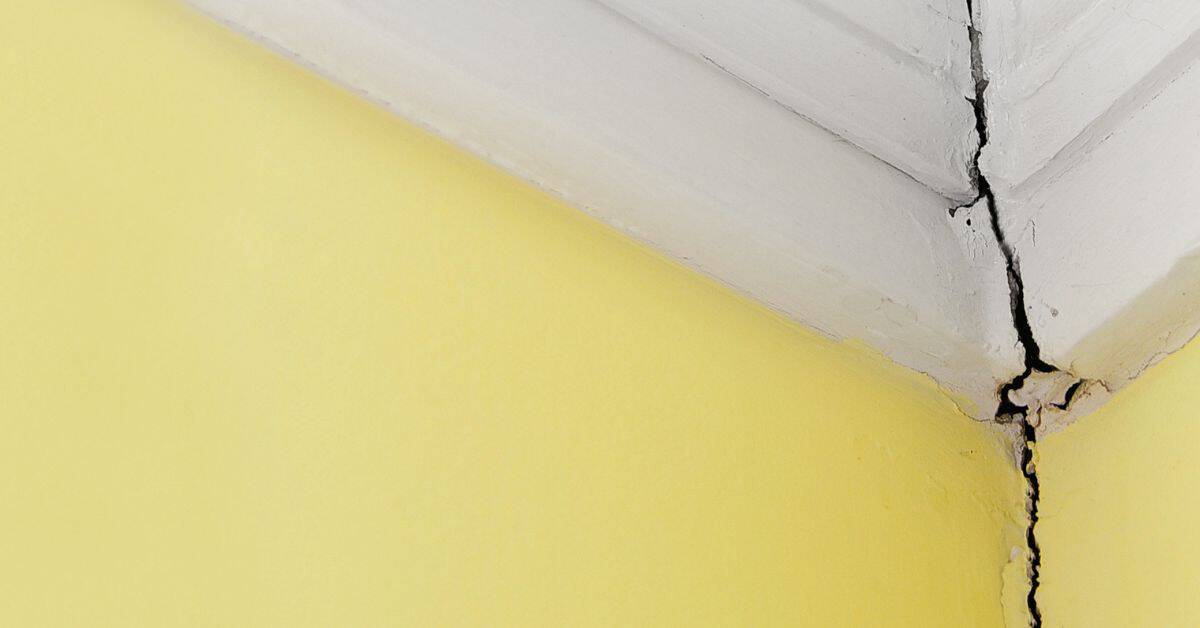
Identify likely crack sources around the niche: differential movement between substrates, large unsupported spans, or changes in material stiffness, and plan movement j