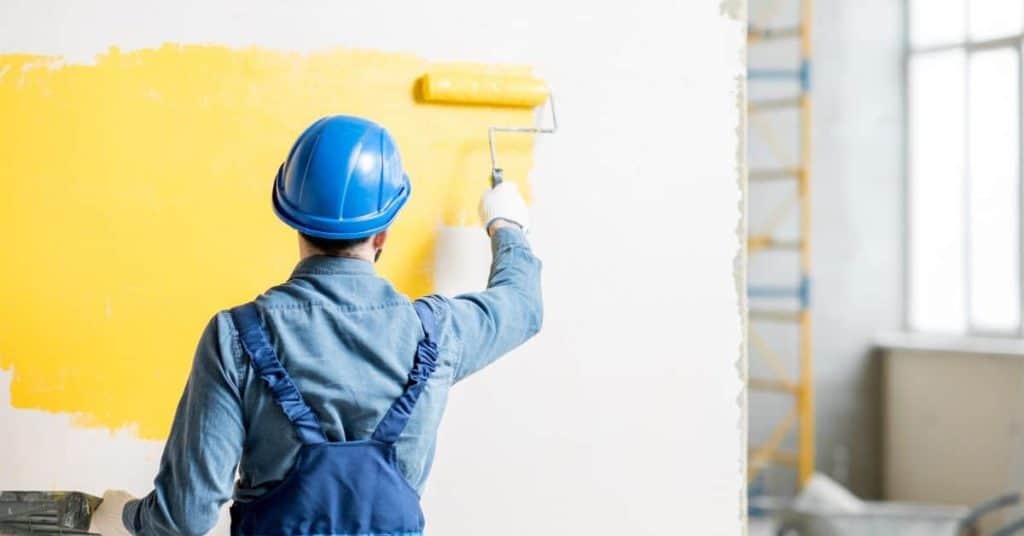
Introduction
Fixing common painting mistakes means spotting what went wrong and correcting it with practical, DIY steps. You’ll learn how causes like tool overload, lighting, and technique lead to flaws, and how to fix them without guessing. Think of it as a hands-on, plain-language checklist you can follow on the job.
First, avoid overloading the roller or brush and select tools that fit the task. Check your lighting, edge control, and how you blend transitions, and adjust as you go. If something isn’t clear, read the product label and manufacturer instructions, and follow local rules for paint type, dry times, and surface prep.
Key takeaways
- Prep thoroughly; prime surfaces and sand edges before applying any base coats.
- Choose tools matched to surface texture to avoid brush marks and lap lines.
- Ensure proper ventilation and wear eye protection when sanding or painting.
- Avoid overloading roller or brush to prevent sagging, runs, and uneven coat.
- Watch lighting: dim areas reveal streaks and hiding issues instead of true color.
- Tackling surface faults early prevents costly repairs during finishing and touchups.
- Edge work and masking must be precise to prevent paint on unwanted areas.
Table of Contents
- Introduction
- Key takeaways
- Quick Overview: Common DIY Painting Problems and When to Fix Them
- Prep Work: the Foundation Pros Never Skip
- Tools and Materials: Choosing the Right Equipment
- Application Mistakes and How Pros Fix Them
- Surface Faults: Bubbling, Blistering, Peeling — Prevent and Repair
- Finishing Touches: Tape Use, Edge Work, and Final Inspection
- Troubleshooting by Surface Type and Special Situations
- Safety, Cost Implications, and Planning for Professional Results
- Conclusion
- FAQ
Quick Overview: Common DIY Painting Problems and When to Fix Them
This section previews the most frequent DIY painting mistakes you’ll encounter on concrete surfaces. You’ll see how overloading, wrong tools, poor prep, blending issues, bubbling, the wrong finish, and tape missteps show up visually on walls. It also teases the causes behind each problem and the practical fixes you can try yourself.
You’ll find a compact visual checkpoints list you can use to spot issues quickly, followed by a simple decision tree for DIY vs pro help. The goal is to help you decide when a problem is safe to tackle and when it’s wiser to bring in a professional due to moisture, structural concerns, or extensive damage. By the end, you’ll know what to adjust in technique, tools, and prevention to keep future jobs smooth.
Fast-identify checklist
Use this quick checklist to identify common painting mistakes on your walls. It’ll save you time and help you fix issues right.
- Streaks: Uneven paint coverage, often due to wrong roller/brush or inconsistent technique.
- Lumps: Bumpy texture caused by overloading the brush or not allowing enough drying time between coats.
- Bubbles: Air pockets trapped under paint, usually from applying too much paint too quickly.
- Blistering: Paint peeling off in small bubbles. Often due to moisture or poor surface prep.
- Peeling: Larger sections of paint lifting off. Could be caused by improper priming, moisture, or old paint.
- Visible brush marks: Unblended strokes left by roller or brush. Usually from wrong tool selection or inconsistent technique.
- Tape lines: Uneven edges where painter’s tape was used. Often due to improper application or removal of tape.
Quick rule: If you spot any of these issues, don’t panic. Most can be fixed with the right know-how and tools.
When to DIY vs. hire a pro
Knowing when to tackle painting problems yourself or call in a professional can save you time, money, and stress.
Size and height: If the job is small (like touch-ups) or low-risk (like walls below 8 feet), DIY is usually fine. For large areas or high ceilings, consider hiring a pro for safety reasons.
Cause complexity: Simple issues like streaks or lumps are great DIY projects. But if the problem’s cause is complex (like extensive blistering or water damage), it might be best to hire a pro.
Safety, time, and budget: If the job requires specialized equipment, could harm your health (like lead paint), or would take too much of your time, consider hiring a professional. Also, if the cost of materials and labor is similar, it might be worth hiring someone to ensure a quality job.
Prep Work: the Foundation Pros Never Skip
Thorough prep is the main reason finishes last and resist damage. This section ties cleaning, sanding, patching, priming, and moisture checks directly to long-term durability and a quality surface on concrete. You’ll see how each step prevents common problems before they start.
Overall a practical baseline, this guidance covers removing grime and efflorescence, shaping the surface profile, repairing cracks, and selecting the right primer or sealer for porosity and existing coatings. It also emphasizes moisture checks and timing to avoid trapping damp conditions under fresh coatings.
Cleaning, sanding, and repairing surfaces
Thorough cleaning is the first step to prevent painting problems. Remove dust with a damp cloth or broom. For oils and grease, use a degreaser like TSP (trisodium phosphate) followed by a rinse.
Sanding glossy spots helps paint adhere better. Use 120-grit sandpaper for concrete. Fill holes and cracks with an appropriate patching compound before painting.
Repair uneven spots using a leveling compound or skim coat. This ensures a smooth finish and prevents visible imperfections after painting.
Primer: when and what to use
Priming is crucial for adhesion, coverage, and durability. Use a concrete-friendly primer for bare surfaces. For stains, opt for a stain-blocking primer. On glossy paint, sand lightly then prime with an oil-based or shellac primer.
Consider the surface’s porosity when choosing a primer. More porous surfaces need a heavier-bodied primer. If unsure, consult the product label or ask at your local hardware store.
Always follow manufacturer guidelines for application and drying times to ensure optimal results.
Moisture and temperature checks
Check humidity levels before painting. Ideal indoor humidity is between 40-60%. High humidity can cause bubbling or peeling paint.
Use a moisture meter to check for dampness in walls, especially in basements or areas prone to water damage. Paint should not be applied over wet surfaces as it can trap moisture and lead to adhesion failures.
Temperature also plays a role. Ideal painting temperatures are between 60-85°F (15-29°C). Extreme heat or cold can affect paint curing and adhesion.
Tools and Materials: Choosing the Right Equipment
Tools drive the look and the consistency of a finish. This section matches brushes, rollers, trays, and sprayers to paint type and surface so you don’t end up with streaks or thin coverage on concrete. It links tool choice directly to common mistakes you’ll want to avoid.
You’ll find a compact tools and materials checklist that covers essential items, from tool profiles to safety gear and cleanup supplies. The guidance keeps you aligned with concrete-specific needs and the realities of epoxy and latex coatings without overcomplicating the setup.
Brushes and rollers: nap, quality, and sizing
Choosing the right brush or roller is crucial for a smooth, even finish. For smooth surfaces, use short-nap rollers (1/4″ to 3/8″) and angled brushes with fine bristles.
On textured surfaces like concrete or masonry, opt for longer naps (3/8″ to 1/2″) and sturdy, flagged bristle brushes. Poor choices can lead to visible defects like streaks or thin coverage.
Invest in quality tools; cheap brushes shed bristles and rollers leave lint behind. Regularly clean and store your tools properly to prevent rust and dried paint buildup.
Tape, masking, and edge tools
Proper masking ensures sharp lines and prevents bleed. Here’s what you need:
- Painter’s tape: Use blue tape for delicate surfaces and green tape for standard jobs. Apply it firmly but don’t press too hard.
- Masking paper: For large areas or edges, use masking paper with a sticky side to secure it in place.
- Edge tools: A paint shield or edge guide helps create sharp lines. Rentable for around $20-$30 per day.
- Drop cloths: Protect your floor with canvas or plastic drop cloths to prevent paint drips and overspray.
- Edge painting tool: A shark fin tool helps create perfect edge lines. Around $10-$20 at hardware stores.
Paint types and sheens basics
Latex paint is water-based, dries quickly, and has good hiding power. It’s ideal for most DIY projects. Oil-based paint offers better durability but takes longer to dry.
Sheen refers to the level of gloss or shine. Flat (matte) sheens hide imperfections best, while glossy sheens are more durable and easier to clean but show every flaw. Choose a sheen that suits your surface and desired look.
The wrong paint type or sheen can make imperfections obvious. Always test your chosen paint on a small area first before committing to the entire project.
Application Mistakes and How Pros Fix Them
Technique errors are visible in texture, lines, and color transitions. This section identifies overloading brushes or rollers, applying coats too soon, uneven passes, and poor edge blending, with quick diagnostic checks you can perform during the job. It sets up practical DIY fixes you can apply right away.
You’ll learn loading techniques, tool setup, and how to manage coat thickness and timing for uniform coverage. A step-by-step method for feathering edges and maintaining a wet edge helps you achieve a professional look with minimal trial and error.
Overloading the roller or brush
Too much paint on your roller or brush can lead to lumps, drips, and streaks. This happens when you load up too much paint or use a poor loading technique.
Fix: Skim excess paint off with a clean roller cover or brush before applying it to the wall. Re-roll lightly over the surface to even out any remaining lumps. For edges, use a feathering technique – load just enough paint onto your brush to create a thin line along the edge, then blend it into the wall.
Prevent this by loading your roller or brush consistently. For rollers, dip it in paint, then roll off excess on a tray lined with paper towels. For brushes, flick the bristles against the inside of the can to remove excess paint.
Applying coats too soon or too thick
Waiting for the recommended dry-to-touch time (usually 24 hours) between coats is crucial. Applying a second coat too soon can cause sagging, cratering, and poor adhesion.
Salvage: If you notice problems after applying a second coat too soon, lightly sand the affected areas with fine-grit sandpaper once dry. Wipe off dust with a damp cloth, let it dry, then recoat according to schedule.
To prevent this, use a consistent stroke pattern and maintain a ‘wet edge’ – keep a small area wet as you work so that strokes blend together seamlessly. Apply paint in thin, even coats.
Blending sections and feathering edges
Maintaining a ‘wet edge’ is key to blending sections smoothly. Work in small, manageable sections – about 3×3 feet or smaller – keeping the edges wet as you go.
Repair lap marks: If you notice lap marks (visible lines where two strokes overlap), wait for them to dry, then lightly sand with fine-grit sandpaper. Wipe off dust, let it dry, and touch up with a small brush using a feathering technique.
Prevent this by working methodically, maintaining a consistent stroke direction, and overlapping your strokes slightly. For edges, use a 2-inch angled brush to paint a thin line along the edge, then blend it into the wall using a ‘feathering’ motion with your brush.
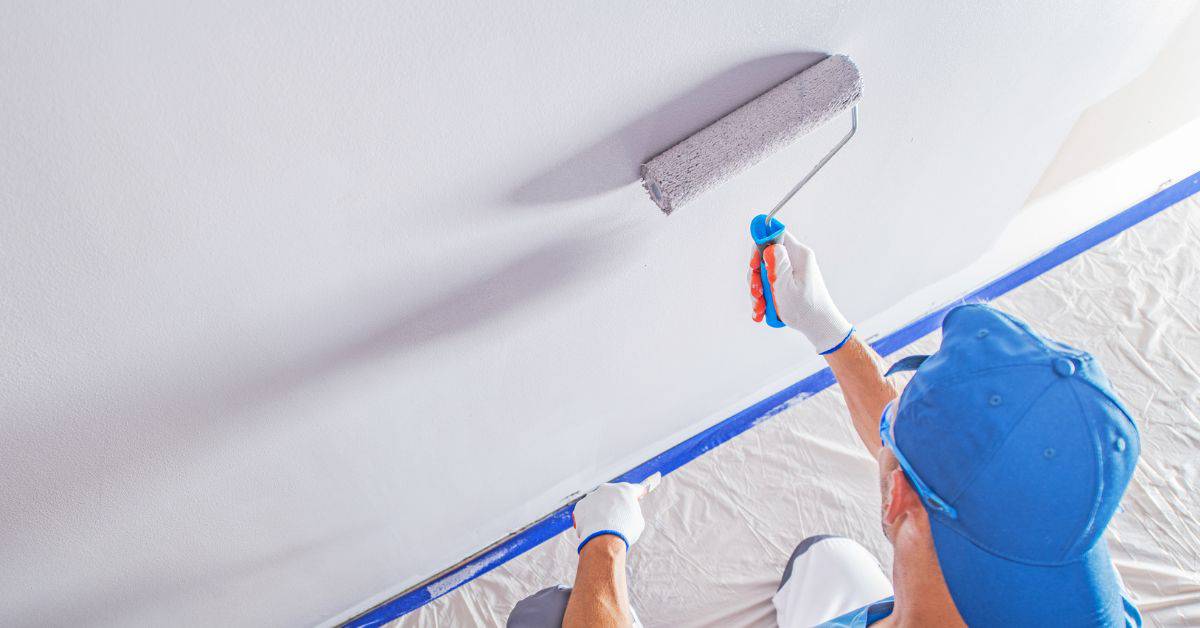
Surface Faults: Bubbling, Blistering, Peeling — Prevent and Repair
This section defines bubbling, blistering, and peeling and shows you how to recognize the signs early. Quick diagnostic checks consider moisture presence, sun exposure, primer compatibility, and surface temperature. It helps you decide if repair is DIY or requires more involved work.
You’ll learn safe DIY prep procedures, including removing loose paint, drying thoroughly, and priming correctly. When repairs involve moisture sources or substrate health, you’ll know how to plan fixes and when to escalate to professional help.
Diagnosing the root cause
Bubbling and blistering paint can be frustrating, but understanding their cause is key to fixing them right. Here’s how to diagnose:
Moisture: Check for dampness behind the affected area. Use a moisture meter or poke a small hole to see if it’s wet inside.
Heat exposure: Inspect for sun-facing walls or areas near heat sources. Blisters often form due to temperature fluctuations.
Adhesion issues: Try gently scraping the bubbles with a utility knife. If they lift easily, it’s likely an adhesion problem, possibly caused by poor primer choice or application.
Repair process for bubbling/blistering
Once you’ve diagnosed the cause, follow these steps to repair:
1. Remove damaged paint: Scrape off loose paint and sand glossy edges.
2. Dry and treat substrate: Ensure the surface is completely dry. If moisture was the culprit, apply a mold inhibitor before proceeding.
3. Prime: Use a stain-blocking or bonding primer suitable for your substrate and paint type. Let it dry according to manufacturer’s instructions.
4. Repaint: Apply the correct paint type and sheen, following the recommended drying times between coats.
When substrate replacement or professional remediation is needed
Sometimes, DIY fixes aren’t enough. Here are signs that you need professional help:
Large-scale moisture: If extensive areas show signs of moisture intrusion, it might indicate a serious leak or structural issue.
Mold: Visible mold growth suggests persistent moisture and potential health risks. It’s best to hire professionals for safe removal.
Structural damage: Blistering paint that reveals cracks or crumbling substrate may indicate underlying structural problems, requiring a contractor’s expertise.
Estimated factors: Before hiring help, estimate the repair costs. Consider the size of the affected area and any additional work (like replacing drywall) that might be needed.
Finishing Touches: Tape Use, Edge Work, and Final Inspection
Edges and tape are where many jobs lose sharpness. This section covers tape selection, surface prep, and edge techniques that prevent bleed and pull. You’ll get practical steps you can apply to achieve crisp lines and clean corners.
It also walks you through application discipline, timing for tape removal, and a final inspection routine. The goal is to catch drips, thin spots, and edge flaws early and outline simple fixes like re-taping or spot-sanding for a neat finish.
Best practices for applying and removing painter’s tape
Before you start painting, follow this checklist to ensure your tape application and removal go smoothly.
- Choose the right tape: Use blue painters’ tape for most surfaces. For metal or textured walls, use a specialized tape.
- Prepare edges: Clean surfaces to ensure tape adheres well. Lightly score painted surfaces to help paint adhere better.
- Press down firmly: Use a putty knife or your fingers to press the tape down firmly, ensuring no air bubbles are trapped underneath.
- Avoid overloading near tape: When painting, keep your roller or brush about 2-3 inches away from the edge of the tape to prevent paint seepage.
- Let it dry before removing: Wait until the paint is completely dry (at least 24 hours) but not fully cured (around 72 hours) before removing the tape.
- Remove at a 45-degree angle: Pull the tape off at a 45-degree angle to minimize peeling and pulling of paint.
- Use heat for stubborn tape: If tape is difficult to remove, use a hairdryer on low heat to soften the adhesive before pulling it off.
- Check for residue: After removing the tape, check for any residue and clean it up with soap and water or a mild solvent.
Quick rule: Proper tape application and removal are crucial to achieving crisp lines. Don’t rush these steps.
Sanding, touch-ups, and blending final coats
Before applying your last coat, follow this checklist to ensure a smooth, professional finish.
- Scuff-sand between coats: Lightly sand the surface with fine-grit sandpaper (220 or higher) to remove any raised grain and improve adhesion of the next coat.
- Wipe off dust: Use a damp cloth to wipe away sanding dust before applying the next coat. Allow the surface to dry completely.
- Touch up edges: Use a small paintbrush or an artist’s brush to touch up any areas where paint may have bled under the tape or was missed during rolling.
- Blend repairs: For small repairs, use a small roller or a brush with the same nap as your original roller to blend the repair into the surrounding area.
- Feather edges: When touching up edges, feather the paint outwards to avoid creating visible ridges.
- Check for thin spots: Inspect the surface for any thin spots or missed areas and touch them up as needed.
- Lightly sand final coat: After the final coat has dried, lightly sand the entire surface with fine-grit sandpaper to remove any raised grain and smooth out the finish.
Quick rule: Sanding between coats and careful touch-ups are key to a professional-looking finish.
Final visual and tactile inspection checklist
Before declaring the job done, follow this checklist to ensure your paint job looks and feels professional.
- Check for drips: Inspect the surface from different angles and viewpoints to catch any missed drips or runs. Use a flashlight if needed.
- Feel for imperfections: Run your fingertips over the surface to feel for any bumps, ridges, or other imperfections that may not be visible under certain lighting.
- Inspect edges: Check all edges and corners for paint bleed, thin spots, or missed areas. Use a magnifying glass if necessary.
- Check tape residue: Ensure there is no tape residue left on the surface after removing the tape.
- Inspect sheen consistency: Check that the sheen is consistent across the entire surface. If you see any inconsistencies, touch them up as needed.
Quick rule: A thorough final inspection ensures a high-quality finish and helps catch any issues before they become bigger problems.
Troubleshooting by Surface Type and Special Situations
Different substrates behave differently, so this section targets drywall, plaster, textured walls, trim, exterior siding, and painted metal. You’ll learn how porosity and prior coatings influence the fix, with a focus on preventing blotchiness and peeling in high-porosity areas. It helps you plan patches and priming with the surface in mind.
You’ll get surface-specific primer guidance, texture matching tips, and timing notes for recoat. Special conditions like stains, smoke damage, and high humidity are addressed with targeted sealing, primers, and ventilation considerations to maintain adhesion and finish integrity.
Drywall and skim coat issues
Drywall’s porous surface can cause blotchiness if not prepped right. First, sand joint tape ridges smooth. If mud has shrunk, apply a thin skim coat to fill gaps.
Sand lightly with fine-grit paper after each step. Use a stain-blocking primer on new drywall or repairs to prevent tannin bleed. Let it dry, then sand lightly again before painting.
For textured walls like popcorn, match the texture during repair and feather edges to blend. Sand lightly after patching, prime with a stain-blocker, then paint.
Trim, doors, and high-traffic surfaces
High-traffic areas need durable finishes. Start by sanding trim smooth. For glossy surfaces, use a de-glossing primer or sand with fine-grit paper to improve adhesion.
Choose a bonding primer for slick surfaces like painted metal or varnished trim. Let it dry, then lightly sand again. Apply 2-3 coats of durable paint, using a high-quality angled brush or small roller for clean edges.
For doors, use a paint with good adhesion and durability. Sand any imperfections, prime, and apply paint in thin coats, allowing proper drying time between each.
Exterior surfaces and moisture-prone areas
For wood siding, clean with a suitable cleaner, let dry, then apply an exterior primer-sealer. Paint in thin coats, allowing proper drying time.
For vinyl or fiber cement siding, clean with a mild detergent, rinse, and let dry. Use an exterior acrylic latex paint designed for these surfaces. Apply 2-3 thin coats, following the manufacturer’s instructions.
In high-humidity rooms like bathrooms, use mold-resistant paint. Ensure proper ventilation during and after painting to prevent moisture buildup. Prime with a stain-blocking primer if there are water stains or smoke damage.
Safety, Cost Implications, and Planning for Professional Results
Safety and planning come first to keep you and your project out of trouble. This section outlines ventilation, PPE, ladder safety, and handling of coatings and contaminants. It frames the basics so you can work confidently on concrete walls or floors.
You’ll review cost considerations and when DIY fixes make sense versus hiring a pro, along with project scheduling tips to reduce rework. It ends with planning steps for finishes, sheen, color choices, and coat counts to set a realistic, organized project path.
Safety and environmental considerations
Protecting yourself and the environment is crucial when painting. Wear a respirator, gloves, and eye protection to safeguard against harmful fumes and splashes.
Ventilation is key. Use fans or open windows to keep air circulating. For indoor projects, consider using low-VOC paints that emit fewer volatile organic compounds.
Proper disposal of paint and solvents is a must. Check local regulations for hazardous waste collection days or drop-off sites. Opt for water-based paints when possible; they’re easier on the environment and your lungs.
Cost vs. quality: estimating rework and materials
The right materials can save you time, money, and headaches in the long run. But how do you know which ones to choose?
- Paint quality: Cheaper paints may require more coats or not last as long. Look for good coverage and durability ratings.
- Primer: A good primer can save you from having to sand and repaint later. Choose one that’s compatible with your paint and substrate.
- Sealer: A sealer can protect your paint job from moisture, stains, and scuffs. It’s worth the extra cost upfront.
- Tools: Invest in good quality brushes, rollers, and tape. They’ll make your job easier and give you better results.
- Ladders/scaffolding: Safety is key here. Spend a little more for sturdy, reliable equipment that won’t wobble or tip.
Project planning tips to get pro-level results
A well-planned project is a successful one. Here’s a simple timeline template to help you stay on track:
Week 1-2: Prep and priming – Clean, repair, and prime surfaces.
Week 3: Painting – Apply your first coat, let it dry, then apply the second. Follow manufacturer’s instructions for cure times.
Week 4: Final touches – Sand any rough spots, touch up as needed, and let everything cure before moving furniture back in.
Conclusion
Keep safety and durability at the front of every step, because careful prep, correct materials, and clean technique protect your walls and your wallet. With disciplined checks and small-area tests, the finish should look sharp and last.
Finish this project with a simple, repeatable flow: prep and fix the surface thoroughly, choose the right tools and materials, apply coats evenly with proper technique, tape and edge work tight, inspect by surface type, and test in a small area before full commitment. Work in stages, not in a rush, and always follow drying times and manufacturer recommendations. If any step feels uncertain, pause and verify before you proceed.
Two common missteps to avoid are skipping a test patch and rushing coats. Never skip surface testing or masking in a small, hidden area to confirm adhesion and appearance, and never apply coats on wet or dusty surfaces. Use proper PPE, ventilate, and keep the work area clean to prevent dust resettling on wet paint.
If you encounter widespread blistering, peeling, or unknown materials like lead paint, or if the job involves extensive repairs, big surfaces, or structural concerns, it’s smarter to call a pro. When in doubt, plan for professional help rather than risking costly damage, and stay focused on safety, testing, and repeatable steps to reach a durable, professional look. You can do this.
FAQ
What happens if you overload a roller or brush, and how do you fix it?
Overloading traps extra paint and creates drips and uneven coats. Wipe excess paint off the tool and work in small, even strokes. If it’s already cured on the surface, feather edges with light passes until it smooths out.
Are the wrong tools worth it for a DIY paint job, and how do I choose better ones?
Cheap brushes or rollers don’t lay down color evenly and soak up paint. Use tools appropriate for the finish and surface, and replace worn parts promptly. Read the product label and follow the manufacturer’s guidance for best results.
How do lighting conditions affect painting, and what should I do about it?
Low or uneven light hides lapses, brush marks, and texture flaws. Paint in good, consistent lighting and check your work from different angles as you go. If lighting is poor, pause and bring in a better light source before finishing.
When is it safe to apply a second coat, and what mistakes to avoid?
Second coats go on after the first coat dries to the touch, not while it’s wet. Don’t rush the timing or you’ll get peeling or lap marks. Check the surface and follow the product’s recommendations for recoat intervals.

