

Introduction
Crushed concrete is becoming a popular choice as a cost-effective and eco-friendly alternative to traditional stone aggregates. Its pricing is influenced by several factors. In this section, we will explore the key elements that affect the cost of crushed concrete.
This guide aims to help project managers budget effectively by providing insights into typical pricing structures. With the right tools, incorporating crushed concrete into construction projects can be easier.
1. Crushed concrete is a recycled material from demolished buildings. It’s increasingly favored for its affordability and sustainability compared to regular gravel or stone.
2. The cost of crushed concrete can vary widely based on factors like location, the quantity needed, and the supplier you choose. Understanding these differences is important.
3. We will look into the various factors that impact the pricing of crushed concrete. This will give readers a clearer idea of what to expect when sourcing this material.
4. We’ll also discuss the diverse applications of crushed concrete. Its adaptability makes it suitable for many construction tasks, such as driveways, pathways, and as a base layer for new concrete installations.
5. For both contractors and DIY enthusiasts, understanding the pricing dynamics of crushed concrete is key for effective financial planning and resource allocation in construction projects.
6. This article aims to be a comprehensive resource, detailing the factors that contribute to the pricing of crushed concrete and offering practical tips on getting the best value.
Grasping the pricing of crushed concrete is essential for successful project management. This guide will be a valuable tool, providing insights and strategies to help you navigate the cost landscape of crushed concrete.
What is Crushed Concrete?
Crushed concrete is a type of recycled concrete aggregate. It’s made by turning construction debris into a sustainable option instead of using traditional gravel or stone. This section explains how crushed concrete is created and how it helps promote eco-friendly building practices.
- To make crushed concrete, demolition waste is broken down into smaller pieces. This process turns construction byproducts into a useful resource.
- Using crushed concrete can save you money concrete not only offers a cost advantage over traditional aggregates and supports responsible building practices by cutting down on the waste that goes to landfills.
- This recycling method involves taking apart old concrete structures, removing any contaminants, and processing the material into different sizes for reuse in new projects.
- The final product, known as crushed concrete, is valued for its versatility and strength in many construction applications.
- This transformation of discarded concrete into a usable aggregate shows the construction industry’s commitment to sustainable development. It helps save natural resources and energy.
- Using crushed concrete in building projects offers many benefits, such as lower material costs, a smaller environmental impact, and the conservation of natural aggregate resources.
Embracing crushed concrete is a big step forward in sustainable construction methods. It provides benefits for both the environment and your project budget. This material is key for modern building practices, offering both economic and ecological advantages.
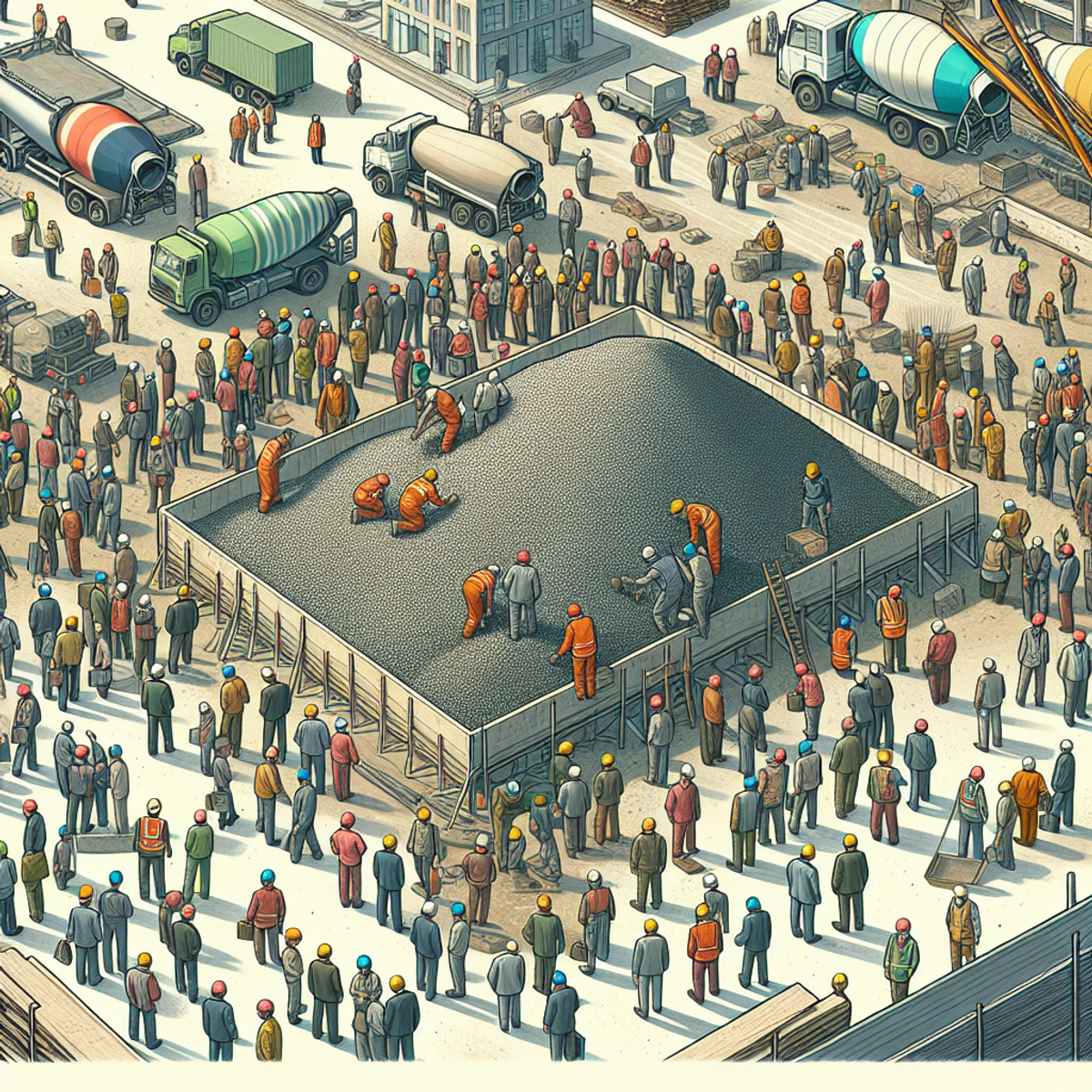
Common Uses and Applications of Crushed Concrete
Crushed concrete is becoming a popular choice in construction because it’s so versatile. It plays important roles in things like road construction, driveways, pathways, and retaining walls. Let’s explore its different uses and the benefits it brings in each area.
- In road construction, crushed concrete is valued for its durability and ability to handle heavy traffic. It makes a strong base layer under asphalt or concrete surfaces.
- For driveways, crushed concrete is great because it drains well and resists erosion, making it a tough choice for everyday vehicle use.
- Crushed concrete adds a nice look to pathways, giving them a rustic charm while lasting a long time and needing little upkeep.
- When building retaining walls, crushed concrete is strong and cost-effective, offering budget-friendly options without sacrificing quality.
- This material’s versatility in construction shows its performance benefits, combining savings with environmentally friendly practices.
- Choosing crushed concrete is part of a growing trend toward sustainable development, highlighting the importance of reusing materials to lessen environmental impact.
Using crushed concrete Utilizing crushed concrete across various construction projects not only cuts down on construction costs but also shows a commitment to being eco-friendly. It’s a smart choice for builders who care about both their budget and the planet.
1. Road Construction
In road construction, crushed concrete is a standout for being cost-effective and high-quality as an aggregate material. It provides strong foundations while supporting environmental sustainability. This economical option helps create durable roads without losing performance.
- As a top-quality aggregate, crushed concrete is a wallet-friendly choice for road construction, cutting costs compared to traditional materials.
- Using crushed concrete in roads reduces the need for new resources, helping to lessen the environmental impact of construction.
- By selecting crushed concrete, road projects promote recycling and reuse, ensuring that infrastructure stays strong and resilient.
- A solid foundation is key in road construction, and crushed concrete offers the stability needed to hold up under heavy traffic.
- The cost benefits of crushed concrete are especially helpful for large road projects, where the amount of material needed can lead to big savings.
Using crushed concrete in road construction meets both technical and financial needs while being an eco-friendly choice, supporting the industry’s move toward sustainable practices.
2. Driveway and Pathway Construction
Crushed concrete is a fantastic material for driveways and pathways. It’s known for being affordable and durable, especially when filling holes and creating stable foundations. This use boosts both functionality and longevity.
- For fixing driveways and pathways, crushed concrete is a dependable option for filling gaps, providing a long-lasting solution to wear and tear.
- As a base material, it supports vehicles and pedestrians well, handling heavy loads and frequent foot traffic without significant wear.
- The budget-friendly nature of crushed concrete makes it a smart choice for both residential and commercial projects, ensuring quality at a lower price.
- Putting crushed concrete under the final surface layer boosts stability and uniformity, ultimately extending the life of driveways and pathways.
- For maintenance, crushed concrete levels out existing driveways, creating a smooth surface and preventing future problems.
Crushed concrete is key in driveway and pathway construction, providing a cost-effective, reliable, and sturdy foundation that meets the needs of various projects.
3. Retaining Walls and Landscaping Projects
In landscaping, crushed concrete is becoming a popular choice for building strong retaining walls due to its strength and stability. This material is both cost-effective and sustainable, helping with environmental conservation efforts.
- Crushed concrete is a suitable option for building retaining walls is used in landscaping to create strong structures that can handle environmental elements and the pressure of retained earth.
- The affordability of crushed concrete is especially beneficial for large landscaping projects, where traditional materials like natural stone can be very expensive.
- Landscaping projects that use crushed concrete show a commitment to sustainability by reusing materials that might otherwise end up in landfills.
- As a backfill material, crushed concrete boosts the stability of retaining walls, helping with drainage and reducing pressure to keep them intact over time.
- Incorporating crushed concrete into hardscaping and landscape design adds texture and visual appeal while showing an environmentally friendly choice without losing quality.
Using crushed concrete in landscaping, especially for retaining walls, aligns with modern practices that focus on being environmentally responsible and cost-efficient while keeping aesthetic and functional quality intact.
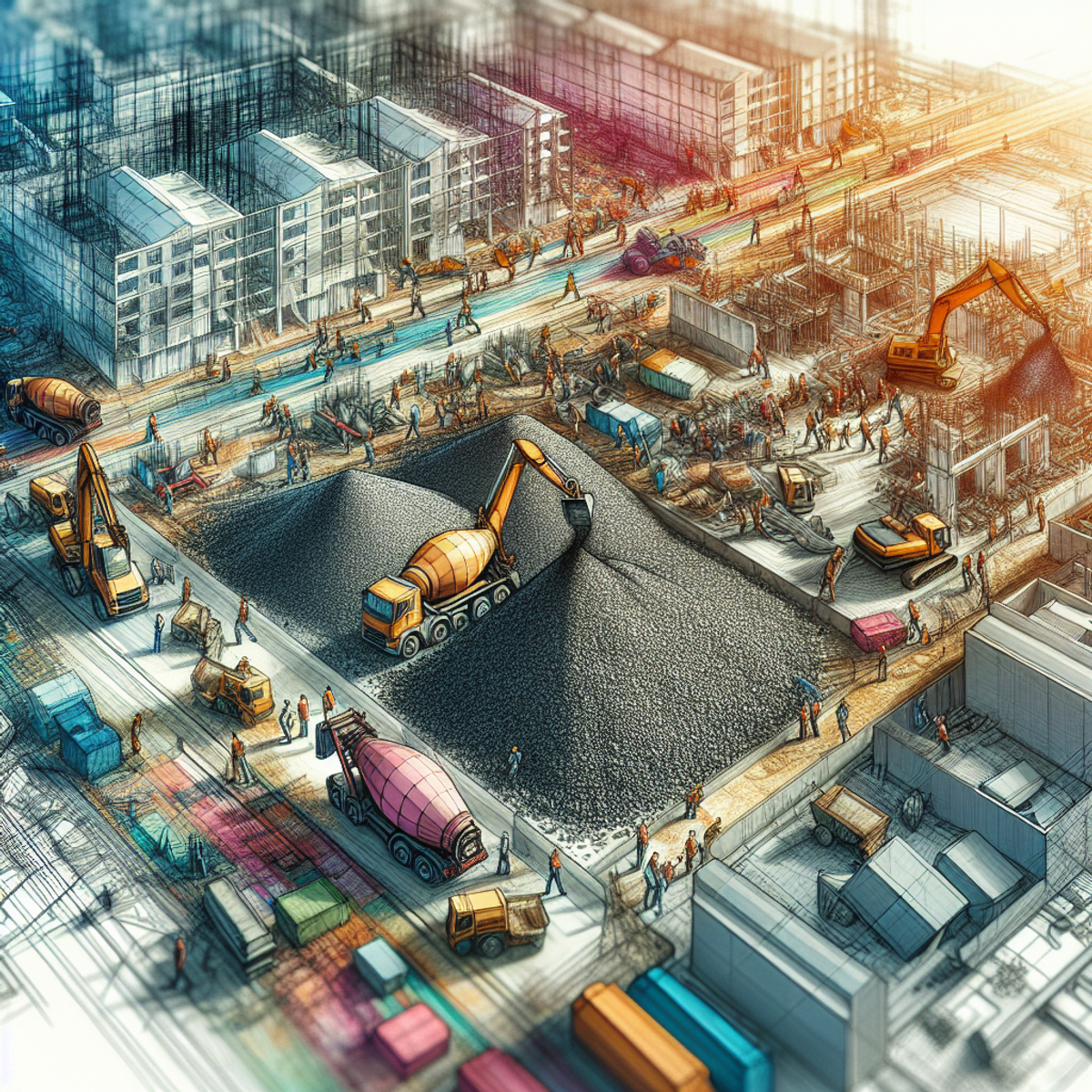
Understanding the Cost Factors of Crushed Concrete
The price of crushed concrete can change based on several factors. It’s important for project managers to figure out the right amount needed to avoid overspending or running short. Knowing what affects the cost helps with budgeting and can lead to big savings, especially when buying in bulk.
- Measuring the project area accurately, usually in cubic yards, is key. This helps you determine how much crushed concrete you need and prevents extra costs or material shortages.
- If you’re working on a big project or need a lot of material, buying in bulk is a smart move. Suppliers often offer discounts for larger orders.
- Prices can differ based on delivery distance, how available crushed concrete is in your area, and any special processing or customization you might want.
- Other things that can affect pricing include the quality of the crushed concrete, whether it has been screened and cleaned, and the current market prices when you buy.
- If you need delivery, remember that the distance from the supplier to your project site can really impact costs. Longer distances usually mean higher fees.
- Project managers should also think about future material needs. Finding a reliable source for crushed concrete can help save money on upcoming projects.
Understanding these cost factors is really important for anyone planning to use crushed concrete. It helps you make smart decisions and manage your project efficiently.
1. Calculating the Quantity Required
Figuring out how much crushed concrete you need for a project is a key step. This requires measuring the area in cubic yards, which is essential for budgeting and getting materials.
- Start by measuring the length, width, and depth of the area where you’ll use crushed concrete. Make sure all your measurements are in the same units.
- Use the formula Volume = Length x Width x Depth to calculate the total cubic yards of crushed concrete you’ll need for your project.
- It’s a good idea to add an extra 5-10% to your calculated volume. This accounts for things like compaction, settling, or small changes in the site layout.
- If the area has complex or irregular shapes, break it into smaller sections. Calculate the volume for each