
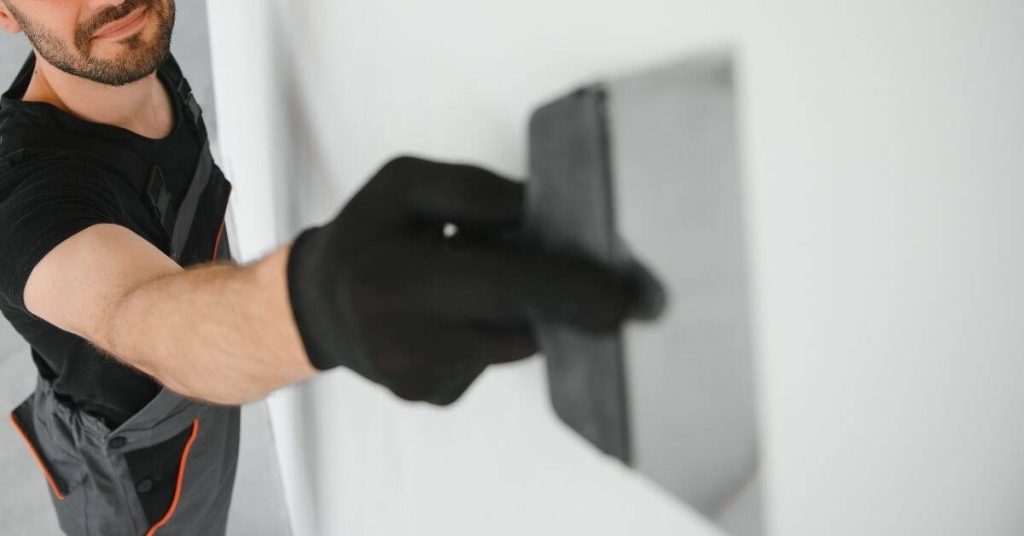
Introduction
Heat-resistant plaster finishes are durable coatings designed to survive nearby wood stoves without cracking or posing a fire risk.
Choose a plaster system that is non-combustible with a solid backing and proper joints, and follow the manufacturer’s instructions for installation and curing. For topcoats, look for options labeled for high-heat areas and apply them over a prepared, stable surface after confirming substrate readiness and local rules. Always check clearances, ventilation, and any local requirements before you start, and use non-combustible framing or backing where indicated by the product label.
Key takeaways
- Choose heat-resistant plasters tested for wood stove surrounds and mantels.
- Verify backing systems and substrates meet local code and manufacturer guidance.
- Prepare substrate with clean, dry, sound surfaces and proper thermal barriers.
- Follow thickness guidance and reinforcement methods from product labels and spec sheets.
- Ensure ventilation during application and curing to limit fumes indoors.
- Safety: maintain clearances, inspect for cracking, and perform timely repairs.
Table of Contents
- Introduction
- Key takeaways
- Why Heat-Resistant Plaster Matters for Wood-Stove Surrounds
- Types of Heat-Resistant Plasters and Backing Systems
- Material Specs, Standards, and Testing to Check
- Substrate Preparation and Thermal Barrier Requirements
- Application Methods, Thicknesses, and Reinforcement
- Topcoats and Surface Treatments That Withstand Heat and Smoke
- Safety, Clearances, and Installation Checklist
- Maintenance, Troubleshooting, and Repairs
- Conclusion
- FAQ
Why Heat-Resistant Plaster Matters for Wood-Stove Surrounds
Choosing the right plaster finish around a wood stove is about safety and durability. A proper finish helps manage heat transfer and reduces the risk of fire exposure to framing. It also matters for smoke staining and long-term maintenance.
Using the wrong material can create gaps, cracks, or weak spots where heat concentrates. The finish can affect clearances and how the wall ages with heat cycles. Always verify that the chosen system aligns with the stove and manufacturer recommendations.
Heat and ignition risks to finishes and substrates
Prolonged radiant heat from your wood stove can cause finishes to crack or spall over time. Hot embers or rolling logs could even ignite combustible materials.
Temperature cycles, as the stove heats up and cools down, also take a toll on plaster finishes. They expand and contract with heat, which can lead to stress fractures if not designed for it.
Properly rated heat-resistant plasters are formulated to withstand these conditions without failing or posing fire hazards.
Smoke, soot, and aesthetic durability
Wood smoke leaves behind soot and creosote that can stain your plaster finish over time. Some plasters are more porous than others, making them easier to clean but also more susceptible to staining.
Dark stains not only look unsightly but can also absorb heat, causing further damage to the finish. Heat-resistant plasters with smoke-sealing properties help minimize this issue.
Regular cleaning helps maintain appearance, but some finishes are easier to clean than others. Choose a plaster that balances durability and ease of maintenance for your needs.
When to consult manufacturer and local code
Always check your wood stove’s manufacturer installation instructions first. They’ll specify clearance requirements, approved materials, and other safety guidelines.
Local building codes may also have regulations regarding fire-resistant materials near heat sources like wood stoves. Check with your local authority having jurisdiction (AHJ) to ensure compliance.
Ignoring these guidelines could lead to voided warranties, unsafe conditions, or even legal issues down the line.
Types of Heat-Resistant Plasters and Backing Systems
Familiarize yourself with common families like refractory cementitious plasters, lime-based plasters, gypsum alternatives, and specialty high-temp mixes. Each type has its own heat tolerance, breathability, and workability. Consider the substrate and exposure when selecting a system.
Pros and cons matter: some finishes resist cracking better, some breathe more, and some are easier to finish. Check the product label or data sheet for recommended substrates and curing needs. Ask suppliers for guidance based on your setup and heat exposure.
Refractory/heat-resistant cementitious plasters
Refractory plasters are made with special aggregates and binders that can withstand high temperatures. The key is using materials like refractory cement, silica sand, and fireclay.
Best used: In areas with tight heat exposure, like directly behind or around your wood stove.
These plasters are great for backing systems and can take the heat of a wood stove. But they’re not as breathable as lime-based plasters.
Lime and mineral-based plasters
Lime and mineral-based plasters are made with natural materials like lime, sand, and minerals. They’re breathable, which helps control moisture.
Benefits: Breathability, stain resistance, and a beautiful finish.
However, they’re not as heat-resistant on their own. For areas near extreme heat, pair them with thermal barriers or use in combination with other materials.
Fire-rated boards and cement backings (substrates)
Fire-rated substrates like cement board, calcium silicate, or other fire-resistant panels provide a thermal barrier. They help protect your plaster finish from direct heat.
Role: Structural support and thermal protection for your plaster finish.
These substrates are great for backing systems. They can be used with both refractory and lime-based plasters, depending on the specific application and heat exposure.
Material Specs, Standards, and Testing to Check
Look for manufacturer datasheets and third-party certifications such as fire ratings or standardized test results. These documents indicate how a finish behaves under heat and its intended use. They also help you compare options side by side.
Learn to read labels and request test reports from suppliers. Ask for details on thermal conductivity, fire resistance, and any applicable regional standards. If in doubt, verify with the manufacturer or a local building authority before purchasing.
What UL, ASTM, and EN references mean for plaster and boards
When checking manufacturer datasheets, look out for these certifications:
UL (Underwriters Laboratories): Flame spread and smoke-developed index ratings. Lower numbers indicate better fire resistance.
ASTM (American Society for Testing and Materials): Maximum service temperature and thermal shock resistance tests. Higher numbers mean better heat resistance.
EN (European Norms): Similar to UL and ASTM, but follow European standards. Check for fire classification and maximum service temperature.
Lab testing for thermal cycling and adhesion
Ask suppliers about these lab tests:
Thermal Cycling: Repeated heating/cooling to mimic real-world conditions. Good results mean less cracking or delamination over time.
Adhesion Tests: Pull, peel, or shear tests on likely substrates (like concrete, brick, or drywall). Strong adhesion means better performance near heat sources.
These tests ensure your plaster can handle the heat and stick around.
Manufacturer installation and warranty limits
Check these factors before installing:
Maximum Recommended Temperature: Ensure it’s higher than your wood stove’s peak output.
Clearance Constraints: Follow manufacturer guidelines for minimum distances from heat sources to avoid warping or cracking.
Warranty Limits: Some warranties may be void if used near high-heat appliances. Always check before installing.
Substrate Preparation and Thermal Barrier Requirements
Prepare a clean, dry surface and create a mechanical key so the plaster grips well. Use the recommended backing or backing system for your chosen finish. Build a proper thermal barrier between the stove and combustible framing as directed by the product maker.
Always verify preparation steps with the stove and material manufacturers. Confirm acceptable substrate materials and any required spacers or sealants. Documentation from the product instructions helps keep installations compliant over time.
Surface prep by substrate type (masonry, drywall, board)
Prepping your surface right is key to a strong, safe finish. Here’s how:
Masonry: Clean and dampen the surface. Remove any loose material. Use a bonding agent if needed.
Drywall: Ensure it’s fire-rated (Type X). Prime with a heat-resistant primer. Sand smooth.
Cement Board/Painted Surfaces: Clean, sand, and prime to ensure adhesion.
Installing backing and insulation layers (mineral wool, air gaps)
Thermal barriers protect your framing. Here’s how to install them:
Use non-combustible boards like cement or plywood. Leave a 1/4″ gap for expansion.
Apply mineral wool batt behind the board, keeping it away from the stove.
Consider ventilated air gaps. But avoid combustible insulation.
Fastening, movement joints, and substrate reinforcement
Proper fasteners and joints keep your finish intact:
Use expansion screws for boards. Stagger rows.
Apply lath/mesh with stainless steel nails/screws. Keep them away from the stove.
Create movement joints every 4-6 feet to prevent cracking under heat cycles.
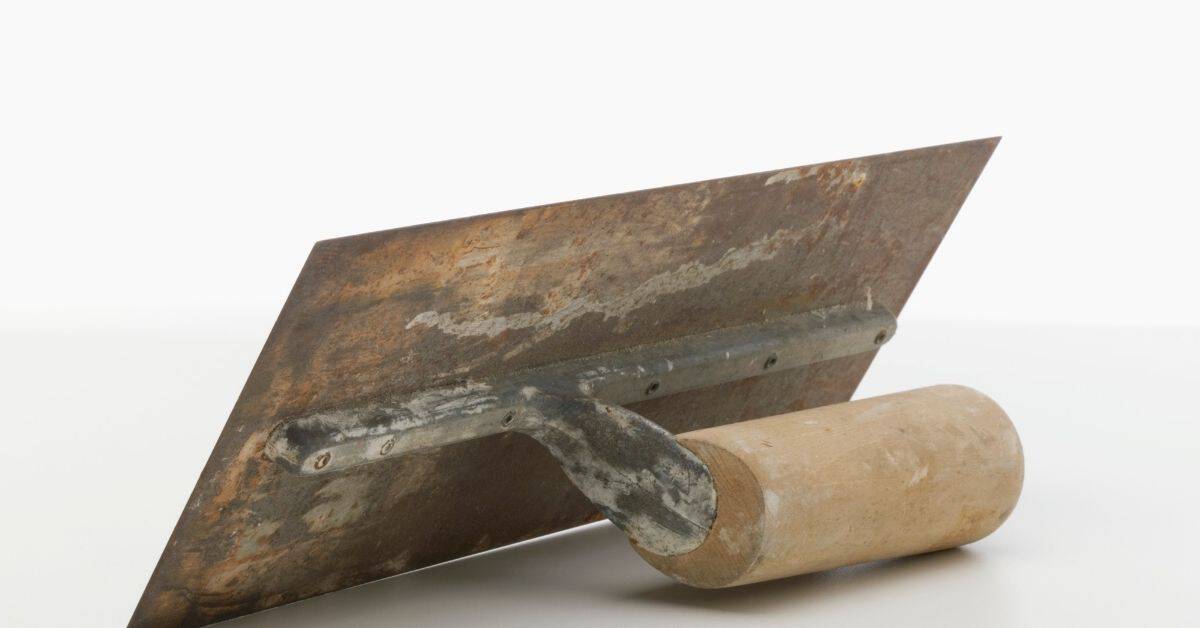
Application Methods, Thicknesses, and Reinforcement
Follow the mix and layering guidelines from the manufacturer. Apply in the correct sequence to avoid delamination. Allow adequate drying and curing per the product instructions.
Reinforcement like metal lath or fiberglass mesh is often used for durability. Avoid common mistakes such as over-building in one pass or trapping moisture. Confirm thickness recommendations with the product data sheet for your situation.
Mixing and curing best practices
Mix your plaster carefully, following the manufacturer’s guidelines. Too much water weakens it; too little makes it hard to apply. Aim for a consistency like thick yogurt.
Work quickly, as cementitious plasters set fast. Lime plasters have longer working times but still need attention.
Avoid mixing and applying in extreme temperatures or high humidity. Curing is crucial – keep the plaster damp for at least 7 days, misting it regularly. Cover it with plastic at night to retain moisture.
Layering, recommended build-up, and reinforcement
Refractory plasters are typically applied in three layers: scratch, float, and top. The first two embed the lath or mesh for strength. The final layer smooths it out.
Single-coat mixes can be used too, but they need careful application to avoid slumping. Follow manufacturer’s recommendations on build-up thickness; usually 3/8″ to 1/2″ per coat.
Embed lath or mesh in the first two coats, following the manufacturer’s guidelines. It should be centered within the plaster layer for best support.
Seams, corners, and transitions to non-combustible elements
Proper detailing at edges and openings maintains fire performance. Use metal corner beads in the first coat for strength. At seams, overlap the plaster slightly and feather it out.
Where plaster meets stove pipe, hearths, or trim, ensure a tight fit but don’t trap moisture. Use high-temperature silicone caulk if needed. Maintain a 1/8″ gap at walls to allow for expansion.
Avoid sharp corners. Round them off slightly to prevent cracking and maintain aesthetics.
Topcoats and Surface Treatments That Withstand Heat and Smoke
Compare high-temperature paints, breathable sealers, limewash, and polished plasters for both performance and appearance. Some finishes resist smoke staining better than others. Choose a decorative option that does not compromise heat resistance.
Assess how each topcoat interacts with the base layer and the stove area. Verify compatibility with your base plaster and any ventilation requirements. When in doubt, consult the manufacturer for finish compatibility notes.
High-temp paints and intumescent coatings
When it comes to protecting your plaster finish near a wood stove, high-temperature-rated paints or intumescent products are your best bet. These specialized coatings can withstand heat and even expand when exposed to fire, forming an insulating char layer.
Before use, always confirm the product’s temperature and service limits match your specific needs. Most high-temp paints can handle up to 1200°F (650°C), while intumescent coatings can reach 1800°F (980°C) or more.
High-temp paints are typically water-based and easy to apply, making them a good choice for DIYers. Intumescent coatings may require professional application but offer superior fire protection.
Breathable sealers, limewashes, and stain-blocking products
Mineral plasters like lime or clay need to breathe. That means they need to be able to release moisture trapped within the plaster to prevent mold growth. So, it’s crucial to use breathable sealers near your wood stove.
Limewashes are a great option as they allow for good permeability while also providing some stain-blocking properties against soot. They’re easy to apply and can be tinted to match your desired color.
For added protection, consider using a breathable stain-blocking primer before applying your limewash. These products can help prevent soot from penetrating the plaster without trapping moisture.
Decorative finishes that tolerate heat (textures, polished looks)
Once you’ve got your heat-resistant base coat on, it’s time to add some style. Trowel textures and Venetian or Polished plasters can give your walls a beautiful, unique look while also tolerating heat.
Trowel textures involve applying the plaster with various trowels to create patterns and depth. They’re typically applied over a base coat of lime or clay plaster.
Venetian and Polished plasters are highly polished, marble-like finishes that can withstand heat when applied over a suitable base. They require careful application and may need additional protection from direct flame or extreme heat sources.
Safety, Clearances, and Installation Checklist
Develop a practical checklist covering stove clearances and combustible protection. Include smoke and CO detectors and ensure proper ventilation. Pre-install sign-offs help confirm readiness before firing up the stove.
Coordinate with inspectors or local authorities when required. Keep records of materials, clearances, and installation steps in case of future work. A thorough check now saves trouble later.
Clearance and protective barrier considerations
Use this checklist before installing your wood stove to ensure safety and compliance.
- Verify stove clearance: Check manufacturer’s guidelines for clearances from combustibles. Typically, it’s 36″ horizontally and 18-24″ vertically.
- Install heat shields: If required, install non-combustible heat shields to reduce clearances.
- Use non-combustible finish assemblies: Consider using metal or other non-combustible materials for your finish assembly to further reduce clearances.
- Check floor protection: Ensure the floor beneath and around the stove is protected with a hearth pad or similar material.
- Avoid combustible materials: Keep combustibles like curtains, furniture, and wall hangings at least 36″ away from the stove.
- Consider room size: Ensure your stove’s BTU output is suitable for the room’s size to prevent overheating.
- Check local codes: Verify that your chosen clearances comply with local building codes and regulations.
- Consult an inspector: If unsure, consult a professional inspector or contact your local fire department.
Quick rule: Always prioritize safety over convenience. Don’t cut corners on clearances.
Smoke, CO safety, and ventilation
Use this checklist to ensure your wood stove is safe from smoke and carbon monoxide (CO) hazards.
- Install smoke detector: Place a smoke detector on the ceiling near the stove. Test it monthly.
- Install CO detector: Install a CO detector outside each sleeping area, at least 15 feet from the stove. Test it monthly.
- Ventilation check: Ensure your stove is properly vented to the outdoors with no leaks or obstructions in the chimney.
- Check draft: Open the damper and ensure a good draft when starting a fire. If not, consult a professional.
- Avoid backdrafts: Ensure your chimney is tall enough to prevent backdrafts from other appliances in your home.
- Keep air vents open: Keep room air vents open to ensure proper airflow and combustion.
- Regular maintenance: Clean your stove, chimney, and detectors regularly. Inspect for cracks or damage.
- Educate occupants: Teach everyone in the home about smoke and CO dangers, and what to do if an alarm goes off.
Quick rule: Never ignore your detectors. If they go off, evacuate immediately and call 911.
Pre-install and post-install inspection points
Use this checklist to ensure a safe installation and initial operation of your wood stove.
- Substrate check: Inspect the substrate (floor, wall) where the stove will be installed. Ensure it’s sound and suitable for the load.
- Hearth pad check: Ensure the hearth pad is non-combustible, at least 24″ deep, and extends at least 8″ beyond the stove on all sides.
- Chimney inspection: Inspect your chimney for cracks, blockages, or other issues before installation. Clean it if necessary.
- Stove leveling: Ensure the stove is level during installation to prevent performance and safety issues.
- Vent connection check: Ensure the vent connector is properly installed, sealed, and doesn’t have any kinks or obstructions.
- First fire inspection: After the first fire, inspect the stove, chimney, and surrounding area for any signs of heat damage or leaks.
- Smoke test: Perform a smoke test on your chimney to ensure it’s drawing properly. If not, consult a professional.
- Annual inspection: Schedule an annual inspection with a certified chimney sweep to maintain safety and efficiency.
Quick rule: Regular inspections are key to maintaining a safe and efficient wood stove.
Maintenance, Troubleshooting, and Repairs
Plan routine cleaning and soot management without damaging the finish. Use appropriate tools and products as recommended by the manufacturer. Regular inspection helps catch issues early.
If you notice cracks, delamination, or spalling, outline repair steps and decide when to call a professional. Document the problem and refer back to the product instructions for compatible repair materials. If in doubt, seek expert guidance before proceeding.
Cleaning soot, stain remediation, and repainting
Regular cleaning keeps your plaster finish looking good. But be gentle – harsh scrubbing can damage it.
Soot: Use a soft brush or cloth with warm water and mild dish soap. Gently wipe away soot. Avoid using abrasive cleaners or steel wool.
Stains: For tougher stains, use a heat-resistant stain-blocking primer before repainting. This seals in stains and prevents them from bleeding through. If stains persist, consider deep cleaning or recoating.
Repairing cracks, delamination, and spalling
Cracks happen. Here’s how to fix them without causing more damage.
Minor cracks: For hairline cracks, use a heat-resistant patching compound. Apply with a putty knife, let it dry, then sand smooth and repaint.
Delamination/spalling: If large pieces are falling off, the substrate might be at fault. Remove loose material, clean the surface, and apply a bonding agent before reapplying plaster. Temporary fix: Don’t tape over cracks – this traps moisture and makes problems worse.
Long-term inspection schedule and lifespan factors
Regular checks keep your plaster finish in top shape. Here’s what to inspect and when:
- Joints: Check for cracks every 6 months. Fill with patching compound if needed.
- Finishes: Inspect paint or intumescent coating annually. Touch up as required.
- Fasteners: Check screws and anchors every year. Tighten or replace as needed.
- Ventilation: Ensure vents are clear and functioning properly. Poor ventilation shortens lifespan.
- Installation: If initially installed improperly, expect a shorter lifespan. Inspect installation quality annually.
Quick rule: Address minor issues promptly to prevent them from becoming major problems that could require professional help.
Conclusion
Protecting the area around a wood stove comes down to choosing the right heat‑resistant plaster, installing it with solid backing and barriers, and sticking to tested procedures so the finish lasts and stays safe.
Start with a simple check sequence: verify clearances and substrate suitability, pick the approved plaster and backing system, prep the surface and install a proper thermal barrier, apply the material in the recommended thickness with the right reinforcement, cure and test for heat and smoke resistance, then topcoat with a finish that tolerates heat, and finally maintain the restraint and inspect regularly. Treat this as a short, stepwise routine you can follow start to finish, not a rush job.
Common mistakes to avoid are skimping on the thermal barrier, skipping substrate prep or wrong backing, and overloading or thin coatings that crack under heat. Always work in a well‑ventilated area, follow the manufacturer’s specs, and test a small patch first before committing to the full surround. If you feel unsure about substrate, clearance, or the compatibility of plaster and topcoat, pause and reassess rather than forcing a solution.
If the project stretches beyond basic checks—for example, uncertain clearances, questionable substrate, or mixed materials—calling a qualified professional is wise. A careful, conservative approach now saves costly repairs later and keeps your stove area safe and durable. Stay deliberate, finish strong, and you’ll have a solid, trouble‑free result.
FAQ
What should I look for in a heat-resistant finish for wood-stove surrounds?
Check the product label or datasheet for heat ratings and application limits. Look for clear guidance on substrate compatibility and curing times. If you’re unsure, ask the manufacturer or your local supplier before buying.
Can I topcoat over my heat-resistant plaster, and how do I choose a safe finish?
Yes, you can topcoat, but choose products specifically labeled for high-heat use and compatible with the underlying plaster. Read the instructions for surface prep, curing, and any layering limits. If in doubt, contact the product maker or check local guidance.
What maintenance steps keep a heat-resistant finish performing well over time?
Inspect for cracks, blistering, or discoloration during seasonal checks. Re-clean with mild cleaners and avoid harsh chemicals or abrasive scrubbing on the surface. Follow up with the recommended recoat or repair steps per the product instructions.
What signs mean I should call a pro or re-evaluate my setup?
Look for persistent cracking, delamination, or unusual smells near the stove. If the finish shows heat-induced damage beyond small spots, reassess the system and consult the product manual or a qualified contractor. Don’t guess—verify with the maker’s guidance and local regulations.