
Introduction
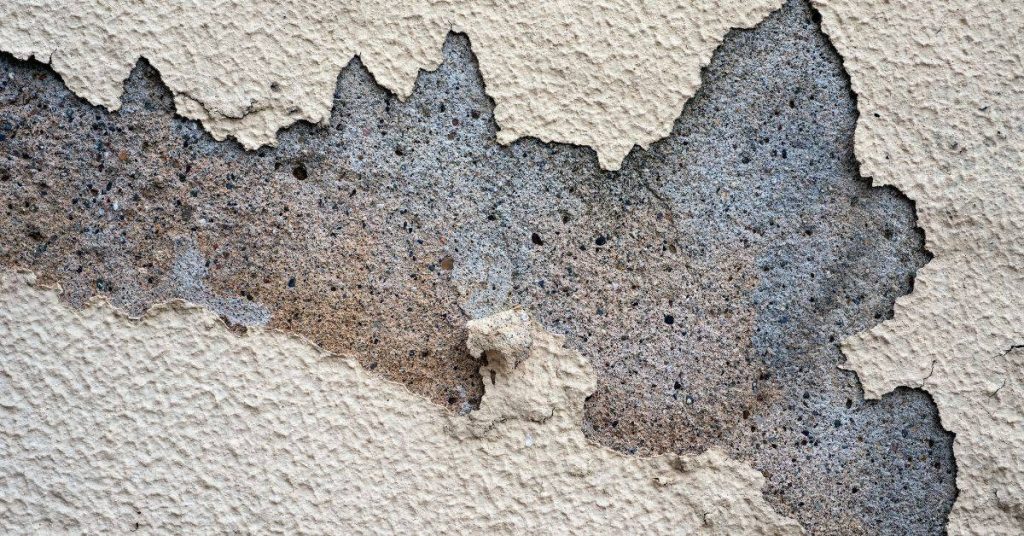
Freeze-thaw damage occurs when trapped moisture in stucco base coats freezes and expands, causing cracking and delamination. It can weaken the surface and open pathways for water to enter surrounding layers. Damage often starts on the exterior and can spread if not addressed with proper repairs.
Common signs include hairline cracks, chipped or powdery areas, and small spalls that reveal underlying layers. Inspect after winter or any time you notice moisture issues, and perform seasonal checks to catch early problems. When rebuilding, follow manufacturer instructions, local rules, and consult general guidelines to plan a proper, durable repair approach.
Key takeaways
- Understand that base coats resist moisture but are vulnerable to repeated freeze-thaw cycles.
- Look for hairline cracks, delamination, or spongy feel in stucco base coats.
- Schedule regular visual checks and professional testing to detect hidden damage safely.
- Seasonal maintenance should include sealing cracks and ensuring proper drainage away.
- Decide between repair and rebuild by evaluating moisture history and extent.
- When rebuilding, prioritize breathable coatings, proper detailing, and quality workmanship for durability.
Table of Contents
- Introduction
- Key takeaways
- What Is Stucco and How Base Coats Function
- How Freeze-Thaw Cycles Damage Stucco Base Coats
- Early Signs and Visual Checkpoints for Freeze-Thaw Damage
- Inspection Routines — DIY Timing and Professional Testing
- Seasonal Maintenance and Winter Prep to Minimize Freeze-Thaw Harm
- Assessing Repair Vs. Rebuild: Decision Guide
- Rebuilding the Right Way — Materials, Detailing, and Workmanship Priorities
- Conclusion
- FAQ
What Is Stucco and How Base Coats Function
Traditional cementitious stucco uses a cement-based mix applied over a lath or substrate, forming a rigid protective layer. Synthetic stucco, or EIFS, relies on polymer-enhanced systems with different backing and drainage characteristics. Each type has distinct durability and installation contexts that affect how the base coat performs.
The base coats, scratch and float, provide bonding, levelness, and load distribution across the wall. They help establish a continuous plane for the finish and support the overall system. The lath or substrate system matters for moisture management and structural support, whether metal lath, wire mesh, or adhered backing.
Traditional Stucco Base Coat Composition and Layers
The traditional stucco system consists of a three-coat application process. The base coat, also known as the brown or scratch coat, is the foundation of this system.
The base coat is typically composed of a mix of Portland cement, sand, and water. The exact proportions can vary depending on the specific product used and local conditions, so always check the manufacturer’s instructions. A common mix is one part cement to three parts sand by volume.
The base coat is applied in two layers. The first layer is spread over the lath or sheathing, ensuring full coverage and proper bonding. After this layer has begun to set but is still workable, it is scratched with a comb-like tool to create grooves. This increases the surface area for better adhesion of the next coat. The second layer is then applied, filling in these grooves and creating a solid bond.
Proper base coat application is crucial as it affects the performance and longevity of the entire stucco system. Always ensure that the substrate is clean, dry, and properly prepared before applying any coats. If cracks appear or worsen after application, re-evaluate your substrate preparation and consider using a reinforcing additive in the next base coat.
EIFS/synthetic stucco differences that affect freeze-thaw behavior
While traditional stucco systems rely on heavy, cement-based layers to protect against moisture, EIFS (Exterior Insulation and Finish Systems) or synthetic stucco offers a different approach. These systems use lightweight layers of insulation and a durable finish coat.
Insulation Layer: Unlike traditional stucco, EIFS includes an insulation layer that provides thermal resistance. This can help prevent moisture from condensing within the wall assembly during cold weather. However, it’s crucial to ensure this layer is properly installed and secured to avoid air gaps.
Drainage Feature: Many EIFS systems incorporate a drainage plane behind the finish coat. This allows any trapped moisture to escape rather than being held within the wall assembly. To function effectively, this drainage feature must be maintained clear of obstructions and properly integrated with flashing at openings.
Understanding these differences can help you maintain your EIFS system’s performance during freeze-thaw cycles. Regular inspections for cracks or signs of moisture entrapment are essential to prevent potential damage. Always follow manufacturer guidelines for proper application, thickness, and curing times to ensure optimal results.
How Freeze-Thaw Cycles Damage Stucco Base Coats
The base coat is the first line of defense against moisture, so its porosity, bond to the substrate, and curing influence freeze-thaw resilience. A porous, well-bonded coat can shed or tolerate some moisture movement. Poor bonding or improper curing reduces its ability to handle cycles of moisture.
Water absorption and capillary rise transport moisture into pores, and freezing expands this water, creating microcracks and spalling. Over time, adhesion weakens and cracks widen with repeated cycles. Chemical processes like salt crystallization and cement hydration by‑products can accelerate cracking and bond loss.
Mechanical effects: cracking, delamination, and spalling
Freeze-thaw cycles physically degrade stucco base coats through a combination of ice expansion and repeated stress. During cold temperatures, water absorbed by the porous base coat freezes and expands, opening tiny cracks.
Cracking is often the first visible sign of freeze-thaw damage. These initial microcracks can widen over time, allowing more water to penetrate and further weakening the base coat.
The repeated expansion and contraction also puts stress on the bond between the base coat and its lath backing. This delamination can cause the base coat to pull away from the substrate, leading to a loss of adhesion and support.
Severe freeze-thaw cycles can even cause surface loss, or spalling, as chunks of the base coat break off. Promptly repair any damaged areas to prevent further deterioration.
Moisture-driven chemical and substrate issues
Moisture-related processes can accelerate the failure of stucco base coats. When water penetrates the base coat, it can carry dissolved salts and minerals that, upon evaporation, leave behind deposits known as efflorescence. These deposits can further degrade the base coat by causing it to crack and crumble.
Salt migration can also occur within the base coat itself. As water moves through the porous material, it can deposit salts in tiny cracks and crevices. When these salts freeze and expand, they can cause additional cracking and delamination.
The presence of moisture can also weaken the underlying substrate. Oriented strand board (OSB) and plywood can swell and warp when exposed to repeated wetting and drying cycles. Metal lath or other metal components may corrode, further compromising the integrity of the stucco system.
If you notice efflorescence or salt deposits, investigate the source and extent of moisture intrusion promptly to prevent further damage.
Early Signs and Visual Checkpoints for Freeze-Thaw Damage
Prioritized surface indicators include cracking patterns and delamination where the outer layer pulls away from the base coat due to moisture expansion. Hairline cracks may widen after cold spells. Look for areas where the finish seems uneven or detached from the base.
Near-surface moisture cues include damp patches, efflorescence near fasteners or corners, and any chalky residue indicating moisture movement. Spalling or hollow sounds when tapping can signal compromised base coats. Document cracks and moisture signs that recur with temperature changes.
Visual checkpoints (exterior)
Regularly inspect your stucco exterior for signs of freeze-thaw damage. Use this checklist to guide your inspection.
- Cracks: Look for hairline to stepped cracks, spidering, or rim cracks near windows and parapets. These can widen due to moisture expansion during freeze-thaw cycles, leading to further damage if ignored.
- Powdery surfaces: Check for powdery residue or chalky deposits. This indicates moisture movement within the stucco, which can cause delamination and other issues.
- Localized flaking or bulges: Inspect for areas where the stucco is flaking off or has formed small bulges. These are signs of moisture-driven damage that requires immediate attention.
- Darkened patches: Look for damp or darkened patches, especially near fasteners or corners. These can indicate water intrusion and potential freeze-thaw damage.
- Efflorescence (salt stains): Check for white, powdery deposits near fasteners, corners, or other vulnerable areas. Efflorescence is a sign of moisture movement and can lead to further damage if left unchecked.
- Moisture wicking: Inspect along foundation skirts where moisture tends to wick up into the stucco. This can cause damage over time, especially during freeze-thaw cycles.
- Flashing joints: Check flashing around windows, doors, and other openings for signs of damage or improper installation. Faulty flashing can allow water intrusion, leading to freeze-thaw damage.
- Termite/foam setbacks: Inspect areas where foam insulation meets the stucco. These areas are vulnerable to moisture intrusion and subsequent freeze-thaw damage.
Quick rule: If you notice any of these signs, document them, prioritize based on severity, and address immediately to prevent further damage.
Non-visual and interior indicators
While exterior inspection is crucial, some signs of freeze-thaw damage may only be apparent from the inside. Use this checklist to identify potential internal symptoms.
- New interior stains: Check for new or unexplained stains on interior walls and ceilings. These can indicate water intrusion due to freeze-thaw damage, especially if they appear after cold snaps.
- Musty odors: Smell for musty or moldy odors, which can indicate moisture sources and potential mold growth behind the stucco. This is a serious issue that requires immediate attention.
- Soft plaster: Gently press on interior walls to check for soft or spongy areas. These can indicate water damage and subsequent freeze-thaw issues.
- Moisture meter readings: Use a moisture meter to check for higher-than-normal readings in the stucco. This can indicate moisture intrusion and potential freeze-thaw damage.
Quick rule: If you notice any of these non-visual indicators, address them promptly to prevent further damage and potential health issues related to mold growth.
Inspection Routines — DIY Timing and Professional Testing
Schedule regular visual checks by season and based on the wall age, with more frequent reviews after severe weather. Plan a full exterior assessment annually or after harsh winter or heavy rain periods. Use these checks to establish a baseline for future comparisons.
During a DIY walkthrough, inspect from ground level, use safe ladder practices, and note visible moisture, mold, or paint delamination. When damage is evident or interior moisture is present, call a professional for a deeper assessment and tests as needed.
DIY Inspection Checklist and Seasonal Timing
Regularly inspect your stucco exterior to catch freeze-thaw damage early. Use this checklist for a thorough DIY walkthrough.
- Monthly Visual Checks: Look for cracks, bulging, or staining from ground level and at eye level using a safe ladder.
- Gently Probe Suspect Areas: Use a screwdriver to probe gently around windows, doors, and corners. If it goes in too easily, there may be damage.
- Check for Moisture: Look for water stains, efflorescence (white powdery deposits), or mold growth.
- Document Findings: Photograph any visible issues and note the weather exposure at the time of inspection.
- Annual/Biannual Full-Structure Review: After harsh winters or heavy rain periods, perform a comprehensive walkaround to catch any new damage.
- Tapping Test: Gently tap the stucco with a hammer. A hollow sound may indicate delamination.
- Paint Delamination Check: Inspect paint for signs of peeling or bubbling, which could indicate underlying damage.
- Check Interior Walls: Look for signs of moisture intrusion from the inside, such as water stains on ceilings or walls.
Quick rule: Inspect more frequently in areas with harsh winters and heavy rain to catch damage early.
Professional Inspection Methods and What They Reveal
When DIY checks indicate serious damage, call a professional for advanced testing. Here’s what they do:
- Moisture Meters: These devices measure the moisture content in stucco, helping to identify areas where water has penetrated.
- Infrared Thermography: This non-invasive method uses thermal imaging to detect temperature differences that may indicate hidden damage or moisture intrusion.
- Invasive Probes: Professionals may use invasive probes to measure the depth and extent of delamination, if necessary.
- Core Sampling: A small section of stucco is removed for laboratory analysis. This can reveal the condition of the base coats and identify any missing or saturated areas.
- Veneer Adhesion Tests: These tests check the bond between the stucco and the substrate, indicating if delamination has occurred.
- ASTM-Standard Moisture and Permeability Evaluations: These standardized tests measure the moisture content and permeability of the stucco, helping to determine its overall condition and performance.
Quick rule: Professionals use these methods to diagnose freeze-thaw damage accurately, guiding targeted repairs.
Seasonal Maintenance and Winter Prep to Minimize Freeze-Thaw Harm
Focus preventive measures on drainage, grading away from walls, and flashing at transitions to reduce water ingress before winter. Seal joints and cracked areas with materials compatible with the stucco system. Choose breathable, elastomeric options where appropriate, following manufacturer guidance.
Develop a seasonal checklist that includes inspecting base coats, caulk joints, flashing, and gutter cleanliness to prevent ice damming. Plan pre-winter tasks, mid-winter touch-ups if accessible, and post-winter checks to catch hidden damage early.
Fall/winter prep tasks
Before winter sets in, perform these critical tasks to minimize freeze-thaw damage:
Gutter cleaning: Remove leaves and debris from gutters to ensure proper water drainage. Clogged gutters can lead to ice dams and water backup under roofing materials.
Flashing inspection and repair: Check all flashing around chimneys, vents, and other transitions. Repair any damaged or missing sections to prevent water intrusion.
Sealing gaps: Inspect caulk joints around windows, doors, and other openings. Reseal any cracked or peeling areas with a quality, freeze-thaw resistant sealant.
Grading check: Ensure that the ground around your home slopes away from walls to direct water away from the foundation. Regrade if necessary to maintain proper drainage.
Post-winter checks and early spring triage
After winter, perform these priority inspections to assess any damage and limit further issues:
Visual inspection: Check stucco base coats for cracks, delamination, or other signs of freeze-thaw damage. Inspect caulk joints, flashing, and mortar repairs as well.
Ice dams and water backup: Look for evidence of ice dams on the roof and water backup in gutters. These can cause significant damage if left unaddressed.
Temporary measures: If accessible, perform quick temporary fixes such as re-caulking or covering small cracks with a breathable sealant to prevent further damage until proper repairs can be made.
Professional assessment: If you find extensive damage or are unsure about the extent of the issues, consult a licensed stucco contractor or moisture intrusion specialist for a thorough evaluation and recommended repairs.
Assessing Repair Vs. Rebuild: Decision Guide
Use a clear decision curve to decide between small repairs or a full base coat or substrate rebuild. Look for the extent of moisture intrusion, crack depth, and any substrate movement observed. The choice should reflect the overall condition and future performance expectations.
Use a risk-factor checklist to guide the decision, including moisture history, regional freeze-thaw cycles, substrate type, and prior repair history. Document adhesion loss, delamination, and visible moisture indicators to inform the plan and cost considerations.
When Patching is Reasonable
Patching can be a cost-effective solution when damage is limited and localized. However, it’s crucial to ensure that the underlying substrate is sound.
Spot patching may be sufficient if damage does not exceed 10% of the surface area, there are no signs of delamination or substrate rot, and the lath and drainage systems are intact.
A quick visual inspection can reveal minor cracks (<1/4″ wide), an intact stucco surface, and no obvious signs of damage. However, always confirm with a professional assessment to ensure there are no underlying issues.
Common mistakes include overlooking moisture sources that may have caused the damage in the first place. Always address any underlying moisture problems to prevent recurrence.
When to Rebuild the Base Coat or Substrate
Rebuilding may be necessary when damage is extensive and involves structural components. This ensures long-term durability and prevents further damage.
Full base coat or substrate rebuild is necessary if damage exceeds 50% of the surface area, there are signs of widespread delamination (>50%), compromised sheathing, repeated failures after repair, or if there’s rust on metal lath.
A quick visual inspection can reveal extensive cracks (>1/4″ wide), large areas of delamination, soft spots in the substrate, or other signs of significant damage. However, always confirm with a professional assessment to understand the full extent of the damage.
Common mistakes include attempting to repair extensive damage without addressing underlying issues. Ensure proper drainage and address any moisture sources before rebuilding.
Rebuilding the Right Way — Materials, Detailing, and Workmanship Priorities
Start with substrate repair by identifying and cleaning the area, then address damaged backing to provide a solid base for lath anchorage. Ensure a clean, sound surface before applying new base coats. This foundation supports long-term performance.
Specify proper lath type and attachment, compatible base coat mixes, and appropriate reinforcement. Integrate flashing, drainage planes, and moisture management with openings and transitions. Address curing, temperature, and environmental controls to prevent premature cracking and ensure quality workmanship.
Material specs, standards, and compatibility to check
The materials you choose significantly impact your project’s durability, appearance, and longevity. Verifying material specifications ensures a successful, long-lasting result.
- Cement type (e.g., Type N, Type S): Used in mortar for bonding and setting. Look for the strength class suitable for your application. Type N is versatile; Type S offers higher bond strength but has a shorter working time. Avoid using masonry cement as it lacks the required bond strength.
- Lath gauge (e.g., 1/2″, 5/8″): Supports the EIFS system and provides a key to the substrate. Choose the appropriate gauge based on your wall’s height and design. Incorrect lath gauge can lead to inadequate support, causing cracks or delamination.
- Drainage EIFS vs. cementitious: Drainage EIFS allows moisture to escape; cementitious systems trap it. Ensure compatibility with your chosen system’s requirements and local climate conditions. Using incompatible systems can result in moisture buildup, leading to mold growth or structural damage.
- Manufacturer installation guides: Follow these for specific product instructions, mixing ratios, and application techniques. Ignoring manufacturer guidelines may void warranties and lead to poor performance.
- Acid resistance (for plaster): Check the acid strength rating on the bag. For areas exposed to acid rain or other acidic conditions, choose a plaster with high acid resistance to prevent staining and deterioration.
Pro tip: When buying materials, check for unopened bags and store them properly to maintain their quality. Always follow manufacturer mixing instructions to ensure optimal performance.
Tools and Materials Checklist for Repairs/Rebuilds
To ensure successful and long-lasting repair or rebuild projects, gather essential tools used by contractors. This list helps you understand the work involved and evaluate bids.
- Cordless Drill: Drills holes and drives screws. Essential for most repairs. Choose an 18V homeowner-grade model with a clutch setting to prevent stripping screws.
- Hammer Drill: Drills into masonry, such as concrete or brick. Optional but useful for certain repairs. Rent if needed. Ensure it has a suitable chuck size and rotates clockwise/counterclockwise.
- Reciprocating Saw: Cuts through various materials like wood, metal, and plastic. Essential for demolition and cutting out damaged sections. Rent if necessary. Use blade guards to protect from kickback.
- Jigsaw: Makes precise cuts in wood and other materials. Optional but helpful for detailed work. A 5-amp homeowner-grade model is sufficient. Ensure the blade fits the task, such as fine-tooth for curves or metal.
- Circular Saw: Cuts large sheets of material like plywood or OSB. Essential for new construction and some repairs. A 15-amp homeowner-grade model is adequate. Ensure the blade matches the task, e.g., fine-tooth for plywood.
- Level: Ensures surfaces are flat and plumb. Essential for accurate results. Choose a 2- or 4-foot torpedo level with vials for easy reading.
- Tape Measure: Measures distances accurately. Essential for all tasks. Choose a sturdy, retractable tape measure (16-25 feet) with a locking mechanism.
- Safety Glasses: Protects eyes from debris and impact. Essential for all tasks. Choose ANSI-rated glasses for protection against hazards.
Pro Tip: Using tools for purposes other than intended, such as using a drill as a hammer drill or reciprocating saw as a jigsaw, can damage materials or cause tool failure. Always use the right tool for the job.
Conclusion
Protecting your stucco system from freeze-thaw damage comes down to early recognition, careful planning, and choosing the right repair path to preserve safety and curb appeal. When in doubt, prioritize conservative, reversible steps and verify workmanship quality before finishing layers.
Proceed with a practical check: confirm the area has been inspected for cracks, moisture intrusion, and base-coat integrity, then verify that any repairs or rebuilds follow the recommended material choices, detailing, and proper curing or drying times; start with a small, controlled test area to confirm adhesion and performance before wide-scale work, and schedule seasonal maintenance to keep the system dry and protected. If signs persist after minor repairs, or if moisture is present behind the coating, escalate to a professional assessment to avoid hidden damage and costly callbacks.
Common mistakes include skipping a moisture test before patching, using inappropriate textures or coatings that trap water, and overloading patches with too-thick coats that crack in freeze-thaw cycles. Safety rules to follow are: wear eye and skin protection, support scaffolding or ladders securely, work in dry conditions, and avoid extending work into freezing temperatures or wet conditions; always follow manufacturer instructions and local codes. When to call a professional: if widespread cracking, delamination, efflorescence, or suspected moisture behind the base coat appears, or if structural concerns are present; a professional assessment can save time and prevent irreversible damage, and with careful planning you can restore durability and keep the exterior looking right. Stay deliberate, document each step, and you can complete the work with confidence and lasting results.
FAQ
What is happening to stucco base coats during freeze-thaw cycles?
Moisture can move into small voids and cracks. When temperatures drop, water freezes and expands, stressing the base coat and can cause cracking or loosening. Over time, repeated cycles can lead to delamination or surface deterioration.
What are the common signs of freeze-thaw damage in stucco base coats?
Look for hairline cracks or widening cracks near windows, doors, and corners. Noticeable spalling, chipping, or popping of the surface, and areas where the base coat feels soft or hollow under tapping. Stains or efflorescence can also indicate moisture movement behind the surface.
How often should I inspect for early detection?
Schedule regular checks each season and after severe or rapid temperature swings. Focus inspections on high-stress areas such as edges, penetrations, and near openings where moisture can penetrate. If you notice changes, inspect sooner to determine if a professional assessment is needed.
What seasonal maintenance tips help reduce freeze-thaw harm?
Keep surfaces clean and free of debris that can retain moisture. Ensure proper drainage away from the wall and inspect flashing and joints for gaps. Address cracks or loose areas promptly and follow the manufacturer’s guidance for any protective coatings or sealants used on your stucco system.