

Introduction
Hot tire pickup is tire marks on a cured floor coating that you can treat with cleaning and spot repair instead of recoating. This approach focuses on removing the stain and restoring gloss in the affected area. It avoids the hassle and cost of a full recoat, but you still need to follow safe, manufacturer-approved steps.
Start by inspecting the spot to see how deep the stain goes and what your coating recommends for cleaners. Test a cleaner in an inconspicuous area, then gently scrub with a soft brush or sponge. If the stain remains, use a spot repair product as directed and follow up with the proper seal or buffing step per the label.
Key takeaways
- Identify hot tire pickup by rubber transfer, heat gloss fade, and color mismatch.
- Assess severity before cleaning to decide if spot repair preserves integrity.
- Gather PPE, ventilate area, and keep pets away during cleaning.
- Use least aggressive methods first, testing in inconspicuous spots carefully.
- Document results, note materials used, and monitor for recurrence over time.
- If concerns persist, consult a qualified professional for spot-on restoration.
Table of Contents
- Introduction
- Key takeaways
- What Is “Hot Tire Pickup” and How to Identify It
- Assessing Severity and Deciding If Spot Repair Is Appropriate
- Tools, Materials, and Safety Checklist
- Step-by-Step Cleaning Methods (Least to Most Aggressive)
- Localized Spot Repair Techniques When Cleaning Fails
- Color, Gloss, and Texture Matching for Inconspicuous Repairs
- Preventive Measures to Reduce Recurrence
- Troubleshooting, Documenting Results, and When to Consult a Professional
- Conclusion
- FAQ
What Is “Hot Tire Pickup” and How to Identify It
Hot tire pickup is a surface condition that happens when a tire overheats or sticks to a coating while the surface is curing or still fresh. It can leave a thin, smeared mark or transfer a glossy film onto the coating. Look for irregular patches that look rolled, melted, or slightly lifted compared to surrounding areas.
Common signs include a shiny spot that won’t dry evenly, faint tread impressions, or an area that rubs off with a light touch. Confirm you’re dealing with pickup rather than a scratch or chemical stain by checking if the mark transfers from tire contact and disappears with gentle abrasion. If in doubt, consult the coating label or manufacturer instructions for guidance.
Visual and Tactile Symptoms to Look For
Hot tire pickup leaves distinctive marks on your concrete. Keep an eye out for these common signs:
Rubber smears: These are the most obvious symptoms. You’ll see black streaks or smudges where tires have picked up and deposited residue.
Streaking patterns: Hot tire pickup often leaves behind streaks, usually following the path of vehicle traffic.
Tacky or raised areas: In some cases, you might notice spots that feel slightly sticky or are raised compared to the rest of the surface. This indicates that the rubber has adhered and not yet been fully removed.
How It Differs From Coating Failure, Transfer Staining, And Embedded Contaminants
Hot tire pickup is a unique issue with its own set of characteristics. Here’s how to tell it apart from other problems:
Coating failure: Unlike hot tire pickup, coating failure will show signs of peeling or flaking. The rubber residue from hot tire pickup won’t cause the coating to lift.
Transfer staining: This is when dirt or other contaminants are transferred onto the surface, often from foot traffic or equipment. Unlike hot tire pickup, these stains can usually be wiped off easily.
Embedded contaminants: These are particles that have become trapped in the concrete’s pores during curing. They won’t sit on the surface like hot tire pickup residue and will require different cleaning methods.
Assessing Severity and Deciding If Spot Repair Is Appropriate
Start by estimating the affected area size and whether the contamination penetrates beyond the topcoat. Consider if the surface still feels solid or if the coating beneath feels compromised. Aerial checks with a clean cloth can help determine adhesion in the field.
Evaluate if the substrate shows signs of lifting, soft spots, or peeling. If the topcoat remains firmly attached and the contamination is shallow, spot repair may be suitable. If the substrate is damaged, plan for broader treatment following applicable instructions and codes.
Quick adhesion and surface tests to run
Before diving into repairs, perform quick checks to ensure your coating is still sound. This helps avoid wasting time on repairs that won’t stick.
First, visually inspect the area for any cracks or delamination. Then, do a gentle tape test: apply and remove adhesive tape to check if any coating comes off.
Next, perform a small solvent test. Apply a small amount of the appropriate solvent (follow product labels) on an inconspicuous area. If it softens or dissolves the coating, your topcoat is still intact and can be repaired.
When full recoating is unavoidable
Sometimes, spot repairs just won’t cut it. Here are signs to look out for that indicate a full recoat is necessary.
- Large-area penetration: If the hot tire pickup has affected a large area, spot repair might not be enough to prevent further damage or maintain a uniform appearance.
- Delamination: If the coating is peeling off in large sheets, it’s a sign that the bond between the coating and substrate has failed. Spot repairs won’t fix this.
- Multiple failed attempts at cleaning: If you’ve tried cleaning the area multiple times without success, it might be time to admit defeat and recoat.
- Substrate damage: If the hot tire pickup has caused damage to the underlying substrate (like concrete), spot repair won’t fix this. You’ll need to prepare the surface again before recoating.
If you find yourself in any of these situations, it’s best to bite the bullet and recoat the entire area. It might seem like more work now, but it will save you time and money in the long run.
Tools, Materials, and Safety Checklist
Gather cleaners, solvents, and abrasives appropriate for the existing coating system. Include touch-up coatings, applicators, and clean-up rags in your list. Always verify compatibility with the current coating using the product label or data sheet before proceeding.
Put together PPE such as eye protection, gloves, and a respirator if required by the product. Have a stable workspace and ventilation plan to keep dust and fumes under control. If any item is unclear, check manufacturer instructions or local requirements before buying.
Personal protective equipment and safety precautions
Before you start, gear up right to protect yourself from cleaners and solvents.
- Gloves: Protect your hands from chemicals. Choose a pair that’s resistant to the specific cleaner or solvent you’re using.
- Eye protection: Wear safety glasses with side shields to prevent chemical splashes in your eyes.
- Respirator: Use one if you’re working with strong solvents. Follow manufacturer instructions for proper fit and use.
- Long sleeves and pants: Cover exposed skin to minimize contact with chemicals.
- Proper footwear: Wear sturdy, non-slip shoes to prevent accidents while working on the surface.
- Ventilation: Ensure your work area is well-ventilated. Use fans if necessary, but avoid blowing dust or debris around.
- Label instructions: Always follow the manufacturer’s guidelines for safe handling and storage of cleaners and solvents.
- Avoid smoking: Do not smoke while working with flammable materials.
Quick rule: Never skip PPE. It’s your first line of defense against chemicals.
Recommended cleaner and solvent types (categories)
Choose the right cleaner or solvent for your surface and stain type.
- Mild cleaners: Suitable for light dirt and dust. Test on a small, hidden area first to ensure they won’t damage the coating.
- Degreasers: Ideal for grease and oil stains. Spot test before wide use to check compatibility with your surface’s coating.
- Strong solvents: Reserved for tough stains like paint or tar. Always spot test first, as they can damage some coatings if not compatible.
- Avoid harsh chemicals: Never use bleach, ammonia, or other strong household cleaners on your surface, as they can cause damage and discoloration.
Quick rule: Always spot test before wide application. It’s the only way to ensure compatibility with your existing coating.
Spot repair materials and applicators
Gather the right tools and materials for a successful spot repair job.
- Touch-up paint: Match the color of your existing coating as closely as possible. A small amount goes a long way in spot repairs.
- Primer: Use a primer that’s compatible with your surface and touch-up paint to ensure good adhesion.
- Blending materials: For larger spots, consider using blending materials like clear coats or tints to help the repaired area blend seamlessly with the rest of the surface.
- Mini-rollers: Use these for applying touch-up paint to large areas. They provide even coverage and minimize visible brush strokes.
- Fine abrasives (sandpaper or steel wool): Lightly sand the area before application to help the new paint adhere better. Choose a fine grit to avoid damaging the surface.
- Small paintbrushes: Use these for detailed work and edges where rollers can’t reach.
- Clean rags or tack cloths: Keep your workspace clean by using rags or tack cloths to remove dust and debris before application.
Quick rule: Quality tools and materials ensure a professional-looking repair. Don’t skimp on the essentials.
Step-by-Step Cleaning Methods (Least to Most Aggressive)
Begin with the gentlest option, such as a light wipe with a compatible cleaner and a soft cloth. Avoid aggressive scrubbing that could dull or scratch the surface. Inspect the area after each step before moving on.
If needed, use a mild solvent or specialty cleaner recommended for the coating system, followed by a soft brush. Rinse and dry the spot completely before re-evaluating. Reserve abrasive methods for when soft cleaning does not remove the transfer.
Step-by-Step Cleaning Process
Follow this sequence to clean ‘hot tire pickup’ from your concrete surface, starting with gentle methods and escalating as needed.
- Preparation: Gather materials, wear safety gear (gloves, goggles).
- Main Work – Gentle Cleaning: Start with mild detergent or degreaser, microfiber wiping.
- Check Progress: Inspect the surface for improvement. If pickup persists, move to next step.
- Mechanical Removal: Use plastic scrapers, soft pads, careful buffing.
- Chemical Solvents (if needed): Test a small area first, apply solvents carefully, rinse thoroughly.
- Final Check: Inspect the surface for remaining pickup. If severe, consider professional help.
Start with gentle stripping: soap, degreaser, and microfiber
Begin by preparing a solution of mild detergent or degreaser. Soak a microfiber cloth in the solution.
Why microfiber? It’s soft, won’t abrade the finish, and traps dirt effectively.
Gently wipe the affected area using circular motions. Rinse and repeat until pickup is removed or reduced significantly.
Mechanical removal techniques
For light to moderate pickup, use non-abrasive tools like plastic scrapers and soft nylon pads. Apply gentle pressure.
Why careful buffing? It helps remove pickup without damaging the concrete finish.
Work in small sections, moving from one area to another systematically. Inspect your progress regularly.
Chemical and solvent options for stubborn pickup
For tougher pickup, use stronger solvents like acetone or denatured alcohol. Always test on a small, hidden area first.
Why test? Some solvents can damage certain finishes. Better safe than sorry.
Apply the solvent sparingly with a soft cloth or brush. Work in small sections, then rinse thoroughly with clean water to remove any residue and prevent further damage.
Localized Spot Repair Techniques When Cleaning Fails
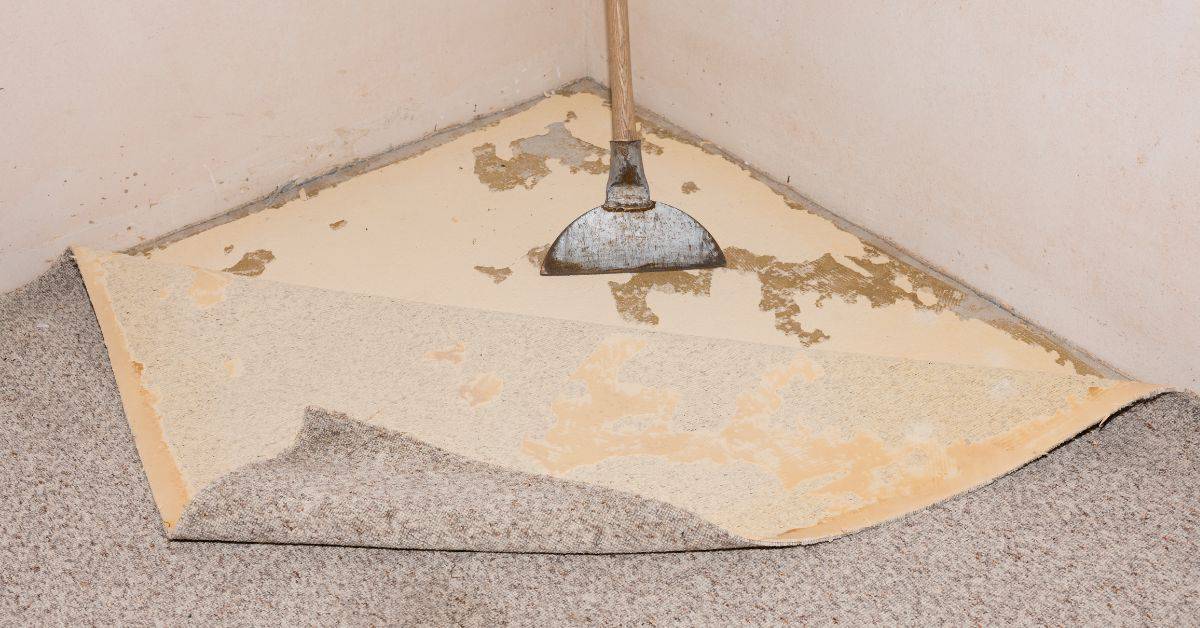
For small, stubborn spots, consider controlled abrasion with fine-grit material and feathering to blend with the surrounding finish. If the coating is damaged, you may need to fill the area with a compatible repair product and recoat just the patch. Always test any repair method on a discrete, inconspicuous spot first.
Techniques include feathering edges, applying a thin coat to the affected area, and blending with the adjacent finish. After curing, assess the uniformity and recoat if required to improve adhesion and appearance. Follow product directions for curing times and coverage.
Preparing and abrading the spot for adhesion
Start by cleaning the affected area. Use a mild soap or degreaser to remove any dirt, grease, or residue. This ensures better adhesion of your patch materials.
Sand the area lightly using 220-grit sandpaper. Be careful not to over-sand and create a depression. The goal is to create a profile that will help the patch material bond well with the existing surface.
Use a sanding block or an orbital sander for even pressure. Sand in straight lines, following the grain of the concrete if possible. After sanding, wipe off any dust with a damp cloth.
Finally, feather the edges of the spot using 320-grit sandpaper. This helps blend the patch into the surrounding finish and prevents a visible edge.
Applying primer/filler and localized topcoat
Choose a compatible primer or filler that matches the type of concrete sealer or paint you’re working with. This ensures good adhesion and prevents peeling.
Apply the primer or filler in thin, even layers using a small roller or a putty knife. Let each layer dry according to the manufacturer’s instructions before applying the next one. Multiple light coats are better than one heavy coat as they provide better coverage and prevent cracking.
Once the final layer of primer/filler is dry, lightly sand it with 320-grit sandpaper to remove any raised grain or imperfections. Wipe off any dust and apply your topcoat using a small roller or paintbrush. Make sure to match the sheen level of the surrounding area.
Feathering and finishing to match surrounding sheen
After your topcoat has dried, use a fine-grit sandpaper (400-600 grit) to feather the edges of your repair. This helps blend the repaired area into the surrounding finish.
If you’re trying to match a glossy sheen, consider using a light polishing compound or a light scuff sanding technique. These can help you gradually blend the gloss levels and create a seamless look.
Remember, patience is key when it comes to matching sheens. Take your time and work in small sections. Always test on a hidden area first to ensure you’re achieving the desired result.
Color, Gloss, and Texture Matching for Inconspicuous Repairs
Match color by identifying the coating chemistry and using a small test patch to judge the blend. Adjust application technique to minimize edge visibility, such as easing feathering and controlling film thickness. Allow sufficient time for color to stabilize in the repaired area.
Gloss and texture should be matched by selecting a compatible topcoat and testing different application pressures. Compare the repaired spot to adjacent areas under similar lighting, and repeat tests if necessary. When in doubt, follow the coating manufacturer’s guidance on color matching and finishing.
Identifying coating chemistry and choosing compatible products
First, figure out what kind of coating you’re dealing with. Most common are waterborne, solvent-based, and polyurethane.
Waterborne: These are water-based paints or sealers. They’re eco-friendly but can take longer to dry. Repair products should be waterborne too.
Solvent-based: These use chemicals like acetone or lacquer thinners. They dry fast and have strong fumes. Match with solvent-based repair products.
Polyurethane: These are tough, durable, and often used on floors. They’re tricky to match but try to find a polyurethane product that matches the sheen and color.
Techniques for achieving gloss and texture consistency
The key here is thin coats. Thinning out your repair product can help achieve a consistent finish with the surrounding area.
Controlled drying is crucial too. Keep the area at a consistent temperature and humidity to prevent uneven drying.
For texture, use light abrasives or polish after applying the topcoat. This helps blend the repaired spot into the existing surface. Be gentle though, you don’t want to overwork it and make it worse.
Remember, consistency is key. Take your time and apply each coat with care. It’s better to do a few thin coats than one thick one that looks out of place.
Preventive Measures to Reduce Recurrence
Adopt tire and wheel maintenance practices that minimize heat exposure to the coating, such as keeping tires properly inflated and avoiding prolonged spinning on the surface. Use a temporary sacrificial barrier or parking mats if heavy tire contact is expected. Regularly inspect and maintain the surface to catch early signs of pickup.
Implement sensible parking habits and consider surface care practices that reduce adhesion of tires to coatings. Document any temporary treatments and maintain a routine to monitor for hotspots. If you are unsure about preventive products, verify compatibility with the existing coating first.
Tire and Wheel Care That Minimizes Pickup Risk
Maintain your tires’ health to reduce hot tire pickup. Regular cleaning is key.
Use a mild soap and water solution, or a dedicated wheel cleaner for tougher grime. Avoid abrasive brushes; they can damage the tire’s surface.
Avoid tire dressings. They might make your tires shine but can transfer onto hot surfaces, causing pickup.
Surface Protection and Sacrificial Options
Use temporary sealers or mats to protect your concrete. These act as a barrier, absorbing the tire’s heat and preventing pickup.
Apply these products according to the manufacturer’s instructions. They usually need reapplying after heavy rain or when their protective layer wears off.
Regular maintenance is crucial. Remove any buildup promptly to keep your surface clean and protected.
Behavioral and Storage Changes
Park on cooler surfaces when possible. Concrete stays cooler under shade or near trees, reducing the risk of hot tire pickup.
Let your tires cool before driving onto sensitive coatings. This gives them time to shed heat, minimizing pickup risk.
Rotate parking position. If you park in the same spot every day, consider rotating it occasionally. This distributes the wear and tear on your surface, preventing repeated hot tire contact.
Troubleshooting, Documenting Results, and When to Consult a Professional
Create a simple checklist of common repair failures such as incomplete removal, color mismatch, or new sticking issues. Use photos and notes to track progress and any changes over time. This documentation helps with warranties or informing a professional if needed.
Look for clear signs that professional intervention is warranted, such as persistent adhesion problems, deep contamination, or uncertainty about substrate integrity. Knowing when to escalate can save time and prevent further damage. When in doubt, seek a qualified coating specialist and share your notes and test results.
Common repair problems and corrective steps
When you spot ‘hot tire pickup’, don’t panic. Here are some common issues and quick fixes:
Visible halos: Lightly sand, clean with a suitable solvent, then apply primer/filler before topcoating.
Mismatched gloss: Feather edges of repair to blend sheen. Use compatible products as mentioned earlier.
Adhesion problems: Ensure surface is clean and dry. Lightly abrade, prime, then apply filler/topcoat.
What to record and ask a pro if escalation is needed
Before you call in the pros, document your attempts:
Take photos of affected areas. Note down products used, methods tried, and dates.
When consulting a professional, ask about:
Coating type: They’ll need to know for matching and compatibility.
Warranty impact: DIY repairs may void warranties. Check first.
Expected lifespan: Pros can estimate remaining life of the coating.
Safety, legal, and warranty considerations
Before you start tinkering, consider these:
Warranty: Check your coating’s warranty. DIY repairs may void it.
Manufacturer guidance: Follow their recommendations for repair and disposal.
Safety & disposal: Wear appropriate PPE when handling chemicals. Dispose of waste responsibly, following local regulations.
Conclusion
Fixing hot tire pickup without recoat is a practical, durable path if you stay disciplined about testing, safety, and progress. When you move carefully, you protect the finish and avoid costly mistakes.
Make this a simple, stepwise checklist: assess severity in a hidden area first, gather the right tools and materials, start with the least aggressive cleaning method, stop if you see any damage or lifting, try a localized repair if needed, aim for matching color, gloss, and texture, document what you did and the results, and decide whether to finish yourself or call a professional.
Common mistakes to avoid are using harsh cleaners or aggressive scrubbing, skipping a small-area test, and rushing repair decisions without checking for color or texture match or cure times. Always keep safety first, ventilate well, wear PPE, and protect adjacent surfaces. Don’t force a repair that shows fiber lift, flaking, or inconsistent finish.
If the repair would require heavy coating changes, a color or texture mismatch that keeps returning, or you’re unsure about the substrate condition, it makes sense to call a professional. Stay calm, follow the plan, and you’ll finish confident and clean every time.
FAQ
What constitutes an effective spot repair plan after cleaning doesn’t fully remove tire pickup?
Outline a clear goal: restore color and texture without a full recoat. Use cleaning to its limit first, then assess if a localized repair blends in. If you can’t mask the mark, move to a controlled spot repair that matches the surrounding area.
How do I choose between a light touch-up vs color-matching repair after cleaning?
Test small, inconspicuous spots first. If the base is clean but the mark remains, a touch-up or glaze may suffice; if color or gloss mismatch is obvious, use a matching repair compound and follow its instructions. Always compare under the same lighting before finishing.
What steps should I take to verify surface compatibility before applying any spot repair product?
Read the product label and the manufacturer instructions for compatible substrates. Check cure times, temperature ranges, and whether the product is intended for repainting or glazing. If in doubt, test on a hidden area and confirm with local rules or the product maker.
When should I consider bringing in a pro instead of continuing DIY spot repairs?
If multiple spots resist cleaning, if the repair would require complex color matching, or if you’re unsure about adhesion and long-term durability, stop and consult a professional. A pro can advise on blending, topcoat compatibility, and proper curing to avoid new problems.