
Introduction
Filling small holes in stucco means patching with a compatible material and feathering the edges so the repair isn’t noticeable. It’s a hands-on task you can do with basic tools and patience. Start with a clean, dry surface and work slowly to keep texture consistent.
Begin by cleaning the area and removing loose material. Apply a patch material that matches stucco and blend the edges into the surrounding surface, keeping the texture even. Let it cure per the manufacturer’s instructions and check local rules for weather, moisture, and any other site considerations.
Key takeaways
- Inspect hole size, depth, and underlying damage before patching any area.
- Clean surface thoroughly and dampen edges to improve patch adhesion.
- Use compatible patch material and match texture for seamless blend.
- Apply patch in thin layers, feathering edges to avoid visible outlines.
- Recreate neighboring texture during finishing and check against surroundings for continuity.
- Wear eye protection and gloves; keep area ventilated and dust-free during repairs.
Table of Contents
- Introduction
- Key takeaways
- Quick Diagnosis: Size, Depth, and Underlying Condition
- Tools and Materials Checklist
- Surface Preparation and Cleaning
- Mixing and Matching Patch Materials
- Application Techniques to Avoid a Visible Outline
- Texture Replication and Visual Checkpoints
- Curing, Painting, and Finishing for Invisibility
- Troubleshooting, Maintenance, and When to Call a Pro
- Conclusion
- FAQ
Quick Diagnosis: Size, Depth, and Underlying Condition
Start by evaluating the hole size and how deep it goes. Look at the surrounding texture and adhesion to judge if this is cosmetic or a sign of a bigger issue. Check for moisture, efflorescence, or loose material that could indicate a larger problem.
If you see active moisture, soft spots, or exposed lath, note these as red flags to expand the repair area or consult a professional. Use your observations to decide whether to proceed or bring in a pro for a proper assessment. Always verify guidance with product labels or manufacturer instructions when in doubt.
When a hole counts as ‘small’
A small hole for stucco repair is one that doesn’t expose the lath or any structural elements. It should be minimal in depth, not going all the way through to the substrate.
If the hole exposes anything underneath, it’s too big for a simple patch-over. You’ll need to do a larger patch or even replace a section of stucco.
Rule of thumb: If you can fit your pinky finger into the hole and touch the bottom without feeling any lath or substrate, it’s small enough for a quick fix.
Inspecting for moisture, rust, and hidden damage
Before you start patching, check around the hole for any signs of dampness. Active moisture can cause your repair to fail.
Look for rust stains on the stucco or lath. This could indicate a leak that needs to be fixed before you patch.
Gently tap the surrounding area with a hammer. If it sounds hollow, there might be loose stucco hiding underlying damage.
If you find any of these issues, don’t just cover them up. You’ll need to address the cause before making your repair.
Tools and Materials Checklist
Gather the essentials first: a trowel, putty knife, and a mixing container for small batches. Include a stiff brush, sponge, and masking or painter’s tape to keep edges clean. Have PPE on hand, like gloves and eye protection, for safe work.
Choose patch material that matches exterior stucco and is compatible with the substrate. Always check product labels and manufacturer instructions for surface prep and cure recommendations. If anything is unclear, verify with the supplier or local building rules before starting.
Patch compounds, bonding agents, and primers
Use this checklist before starting any patching or repair work to ensure you have the right products for the job. This will help you achieve a durable, long-lasting result.
- Check patch compound type: Choose between ready-mix acrylics, portland-based stucco patch, or other specialized compounds based on the surface and damage. Ready-mix acrylics are versatile and fast-setting, while portland-based patches are great for concrete repairs.
- Verify adhesion properties: Look up the product’s adhesion rating on the label or manufacturer’s website. Ensure it matches your substrate (e.g., concrete, masonry, metal).
- Check exterior durability: Make sure the patch compound is suitable for outdoor use and can withstand weathering in your climate.
- Inspect bonding agent: If using a separate bonding agent, ensure it’s compatible with your chosen patch compound. Check the manufacturer’s recommendations.
- Check primer type: Choose a primer that matches your substrate and patch compound. It should promote adhesion and seal the surface.
- Verify primer coverage: Estimate how many square feet you can cover with one gallon of primer to ensure you have enough for the job.
- Check pot life: For two-part compounds, verify the pot life (working time) on the product label. Ensure it’s suitable for your application speed and conditions.
- Inspect packaging condition: Check that all containers are sealed, undamaged, and within their expiration dates to ensure product performance.
Quick rule: Always follow manufacturer instructions and check compatibility between products. Skipping this can lead to poor adhesion, delamination, or accelerated deterioration of the patch.
Texture and finishing tools
Use this checklist before starting any texturing or finishing work to ensure you have the right tools for the job. This will help you achieve a professional-looking result that matches your existing texture.
- Trowels (4″-6″ and 8″-12″): Check trowel sizes to match your project’s requirements. Confirm they’re in good condition with no bends or cracks.
- Texture brushes (stiff bristle, 3″-6″): Ensure brushes are stiff enough for your desired texture and the correct size for your application area.
- Sponges (natural or synthetic, various sizes): Inspect sponges for any holes or tears that could affect your texture. Choose natural or synthetic based on your project’s needs.
- Stipple tools (various shapes and sizes): Check tool shapes and sizes to match your existing texture. Ensure they’re clean and free of debris.
- Mixing supplies (bucket, drill, paddle mixer): Verify you have a sturdy 5-gallon bucket for mixing. Check your drill’s speed (600-1200 RPM) and use an appropriate paddle mixer.
- Finishing abrasives (sandpaper, 80-120 grit): Inspect sandpaper for any tears or weak spots. Choose grit based on your desired finish smoothness.
- Power trowel (optional, 16″-36″): If using a power trowel, ensure it’s in good working order and the correct size for your project.
- Float (48″ x 96″, lightweight): Confirm float is lightweight and large enough to cover your application area efficiently.
Quick rule: Always check your tools before starting work. Damaged or incorrect tools can lead to poor texture quality, rework, and wasted materials.
Surface Preparation and Cleaning
Remove loose material around the hole with a firm tap or light chipping. Clean dust, salts, and any efflorescence from the surface so the patch can bond properly. Make sure the substrate is sound and free of flaking edges before you mix material.
Poor prep is the main cause of visible outlines, so take your time with this step. Dampen dry areas slightly if the patch material recommends it, but avoid puddling water on the surface. Confirm prep needs on product data sheets or manufacturer instructions if unsure.
Removing loose stucco without enlarging the hole
Start by gently chipping away any loose stucco around the hole using a cold chisel and hammer. Be careful not to enlarge the hole or damage the surrounding area.
The goal is to expose solid, sound stucco so your patch has something to bond with. Use a wire brush to remove any remaining loose material and dust.
Once you’ve reached solid stucco, stop. Undercutting too much will only make the repair area larger than necessary.
Cleaning, priming, and ensuring bond
Thoroughly clean the repair area using a stiff-bristle brush to remove any remaining dust or debris. Rinse with water and allow it to dry completely.
If you see rust or efflorescence (white, powdery deposits), treat these areas first according to our earlier guidance on inspecting for moisture and hidden damage.
Before applying the patch compound, apply a bonding agent or primer specifically designed for stucco. This will improve adhesion, reduce shrinkage, and help prevent visible outlines. Follow the manufacturer’s instructions for application and drying times.
Mixing and Matching Patch Materials
Mix small batches to keep control over consistency and set time. Aim for a putty-like texture that holds in the patch without slumping. Avoid over-wetting, which can weaken the bond.
Choose a compound compatible with existing stucco and outdoor exposure. Test a tiny amount on a hidden spot to check adhesion and finish before committing to the entire repair. If you have questions, consult product labels or the manufacturer for guidance.
Achieving the correct mix consistency
The key to a successful repair is getting your patch mix just right. It should be smooth, hold its shape when scooped, but still spread easily.
Here’s how: Start with a small amount of compound. Add water gradually, mixing well after each addition. Use a putty knife or trowel for mixing.
Too much water makes the mix runny and hard to control. Too little, it’s crumbly and won’t stick. Practice on scrap material first to get your technique down.
Pre-tinting and base color considerations
Matching the existing stucco color is crucial for a seamless repair. Pre-tinting your patch compound can help, but be conservative.
Start with a shade lighter than needed. You can always add more color later or blend with paint. It’s easier to darken than lighten.
Pro tip: If you’re unsure, test small amounts of tinted compound on a scrap piece of stucco under different lighting conditions before committing to a large batch.
Application Techniques to Avoid a Visible Outline
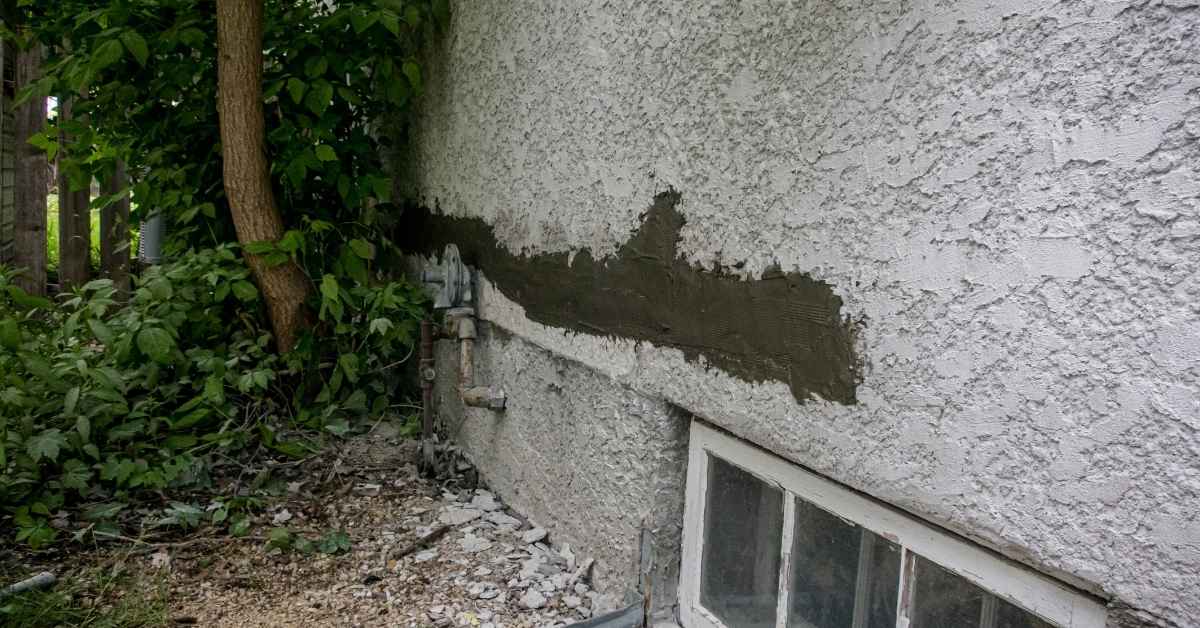
Apply in thin layers, allowing each pass to set a bit before adding more material. This helps prevent a raised edge around the repair. Use light, even pressure to compress the patch into the hole.
Feather the edges outward to blend with the surrounding surface. Work in small increments and pause to assess until the patch sits flush. If the surface still looks off, recheck the prep and material compatibility per label instructions.
Filling, compacting, and leveling flush
Start by mixing your patch compound to a smooth, peanut butter-like consistency. Using a trowel or putty knife, apply it in thin layers, no more than 1/4 inch at a time.
Compaction is key. Use a rubber float or a trowel with a straight edge to press the patch firmly into the hole, eliminating any voids. Work from the center outwards to prevent lifting edges.
Level the surface flush with surrounding stucco using a straightedge and a thin coat of compound. Be careful not to overbuild the edges; you can always add more later if needed.
Feathering edges into surrounding stucco
Once your patch is flush with the surface, it’s time to feather the edges. This ensures a smooth transition between the repair and the existing stucco.
Using a flexible putty knife or a trowel with a rounded edge, apply a thin layer of compound beyond the hole’s perimeter. Work this compound outwards in a tapering motion, reducing the thickness as you reach the edges of the hole.
Patience is crucial. Take your time and work in small increments to avoid creating a visible outline or shadowing effect. The goal is for the repair to blend seamlessly into the surrounding stucco.
Texture Replication and Visual Checkpoints
Match the surrounding texture by choosing your technique—smooth, sanded, or skip-trowel—based on the existing finish. Use simple tools like a damp sponge or a soft brush to mimic texture without overworking the patch. Practice on scrap material or a hidden area first.
Control the look by checking a few visual checkpoints: edge softness, depth, and how light reflects across the repaired spot. If the match isn’t right, adjust your technique and reapply a thin layer. Always verify texture guidance with product instructions or professional