
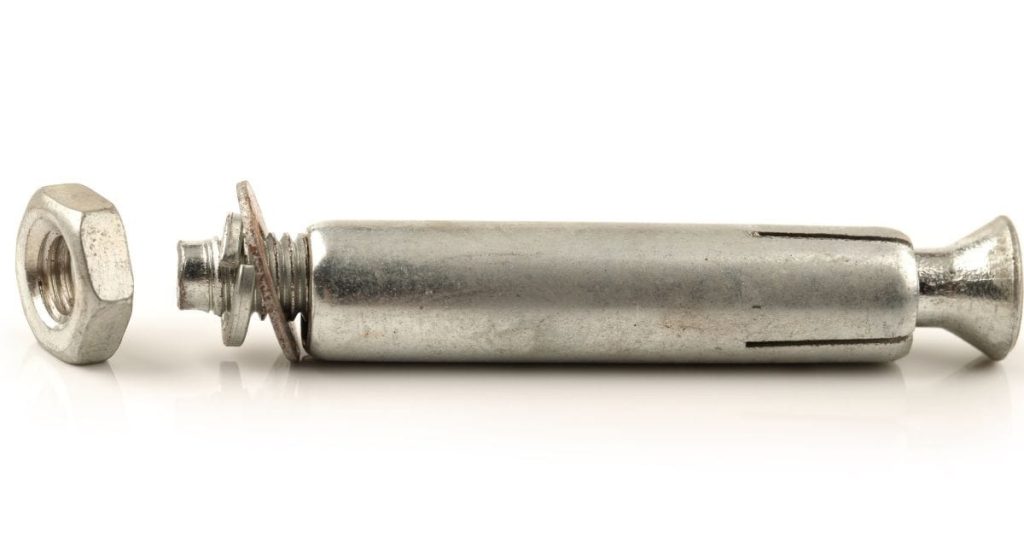
Introduction
Epoxy anchor failure happens when the adhesive bond can’t develop strength because the hole or mix is contaminated, wet, or poorly cured.
Dirty holes, wet holes, and wrong cure temperature are common failure modes that weaken the bond and let anchors loosen. Symptoms include movement, a shiny or crumbly surface, or inconsistent setting, and you fix them by re-prepping the hole, drying it, or following the cure instructions on the label. Always check the product instructions and local rules for cleaning, moisture handling, and cure times.
Key takeaways
- Thoroughly clean and inspect holes to prevent dust, debris, or concrete slurry.
- Ensure holes are dry before epoxy insertion; wear PPE per label.
- Check cure temperature guidance from manufacturer and avoid extremes; follow range recommendations.
- Use proper hole prep and compatible anchors; mismatches cause early pullout or cracking.
- Inspect and test cured anchors with simple pull checks or manufacturer methods.
- Regularly maintain anchors; after loads or movement, re-check with safety gear.
Table of Contents
- Introduction
- Key takeaways
- Failure Mode — Dirty Holes
- Failure Mode — Wet or Moist Holes
- Failure Mode — Wrong Cure Temperature
- Installation Best Practices — Step-by-Step Checklist
- Inspection, Testing, and Visual Checkpoints
- Comparative Analysis and Product Selection Criteria
- Safety, Standards, and Regulatory Considerations
- Long-Term Maintenance to Prevent Future Problems
- Conclusion
- FAQ
Failure Mode — Dirty Holes
Dust, drilling slurry, grease, and loose particles create a barrier between the epoxy and the concrete surface. This reduces contact area and can lower bond strength when tested by pull-out or shear methods. A clean hole is essential for predictable performance.
Implement a practical cleaning protocol: contain dust during drilling, capture debris immediately, use mechanical cleaning with a brush or VAC, and wipe with a solvent. Verify the surface is dry and free of residue before mixing begins.
Mechanism: contamination and bond loss
Contaminants like dust, drilling slurry, grease, and loose particles create a weak interface between the epoxy and concrete substrate. This layer prevents proper adhesion, leading to reduced pull-out strength and shear strength.
Particulate layers act as stress concentrators. When force is applied, these points of weakness can cause partial or total adhesive failure. Think of it like trying to glue two pieces of glass together with a thin layer of dirt in between – the bond won’t be strong.
Key takeaway: Contaminants disrupt epoxy-substrate contact and reduce bond strength, leading to potential anchor failures.
Detection and verification
Before injecting epoxy, perform a quick visual inspection. Look for any visible contaminants like dust or grease on the hole walls. If you see slurry or loose particles, it’s time to clean.
Probe the hole with a clean tool. If it feels gritty or leaves residue on the tool, that’s a sign of contamination. Follow your adhesive datasheet for verification steps, which might include surface tension tests or contact angle measurements.
Remember: Always verify cleanliness before injecting epoxy to ensure optimal bond strength.
Cleaning and remediation best practices
Start by containing the hole during drilling to prevent dust from spreading. Immediately capture debris using a wet/dry vacuum. Then, use a clean brush or compressed air to dislodge any remaining particles.
Wipe the hole with a lint-free wipe dampened with manufacturer-recommended cleaner. Repeat this process until the surface is clean and dry. If contamination is detected after mixing, re-clean, re-prepare, and possibly re-drill the hole before injecting epoxy.
When in doubt: Consult your adhesive manufacturer for specific cleaning recommendations to ensure optimal performance.
Failure Mode — Wet or Moist Holes
Moisture in the hole, on the surface, or trapped under the epoxy can alter viscosity, pot life, and cure kinetics. These conditions often lead to weaker interfacial bonds and potential voids. Moisture handling varies by product, so follow the label for moisture tolerance.
Assess moisture with field checks and simple visual cues. When moisture is present, consider pre-drying or using a moisture-tolerant mix per manufacturer guidance, and plan post-install curing accordingly within product limits.
How moisture interferes with cure and adhesion
Moisture can wreak havoc on epoxy anchor installation. Here’s how it messes with the chemistry and bond:
Inhibited cure: Water reacts with the epoxy resin, slowing down or even stopping the curing process. This leaves you with a weak, uncured layer that won’t hold your anchor.
Phase separation: Moisture can cause the epoxy to separate into its constituent parts – resin and hardener. This creates weak spots in your bond, reducing strength.
Incomplete adhesion: Water at the substrate interface prevents the epoxy from bonding properly with the concrete surface. This leads to poor adhesion and reduced pull-out strength.
When bonding in moist conditions is acceptable
Some epoxy systems are designed to handle moisture, but you need to choose the right one:
Check your product’s datasheet. It should tell you if it’s suitable for damp or submerged conditions. Always follow manufacturer guidance.
Moisture-tolerant products often use special resins and hardeners that can cure even with some water present. But remember, they’re not magic – excessive moisture will still cause problems.
Use these products only when necessary. Pre-drying is usually the best way to ensure a strong bond.
Mitigation and drying strategies
When you’ve got wet holes, here’s how to mitigate moisture and improve your chances of success:
Temporary drying: Use heat (like a propane torch or heat gun) or desiccants to dry out the hole before mixing your epoxy. Be careful with open flames near flammable materials.
If moisture is coming from within the concrete, you might need to drill deeper to find drier material. Or consider using an alternative installation method like expansion anchors.
Always check manufacturer recommendations for drying and cure times. Some products require longer cure times in moist conditions.
Failure Mode — Wrong Cure Temperature
Ambient and substrate temperatures outside the specified cure range affect strength development and workability. Under-cure and over-cure each have distinct signs that installers should recognize on site. Temperature control is a key reliability factor.
Measure temperatures using appropriate instruments, checking air, surface, and substrate contact conditions. Document conditions and adjust curing approaches or scheduling to stay within guidelines.
Effects of low-temperature cure
Curing epoxy anchors at temperatures below the specified range can lead to undercure. This means the anchor doesn’t reach its full strength potential.
Symptoms include extended cure times, incomplete crosslinking, and potentially lower long-term strength. Check your product’s datasheet for minimum temperature limits.
Low temperatures also affect workability. The epoxy may remain too thick to flow properly into the anchor hole, leading to poor bond formation.
Effects of high-temperature cure
High temperatures can cause over-rapid cure. This means the epoxy sets too quickly, before it has a chance to flow and bond properly.
Issues include shortened working time, exotherm risks (where heat generated during cure causes further acceleration), and uneven curing. Plan your mixes and application speed accordingly.
High temperatures can also reduce the anchor’s long-term durability by causing excessive exothermic heat, which can degrade the epoxy over time.
Controlling and verifying cure conditions
Monitor both substrate and ambient temperatures on site. Use approved heaters or blankets when needed to maintain optimal curing temperature.
Always follow manufacturer temperature and time curves or guidelines. This ensures your anchors cure properly, providing the strength and durability you need.
Before loading any anchor, confirm it’s fully cured by checking its hardness and inspecting the bond area for signs of proper adhesion. If conditions were outside spec, retest or replace as necessary.
Installation Best Practices — Step-by-Step Checklist
Begin with site planning and hazard checks that address weather and cure windows. These steps help prevent both dirty holes and moisture-related issues. Clear planning saves time later in the job.
Follow a structured drilling, cleaning, mixing, and insertion sequence. Keep concrete dust out of the mix and ensure the anchor is seated to the proper depth with clean, dry hands and tools.
Step-by-Step Installation Process
Use this checklist for a successful epoxy anchor installation, from planning to final cure verification.
- Pre-installation site planning: Check surface condition, mark drill pattern and anchor spacing. Consider weather and cure temperature windows.
- Hole preparation: Ensure holes are clean, dry, and free of dust/debris using compressed air or vacuum.
- Drilling and debris control: Use correct drill bit size, maintain hole depth, minimize concrete dust/contamination.
- Epoxy mix and placement: Mix resin/hardener at exact ratio for the specified duration. Avoid air pockets or partially cured pellets.
- Anchor insertion: Use proper tools, avoid overdriving, ensure correct embedment depth without introducing moisture.
- Cure temperature control: Maintain acceptable cure temperature range using insulation/heaters if needed.
- Post-install inspection: Perform pull-out test and torque verification after cure time is up.
- Documentation: Record batch numbers, cure time, observed conditions for future reference.
Quick rule: Following this checklist prevents wrong cure temperature, moisture-related issues, and dirty holes.
Tools and materials checklist
Gather the right tools and materials for a successful epoxy anchor installation.
- Epoxy adhesive: Choose the correct type compatible with your surface and application.
- Drill bit: Select the correct size to match your anchor’s diameter.
- Nylon brush: Use for cleaning holes before epoxy application.
- Compressed air/vacuum: Essential for hole cleaning and dust removal.
- Pumps: Use to inject epoxy into the anchor sleeve.
- PPE (Personal Protective Equipment): Include gloves, safety glasses, and protective clothing.
- Anchor sleeves: Ensure they match your anchors’ size and type.
- Drill and driver tools: Check their condition and compatibility with your anchor system.
Quick rule: Verifying tool and material compatibility ensures a smooth installation process.
Drilling, hole preparation, and priming
Proper drilling and hole preparation are crucial for strong anchor adhesion.
- Drill bit selection: Choose the correct size to match your anchor’s diameter.
- Hole depth check: Ensure holes are deep enough for proper anchor embedment.
- Hole diameter check: Verify hole diameter matches drill bit size.
- Hole cleaning: Use compressed air or vacuum to remove dust and debris from holes.
- Priming (if required): Apply primer as per product datasheet instructions to improve adhesion.
- Drill bit lubrication: Use a suitable lubricant to reduce friction and heat during drilling.
- Avoid over-drilling: Be cautious not to drill too deep, which can cause concrete spalling.
Quick rule: Proper drilling and hole preparation prevent dirty holes and ensure strong anchor adhesion.
Injection, setting, and cure monitoring
Correct injection technique and cure monitoring are vital for successful epoxy anchor installations.
- Epoxy injection: Fill from back out to avoid voids. Use displacement technique if needed.
- Anchor insertion: Insert the anchor into the sleeve immediately after injection.
- Cure time observation: Monitor cure time as per product datasheet instructions.
- Temperature control during cure: Maintain acceptable cure temperature range using insulation/heaters if needed.
- Avoid loading prematurely: Wait until the anchor is fully cured before applying any load.
- Snapping test/torque check: Perform a snapping test or torque check after cure time to verify anchor strength.
- Inspect for voids: Check for any voids or air pockets that could compromise adhesion.
Quick rule: Correct injection, proper cure monitoring, and waiting for full cure prevent weak anchors and bond loss.
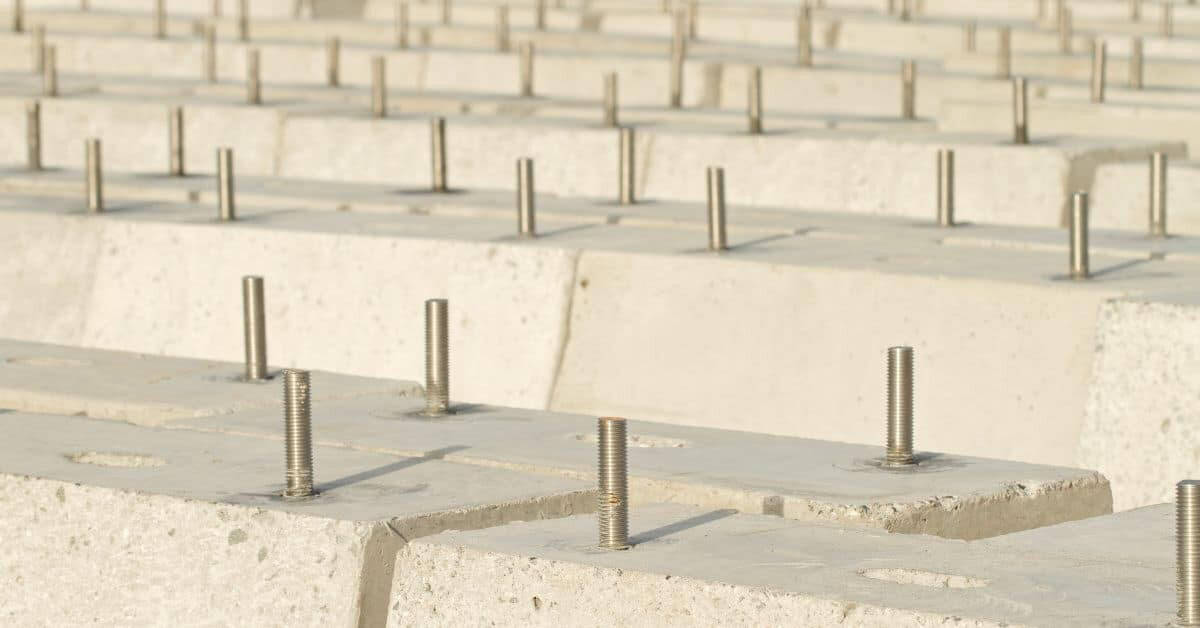
Inspection, Testing, and Visual Checkpoints
The goal is to verify cure quality and identify dirty, wet, or incorrectly cured holes before loading. Use a field checklist to record cleanliness, moisture, and embedment. Document any anomalies for remediation decisions.
Describe visual cues of proper cure, such as uniform color and gloss, and solid surface hardness. Include nondestructive checks and criteria for pull-tests or destructive sampling when needed.
Visual and Tactile Indicators of Success
Before loading anchors, use this checklist to ensure proper cure. Inspect after the recommended cure time (usually 24-72 hours).
- Uniform bead appearance: Check for consistent resin distribution around the anchor.
- No visible unmixed resin: Ensure all components have fully mixed and cured.
- Expected surface hardness: Gently press on the epoxy; it should feel solid, not tacky or soft.
- No voids or cracks: Around anchors, check for any gaps or fractures that could compromise adhesion.
- Consistent embedment depth: Verify all anchors are embedded to the correct depth as per design specs.
- No discoloration: Uniform color indicates proper cure; yellowing or darkening may signal issues.
- No signs of delamination: Check for any separation between epoxy and concrete surface.
- Document findings: Record observations, date, and installer for future reference.
Quick rule: If in doubt, consult with the anchor manufacturer or a structural engineer.
When and How to Test Anchors
Before applying full load, perform these tests to confirm anchor strength. Coordinate with an engineer for specific standards.
- Pull-testing: Apply gradual force (usually 50-100% of design load) to verify adhesion and strength.
- Torque verification: Check installation torque; too low or high may indicate issues.
- Sound test on concrete: Tap around anchors; clear, ringing sound indicates good bond.
- Resistance consistency: Monitor anchor resistance during testing; fluctuations may signal problems.
- Acceptable force values: Compare test results with design specs to ensure anchors meet strength requirements.
- Test intervals: Perform tests at regular intervals (e.g., every 5-10 anchors) and after environmental events.
- Document results: Record test dates, forces applied, and results for future reference.
Quick rule: Always follow applicable standards and consult with an engineer when in doubt.
Maintenance, Re-Inspection Triggers, and Record-Keeping
Regular maintenance helps ensure anchor integrity. Use this checklist to determine when to reinspect and what records to keep.
- After environmental events: Inspect anchors after heavy rain, snow, or temperature changes that could affect adhesion.
- Periodic inspection: Re-examine anchors every 1-3 years, depending on exposure and loading conditions.
- Product batch records: Keep track of resin and hardener batches used for future reference in case of issues.
- Installation conditions: Document temperature, humidity, and other relevant conditions at the time of installation.
- Installer information: Record installer name, contact info, and qualifications for troubleshooting and warranty purposes.
- Remediation history: Keep records of any remediation work done on anchors to monitor their long-term performance.
Quick rule: Regular maintenance and record-keeping help prevent costly repairs and ensure anchor longevity.
Comparative Analysis and Product Selection Criteria
Compare adhesive anchors with mechanical options and between epoxy, polyurethane, and acrylic chemistries. Focus on performance in dirty, wet, and temperature-challenged conditions. Consider substrate and environment when choosing.
Create a practical framework with pros, cons, and clear guidance for dirty or wet holes, moisture tolerance, and temperature resistance. Use supplier documentation to support decisions.
Pros and cons by substrate and environment
Matching the right anchor system to your substrate and environmental conditions is crucial for optimal performance.
Pros
- Epoxy anchors: Excel in high-temperature environments (up to 150°F/66°C) and provide excellent strength in cracked concrete.
- Polyurethane anchors: Ideal for damp or wet conditions due to their moisture tolerance. They also perform well in uncracked concrete.
- Acrylic anchors: Suitable for high-temperature environments (up to 180°F/82°C) and provide good strength in both cracked and uncracked concrete.
Cons
- Epoxy anchors: Can be sensitive to low temperatures during cure, requiring careful monitoring.
- Polyurethane anchors: May have shorter pot life in warm conditions and can be sensitive to surface contaminants.
- Acrylic anchors: Generally have lower strength compared to epoxy and polyurethane systems.
Choose based on your specific substrate condition, expected moisture levels, and cure temperature ranges.
How to choose the right product and accessories
Selecting the right adhesive anchor system involves considering several factors. Substrate condition is key – cracked or uncracked, damp or dry. Expected moisture levels during installation and cure should also be considered.
The temperature during cure plays a significant role in anchor performance. Ensure the chosen system can handle your job site’s temperature ranges. Additionally, consider the type of load – tension or shear – that the anchor will bear.
Availability of installation controls like heaters for cold temperatures and specialized pumps for large-scale projects should also influence your decision. Always refer to the manufacturer’s guidelines for compatibility with your specific application.
Recommended related products and accessories
To ensure a successful installation, consider investing in some helpful tools and accessories. Brushes are essential for surface preparation and applying primer.
Specialized pumps can make large-scale projects more manageable by ensuring consistent anchor mix delivery. For cold temperature installations, consider using heaters to maintain the required cure temperature.
To verify your anchors’ strength post-installation, investing in a pull-test device is recommended. Always confirm compatibility with your chosen adhesive system and follow manufacturer guidelines for proper use.
Safety, Standards, and Regulatory Considerations
Wear appropriate PPE, ensure ventilation, and follow safe handling and storage practices. Keep spill response materials and waste disposal protocols ready on site. Adhere to local requirements and manufacturer guidance for cure conditions.
Use SDS, installation instructions, and code references to confirm compliance. Maintain records of guidelines, certifications, and environmental controls for inspections and audits.
PPE, ventilation, and spill response
Always prioritize safety on your jobsite. Here’s what you need to know about personal protective equipment (PPE), ventilation, and how to handle spills.
PPE: Wear gloves, safety glasses, and a lab coat to protect your skin and eyes from contact with epoxy adhesives. If the product has volatile organic compounds (VOCs), use a respirator in confined spaces.
Ventilation: Ensure proper ventilation during mixing and curing. Open windows or use fans to maintain adequate airflow, preventing the buildup of harmful fumes.
Spill response: In case of a spill, immediately contain it using absorbent materials like rags or cat litter. Refer to the Safety Data Sheet (SDS) for specific cleanup instructions and disposal guidelines.
Storage, shelf life, and batching controls
Proper storage is crucial to maintain the performance of epoxy adhesives. Follow these guidelines for storing, tracking, and using your materials.
Temperature: Store epoxy adhesives in a cool, dry place between 50°F (10°C) and 80°F (27°C). Avoid exposure to extreme temperatures, which can degrade the material’s properties.
Shelf life: Follow the manufacturer’s recommended shelf life. Use a first-in, first-out (FIFO) approach to ensure you’re using the oldest materials first and avoid using aged or compromised products.
Batching controls: Keep track of your batches by labeling containers with the date of opening. This helps monitor the material’s age and ensures you’re using fresh epoxy during installation.
Standards, codes, and engineer coordination
Comply with relevant building codes and standards to ensure your project’s safety and longevity. Consult with a structural engineer when needed.
Building codes: Check local building codes for any specific requirements related to epoxy anchor installations in your area. The International Building Code (IBC) and International Residential Code (IRC) may apply.
Testing standards: Follow relevant testing standards, such as ASTM International’s standards for evaluating the performance of mechanical and adhesive anchors.
Engineer coordination: Consult a structural engineer for critical or borderline conditions. They can provide guidance tailored to your specific project needs and ensure compliance with relevant codes and standards.
Long-Term Maintenance to Prevent Future Problems
Develop a proactive maintenance plan with regular inspections for cracking, corrosion, and dull epoxy sheen. Establish a schedule for re-testing anchor integrity in high-load or dynamic applications. Document findings for trend analysis.
Define early warning signs and a response protocol, including stopping load and reworking if needed. Implement preventive measures and keep detailed records of cure temps, substrate conditions, and inspection dates.
Regular inspection schedule and what to look for
Inspect your epoxy anchors regularly to catch any issues early. Here’s a simple checklist.
- Visual check (1-2 weeks after installation): Look for cracks around anchors, rust on hardware, or moisture intrusion.
- Sound test (every 6 months): Tap anchors with a light hammer. A dull sound may indicate bond failure.
- Tightness check (every year): Try to wiggle anchors. Loose ones need retightening or replacement.
- Moisture intrusion check (every 6 months): Inspect for water stains, mold, or mildew around holes.
- Corrosion check (every year): Check hardware for rust. If found, clean and apply a protective coating.
- Dull epoxy sheen check (every 6 months): A dull sheen may indicate weathering or UV damage.
- Loose fixtures check (every use): Try to move fixtures. If they’re loose, retighten immediately.
- High-load/dynamic applications re-test (every 6 months): Use a pull test tool to ensure anchors are still secure.
Quick rule: Inspect after installation at 1-2 weeks, then every 6-12 months. If you find any issues, address them promptly.
When and how to retighten, reseal, or re-anchor
Retightening, resealing, or replacing anchors depends on the issue found during inspection.
Retightening: If anchors are loose but still secure (no bond failure), retighten to the specified torque. Use a torque wrench for accuracy.
Resealing: If there’s moisture intrusion, reseal joints using a compatible sealant. Apply in a continuous bead around the anchor and fixture.
Re-anchoring: If you find bond failure or substrate breakdown, re-drill, clean, and prepare the hole. Use a compatible epoxy formulation and reinstall the anchor. Always follow manufacturer’s instructions for best results.
Conclusion
On the job, the exact combo of clean, dry holes and the correct cure temperature is non negotiable for safety, durability, and a clean look. If you nail those basics, your epoxy anchors will behave like they should and you’ll avoid costly headaches.
Remember this as a practical checklist: verify the holes are clean and free of debris, check they’re dry or use a moisture tolerance method, select the right product for the substrate and load, mix and apply precisely as the product guide prescribes, keep the environment within the specified cure temperature window, insert and seat anchors without damming or preloading, allow full cure before loading, then inspect and, if needed, perform a controlled test to confirm grip before putting the full load to work.
Common mistakes to avoid are skipping hole cleaning, using damp or dirty holes, and neglecting the cure temperature window; don’t rush through cure times or improvise with substitutes, and always follow the product’s safety data and installation guidelines. Safety first means PPE, ventilation where required, and testing on a small area before committing the whole project. Check every hole and document results to catch problems early.
If the structure is critical, loads are high, or the substrate is uncertain, don’t push ahead alone—call in a professional or seek an engineer’s guidance. With careful steps and proper testing, you can move forward with confidence, protect the build, and finish strong.
FAQ
What are the signs an epoxy anchor has failed?
Look for movement, loosening, or inability to hold the load. You may also see cracks around the anchor or a hollow feel when you push on it. If the concrete surface shows staining or the anchor head spins, stop and recheck.
How do I prevent dirty, wet, or wrong-temperature issues during installation?
Use clean, dry holes and follow the product label for hole cleaning steps. Inspect the hole and environment for moisture and temperature notes on the datasheet. If in doubt, wait for a permissible dry period or choose an epoxy rated for the conditions.
What are my repair or replacement options if an epoxy anchor fails?
If failure is suspected, remove the anchor and inspect the hole. Clean or re-drill as needed and install to manufacturer instructions. If the base material or load requires, replace with a new anchor system that fits the site conditions.
What safety steps should I follow during epoxy anchor installation?
Wear eye protection and gloves. Read the product instructions for mixing, pot life, and cure times. Never install into a dirty, wet, or overheated hole, and discard any material that looks compromised or past its stated use-by guidance.