
Introduction
Efflorescence is a whitish, powdery salt deposit that can appear on stucco after rain. It means moisture carried salts to the surface and dried, leaving a residue. Weather, moisture, and the wall materials all play a role in how it shows up.
To clean it gently, start with a light rinse to remove loose salt before scrubbing. Use a soft brush or sponge with mild, non-acidic cleaners and rinse frequently; avoid power washing close to the surface. Test a small patch first, dry thoroughly, and check the wall or paint manufacturer instructions for any sealant or weatherproofing before applying anything.
Key takeaways
- Efflorescence is salt deposits leaching to stucco surface after moisture.
- Moisture from rain or irrigation drives soluble salts to the exterior.
- Climate and geography influence moisture cycles and salt content in stucco.
- Identify by powdery or crusty deposits, not mold, which requires different care.
- Gentle cleaning uses soft brushes, low pressure water, and mild detergent.
- Safety: wear eye protection, gloves, and avoid power washing on fragile stucco.
Table of Contents
- Introduction
- Key takeaways
- What Is Efflorescence on Stucco?
- Why Efflorescence Often Appears After Rain or Snow
- Environmental and Site Factors That Increase Risk
- How to Identify Efflorescence Vs. Mold, Paint Issues, or Stucco Damage
- Gentle, Safe Methods to Clean Efflorescence from Stucco
- Safety Guidelines and Best Practices for Cleaning
- Preventing Efflorescence: Short- and Long-Term Strategies
- Costs, When to Call a Professional, and Long-Term Maintenance
- Conclusion
- FAQ
What Is Efflorescence on Stucco?
Efflorescence on stucco is a white, powdery or crystalline deposit that rises to the surface as moisture moves through the masonry. It often appears chalky or fuzzy, and can look crusty after rain or in high humidity. This is a surface, cosmetic issue rather than a sign of immediate structural failure, though persistent moisture can indicate leaks or poor drainage.
The science is simple: water dissolves minerals in the stucco or base materials and as it evaporates at the surface, salts precipitate and form the white deposits. Distinguishing it from mold or mildew helps, since efflorescence is powdery and mineral-based, while biological growth is organic and may have odors. After this assessment, plan to check moisture sources, inspect for cracks or flashing problems, and prepare for gentle cleaning and moisture control.
How efflorescence typically looks on stucco
Efflorescence on your stucco exterior usually shows up as a white, powdery film. You might see it in patches or even as fuzzy deposits. It’s often most noticeable near joints, outlets, or cracks.
Keep an eye out for:
- White, chalky stains
- Crystalline patches
- Fuzzy deposits
The science: salts, moisture, and evaporation
Efflorescence happens when water picks up soluble salts from within your stucco or the environment. As this water moves through the masonry and reaches the surface, it starts to evaporate.
Here’s what happens next:
- The water leaves behind the salts it was carrying.
- As more water evaporates, these salts start to recrystallize, forming efflorescence.
Why Efflorescence Often Appears After Rain or Snow
Wet weather drives water into the stucco, carrying dissolved salts toward the surface as it moves through the wall assembly. When the water dries, those salts precipitate as white deposits. Repeated cycles can reappear new efflorescence even after you have cleaned it.
The main salts involved depend on the materials behind the stucco and the cementitious matrix, and their movement is influenced by how the wall breathes. Recurring efflorescence signals ongoing moisture movement or leaks rather than a one-time event. Use gentle diagnostics like moisture readings and surface observations to pinpoint sources and document changes after rain.
Moisture pathways and capillary action in stucco
Stucco is porous. Water can seep in through tiny cracks, gaps, or even permeable layers. This process is called capillary wicking.
Imagine water as a thirsty vine, climbing up the walls of your home. It carries dissolved salts along with it, like a trail of breadcrumbs.
Even if you can’t see any cracks, moisture can still find its way in. That’s why recurring efflorescence often signals ongoing issues, even if they’re not obvious at first glance.
Salt sources during wet seasons
Rain and snow bring more than just water. They carry salts too. Here’s where they come from:
Soil: Salt-loving plants, like certain grasses or trees, can leave behind salt deposits in the soil around your home.
De-icing salts: If you live in a cold climate, these are your winter’s best friend. But they also contain salts that can stick to your stucco and find their way inside.
Splash contamination: Rainwater can splash up from the ground, carrying salt deposits with it. This is more likely if you have plants or other obstacles near your walls.
Environmental and Site Factors That Increase Risk
Humidity, frequent rainfall, dew formation, and warm, moist air all push moisture through stucco and concrete and encourage salt migration. These environmental factors set the stage for efflorescence to appear on exterior surfaces.
Climate patterns such as freeze-thaw cycles, coastal salt spray, inland humidity, and seasonal rain influence risk levels. Site conditions like poor drainage, slope issues, and nearby irrigation can keep surfaces damp. Quick on-site checks help you spot elevated risk: damp patches after rain, white blooms, or damp basements and crawlspaces near the affected wall.
Climate and Microclimate Influences
Efflorescence loves moisture, and your local climate can provide plenty. Prolonged wet seasons, cold cycles, or coastal exposure can make it a frequent visitor on your stucco.
Wet seasons: In areas with long rainy periods, efflorescence is more likely to appear. Keep an eye on the calendar and weather forecasts.
Freeze-thaw cycles: In colder regions, freezing nights followed by sunny days can drive moisture in and out of your stucco, pushing salts to the surface.
Coastal exposure: If you live near the coast, salt spray can settle on your walls. When it mixes with moisture, efflorescence is the result.
Landscaping, Grading, and Exterior Details That Matter
Your home’s exterior design can either fight or fuel efflorescence. Here are some things to check:
Drainage: Water should flow away from your foundation. If it pools instead, you’re inviting moisture and salts into your stucco.
Grading: Soil sloping towards your walls can push moisture right where you don’t want it. Ensure your soil is graded properly to direct water away.
Gutters: Clogged gutters can cause water to overflow and run down your walls, feeding efflorescence.
Sprinklers: Automatic sprinkler systems can spray water onto your walls. If possible, adjust them so they don’t hit the stucco directly.
How to Identify Efflorescence Vs. Mold, Paint Issues, or Stucco Damage
Efflorescence appears as a white, powdery mineral deposit on the surface and is typically detached from the substrate, unlike embedded stains or mold. Mold or mildew is organic, often fuzzy, may have a musty odor, and can show on interior or shaded exterior areas. Paint problems usually involve blistering or peeling with color beneath still intact.
Practical tests include a salt-dissolution wipe to see if the white residue dissolves, and a basic moisture check behind the stain or with a moisture meter. Use a flashlight from the side to assess depth and uniformity of the stain. Signs of deeper moisture problems include reappearing haze after drying and interior dampness. Plan for documentation and, if moisture sources aren’t obvious, consult a professional for evaluation.
Step-by-Step Process
Follow these practical steps to identify efflorescence, mold, paint issues, or stucco damage on your stucco surfaces.
- Prepare and ensure safety: Wear gloves, goggles, and a mask. Have a flashlight, damp cloth, and a moisture meter ready.
- Inspect visually: Look for color, texture, and location of the issue. Efflorescence is typically white or gray, powdery, and appears on the surface.
- Perform salt-dissolution test: Rub the stain with a damp cloth. If it’s efflorescence, the residue should dissolve.
- Check moisture levels: Use your moisture meter to check behind the stain. If it reads high (above 15-17%), there might be a moisture problem.
- Inspect depth and uniformity: Use a flashlight at an angle to see if the issue is embedded or just on the surface. Uniformity can help determine if it’s efflorescence or another issue.
Simple On-Site Tests and Visual Checkpoints
Use this checklist to quickly identify the cause of your stucco issues during a visual inspection.
- Color: White or gray? It’s likely efflorescence. Greenish-black? Could be mold.
- Texture: Powdery and easily wipes off? Probably efflorescence. Fuzzy or slimy? Might be mold.
- Location: On the surface? Could be efflorescence or paint failure. Embedded? Might be stucco damage or mold.
- Pattern: Uniform and widespread? Could be efflorescence. Spotted or patchy? Might be paint failure or mold.
- Odor: Musty smell? It could be mold.
- Moisture behind: Check with a moisture meter. High readings might indicate a moisture problem.
Quick rule: If you’re unsure, perform the salt-dissolution test and check for moisture.
When Efflorescence Signals a More Serious Moisture Problem
Efflorescence that reappears after drying or shows other signs might indicate a more serious moisture problem.
Persistent or recurring deposits: If efflorescence keeps coming back, there’s likely an ongoing moisture issue that needs to be addressed at the source.
Bubbling or crumbling stucco: These could be signs of deeper moisture damage. The stucco might be delaminating from the substrate due to excessive moisture.
Interior dampness or staining: If you’re seeing moisture issues on interior walls, it’s a strong indication that there’s a significant moisture problem behind your stucco. This could be due to leaks, improper flashing, or other issues that need professional attention.
Gentle, Safe Methods to Clean Efflorescence from Stucco
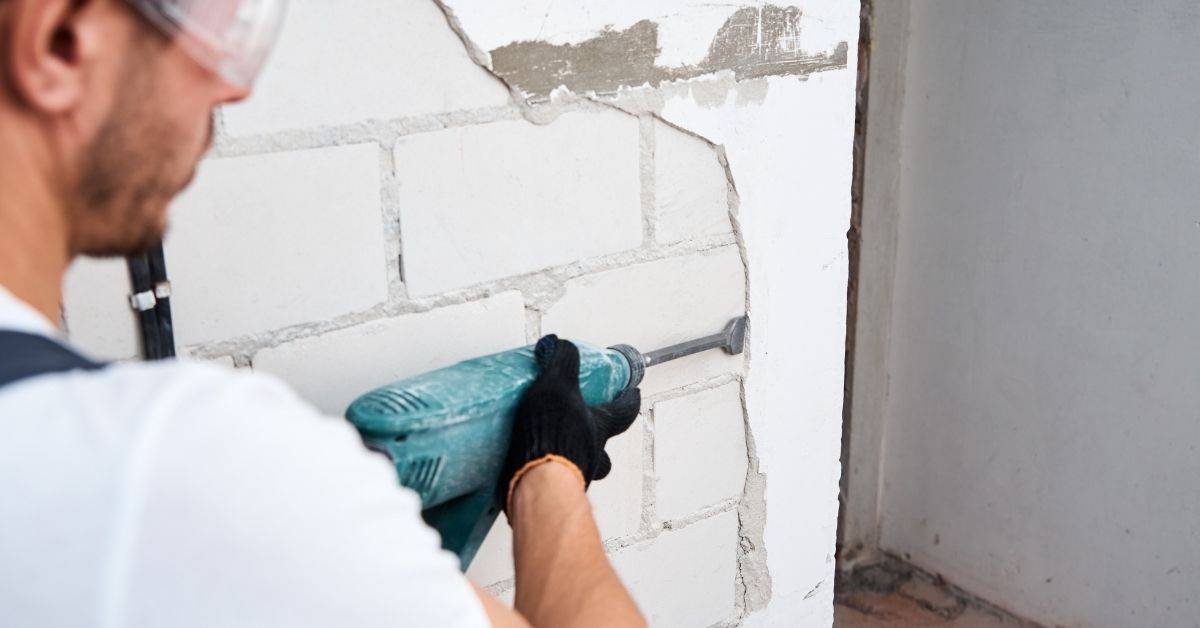
Set cleaning goals to preserve texture and avoid aggressive methods that can drive salts deeper or erode the surface. Start with a light pre-rinse to remove loose dirt and salts, then brush gently with a soft brush to expose affected areas. Avoid harsh chemicals or pressure that can weaken the stucco.
Use a neutral to slightly acidic cleaner and test a small area first. If acceptable, expand cleaning in logical steps across the affected spots. Rinse thoroughly with clean water and let the surface dry completely to minimize re-crystallization. If stains persist, you may need stronger options or professional help, especially when underlying moisture is present.
DIY cleaning steps for light to moderate efflorescence
Start by gently brushing or soft scrubbing the affected area with water. This helps remove loose dirt and salts.
If deposits remain, use a dilute masonry-safe cleaner. Apply it with a soft-bristle brush, working in small sections at a time.
Gently rinse off the cleaner using low-pressure water. Repeat the process if necessary, but avoid scrubbing too hard to preserve stucco texture.
Tools and materials checklist
Before you start cleaning, gather these tools and materials to ensure a gentle and effective job.
- Soft-bristle brush: Essential for scrubbing without damaging the stucco texture. Nylon or soft bristle brushes work best.
- Low-pressure rinse equipment: A garden hose with a nozzle that allows you to control water pressure, or a pressure washer set at low PSI (under 500).
- pH-neutral or masonry-specific mild cleaner: These cleaners are safe for stucco and won’t damage its texture. Dilute according to the manufacturer’s instructions.
- Protective tarps: To cover nearby plants, landscaping, or other areas you don’t want cleaned.
- Test patch supplies: A small amount of cleaner, a brush, and tape to mark off a test area.
Quick rule: Always test cleaners on a small, inconspicuous area first to check for fading, color change, or texture impact.
Safety Guidelines and Best Practices for Cleaning
Wear eye protection, gloves, long sleeves, and sturdy footwear, and consider a respirator if you use cleaners. Be mindful of wind direction and keep children or pets away during cleaning.
Protect nearby plants and hardscape with plastic or drop cloths and manage runoff to avoid staining. Start with milder cleaners, dilute properly, and patch test on a small area before broader use. Avoid high-pressure washes that can damage texture and never mix cleaners that could create dangerous fumes.
Personal protective equipment and handling cleaners
Safety first. Here’s what you need to protect yourself when cleaning efflorescence from your stucco.
- Gloves: Protect your hands from harsh chemicals. Choose rubber or nitrile gloves, around $5-$10 a pair.
- Eye protection: Goggles or safety glasses keep debris and splashes out of your eyes. Expect to pay $10-$20.
- Respirator: If using chemical cleaners, protect your lungs with a respirator. A basic one costs around $25-$50.
- Long sleeves and footwear: Cover up to prevent skin irritation and protect feet from falling debris.
- Read labels: Always read cleaner labels before use. Follow dilution instructions carefully.
Protecting stucco, fixtures, and plants
Prevent damage to your stucco and surroundings with these simple precautions.
Cover nearby landscaping: Use plastic sheets or drop cloths to protect plants, grass, and soil from cleaner spills and rinse water. A roll of plastic sheeting costs around $10-$20.
Avoid high-pressure washing: High pressure can damage stucco. Stick to gentle scrubbing with a soft-bristle brush and low-pressure rinsing.
Test cleaners first: Always perform a patch test on an inconspicuous area before broad application. This helps ensure the cleaner won’t discolor or damage your stucco.
Preventing Efflorescence: Short- and Long-Term Strategies
Differentiate between quick moisture management tactics and longer-term structural solutions. Immediate steps can reduce surface moisture, while longer-term work addresses the source of water and salt migration.
Identify primary salt and moisture sources and take action to limit ingress. This includes addressing drainage, proper flashing, and surface sealing decisions, plus maintenance routines to minimize exposure and salt buildup. For new projects, plan for drainage design, breathable but water-resistant coatings, and appropriate stucco mix and detailing to reduce water intrusion.
Immediate maintenance fixes homeowners can do
Efflorescence on stucco is a sign that moisture is getting in. Here are some quick fixes to reduce its contact:
Check and clean gutters. Clogged gutters cause water to back up and overflow, wetting your walls.
Extend downspouts. If they’re too short, water will pool near your foundation and seep into your walls.
Regrade soil. Soil should slope away from your house. If it’s flat or slopes towards the walls, rainwater will sit against them and soak in.
Repair cracks. Even small cracks can let water in. Seal them with a flexible sealant designed for masonry.
Adjust irrigation. Sprinklers should water your lawn, not your walls. Make sure they’re aimed correctly and not overshooting.
Long-term and construction-level preventative measures
To really stop efflorescence, you need to keep moisture out long-term. Here’s how:
Proper flashing. Flashing is the metal strips that go around windows, doors, and where walls meet roofs. They direct water away from these vulnerable areas.
Drainage planes. These are sheets of material installed behind your stucco to let any water that gets in drain out. They’re crucial for preventing moisture buildup.
Vapor-permeable sealers. These let water vapor escape but keep liquid water out. Apply them to your stucco after it’s cured.
Material selection. Choose a stucco mix with the right water-to-cement ratio. Too much water can leave salts behind that will later come to the surface as efflorescence.
Professional retrofits. If your home is already showing signs of moisture problems, consider hiring a professional to install drainage systems or other solutions.
Costs, When to Call a Professional, and Long-Term Maintenance
Costs depend on how extensive the efflorescence is, what surface prep is needed, and the history of moisture behind the wall. Distinguish between cleaning, remediation, sealing, and any major repairs when budgeting.
DIY is reasonable for gentle cleaning and simple sealing, but professionals are needed for structural concerns, extensive efflorescence, or hidden moisture issues. Get multiple quotes and check credentials, scope of work, warranties, and timelines before hiring. Establish a long-term monitoring plan with seasonal checks and documented maintenance to prevent recurrence.
What influences cost and when to hire pros
The cost of dealing with efflorescence on your stucco depends on several factors. First, the size of the affected area and the severity of the stain play a big role. Expect to pay more if you need extensive cleaning or remediation.
Accessibility is another factor. If the efflorescence is high up or in hard-to-reach places, it’ll cost more to clean safely. Repairs needed, like patching or re-stuccoing, will also add to the bill.
If moisture is recurring or causing structural damage, you might need a professional to find and fix the source. This could involve waterproofing, grading, or other major work.
Rule of thumb: If efflorescence keeps coming back or you suspect hidden mold or moisture, it’s time to call a pro. They can assess the damage, address the root cause, and prevent future issues.
Common mistakes to avoid and maintenance schedule
To keep your stucco in top shape and prevent efflorescence, steer clear of these common mistakes.
- Avoid high-pressure washing: It can damage the stucco surface and force water into tiny cracks, causing more harm than good.
- Don’t use harsh acids without testing: Some cleaners can damage stucco or cause discoloration. Always test on a small area first.
- Ignore root moisture causes: If you don’t address the source of the moisture, efflorescence will keep coming back.
- Neglect regular inspections: Regular checks help catch issues early when they’re cheaper and easier to fix.
To maintain your stucco, follow this simple schedule:
– Inspect your stucco annually for any signs of moisture or damage.
– Check grading and drainage around your home seasonally.
– Reapply sealants or repellents every 2-5 years, depending on climate and wear.
– Document any repairs or maintenance work for future reference.
Conclusion
Efflorescence on stucco is a water-related sign, not a death sentence for the wall. Stay focused on safety and a gentle clean, and you protect the glaze, the paint, and the underlying structure from costly damage.
Safety first and test a small area before any full-clean approach. Check for moisture and any cracking or damage, wipe or mist a hidden patch, and proceed only if the test spot shows no color change or damage. Then follow a calm sequence: gently rinse with clean water, apply a mild, non-alkaline cleaner if needed, rinse again, inspect for remaining deposits, and keep the surface dry to prevent a repeat cycle. If the look or feel changes, pause and reassess, and seal or repaint only after the wall is dry and stable.
Common mistakes to avoid are using harsh acids or power washing that can degrade the stucco, skipping a moisture check, and rushing to a full-clean without allowing time for drying. Always keep cleaning tools at low pressure, work in small sections, and wear eye protection and gloves. To prevent future buildup, address drainage, run-off, and roofline gaps, and plan long-term maintenance to keep the surface dry and protected.
If you see cracks, loose stucco, persistent staining after repeated gentle cleaning, or the deposits return quickly after drying, call a professional. When you’re dealing with unknown moisture, structural concerns, or painting over issues instead of fixing the source, get an expert involved. Stay practical, stay patient, and you’ll keep the stucco clean, solid, and long-lasting.
FAQ
What exactly is efflorescence on stucco?
Efflorescence is a white, powdery stain that appears on stucco surfaces. It comes from water dissolving mineral salts inside the stucco or backing and leaving them on the surface as it evaporates.
How do weather and moisture contribute to efflorescence?
Moisture moves through the stucco and carries salts with it. When the water evaporates at the surface, salts are left behind as a white bloom.
How do climate and geography affect this problem?
Areas with frequent rain, high humidity, or splash from heavy irrigation tend to see more efflorescence. Coastal or moist climates can aggravate the issue, especially if drainage or flashing is poor.
What are safe, practical steps to clean efflorescence from stucco?
Brush away loose salts gently or rinse with clean water and a soft brush. Avoid harsh cleaners or high-pressure washing that can damage the stucco; always check manufacturer instructions first.
How can I prevent efflorescence from coming back?
Fix any moisture issues behind the wall and improve drainage. Use proper flashing and sealants where needed, and consider re-coating only after the surface is completely dry. Always follow local guidelines and product labels for long-term care.