
Introduction
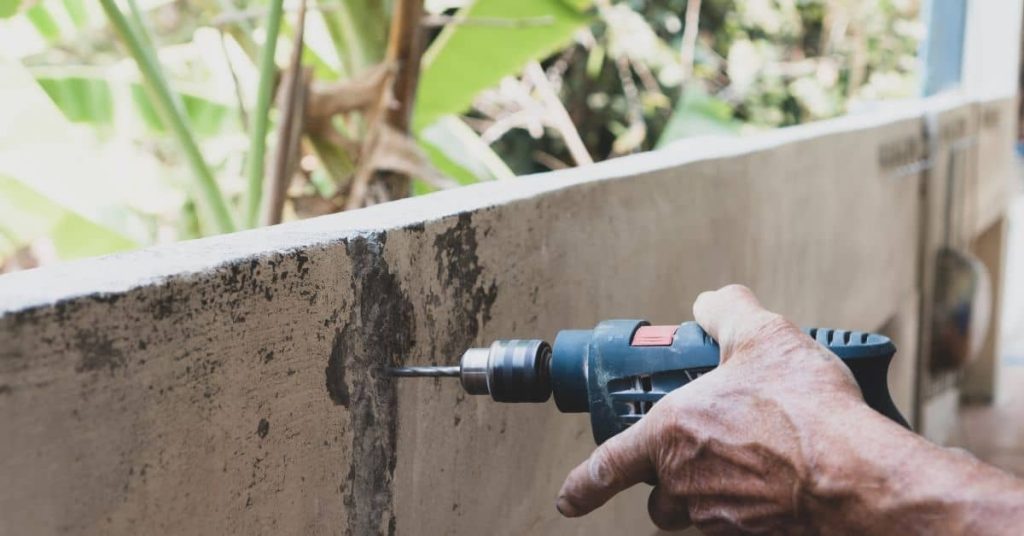
Drilling into masonry means using a hammer drill with an appropriate SDS bit to bore into brick, concrete, or stone. This article gives a practical overview of choosing settings, bit types, and how to keep the drill from wandering. It sticks to plain language and hands‑on tips for real work on the job site.
To start, verify the correct SDS setting for your material and bit, and follow the manufacturer’s guidance on hammer action and speed. Choose the right bit type for the material and confirm shank compatibility and whether it is designed for hammer drilling. To stop wandering, start with a pilot mark, keep the drill perpendicular, and apply steady, controlled pressure and speed, adjusting as the tool responds.
Key takeaways
- Understand the SDS setting for masonry drilling before starting any core task.
- Carbide-tipped masonry bits suit concrete; steel-core bits suit brick.
- Start with a sharp bit and a light pilot guide to prevent wandering.
- Maintain steady speed and controlled pressure; let the bit do the work.
- Use SDS settings, proper anchors, and PPE; secure worksite to reduce hazards.
- If wandering occurs, pause, back off, realign, and start with a fresh entry.
Table of Contents
- Introduction
- Key takeaways
- Quick Project Planning and Checklist
- Identify the Masonry You’re Drilling
- Key Specs and Numbers That Matter (Without a Datasheet)
- Masonry Bit Types and Selection Guide
- How to Stop Wandering (Bit Walking) and Get a Straight Start
- Drilling Technique: Speed, Pressure, and Staging
- Safety, PPE, and Site Protection
- Common Mistakes, Troubleshooting, and Cost/Value Decisions
- Conclusion
- FAQ
Quick Project Planning and Checklist
Start by defining the hole’s purpose, including load criteria, exact diameter, depth, and required clearance for anchors or sleeves. Consider the anchor type and compatibility with masonry, sleeve anchors, toggles, or adhesives, as well as the substrate and hole size. Assess access and work constraints such as wall thickness, obstruction clearance, vibration impact, and whether overhead or tight spaces require special hardware.
Gather and verify tools and materials, including SDS drill bit types (carbide vs. masonry), correct hammer drill vs. rotary hammer, bit length, dust control, PPE, and anchor installation hardware. Plan drill settings and hole preparation, noting drill speed, impact on masonry, lubrication or pecking technique to avoid wander, and post-drill cleaning before anchor insertion. Create a safety and workflow checklist covering shut-off utilities, cord management, dust containment, and a step-by-step sequence from mark to cure time.
Tools and materials checklist
Gather the right tools and materials before starting your masonry drilling project to ensure safety and efficiency.
- SDS drill: A rotary hammer or hammer drill with SDS capability is essential for masonry work. Ensure it’s in good working condition and compatible with SDS bits.
- SDS bits: Carbide-tipped bits are ideal for hard masonry like concrete, while standard masonry bits are suitable for softer materials. Verify bit length matches the required hole depth.
- Dust control system: A vacuum or wet dust extraction system is crucial to minimize dust and maintain a clean workspace. Ensure your drill is compatible with the chosen system.
- Anchors: Masonry-rated anchors, sleeve anchors, toggles, or adhesives – select based on load requirements, substrate conditions, and hole size. Check anchor packaging for compatibility and required hole dimensions.
- PPE (Personal Protective Equipment): Safety glasses, work gloves, ear protection, and a dust mask are essential to protect against debris, noise, and dust.
- Spare consumables: Extra bits, anchor hardware, and drill accessories can prevent delays in case of breakage or loss. Consider renting or borrowing tools if the project is small or infrequent.
Match fastener and hole to the application
Before drilling, ensure you’ve selected the right anchor style and required hole dimensions for your specific application.
- Load criteria: Check the load requirements of your project. Heavy loads may necessitate larger anchors or multiple anchors.
- Substrate conditions: Evaluate the masonry surface. Harder materials like concrete may require carbide-tipped bits and deeper holes.
- Hole diameter: Match the hole diameter to the anchor’s specified size. Drilling too small can weaken the anchor, while drilling too large reduces holding strength.
- Hole depth: Ensure the hole is deep enough for the anchor’s embedment length. Insufficient depth can compromise anchor performance.
- Anchor type: Choose between masonry-rated anchors, sleeve anchors, toggles, or adhesives based on your project’s needs and substrate conditions.
- Anchor packaging: Consult the anchor packaging for specific installation instructions, required hole dimensions, and load capacities.
- Manufacturer guidance: Always follow manufacturer guidelines for optimal performance and safety. Contact the manufacturer if unsure about any aspect of the installation process.
Quick rule: Always consult anchor packaging and manufacturer guidance to ensure correct hole dimensions, anchor type, and installation procedures.
Identify the Masonry You’re Drilling
Identify the masonry before drilling to choose the correct technique, drill bit, and SDS settings. Look for red or orange clay brick with visible mortar joints, solid coarse concrete, hollow-core blocks, natural stone with varied grain, and the color or binding of mortar to guide the choice.
Why it matters: misidentifying masonry can damage the substrate or the drill bit and lead to improper SDS settings. A quick check, like tapping to listen for resonance and noting joint patterns or hollowness in blocks, helps confirm the type and avoids surprises during work. An experienced installer relies on surface texture, joint patterns, and simple tests to identify the masonry and plan the correct approach.
Visual and Simple Tests to Identify Material
Identifying the masonry type you’re drilling into is crucial for selecting the right technique, bit, and SDS settings. Here are some non-destructive clues and light tests to help you:
- Brick (Clay): Red or orange color with visible mortar joints. Feels solid but not as hard as concrete. Use appropriate clay brick drill bits.
- Concrete: Solid, coarse aggregate with uniform color. Feels very hard and dense. Use concrete drill bits and medium SDS settings (6-8).
- Concrete Block: Hollow cores or cellular blocks. Sounds hollow when tapped. Use core drilling or SDS bits for larger holes.
- Natural Stone: Varied grain and texture, often with visible mineral deposits. Feels very hard but may have softer spots. Use diamond drill bits or specialist stone drills.
- Mortar: Soft, crumbly material binding masonry together. Easily scratched or chipped. Avoid drilling into mortar alone; use appropriate bit for surrounding material.
Selecting Appropriate Drill Bits and Methods
Choose the right method based on hole size and material type:
- Handheld Masonry Bits: Ideal for small holes (up to 12mm) in dense materials like brick or concrete. Use suitable torque settings to prevent bit breakage.
- SDS Bits: Suitable for medium-sized holes (13-50mm) or tougher substrates. SDS bits drill faster and reduce user effort, but require a SDS-plus or SDS-max drill.
- Core Drilling: Used for larger holes or when removing entire sections of masonry. Requires specialist core drilling equipment and expertise.
Key Specs and Numbers That Matter (Without a Datasheet)
Clarify drill modes by differentiating hammer versus rotary drilling, what each mode accomplishes, and how to switch safely. Include quick checks to prevent wandering or overdriving, such as verifying the mode lever and that the impact hammer is engaged. Ensure you know the basic differences and safe transitions between settings.
Explain SDS shank compatibility, including what SDS, SDS-plus, and SDS-max mean, how to verify fit with bits and chucks, and the risks of using incompatible bits. Describe clutch and torque behavior and how these affect rotational force during masonry work, plus how to recognize stalling or bit wear. Keep in mind practical numeric specs to track, such as practical ranges for impact rate, no-load RPM, and drilling depth, and always consult the tool manual for exact values. Include a concise pre-drill checklist to minimize wander, such as test holes, pilot holes, and steady pressure.
Choosing hammer mode, rotary-only, or percussion off
When drilling into masonry, understanding your drill’s modes is crucial to prevent damage and wandering. Your drill likely has three modes:
- Hammer action: Use this for hard masonry and concrete. It delivers powerful impacts along with rotation.
- Rotary-only: This mode spins the bit but doesn’t deliver impacts. Ideal for delicate materials like tiles or when setting anchors near edges.
- Percussion off: This is essentially rotary-only mode, ensuring no impact hammer action occurs.
Before drilling, ensure you’re in the correct mode:
- For hard masonry or concrete, engage hammer action.
- For delicate materials, setting anchors near edges, or using sensitive bits, disable hammer action and use rotary-only mode.
Using clutch, torque, and speed controls safely
Proper use of clutch, torque, and speed settings is essential to prevent tool damage, bit breakage, and excessive material removal.
Start with low torque and speed, then gradually increase as needed:
- For thin materials or small bits, set lower torque to prevent bit breakage. Consult your tool manual for recommended speeds.
- For dense cores or large holes, increase torque for better grip and penetration. Again, refer to your manual for suitable speeds.
If your tool stalls or the bit wears quickly, adjust clutch/torque settings or consult your manual:
- Stalling may indicate too high a torque setting for the material or bit size.
- Quick bit wear could suggest too low a torque setting, causing the bit to slip and overheat.
Masonry Bit Types and Selection Guide
Common masonry bit families include carbide-tipped SDS, SDS-max, masonry twist, and diamond core, each with distinct suitability for hole size, material hardness, and drilling context. Carbide-tipped SDS bits are typically fast in soft brick and small-diameter holes, making them a budget-friendly choice for quick penetrations. SDS-max bits are designed for heavier hammer drills and dense concrete or larger holes, while masonry twist bits cover mid-range tasks in brick or block, and diamond core bits excel in core drilling for larger diameters or long runs—use each according to the job and tool compatibility; check the label or datasheet for shank type and RPM/impact settings.
A practical rule is to align bit selection with wall material, hole diameter, required depth, and whether percussion or continuous rotation is preferred, then verify tool compatibility before starting. Careful setup matters: ensure the bit seating is solid, center-punch or pilot the start, control dust, apply minimal lubrication if recommended, and beware wandering; if the bit wanders, stop, clean the hole, and restart with a starting point.
Masonry Bit Shank Sizes and Compatibility
When choosing masonry bits for your hammer drill, ensure the bit’s shank size matches your drill’s chuck to prevent damage or breakage.
SDS-plus bits feature a 10mm shank, suitable for standard hole sizes up to 20mm and normal workloads. They fit securely in drills with an SDS-plus chuck.
SDS-max bits have an 18mm shank, ideal for larger holes (over 25mm) or heavy-duty work. They require a drill with an SDS-max chuck.
Bit Types for Masonry Drilling: Carbide vs Diamond
Selecting the appropriate bit type for your masonry drilling task can influence performance, durability, and total cost.
Carbide-tipped bits are more affordable but have a shorter lifespan. They excel in small to medium hole sizes (up to 50mm), standard masonry materials, and limited hole counts.
Diamond core bits, although pricier initially, offer longer service life and faster drilling through challenging materials. They are suitable for large hole sizes (over 50mm), dense or difficult materials, or extensive drilling operations.
How to Stop Wandering (Bit Walking) and Get a Straight Start
Identify common causes of bit walk, such as a slippery surface, a dull bit, or an inaccurate starting point, and outline practical mitigations before drilling. Establish a reliable starting point using a center punch or masonry nail, and mark the exact hole location with tape or a punch mark. Prepare the right drill setup with a carbide-tipped masonry bit or SDS bit, and set the drill to a steady speed with a light, low-pressure approach to prevent wandering.
Apply a pilot hole strategy by drilling a shallow pilot hole at a true center, then switching to the full-depth bit; consider starting with a smaller diameter bit if the hole size is large. Fix the drill bit and work surface by securing the workpiece, using masking tape to protect surfaces, and maintaining constant contact between bit and masonry while avoiding lateral pressure. Use short, controlled bursts and periodically pull back to clear dust. When appropriate, use a drill guide or jig for consistency, and verify SDS settings and safety checks to support straight starts.
Step-by-Step Process
The following steps outline a practical approach to prevent bit walking and ensure accurate hole placement.
- Preparation: Check the work area for stability, safety, and secure the workpiece. Verify tool condition, bit type, and SDS settings.
- Marking: Use a center punch or masonry nail to create an indentation at the exact hole location. Mark with tape or a punch mark if needed.
- Initial Drilling: Start with a light, low-pressure approach using a carbide-tipped masonry bit or SDS bit set at a steady speed.
- Pilot Hole Strategy (for large/deep holes): Drill a shallow pilot hole at the true center, then switch to the full-depth bit. Consider starting with a smaller diameter bit if necessary.
- Drilling: Use short, controlled bursts, periodically pull back to clear dust, and maintain perpendicular alignment. If using a drill guide or jig, ensure it’s properly fitted and secure.
- Finishing Up: Once done, clean up the work area, inspect the hole for accuracy, and touch up any surface damage if needed.
Creating a Flat Starting Point and Center Marks
Providing a stable initial contact for the drill bit is crucial to prevent wandering. Here’s how:
Center Marks: Use a sharp, clean center punch or masonry nail to create an indentation at the exact hole location. This gives the drill bit a clear starting point.
Flat Starting Point: To ensure the bit starts level and doesn’t wander, you can use masking tape to prevent marring, or place a sacrificial wood block on the work surface. This provides a flat, stable initial contact for the drill bit.
If marks are inaccurate or unclear, re-mark using a different method to ensure precise hole placement.
Using Guides, Jigs, and Pilot Bits for Repeatable Accuracy
Maintaining bit alignment throughout drilling is key to consistent results. Here’s how:
Pilot Bits/Holes: For larger holes, start with a smaller pilot bit or drill a small pilot hole first. This helps keep the larger bit tracking correctly.
Drill Guides/Collars: Use a drill guide or collar to maintain bit alignment and prevent wandering. Ensure it’s properly fitted and secure before use.
Jigs: For drilling multiple identical holes, use a jig designed for the task. This ensures consistency in hole placement and angle.
If bit wandering occurs, stop drilling, assess the cause (e.g., incorrect pilot hole size), and address it before continuing to maintain accuracy.
Drilling Technique: Speed, Pressure, and Staging
Drilling with steady, controlled pressure and minimal bit wobble is the core goal, with the tool set for SDS hammer action and rotation so the bit does the work. Start with shallow pilot holes and stage deeper holes, using each hole to guide the next for accuracy and reduced wandering. Keep your work perpendicular and avoid aggressive pushing to prevent wandering.
Staging helps maintain accuracy and reduces dust-packed debris, while regular pauses let you clear dust and inspect the bit for glazing or wear. A simple on-site check is to look for wobble or deviation, and an experienced installer will verify perpendicular alignment before starting. If the bit starts wandering off course, stop, realign, and resume with steady pressure; if the bit glazes or overheats, withdraw to cool and inspect before continuing.
Peck Drilling, Clearing Dust, and Cooling Strategies
To prevent bit overheating and clogging with dust, employ the peck drilling technique. Drill a short distance, then withdraw the bit to clear debris.
Use a vacuum or compressed air to remove dust from the hole. If your drill has a built-in dust extraction system, ensure it’s connected and functioning properly.
Rest the tool briefly between pecks to allow it to cool. This is especially important when drilling into hard masonry or using high-speed tools.
For wet drilling applications, use a masonry drill bit designed for this purpose and apply water regularly during drilling.
Drilling Near Edges, Joints, and Detecting Embedded Metal
To minimize cracking, initiate drilling at least 2-3 inches away from edges or joints. If closer proximity is unavoidable, reinforce the substrate with a piece of wood to distribute stress evenly.
Prior to drilling, employ a metal detector or magnet to inspect for embedded metal such as rebar or nails. This practice safeguards your bit and ensures safety when installing anchors or inserts.
In case of suspected metal presence, clearly mark the area and contemplate consulting with a professional before continuing.
Ensure appropriate safety gear, including safety glasses and gloves, is worn while drilling into masonry.
Safety, PPE, and Site Protection
Identify and specify PPE requirements for masonry drilling, including safety glasses or a face shield, hearing protection, a dust mask or respirator suitable for silica, gloves, and a hard hat if overhead work is possible. Confirm proper fit and readiness before work starts. Define a dust control strategy using a vacuum-based system or wet-cutting where feasible, and implement local exhaust at the drill site with barriers to minimize airborne particles.
Secure the work area with barriers or warning signs, control access to bystanders, manage cords and trip hazards, and lay down drop cloths to protect surfaces. Handle electrical and tool safety by inspecting drills and guards, ensuring cords are in good condition and outlets are grounded, and verifying drill speed ranges for masonry bits. Have a ready fire extinguisher for potential sparks, and address health guidance and compliance, including silica exposure considerations and disposal plans in line with local regulations.
Silica Dust Controls and Respirator Guidance
Drilling into masonry generates silica dust, which is harmful if inhaled. Control dust exposure with the following methods:
Dust Capture: Use a vacuum-based dust collection system equipped with a HEPA filter or employ wet-cutting techniques where feasible to minimize airborne particles.
Respirator Use: Wear a P2 or P3 respirator, suitable for silica dust, as per local regulations. Ensure the respirator fits properly and is in good condition before starting work.
Electrical, Structural, and Fall Protection Checks
Before drilling, ensure your safety by checking the following:
Electrical Safety: Inspect drills, bits, and guards. Ensure cords are in good condition and outlets are grounded to prevent electrical hazards.
Structural Integrity: Avoid drilling into structural elements without proper approval or knowledge of their composition. Consult with a structural engineer if unsure.
Fall Protection: When working at heights, use ladders or scaffolding safely and securely. Wear a hard hat to protect against falling objects.
Common Mistakes, Troubleshooting, and Cost/Value Decisions
Summarize frequent errors such as misselecting bit type, using the wrong SDS setting, wandering drills, and inadequate pilot holes; outline quick fixes for each. Provide a step-by-step troubleshooting flow that includes verifying substrate, confirming SDS setting and hammer mode, checking bit condition and shank compatibility, practicing with a centered pilot hole, and reassessing speed and pressure. Discuss wear indicators and when to replace rather than reuse standard mason bits or specialty SDS bits.
Offer technique tweaks to stop wandering, including starting with a shallow initial pilot, using a brad-point or centering bit, and employing a guide or template; address overheating and chatter with proper cooling and pauses. Present a cost/value decision framework for evaluating cheap consumables versus premium bits, considering drill type, project scale, and whether hiring a pro saves time or reduces risk. Include quick decision trees that trigger professional help for structural anchors, large-diameter holes, or unknown substrates, and suggest documenting choices for future projects.
Diagnosing Slow Cutting, Overheating, and Broken Bits
If you’re experiencing slow cutting, bit breakage, or excessive heat while drilling into masonry, follow these steps to diagnose and fix the issue:
Inspect Bit Wear: Check your drill bit for signs of wear. If the tip is chipped, dull, or worn down, it’s time for a replacement.
Reduce Speed/Pressure: Lower your drill speed and pressure to prevent overheating and excessive force on the bit. Refer to your drill’s manual for recommended settings.
Clear dust and debris regularly to maintain efficient drilling. Cool the bit periodically by pausing work, especially if it becomes hot to touch. If issues persist after these adjustments, re-evaluate your technique, substrate type, and SDS settings.
Buying vs Renting vs Hiring a Specialist
When deciding whether to buy, rent, or hire for your masonry drilling needs, consider the scope of your project:
Small One-Off Jobs: If you’re working on a limited budget and infrequent basis, buying budget bits or renting a drill may be cost-effective. Ensure you choose quality tools to prevent damage and ensure safety.
Frequent or Critical Work: For regular projects or those with high stakes, investing in premium bits and/or hiring a specialist can save time, reduce risk, and deliver better results. Premium bits often have longer lifespans and superior performance.
Document your choices for future reference, and reassess as your project evolves to ensure you’re using the most appropriate tools and services.
Conclusion
A careful approach to drilling into masonry protects your wall, preserves appearance, and keeps the project durable. Start with the right bit, verify the masonry type, and set the drill in a controlled way so you get a clean start and stable holes without wandering.
Check the plan in plain terms: confirm the masonry type and required depth, select the appropriate bit and SDS settings, test your setup on a scrap area or a modest test hole, line up perpendicular to the surface, start slowly with a light bite to establish a straight path, then steady your pressure as you drill, pause to clear dust, and use a guide or helper to maintain accuracy. Keep the drill steady and perpendicular, and stop to recheck alignment if the bit wanders or the drill binds.
Common mistakes to avoid are pushing too hard, using the wrong bit or speed, skipping testing or markings, and neglecting a proper safety setup. Always wear PPE, keep the work area protected, and double-check anchors or fasteners after the hole is drilled. If you encounter unknown conditions, like hitting rebar, uncertain masonry type, or a structural element, pause and call a professional rather than forcing the work.
If it makes sense for your project, consider a professional when multiple holes are required, when precision is critical for load or anchorage, or if the masonry condition is unclear. With careful planning, the right bit, and steady technique, you can complete a straight, clean hole that performs as intended and reduces the risk of damage. Stay methodical, stay safe, and proceed with confidence.
FAQ
What SDS setting should I use for masonry drilling?
Use the hammer drilling mode on your drill if you are using an SDS bit designed for hammer action. Follow the drill manufacturer’s instructions for the correct mode and bit compatibility. If in doubt, check the label or product manual before starting.
What types of bits work best for different masonry materials?
Carbide-tipped masonry bits are common for concrete and brick. For SDS drills, use SDS-plus or SDS-max bits that match your drill’s specifications. For ceramic tile, use a tile-appropriate bit or a masonry bit with a carbide tip, as recommended by the tool or bit manufacturer.
How can I prevent drill bit wandering (walking) when starting a hole?
Start with a center punch or pilot mark in the spot. Use a slow initial speed, light steady pressure, and keep the drill perpendicular to the surface. Consider a drill guide or clamps to help maintain alignment during the first moments of drilling.
What is the proper drilling speed and pressure for masonry?
Use the speed recommended for the bit and drill in the manufacturer’s instructions. Apply steady, moderate pressure without forcing the bit, and allow the bit to cut. Periodically withdraw the bit to clear dust and cool the bit if needed.
How should I maintain drill equipment and stay safe during masonry drilling?
Inspect bits for wear before use and replace worn tips. Check the chuck, cord, battery, and cooling as required by the manufacturer. Wear appropriate PPE, control dust with a vacuum or dust collection, and secure the workpiece to prevent movement. If anything is unclear, refer to the manufacturer instructions or local guidelines for maintenance and safety.