
Introduction
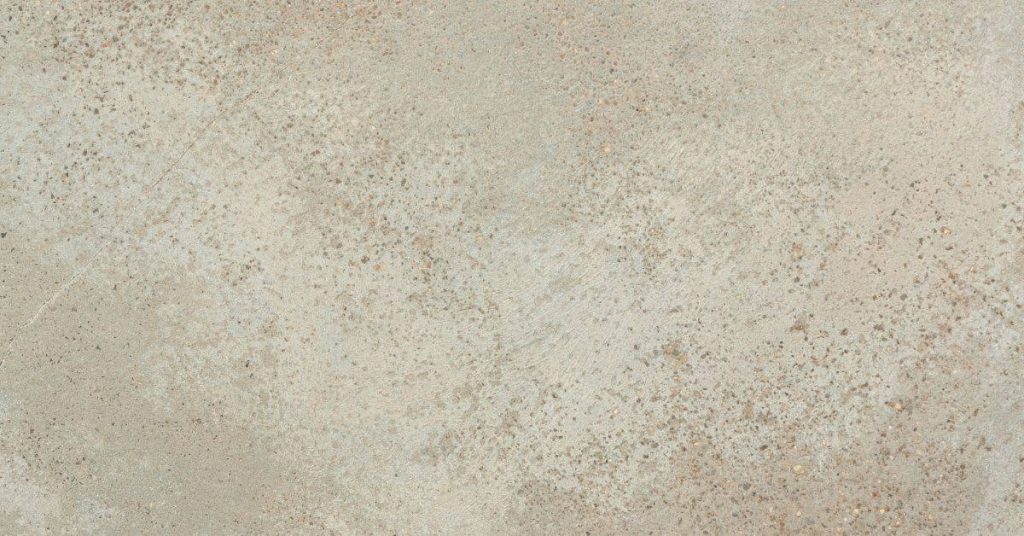
DIY Sand-Finish concrete is a surface texture created by applying a fine sand mix to the top to achieve a smooth, speckled look. It’s a hands-on technique that can hide light trowel marks and give the surface a gentle, gritty feel. It’s meant to be practical for a DIY project, not a showroom finish.
To do it well, keep a consistent motion with your trowel and work in small sections so the texture stays even. Check the product label and manufacturer instructions for sand size, mix consistency, and curing guidance, and follow local rules. Start with a small patch to see how the texture develops before tackling the whole area.
Key takeaways
- Inspect substrate for alkalinity and laitance before starting sand-finish concrete work.
- Use proper edging, floats, and controlled troweling to avoid creating weak surface paste.
- Wear eye protection, gloves, and respirator when mixing or finishing.
- Keep moisture and bleed under control during finishing; avoid overwork.
- Test a small area first and compare texture to ensure fine finish without paste.
- Cure under proper conditions and protect from rapid drying and wind.
- Seal after curing with compatible products and follow manufacturer guidance.
Table of Contents
- Introduction
- Key takeaways
- What Is Sand-Finish Concrete and the Surface-Paste Problem
- Tools and Materials Checklist
- Material Selection and Mix Design Basics (Avoiding Exact Specs)
- Substrate Prep, Batching, and Placement Workflow
- Finishing Techniques to Get a Fine Texture Without Weakening the Surface
- Curing and Protecting the Sand-Finish Surface
- Testing, Inspection, and Troubleshooting Weak Surface Paste
- Surface Treatments, Sealing, and Long-Term Maintenance
- Conclusion
- FAQ
What Is Sand-Finish Concrete and the Surface-Paste Problem
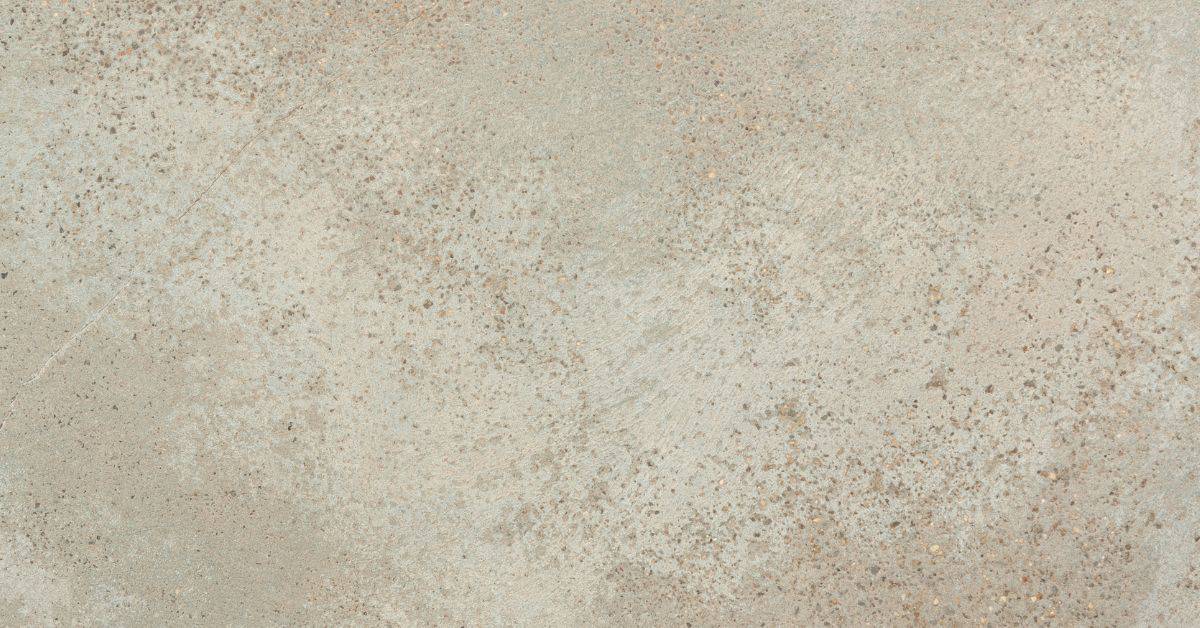
Sand-finish concrete is finished to reveal fine sand texture on the surface, giving a smooth yet tactile finish suitable for interior floors or exterior slabs. It relies on a balanced paste to hold the aggregate without creating a slick layer. You’ll want the texture to show the sand without dusting or flaking over time.
Surface paste refers to the binding layer on top of the aggregate. If the paste is too weak, dusting, spalling, or a soft, chalky feel can occur. Understanding the problem helps you plan for a durable surface that still reads as fine-textured.
Distinguishing texture from paste
The key to a good sand-finish concrete is the balance between aggregate texture and surface paste. The texture comes from the fine, clean sand and small aggregates in your mix. It’s what gives the concrete its non-slip, gritty feel.
On the other hand, the surface paste is the cement-rich layer that binds everything together and protects the aggregate beneath. A strong paste ensures durability and prevents dusting or flaking.
The mistake many DIYers make is focusing too much on texture, leading to a weak surface paste. Remember, it’s all about balance.
Common causes of weak surface paste
A weak surface paste can be caused by several factors. One common issue is overwatering. Too much water dilutes the cement, making it weak and prone to dusting.
Improper finishing timing can also lead to a weak paste. If you finish the concrete too early, before the bleed water has evaporated, you’ll end up with a weak surface layer.
Poor sand gradation – using sand that’s too fine or not well-graded – can also result in a weak paste. The same goes for excessive cement fines, which can cause the mix to be too rich in cement and lack proper aggregate support.
Tools and Materials Checklist
Gather essential hand tools like screeds, floats, trowels, and edge tools. Add a mixer, bucket, and a suitable aggregate handling setup for consistent batches. Don’t forget PPE and a clean workspace to keep dust and debris under control.
Keep batch aids such as measuring containers, mixing sticks, and a small scale or gauge for rough checks. Have form-release, edging products, and a finishing sealer on hand if your project calls for them. Verify you have quality gloves, eye protection, and a dust mask before mixing.
Tools for batching, placing, and finishing
Before you start mixing your concrete, make sure you have all the necessary tools to ensure a smooth process and a fine sand finish.
- Concrete mixer: Check it’s in good working condition. A broken mixer can lead to inconsistent batches.
- Screeds: Ensure they’re straight and level to create an even surface.
- Floats (3/8″ & 1/2″): Inspect for damage. They help in leveling and consolidating the concrete.
- Trowels (90″ & 45″): Check edges are sharp to create a smooth surface.
- Brooms: Ensure they’re clean and have stiff bristles for a consistent texture.
- Finishing floats: Inspect for wear. They help in creating the final, fine sand finish.
Quick rule: Always inspect your tools before starting to avoid any surprises during the job.
Materials and consumables
Before you start mixing, check all your materials to ensure they’re of good quality and suitable for a sand finish.
- Cement: Check the bag’s label for type (e.g., Type I or II) and use within its shelf life.
- Sand: Ensure it’s clean, well-graded, and has a fine texture (e.g., ASTM C33 #57 sand).
- Aggregates: Check for consistent size and shape. Inconsistencies can weaken the surface paste.
- Admixtures: Follow manufacturer’s guidelines to ensure correct dosage for a strong, durable finish.
- Curing compounds: Inspect packaging for application instructions to prevent premature curing or weak spots.
- Safety consumables (gloves, goggles): Check they’re in good condition and provide adequate protection.
Quick rule: Always check product labels and datasheets to ensure you’re using the right materials for a strong, durable sand finish.
Material Selection and Mix Design Basics (Avoiding Exact Specs)
Choose cement type and sand gradation that suit your ambient conditions and desired texture. Consider how aggregate grading affects the fill of voids and the surface feel. Test small trial mixes to compare texture and strength against your goals.
Control the water-to-cement balance through careful measurement and mixing sequence. Avoid relying on a single recipe; adapt based on observed finish and surface consistency. Check product labels and manufacturer instructions for guidance before committing to a mix.
Sand gradation and quality explained
The right sand is key to a strong, fine-textured finish. It’s all about the grading – that’s the range of particle sizes in your sand.
You want a well-graded sand, with particles ranging from fine to medium. This gives you good compaction and strength. Avoid sands high in clay or silt – they’ll hold too much water, making a paste-rich surface.
Check the sand’s grading before you buy. Ask for the gradation curve, or ‘sand curve’. It should look like a bell curve, with most particles around the medium size.
Water control and admixtures
Less water means less paste on the surface. But you need enough water for workability. That’s where admixtures come in.
Plasticizers are your friend here. They make concrete more fluid, so you can use less water. Check the manufacturer’s guidance for dosages and compatibility with your cement type.
Minimize free water. Free water is any water not bound to cement or sand. Too much free water leads to a weak surface paste.
When to do trial mixes
Before you pour your whole slab, do some small-batch trial mixes. This lets you test finishability and surface strength.
Mix up a batch, place it, and finish it like you would the real thing. Then, let it cure under conditions similar to your jobsite. After curing, check for any signs of weakness or poor texture.
Observe the trial mix. Look for things like excessive bleeding (water rising to the surface), weak spots, or a rough finish. Adjust your mix design based on what you see.
Substrate Prep, Batching, and Placement Workflow
Start with a clean, sound substrate and proper formwork alignment. Inspect for moisture, laitance, and laitance removal needs before batching. Ensure reinforcement, control joints, and access for finishing are in place.
Batch in smaller, consistent cycles and keep temperatures stable during mixing. Place the concrete in a planned sequence to minimize paste buildup on the surface. Use a smooth, deliberate placement pattern to encourage a uniform finish.
Preparing the base and forms
The first step to a successful sand-finish concrete pour is preparing your base and forms. Start by ensuring your substrate is clean, level, and free of any debris or contaminants that could affect adhesion.
Use a bond-breaker like plastic sheeting if you want to easily remove the formwork later. But remember, this can weaken the bond between the concrete and the substrate. If you’re after a strong bond, use a bond-promoter instead.
Pro tip: Use a laser level or string line to ensure your forms are perfectly level. This helps prevent paste buildup due to improper slope.
Batching tips to ensure consistency
Consistency is key when it comes to batching your concrete mix. Start by measuring your materials accurately using a scale, not volume measurements like buckets or shovels.
Mix all dry ingredients first before adding water. This helps distribute any admixtures evenly and ensures a consistent mix. Once you’ve added the water, mix for at least 3 minutes to ensure everything is well combined.
Remember: Retempering can increase paste content and weaken your top layer. So, only add more water if absolutely necessary, and never retemper after the initial mixing.
Placement sequence to minimize segregation
When placing your concrete, start at one corner of your formwork and work your way across in layers. This helps prevent segregation, where heavier aggregates settle at the bottom, leaving a weak top layer.
Use a vibrator or light compaction method like a poker vibrator to remove any air pockets and help consolidate the concrete. But be careful not to over-vibrate, as this can also cause segregation.
Pro tip: To minimize bleeding and surface paste migration, place your concrete in thin layers, no more than 4 inches deep at a time. This helps keep your sand finish even and consistent.
Finishing Techniques to Get a Fine Texture Without Weakening the Surface
Screed and strike off at the right moment to settle the mix without pulling paste to the surface. Float early enough to consolidate aggregate but not smear excess paste. Schedule texture applications after the surface set begins to firm up.
Apply texture methods (trowel, brush, or broom) in a controlled pass to avoid gouging or piling paste. Avoid overworking the surface, which can trap loose paste or create a blotchy look. Verify the texture remains consistent across the area before curing begins.
Timing and “feel” cues for each finishing step
The key to a fine texture without weak surface paste is timing your finishing steps right. It’s not just about set times, but also visual and tactile cues.
Initial Strike-off: Start when bleedwater stops moving. The concrete should have a sheen like wet marble. Be gentle, don’t press too hard.
Floating: Wait till the sheen fades slightly but surface is still plastic. Use a wood float, feel for a smooth, even surface. Stop when it starts to feel ‘dead’.
Final Texture Application: Wait until the surface is dull and no longer sticky. Apply texture lightly, don’t overwork.
Tool selection and technique for sand finish
Choosing the right tools makes all the difference in a sand finish. Here’s what you need:
- Wood Float (48″ – 72″): For initial floating, smooths out surface. Rentable, around $50/day.
- Metal Float (18″ – 36″): For final floating, gives a smooth, dense surface. Buy or rent, around $40-$70.
- Light Trowel (12″ – 18″): For edge work and fine-tuning. Buy or rent, around $30-$50.
- Broom or Texture Plate: For applying texture. Brooms are cheap ($10-$20), plates can be rented for around $30/day.
- Screed (length based on slab size): For striking off excess concrete. Buy or rent, prices vary.
Visual checkpoints during finishing
Keep an eye out for these visual cues to know when to stop or change tools:
- Paste Sheen: Fades as concrete hardens. Stop floating when it’s dull.
- Aggregate Reveal: Should be consistent, no bare spots. If so, keep floating.
- Edge Behavior: Edges should look like the rest of the slab. If not, adjust your technique.
- Cracks or Honeycombing: Stop work immediately if you see these. They indicate overworking or underworking.
Quick rule: Always check edges last. They’re the most vulnerable and need extra attention.
Curing and Protecting the Sand-Finish Surface
Plan curing to maintain moisture and reduce surface drying strains. Use appropriate coverings or moisture-retentive options to slow evaporation. Protect the surface from traffic and rapid temperature changes during early strength gain.
Consider timing for any additional finishing passes and sealing steps to preserve texture. Follow local guidelines for curing duration and methods. Check product recommendations for compatible sealers or densifiers if you choose to use them.
Effective curing approaches for thin, textured surfaces
Curing is crucial to develop your sand-finish concrete’s strength and preserve its fine texture. Here are three methods:
Wet Curing: Keep the surface damp using sprinklers or misting systems. This prevents rapid moisture loss and maintains a consistent curing environment.
Curing Compounds: Apply liquid membrane-forming compounds after initial set. They seal the surface, retaining moisture and preventing dusting while allowing gas exchange for proper curing.
Coverings: Use burlap, plastic sheeting, or other coverings to retain heat and moisture. Ensure they don’t stick to the surface by applying a release agent first.
Temporary protection and traffic control
Protecting your sand-finish concrete during early strength gain is vital. Here’s how:
Physical Barriers: Install barriers to prevent foot or vehicle traffic until the concrete reaches sufficient strength (usually 28 days). Textured surfaces need more protection than flat ones as they can be more delicate.
Use signs and tape to clearly mark off areas. Consider using wheel chocks or other devices to restrict vehicle access.
Minimum Wait Times: Allow at least 72 hours before light foot traffic, and up to 28 days for heavy traffic or vehicles. Always check with a concrete testing agency if unsure about strength gain.
Testing, Inspection, and Troubleshooting Weak Surface Paste
Perform non-destructive checks like surface hardness and cohesion by gentle tapping and visual inspection. Look for uniform texture, absence of crusting, and consistent color and sheen. Use lab tests only when field results indicate a potential weakness.
For common defects, map likely causes such as improper mixing, moisture imbalance, or finishing timing. Outline corrective actions and plan for rework if paste strength is insufficient. Always refer to label instructions and local code references for guidance.
Quick on-site checks and visual inspection checklist
Before you start troubleshooting, use this quick checklist to assess your concrete’s surface paste. It’s best to do these checks within 24 hours after finishing.
- Light abrasion: Gently rub the surface with a rough glove or brush. If it feels too soft or crumbles, you might have weak paste.
- Dusting test: Lightly dust the surface with a fine powder (like talc). If it sticks and doesn’t easily blow off, your paste is likely too weak.
- Edge inspection: Check edges and corners. Weak paste often shows up here first, appearing soft or crumbly.
- Cracking: Look for hairline cracks. These can indicate weak surface paste.
- Blisters: Feel for any blisters underfoot. They’re a sign of weak paste and trapped moisture.
- Discoloration: Check for discolored areas. This could indicate weak spots where the cement hasn’t set properly.
- Surface shine: A dull surface is normal, but if it’s too shiny or has a waxy appearance, your paste might be too rich in cement.
- Sponge test: Lightly press a damp sponge onto the surface. If it leaves an imprint, your paste is likely weak.
Quick rule: If you find more than 2-3 issues on this list, consider calling in a pro or doing lab tests.
Common failure modes and fixes
Here are some common problems you might face with weak surface paste and how to fix them. The sooner you catch these, the better.
- Dusting: If your concrete dusts easily when walked on or touched, it’s a sign of weak paste. Fix: Apply a cement-based grout or slurry seal to bind the surface.
- Flaking: Small pieces flaking off indicate weak surface paste. Fix: Remove loose material, apply a bonding agent, then patch with a cement-rich mix.
- Delamination: Layers peeling away from each other mean your paste is too weak to bond properly. Fix: Remove the delaminated layer, clean and prepare the surface, then apply a new, stronger paste.
- Cracking: Hairline cracks can widen if not addressed. Fix: Clean and seal the crack, then inject with an epoxy or polyurethane grout.
- Blisters: These indicate trapped moisture underneath. Fix: Cut out the blister, allow the area to dry, then patch with a cement-rich mix.
- Discoloration: Areas that look different from the rest might have weak paste. Fix: Test the area with the checks above. If weak, remove and replace the affected section.
Quick rule: If problems persist after trying these fixes, consider getting professional help or doing lab tests to diagnose the issue.
Surface Treatments, Sealing, and Long-Term Maintenance
Explore penetrating sealers or densifiers to enhance durability without masking texture. If using topical seal coats, ensure they’re compatible with the sand-finish and that slip resistance remains acceptable. Balance protection with the visible finish you want to maintain.
Set up a maintenance routine that keeps texture visible and slip risk low. Clean with products that do not soften or abrade the surface. Verify sealant compatibility and reapplication intervals with manufacturers or local guidelines before proceeding.
Choosing a sealer or densifier
A sealer and a densifier, they’re not the same thing. Let’s clear that up.
Densifiers, they penetrate deep into your concrete. They react with the concrete itself, making it stronger and more durable. That’s great for your sand-finish surface. It keeps it tough, even underfoot.
Use a densifier when you want to boost your concrete’s strength and resistance to wear. But remember, it won’t give you a shiny or glossy finish. If that’s what you’re after, you’ll need a sealer.
Sealers, they sit on top of the surface. They form a protective film. Some sealers can give your concrete a bit of shine, but most are designed to protect against moisture and stains.
Use a sealer when you want to protect your concrete from water damage or staining. But keep in mind, some sealers can make your sand-finish surface feel slippery if they’re not the right type.
Maintenance schedule and repair tips
Your concrete’s a tough cookie, but it still needs some TLC to keep it looking good. Here’s a simple maintenance checklist:
1. Regular Cleaning: Sweep or blow off any dirt or debris every few weeks. Use a mild detergent if needed.
2. Annual Sealing: Reapply your sealer once a year, or as recommended by the manufacturer. This keeps water and stains at bay.
3. Inspect for Damage: Check for cracks, chips, or other damage every few months. The sooner you catch these, the easier they are to fix.
Repairs, they’re inevitable with time. Here’s how to tackle minor issues:
– Stains: Clean them up with a concrete cleaner and a stiff brush. If it’s still there, you might need to use a poultice or call in a pro.
– Wear: If your surface is showing signs of wear, you can touch up the sand finish using the techniques we talked about earlier in this guide.
– Cracks: Fill them with an epoxy crack filler. It’s strong and flexible, just what you need for concrete cracks.
Conclusion
Getting a fine, sand-finish look that lasts starts with solid prep, careful finishing, and proper curing. Stay focused on safety and don’t rush—a good texture wins over quick work, and a durable surface pays back in the long run.
Carry out this practical flow: inspect and prep the substrate, confirm your mix approach without exact specs, batch and place with steady control, finish with a light touch to avoid weak surface paste, then cure and protect the surface and test early for any issues. Do a test patch first if you’re unsure, and proceed in small work segments to catch problems before they spread. Finally, consider sealing and long-term care after the surface has cured, following the product and method guidance you’ve used.
Common mistakes to avoid are overwatering or adding water late in the process, which weakens the surface paste; rushing finishing steps or crowding joints, which invites texture irregularities; and skipping proper curing or early sealing, which invites cracking and reduced durability. Safety rules are simple: wear eye and skin protection, keep the work area dry and well ventilated, test a small area before full application, and stop if you see paste separation, cracking, or a finish that won’t hold texture. If in doubt, pause and reassess rather than forcing a fix on a large area.
If the project is large, you have cracks or a suspect substrate, or past attempts show ongoing surface paste issues, it’s prudent to bring in a professional. A careful, staged approach now keeps costs down and avoids costly harm later. Stay steady, follow your checklists, and you’ll finish with a surface that looks good, feels solid, and stands up to use.
FAQ
How can I spot a risk of surface paste problems in my mix or finish?
Look for a thick, sticky top layer that doesn’t harden evenly. If the surface stays soft or powdery after initial set, stop and check the mix label and instructions. Compare what you did with the manufacturer’s notes and local guidance.
What are the telltale signs of weak surface paste after finishing?
The surface feels thin or chalky and sounds hollow when you tap it. You may see micro-cracks or flaking where the finish was placed too aggressively. If you notice dull patches that won’t take a sealer, reassess the approach.
How should I cure and protect the sand-finish to prevent problems later?
Keep the slab moist or protected from rapid drying during initial cure. Delay sealing until the surface is fully set per instructions. Follow the product label for curing duration and environmental limits.
What common finishing mistakes lead to weak surface paste, and how can I avoid them?
Avoid aggressive troweling, overworking the surface, or skipping proper substrate prep. Don’t rush the final pass or leave the surface too dry before finishing. Always align with the tool manufacturer instructions and your local rules.