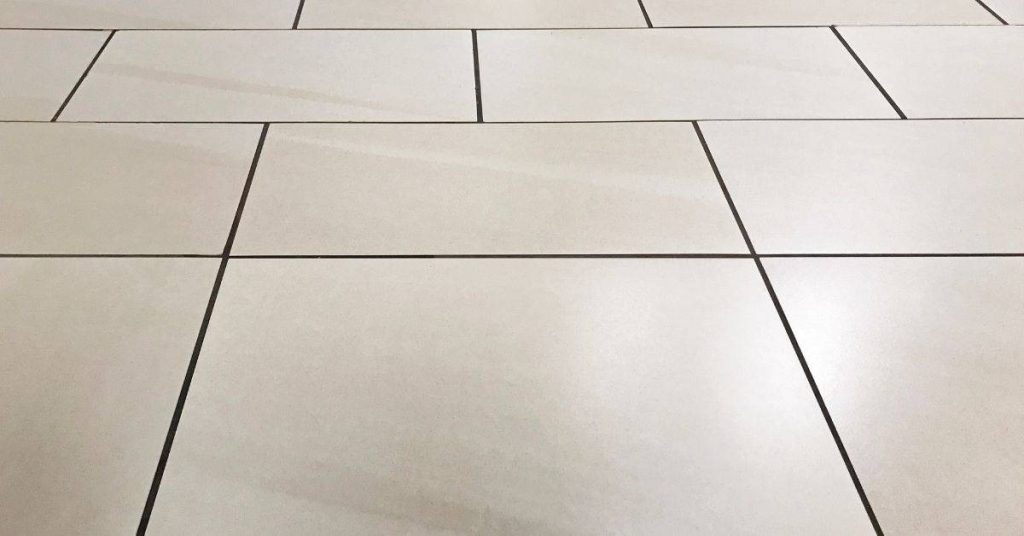
Light beige porcelain floor tiles with dark grout lines

Decoupling Membranes for Tile: When They Matter and When They’re Overkill

Introduction

Decoupling membranes are underlayment products that isolate tile from the substrate to reduce cracks. They act as a physical buffer that absorbs movement in the substrate. Use them if the substrate is uneven, shows cracks, or you want moisture control.

There are sheet and liquid types, each with its own installation steps. Check the product label and manufacturer instructions to know where and how to use them, and consider tile size and expected movement. In DIY projects, decoupling membranes can be a practical choice when guidance supports it.

Key takeaways

  • Understand decoupling membranes prevent tile cracks by absorbing substrate movement.
  • They differ from waterproofing; check manufacturer labels for compatibility and use.
  • Use when substrate movement, expansive joints, or heat cycles are present.
  • Types include lattice mat, sheet, and liquid-applied systems with key specs.
  • Inspect substrate flatness, membrane seams, and grout joints during install checks.
  • Safety: follow PPE, ventilation, and read product instructions for proper use.
Table of Contents

What a Decoupling Membrane Is and What It Does

A decoupling membrane is a layer that sits between the substrate and the tile. It’s intended to let the tile move independently of the floor underneath. In practice, this helps reduce stress that would otherwise crack the tile or grout.

Its main job is to accommodate substrate movement, tile expansion and contraction, and changes in temperature or moisture without transferring those forces to the tile surface. Look for membranes that are elastic, have good shear strength, and can bridge small cracks. Also check compatibility with your mortar type and the tile size you plan to install. Installations commonly involve floors with radiant heat, flexible substrates, or where rigid substrates meet large tiles. Use it where long spans or known movement justify a membrane, and compare to traditional methods in simpler setups. Prep the substrate properly, avoid dusty or wet surfaces, and follow edge detailing and joint guidelines from the manufacturer.

Clear definition and core function

A decoupling membrane is a thin, flexible layer that sits between your tile and the substrate (the base you’re tiling onto). It’s like a shock absorber for your tiles. Its core job? To isolate your tiles from any movement happening underneath.

Here’s how it works: Substrates can move due to temperature changes, moisture, or just plain settling over time. Without a membrane, this movement would stress your tile and grout, leading to cracks and other issues.

But with a decoupling membrane, that movement is absorbed by the membrane instead. It stretches and flexes without transferring stress upwards. That’s why we call it ‘decoupling’ – it separates or ‘decouples’ the tile from the substrate.

How substrate movement creates tile failures

Without a decoupling membrane, any movement in your substrate can spell trouble for your tiles. Here’s what happens:

Cracked Tiles and Grout: When the substrate moves, it pulls or pushes on the edges of your tiles. This causes them to crack or break at the corners where they meet the grout.

Delamination: Over time, this constant stress can cause your tile to peel away from the mortar, a process known as delamination. You’ll see gaps between the tile and the substrate, and eventually, the tile might just pop right off.

All these issues are signs of a bigger problem – that your tiles are taking on too much stress from the substrate below. That’s where decoupling membranes come in to save the day.

Back to top ↑

Decoupling Vs. Crack Isolation Vs. Waterproofing — How They Differ

Decoupling membranes, crack isolation membranes, and waterproofing membranes each have a clear role. Decouplers prevent stress transfer from substrate to tile. Crack isolation membranes stop small cracks from showing up in the tile surface. Waterproofing membranes keep moisture from penetrating the substrate in wet areas.

All three can offer some overlapping features, like movement control and compatibility with thinsets, but the emphasis matters. Decouplers focus on movement; crack isolators on cracks; waterproofing on moisture protection. Use decoupling when movement is likely; crack isolation for hairline cracks; waterproofing in showers and other damp spaces. Consider combining systems only when required by the site, substrate, or code. Always verify substrate prep, tile thickness, and mortar compatibility, and beware that not all membranes cover every scenario.

Crack Isolation Membranes Explained

Crack isolation membranes are designed to prevent hairline cracks from reaching your tile. They’re not about movement like decoupling, but stopping small cracks in their tracks.

These membranes are thin and flexible. They stretch with the substrate, bridging minor cracks without tearing. Unlike decoupling or waterproofing, they don’t need to accommodate much movement.

Key point: Crack isolation is about stopping tiny cracks, not big movements.

Waterproofing Membranes and Combined Systems

Waterproofing membranes keep water out. They’re crucial in wet areas like showers or above-grade installations where moisture can cause issues.

These membranes are impermeable to water but may not be vapor-permeable, so perm/vapor considerations matter. Some combine waterproofing with decoupling for added protection in high-movement areas.

Key point: Waterproofing is about keeping water out, and combined systems give you both waterproofing and movement accommodation.

Back to top ↑

When Decoupling Membranes Clearly Matter (Use Cases)

Look for substrate movement risks that raise crack potential, such as expansive concrete or plywood with variable expansion. Irregularities or existing cracks also justify decoupling. In these cases, the membrane helps relieve stress before cracks reach the tile surface.

Common use cases include radiant-heated floors, large-format or heavy tiles, and exterior or wet areas where movement is expected. Choose a membrane based on movement ratings, heating compatibility, and the substrate it’s paired with. Prioritize correct, clean substrate prep, proper seam treatment, and ensuring the mortar cure times align with tile adhesive. When in doubt, consult the manufacturer instructions and compare with local code requirements.

Showers and other wet areas

Even when using a separate waterproof membrane, showers often benefit from decoupling. Here’s why:

Moisture movement: Wet areas see constant moisture cycles. This causes expansion and contraction of the substrate, which can lead to cracking.

Decoupling membranes absorb these movements, preventing them from reaching your tiles. This reduces the risk of cracks and delamination, keeping your tile job looking great and performing well.

Floors with expected substrate movement (wood, radiant heat)

Wood joist floors, floating assemblies, and heated slabs are prone to movement. Here’s where decoupling helps:

Wood joists: Joists expand and contract with humidity changes. This can cause your tile to crack or lift.

Radiant heat: Heated slabs also expand and contract. Decoupling membranes accommodate these movements, reducing the stress on your tiles and preventing failures.

Large-format, thin-bed, or natural-stone tiles

Large or brittle tiles are less tolerant of movement. Here’s why decoupling is crucial:

Size and weight: Larger tiles cover more area. If that area moves, the stress on the tile increases.

Thin-bed and natural stone: Thin-bed installations and natural stones are less forgiving to movement. Decoupling membranes relieve this stress, reducing the risk of cracking or delamination.

Back to top ↑

When Decoupling Membranes Are Overkill

Memo to readers: a decoupling membrane adds value mainly in risky or complex conditions. If the slab is flat, stable, and shows no cracks, decoupling often isn’t necessary. Small-format tiles on a solid substrate can proceed with standard tiling methods.

Assess the substrate for movement indicators, moisture, and joint patterns. Compare the cost and time to install with the actual risk reduction. If you find a highly rigid, crack-free slab, you can skip the membrane and focus on substrate prep, primer, proper thinset, and selective use in higher risk zones only when needed.

Stable, rigid substrates and small-field installations

A decoupling membrane might seem like a good idea for every tile job. But that’s not always the case. Here are some scenarios where skipping it won’t cause issues.

First off, if your slab is already flat as a pancake and solid as a rock, you’re in luck. No cracks, no movement, no worries. A membrane won’t add much value here.

Small-format tiles are also less likely to show signs of substrate movement. They’ve got more edges to distribute stress evenly. So, if you’re using 2x2s or 4x4s, you can probably skip the membrane.

Short-lived, cosmetic, or low-traffic installations

Let’s face it, not every tile job is a lifetime commitment. Sometimes, you just want something quick and easy that looks good enough for now.

If you’re tiling a temporary display, a low-use space like a storage room, or an area where tiles won’t see much traffic, a decoupling membrane might be overkill. The risk of substrate movement causing tile failure is low in these cases.

Remember, though, this doesn’t mean you should skimp on prep work. Proper priming and high-quality thinset are still crucial to prevent other issues down the line.
Back to top ↑

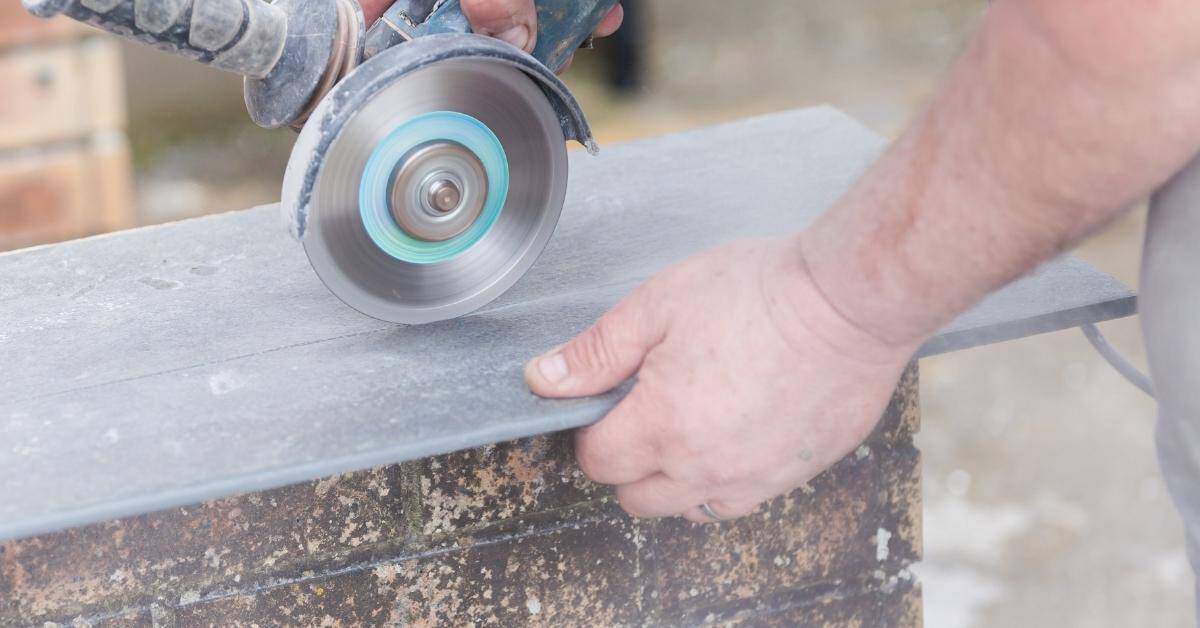
Person cutting stone tile with electric grinder

Types of Decoupling Systems and Key Specs to Check

Common decoupling options include uncoupling mats, bonded uncoupling sheets, and composite systems. Each has typical use cases such as retrofits, moisture-prone slabs, or radiant heat installations. Understand where each type shines and where it’s less suitable.

Key specs to review include thickness, movement tolerance, load rating, and installed deflection. Also check substrate compatibility and surface prep needs. Consider installation prerequisites like flatness and moisture management, and whether the system requires a mortar bed or can be applied as sheets or laminates.

Uncoupling Mats and Waffle-Grid Membranes

Uncoupling mats are flexible, plastic sheets with a textured surface for tile adhesion. Waffle-grid membranes have a similar design but with raised patterns to create air pockets for better insulation.

Use them: on concrete slabs prone to movement (like radiant heat floors), retrofits where substrate prep is challenging, or when you want a quick, easy install.

Advantages include easy installation, flexibility to accommodate substrate movement, and suitability for both floor and wall applications. However, they may not be ideal for heavy tile loads or areas with high traffic.

Bonded Sheet Membranes and Combined Waterproof/Decoupling Products

Bonded sheets are thin, flexible membranes that adhere directly to the substrate. Combined products offer both decoupling and waterproofing in one system.

Choose these: when you need a robust bond between tile and substrate, or if your project requires waterproofing (like showers).

Verify on the data sheet that they’re compatible with your substrate (concrete, plywood, etc.) and suitable for your specific use case. Also, check their load rating and expansion tolerance.

Critical Specs and Standards to Verify

Before specifying a decoupling system, check these key specifications:

Bond Compatibility: Ensure it’s suitable for your chosen tile type and adhesive.

Compressive Strength: Check it can handle your tile load without deforming.

Perm Rating: For combined systems, ensure it meets your required vapor management needs (ASTM E96 standard).

Manufacturer Testing/Certifications: Look for ANSI or ASTM certifications, and check if the product has been tested with your chosen tile and adhesive.

Back to top ↑

Installation Methods — High-Level Workflow and Product Differences

Think of the installation as a flow from substrate prep to tile setting, with the membrane sitting between substrate and mortar. Different membrane types alter steps like priming, embedding, and seam handling.

Manufacturers specify the sequence: surface prep, priming, installation order, cure times, and any required tests. Note how sheet layouts differ from liquids, and how penetrations and transitions are handled. Keep lippage in check, verify coverage, and follow cure guidance before grouting. Consider radiant heating sequencing and higher-traffic implications for certain tiles.

Substrate Assessment and Surface Preparation

Before laying any membrane, check your substrate. It needs to be flat, clean, and dry.

Flatness: Use a straight edge. If it wobbles, you’ve got issues. Fix with leveling compounds or self-leveling underlayments.

Moisture: Check for excess moisture. A simple moisture meter will do. If it’s wet, dry it out before proceeding.

Cleanliness: Remove all dirt, grease, and debris. Vacuum or sweep if needed. Prime to seal the surface if required by your membrane’s manufacturer.

Setting the Membrane and Tiling Workflow

Embed your membrane in thinset mortar. This bonds it to the substrate and provides a level surface for tiling.

Mortar: Use a latex-fortified, polymer-modified thinset. It’s strong and flexible, perfect for decoupling membranes.

Treat seams with membrane-specific tape or sealant. Follow manufacturer guidelines.

Tile setting order matters. Start from the center, working outwards. This helps maintain a consistent grout joint width.

Integrating with Drains, Corners, and Transitions

Membranes need to tie into other elements seamlessly. Here’s how:

Drains: Install drain assemblies first. Then, cut your membrane to fit around them. Seal with membrane-specific sealant or tape.

Corners: Use corner profiles to protect membranes at 90-degree turns. They also help maintain a consistent grout joint width.

Transitions: At change-of-plane transitions (like floor-to-wall), use transition strips. Seal with membrane-specific sealant or tape. Always follow manufacturer guidelines for best results.

Back to top ↑

Common Mistakes, Inspection Checkpoints, and Troubleshooting

Frequent errors include choosing the wrong membrane for the substrate and skipping proper prep. Inadequate coverage or seam treatment, and neglecting movement joints, are common issues. Don’t ignore curing times or adhesive compatibility with heated floors.

Check flatness, look for punctures, and inspect seam adhesion. Test for moisture under the membrane and verify flashings at edges. If problems arise, re-seat tiles or patch, and document with notes or photos to guide repairs. Seek professional help for persistent moisture or radiant-heat constraints.

Most common installation errors to avoid

Before you start tiling, double-check these common mistakes to ensure a solid foundation for your project.

  • Insufficient thinset coverage: Too little thinset can cause tiles to pop off. Spread it evenly, at least 1/4″ thick.
  • Wrong thinset choice: Use a flexible, unmodified thinset for decoupling membranes. The wrong type won’t bond properly.
  • Poor seam treatment: Overlapping seams without proper treatment can lead to cracking and water intrusion.
  • Inadequate substrate prep: A dirty, damp, or poorly prepared surface can cause tiles to fail. Ensure it’s clean, dry, and mechanically sound.
  • Skipping expansion joints: Without them, tiles can crack due to normal house movement. Space them 1/4″ apart for every 6-8 feet of tile.
  • Ignoring membrane specs: Using the wrong membrane or not following its installation guidelines can cause problems down the line.
  • Neglecting curing times: Rushing the curing process can weaken the bond between thinset and tiles, leading to failures.
  • Not checking adhesive compatibility: If you’re installing heated floors, ensure your membrane and adhesive are compatible with heat.
  • Quick rule: A thorough check before tiling can save you from costly repairs later on.

    Visual and tactile checkpoints during and after install

    Regular inspections help catch issues early. Use this checklist to keep your tile installation in top shape.

    • Flatness/levelness: Check with a level or straight edge. Uneven surfaces can cause tiles to crack or pop off.
    • Membrane punctures/voids: Inspect for any holes or gaps in the membrane that could compromise its integrity.
    • Proper overlay and seam adhesion: Ensure the membrane is fully adhered to the substrate and seams are properly sealed.
    • Tile grout lines: Tap tiles gently. A hollow sound indicates a weak bond or missing thinset.
    • Moisture/trapped water: Check for any signs of moisture or trapped water under the membrane, which can cause mold and delamination.
    • Fastener/penetration details: Ensure all screw heads, conduit entries, etc., are properly flashed to prevent water intrusion.
    • Tile alignment: Check for any misaligned tiles. They could indicate a problem with the substrate or membrane.
    • Quick rule: Regular inspections help maintain your tile installation’s longevity and beauty.

      Repair and retrofit options when problems appear

      Don’t panic if you spot a problem. Here are steps to address common issues without major teardowns.

      • Loose tiles: Remove the tile, clean the area, reapply thinset, and reattach the tile with proper spacing.
      • Punctures in membrane: Patch with a compatible repair kit or resin system. Ensure it’s fully cured before tiling over.
      • Adhesive failure/delamination: Remove affected tiles, clean the area, and reapply thinset. Reinstall tiles with proper spacing.
      • Recurring failures: If problems keep happening, it might be a substrate issue. Consider consulting a pro for further assessment.
      • Suspected moisture: Call in a professional to assess and address any moisture issues before proceeding with repairs.
      • Radiant-floor constraints: If heated floors are involved, ensure your repair materials and methods won’t compromise their functionality.
      • Quick rule: Early intervention can prevent small problems from becoming major headaches.

        Back to top ↑

Cost, Risk Trade-Offs, Planning Checklist, and Safety/Code Considerations

Weigh material costs and labor against the potential reduction in cracking and callbacks. Membranes can reduce risk in certain scenarios, but may not be necessary in all projects. Consider the overall plan and budget before deciding.

Use a planning checklist to assess subfloor readiness, tile size, membrane type, and compatibility with thinsets and radiant heat. Be mindful of safety, vapor barriers, slip resistance, and local code requirements. Keep records of membrane type, substrate prep, tests, and any warranty terms tied to approved systems.

How to estimate costs and value

Before you start, understand what’s involved in costing out your tile installation. Here’s a checklist to help.

  • Membrane price: Get local pricing per square foot for the decoupling membrane you’re considering.
  • Labor estimate: Estimate labor time based on membrane type (sheet, liquid, mat) and your subfloor size.
  • Tile cost: Factor in tile price. Larger tiles or natural stone can increase costs.
  • Thinset cost: Include thinset mortar for bedding the membrane and tiling.
  • Grout cost: Estimate grout based on your chosen finish.
  • Rework risk: Consider potential rework costs due to cracking or other failures without a decoupling membrane.
  • Long-term savings: Estimate long-term savings from reduced callbacks and maintenance.
  • Compare alternatives: Compare costs with traditional underlayment methods.

Quick rule: Always check local pricing for materials. It can vary significantly.

Decision checklist for homeowners and professionals

Use this checklist to guide your decision on whether a decoupling membrane is right for your project.

  • Substrate type: Assess your subfloor (concrete, plywood). Membranes are crucial with concrete due to its natural movement.
  • Tile size and layout: Consider tile size. Larger tiles or complex layouts may require a membrane for stability.
  • Exposure: Check if the area is prone to heavy foot traffic, floor loads, or movement joints.
  • Warranty requirements: Some manufacturers require membranes for warranty coverage on their tiles.
  • Radiant heat: If using radiant heat, ensure the membrane is compatible and follows manufacturer guidelines.
  • Tile material: Slate or other heavy tiles may benefit from a decoupling membrane to reduce cracking risks.
  • Membrane type: Choose between sheet, liquid, or mat based on your subfloor and tile needs.
  • Compatibility with thinset: Ensure the chosen membrane is compatible with thinset mortar.

Quick rule: If in doubt, consult a pro. They can provide tailored advice for your specific project.

Safety, warranty, and code considerations

Before you start tiling, ensure you’re following safety guidelines, manufacturer instructions, and local codes.

  • Manufacturer instructions: Always follow the manufacturer’s installation guide for the membrane and tiles.
  • Warranty conditions: Understand what’s required to maintain your warranty. Using approved systems is often crucial.
  • Local building codes: Check local codes for waterproofing, vapor barriers, and slip resistance requirements.
  • Perm/vapor concerns: Ensure the membrane addresses perm and vapor concerns specific to your subfloor and climate.
  • Electrical/radiant heat interactions: If using radiant heat, ensure proper electrical safety measures are in place.
  • PPE: Use appropriate personal protective equipment (gloves, goggles) during installation.
  • Documentation: Record the type of membrane used, substrate preparation, and any tests performed.

Quick rule: Always prioritize safety. It’s not worth risking injury or damage to your project.

Back to top ↑

Conclusion

A decoupling membrane is a smart move when movement or substrate cracks threaten tile longevity, safety, and a clean look; choose the right system and follow the workflow so you don’t bake in failures later. When you use the right membrane and install it correctly, you reduce hollow spots, tile cracking, and water intrusion, and you keep floors level and durable.

Keep it simple: check the substrate and plan the layout, pick the membrane type that matches your area, confirm location and movement needs, verify material compatibility and thickness, follow the installation steps in the product guides, prime if required, apply the mortar and membrane per method, check coverage and seams, allow proper cure time, and perform post-install inspection for movement, flatness, and any gaps before grouting or sealing; test a small area first, work in a dry, clean space, keep edges protected, and document your steps for safety and future repairs.

Common mistakes to avoid are skimping on a proper substrate prep, skipping primer or seam treatment, and rushing a cure or grout timing; safety rules are to wear eye protection, use the right ventilation, follow manufacturer instructions for weights and temps, and never mix products outside their recommended use. If structures are severely cracked, or you’re dealing with extensive substrate movement, or your space has flooding risk or complex transitions, call a professional instead of forcing a DIY fix; with careful planning and cautious steps, you can get a durable, good-looking tile installation and avoid costly mistakes.

Back to top ↑

FAQ

What exactly is a decoupling membrane and what does it do?

A decoupling membrane is a thin layer installed between the substrate and tile. It helps absorb movement and crack energy so tiles don’t crack or pop off when the substrate shifts a little.

When are decoupling membranes necessary?

Use them when there is movement risk or cracks in the substrate, when installing large-format tiles, or when the substrate isn’t perfectly stiff. If in doubt, check the membrane’s label and manufacturer instructions for your specific tile and substrate.

What benefits do decoupling membranes offer beyond crack isolation?

They can help manage moisture and provide a more forgiving surface during install. They also give a smoother, more even tile surface in some setups, which can reduce lippage and simplify leveling.

Common mistakes to avoid when installing decoupling membranes

Don’t skip substrate prep or ignore joints. Follow product instructions for primer, adhesive, and curing times. If the substrate has movement or moisture issues, address those first and verify local guidance or manufacturer specs.

Back to top ↑