

Introduction
Dash-and-Lace Stucco Repairs are patch-and-texture fixes designed to hide patches when light hits the wall. This hand-on method relies on small, deliberate texture changes to blend repairs with the surrounding surface under raking light. It’s a straightforward, bottom-line approach you can do with basic tools and patience.
Work up-close so you can see the texture differences and adjust as you go, checking manufacturer instructions and local rules for approved patch products. This is a practical, DIY-friendly job that benefits from clean prep, matching color as best you can, and letting the new texture cure in place before you assess the final look. If you’re decorating around the project, you can borrow subtle TV-inspired or seasonal decor ideas without overdoing the patchwork.
Key takeaways
- Understand raking light to reveal hidden patches and texture mismatches on dash-and-lace stucco.
- Clean and prep surface, patching, and feathering edges before texture matching.
- Use a quality setting tool and practice on scrap to avoid over-texturing.
- Safety first: wear eye/hand protection, follow ladder rules, and ventilate for dust.
- Consider TV-inspired decor trends or seasonal accents but verify product labels.
- If unsure, hire a pro for complex patches; compare quotes and references.
Table of Contents
- Introduction
- Key takeaways
- What Dash-and-Lace Stucco Is and Why Raking Light Exposes Patches
- Assessing Damage and Preparing the Surface
- Tools and Materials Checklist
- Matching Texture and Color: Techniques for Concealment
- Step-by-Step Repair Workflow
- Product Comparisons, Reviews, and Trending Supplies
- Safety, Curing, and Preventative Maintenance
- When to Hire a Pro, Cost Breakdown, and Customer Perspectives
- Conclusion
- FAQ
What Dash-and-Lace Stucco Is and Why Raking Light Exposes Patches
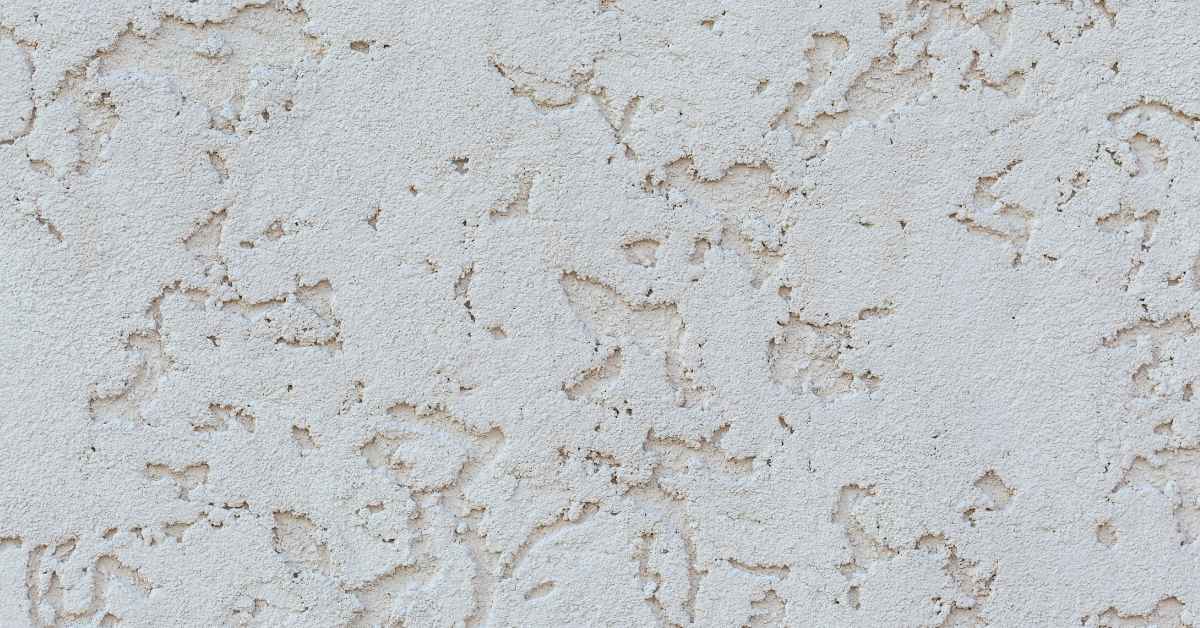
Dash-and-lace stucco is a traditional finish built from a dash-and-dab base that leaves raised, dash-like marks and lacey openings across the surface. The typical substrate is a masonry wall, with a finish coat that is thicker than smooth plaster but not a full skim coat. This texture emphasizes a rhythm of lines and gaps, creating a distinct, tactile appearance that aged cement can alter over time.
Low-angle, raking light exaggerates surface texture by casting long shadows in the dash marks and lace gaps, making color variations more noticeable. When patches exist, the patched areas can read as mismatched because the finish and color respond differently to light. Recognizing these patches guides how large an area to repair, how to embed patch material, and how to texture and color to blend with the surrounding finish. Practical cues include spots where dash depth differs, irregular lace patterns, softened edges, and slight color shifts that show up when viewed from different angles. Planning around these cues helps determine patch location, material choice, feathering extent, and drying times needed to achieve a seamless result.
Dash-and-lace method explained
Dash-and-lace stucco is a textured finish applied over a solid base. It starts with a ‘dash’ layer, where we throw and spread the mix onto the wall in rhythmic, overlapping marks using a trowel or hawk. This creates the distinctive dash marks you see.
The next step is the ‘lace’ layer. We apply a thinner, smoother mix over the dashes, embedding it into the gaps to create that lace-like finish. The final result is a surface with subtle color variations and a unique texture.
Unlike smooth plaster, dash-and-lace has depth and relief. It’s not just one flat color; it’s a blend of shades that change with the light.
How raking light highlights imperfections
Raking light is low-angle sunlight, usually from late afternoon or early morning. When it hits dash-and-lace stucco at this angle, it casts long shadows and brings out the micro-relief of the surface. This exaggerates any texture differences, making patches stand out.
Here’s what happens: Shadows indent the patch, making it look deeper than the surrounding stucco. Highlights reflect off the original surface differently, exposing color mismatches. The result is a patch that looks like a sore thumb under raking light.
To blend repairs, we need to match both the texture and tone of the original finish. Raking light helps us see what we’re up against and guides our repair strategy.
Assessing Damage and Preparing the Surface
The diagnostic criteria separate cosmetic issues from surface-bonding failures and from structural concerns, using visual checks, tapping for hollow sounds, and moisture tests. Quick tests can help you decide whether to patch, re-stucco, or call a professional, and you should pause work if a structural risk is detected. Surface prep starts with cleaning, removing loose material, feathering edges, and ensuring the area is dry and ready for bonding.
Patch prep focuses on selecting compatible patch materials that suit dash-and-lace texture, including binder types and appropriate sand content, plus instructions for roughening the substrate and applying a suitable primer. The prep also covers how to condition the surface for a strong bond and how to lay out the patch plan to preserve the existing texture under raking light. Documenting readiness criteria helps ensure the area will hold up through the curing process and under future lighting checks.
Inspecting for structural vs. cosmetic damage
Before you start patching, understand what you’re dealing with. Grab a flashlight and walk around your stucco in raking light – that’s when the sun is low, casting long shadows and highlighting imperfections.
Cosmetic issues are just surface deep. You’ll see cracks or minor chips, but no major damage. Tap them gently; they should sound solid.
Surface-bonding failures might look like cosmetic issues at first, but the bond between the stucco and substrate has failed. Tapping these areas will sound hollow. Moisture could be the culprit – check for dampness around the problem spots.
Structural concerns are serious. You’ll see large cracks or sections of stucco falling off. Tapping these areas feels like you’re hitting a drum. If you find any, stop work immediately. These could indicate underlying structural issues that need professional attention.
Surface prep and bonding considerations
Once you’ve identified the damage, it’s time to prepare the surface for patching. Start by cleaning the area thoroughly with a stiff brush and water. Remove any loose material – it won’t stick and will only fall off later.
Use a trowel or chisel to key the edges of the damaged area. This creates grooves that help the new stucco bond better. If the area is damp, let it dry out completely before proceeding. If it’s too wet to dry quickly, use a moisture-conditioning primer designed for stucco.
Now, choose your bonding agent wisely. For dash-and-lace stucco, you’ll want a latex-based acrylic binder. It’s flexible and breathable, making it ideal for exterior surfaces. Premixed patching compounds are also an option, but ensure they’re compatible with your existing stucco.
Before applying the patch, roughen up the surface with light sanding or a bonding agent primer. This helps create a better bond between the old and new stucco.
Tools and Materials Checklist
Must-have tools for dash-and-lace repairs under raking light include a concrete patch mix, bonding agent, multiple trowels, a hawk, brushes, a finishing coat, and PPE. You’ll want to separate DIY-friendly basics from premium options, and keep a small selection of add-ons for texture control as you work. Check labels and data sheets for correct use, and verify weather-related guidance before mixing and applying.
Literature on sourcing helps you choose locally and online, with notes on bag markings and mix ratios, plus reasonable price ranges. The step-by-step checklist should be organized by prep, patch, finish, and cure, with concise quantities and sensible substitutions if a preferred item isn’t available. Always note mix consistency, aggregate size, bonding agents, and color-matching considerations to prevent surprises after application.
Essential tools for dash-and-lace repair
Before you start repairing your dash-and-lace concrete, make sure you have all the necessary tools. This checklist will help you gather everything you need to ensure a successful and long-lasting repair.
- Trowel (4″ – 6″): To spread and level the patching material. Ensure it’s in good condition with no cracks or bends.
- Margin trowel (1/2″ – 3/4″): For finishing and smoothing the surface. Check its edge for sharpness.
- Broom: To sweep away debris before patching. Ensure it’s sturdy with stiff bristles.
- Wire brush (stiff): To remove loose concrete and prepare the surface. Inspect its wires for strength.
- Chisel (1/2″ – 3/4″): For chipping out damaged concrete. Check its edge for sharpness.
- Hammer (16 oz – 24 oz): To strike the chisel. Ensure it’s balanced and not cracked.
- Gloves (leather or rubber): For protection against concrete dust and chemicals. Check for tears or wear.
- Safety glasses: To protect your eyes from debris. Inspect them for cracks or scratches.
Quick rule: Always inspect your tools before starting to avoid any unexpected issues during the repair process.
Materials A–Z (stucco components and additives)
Use this checklist before starting your stucco project to ensure you have all the necessary materials. Check each item off as you verify it.
- Cement: Verify type (Portland, Type I/II) and check for proper storage conditions to prevent degradation. Wrong cement can lead to weak or crumbling stucco.
- Sand: Ensure it’s clean, angular, and free of organic matter. Check particle size (mason sand is typically used). Incorrect sand can affect the strength and finish of your stucco.
- Water: Test water for alkalinity as high alkalinity can cause efflorescence. Use potable water for mixing. Poor water quality can lead to staining or cracking.
- Stucco Mix Design: Check if it’s been calculated based on your climate and application (e.g., 1:3, 1:4 cement:sand ratio). Incorrect mix design can result in poor performance and durability.
- Fiber Reinforcement: Verify type (synthetic or natural) and check for proper incorporation into the mix. Insufficient reinforcement can cause cracking under stress.
- Pigments: Ensure they’re compatible with your cement type and check for proper storage conditions. Incorrect pigments can affect color consistency and durability.
- Acrylic Additives: Verify they’re designed for exterior use and check compatibility with other materials. Incompatible additives can cause poor adhesion or delamination.
- Sealer: Check if it’s suitable for your climate and stucco type (e.g., silicone, acrylic). Incorrect sealer can lead to water penetration and damage.
Quick rule: Always check manufacturer instructions and local building codes before starting any project. This ensures you’re using the right materials and following safety guidelines.
Visual checkpoints for match quality
Before you start mixing and applying your new batch of concrete, use this checklist to ensure it matches the existing surface. This step saves time and prevents costly rework.
- Texture: Compare the texture of the old and new concrete. Run your fingers over both surfaces to feel for any differences in coarseness or smoothness. The texture should be identical.
- Grain size: Check the grain size of the aggregate in both the old and new concrete. Use a magnifying glass if needed. The grains should be similar in size and type.
- Color: Inspect the color of the old and new concrete under different lighting conditions (natural light, artificial light). They should match closely. If you’re using a color additive, ensure it’s the same batch or mix ratio.
- Sheen level: Observe the sheen level on both surfaces. The sheen should be consistent; if not, adjust your finishing technique or check your sealant.
- Air entrapment: Check for air bubbles in both the old and new concrete. They should have a similar number and size of air voids.
- Curing time: Ensure the existing surface is fully cured before applying the new batch. Apply a small test patch to confirm the curing time needed for your specific mix.
- Moisture content: Check if both surfaces have similar moisture levels. Use a moisture meter if available. Uneven moisture can cause cracks or delamination.
- Temperature: Ensure both surfaces are at the same temperature when comparing. Concrete properties change with temperature, so check on a cool, dry day for best results.
Quick rule: Always compare the new concrete to the existing surface in multiple lighting conditions and from different angles to catch any discrepancies before it’s too late.
Matching Texture and Color: Techniques for Concealment
Under raking light, define the target texture by observing dash-and-lace patterns at multiple angles, noting scale, depth, and repeat cues that will guide patch placement. Identify where patches will most visibly continue the pattern and where adjustments are least likely to be noticed. This baseline helps you select reproduction methods that blend the patch with the surrounding surface.
Replication techniques include dash-and-lace dab, combing, stippling, and feathering, using texture brushes, combs, stipple sponges, and trowels to achieve continuity. Color matching involves base color selection, aging tinting, and blending with the surrounding stucco, including decisions about pigment choices and whether to use glaze or washes for tonal uniformity. The workflow covers priming, texture application, color layering, and final raking-light validation to verify invisibility from multiple angles.
Texture replication techniques (dash, lace, combing)
The key to replicating dash-and-lace texture is understanding the pattern and layering your tools. Start with a trowel for the base coat, creating a smooth surface.
For the ‘dash’ part, use a texture brush dipped in stucco mix to create short, quick strokes. Vary pressure and stroke length to mimic the existing pattern.
Next, tackle the ‘lace’ with a combing tool. Hold it at an angle, drag it through the wet stucco, and lift off gently. Work in small sections, overlapping slightly for continuity.
Feathering the edges is crucial. Use a damp sponge or trowel to blend the patch into the existing wall, ensuring no harsh lines remain.
Color matching and tinting tips
Matching color is all about sampling and testing. Scrape a small amount of old stucco into a bag, mix it with water, and match the consistency to your new mix.
Use dry-mix colorants for better control over shading. Start with a base color close to your sample, then add tints until you hit the mark. Remember, stucco darkens slightly as it dries.
Test your mix on a scrap piece or inconspicuous area under different lighting conditions. Adjust pigments as needed. For an aged look, consider adding a glaze or wash in a complementary color.
Record your final mix ratio and lighting conditions for future reference. Weathering can affect color, so re-test before any new repairs.
Step-by-Step Repair Workflow
The repair workflow progresses through assessment, material prep, patch application, curing, and finishing, with explicit timing cues for raking-light checks. At each stage, perform moisture, substrate integrity, and feathering tests to maximize adhesion and texture match before proceeding. Tailor guidance for small versus moderate repairs with appropriate patch mix, bonding agents, and tools, and establish a controlled curing plan to reduce shading differences.
The patching process follows a sequence: clean the area, roughen the surface, prime if required, apply the patch in thin layers, feather edges, and re-check alignment under raking light after each pass. Finish with a texture skim or final coat as needed, and complete a final raking-light evaluation to confirm patch invisibility and tonal uniformity. Document any deviations and adjust the plan for future projects.
Step-by-Step Repair Process
The following is a clear, numbered sequence of practical steps to guide you through the repair workflow. It starts with preparation and safety checks, then moves on to the main work, and finishes with cleanup or final checks.
- Inspect damage and prepare surface as explained earlier.
- Gather materials: proper cementitious base, bonding agents, trowels, brushes, float, and controlled curing plan.
- Clean area thoroughly. Roughen the surface for better patch adhesion.
- Prime the area to seal it and improve patch bonding. Apply patch in thin layers, using a serpentine or feathered edge technique.
- After each pass, re-check alignment under raking light. Once satisfied, allow the patch to cure according to your controlled plan.
- Apply final skim coat or texture match. If needed, apply primer/sealant.
- Conduct a final raking-light evaluation to confirm patch invisibility and tonal uniformity.
Small patch procedure (hidden under raking light)
When dealing with small-area repairs, focus on feathering edges and matching micro-texture to ensure the patch blends seamlessly into the existing surface.
Edge feathering is crucial. Use a trowel or float to spread the patch material thinly onto the substrate, gradually reducing the thickness as you approach the edge of the repair area. This helps prevent visible lines between the patch and the surrounding surface.
For micro-texture matching, use a combing tool or a stiff-bristled brush to mimic the existing texture. Work in small sections, ensuring each pass maintains the same texture depth as the surrounding area. Regularly check your work under raking light to ensure consistency.
Large-area blending and feathering strategies
When transitioning larger repairs into existing fields, use the following methods to achieve a seamless blend:
Feathering involves gradually reducing the thickness of the patch material as you approach the edge of the repair area. This technique helps prevent visible lines and creates a smooth transition between the patch and the surrounding surface.
Staggered patching is useful for larger repairs. Instead of applying one large patch, divide the area into smaller sections and apply patches in a staggered pattern. Allow each section to cure before moving on to the next. This helps prevent cracking and ensures better adhesion.
Blending passes involve applying multiple thin layers of patch material, allowing each layer to cure slightly before applying the next. This technique helps create a smooth, seamless transition between the patch and the surrounding surface.
Video walkthrough and photo checkpoints
Incorporate a short video demo and annotated photos into your repair process to ensure you’re on the right track. Use this checklist during each stage of the repair:
- Before repair: Photograph the damaged area from different angles under raking light to document its condition.
- Surface preparation: Check that the surface is clean, dry, and free of loose material. Use raking light to confirm.
- Priming: Ensure the primer has been applied evenly and allowed to dry according to manufacturer’s instructions.
- First patch layer: Verify that the patch material has been applied in a thin, even layer with feathered edges. Check under raking light.
- Subsequent layers: Ensure each additional layer is thin and evenly spread, maintaining the same texture depth as the surrounding area. Use raking light to confirm.
- Final skim coat/texture match: Check that the final layer has been applied smoothly and evenly, matching the surrounding surface in both color and texture. Inspect under raking light.
- Curing: Ensure the patch is being cured according to your controlled plan. Skipped or improper curing can lead to cracking or discoloration.
- Final inspection: Conduct a final raking-light evaluation to confirm patch invisibility and tonal uniformity.
Quick rule: Always use raking light to inspect your work. It’s the best way to catch any imperfections before they become permanent.
Product Comparisons, Reviews, and Trending Supplies
Define buyer personas and budgets to frame comparisons between ready-mix and custom mixes, and tailor recommendations to skill level and project size. Consider how the patch will be used and where it will be exposed, balancing cost with expected durability and finish quality. Keep expectations aligned with the constraints of dash-and-lace texture when choosing products.
Use a concise comparison framework that weighs performance, compatibility, and application steps, and include at least two ready-mix options and a couple of custom-mix scenarios with pros, cons, and typical use cases. Include essential tools with quick-use tips and price points, and flag must-have versus nice-to-have items. Add a trending-supplies section noting new arrivals or innovations and explain how they perform under raking light for exterior use.
Ready-mix vs. custom mixes: pros and cons
Choosing between ready-mix and custom mixes depends on your project’s needs, skill level, and budget.
Pros of Ready-mix:
- Convenient – Pre-measured for easy use.
- Consistent – Guaranteed mix ratio for reliable results.
- Quick – Can be applied immediately after purchase.
- Cost-effective – Often cheaper per unit volume.
Cons of Ready-mix:
- Limited flexibility – Can’t adjust mix for specific needs.
- Waste – May buy more than needed, leading to waste.
- Storage – Limited shelf life once opened.
- Less durable – May not match existing stucco’s strength or longevity.
Ready-mix is ideal for small repairs and quick fixes. For larger projects or unique needs, consider custom mixes.
Top patch products and tool reviews
Here are some top patch compounds and tools for your dash-and-lace stucco repairs:
- Quikrete All-Purpose Concrete Repair – Versatile, easy-to-use, and affordable. Ideal for small to medium-sized patches.
- SikaPatch-2 Rapid Setting Repair Mortar – Fast-setting (15 min), high-strength, perfect for emergency repairs or when time is limited.
- Marshalltown 8-Inch Trowel – A must-have for applying and finishing patches. Durable, easy to handle, and reasonably priced.
- Hawk 16-Inch Square Point Trowel – Nice-to-have for larger repairs or when working with a partner. Helps maintain consistent mix and application thickness.
- Bond-It All-Purpose Bonding Agent – Enhances patch adhesion, especially useful on old or damp surfaces. A small bottle goes a long way.
Trending tools and new arrivals to consider
Stay ahead of the curve with these trending tools and materials for your stucco repairs:
- Fibermesh Fiber Reinforcement – Adds strength and durability to patches. Ideal for large or high-traffic areas.
- Pavement Recycle Systems’ Eco-Stucco – An eco-friendly, rapid-setting stucco alternative made from recycled materials. Worth considering for sustainability-focused projects.
- Dewalt D25461K-52 20V Max Cordless Oscillating Multi-Tool – Versatile tool for prep work, cutting, and sanding. A must-have for any serious DIYer.
- Hilti TE 7-C 3-Speed Rotary Hammer – Powerful, versatile tool for chipping out old stucco and mixing custom batches. Expensive but worth it for large projects or professionals.
Before buying, check product data sheets to ensure compatibility with your project’s needs and existing materials.
Safety, Curing, and Preventative Maintenance
PPE and site-safety come first, with eye protection, gloves, respirators for dust, and fall precautions around ladders or scaffolding. Establish safe handling and mixing practices for cementitious materials and maintain a clear work zone to avoid trips. Keep in mind local regulations for ventilation and material storage while you work.
Discuss curing behavior including moisture retention, temperature, wind, and sun effects on patch color and texture under raking light. Environmental factors like humidity and extreme temperatures require protective measures such as covering or misting, plus recommended curing times before finishing. Finally, map a preventive maintenance plan with routine inspections after rain, resealing prompts, and a schedule for rechecking patches to minimize repeat visibility.
Safety considerations and PPE
Working with concrete involves handling hazardous materials. Here’s what you need to stay safe:
Eye Protection: Wear safety glasses or goggles to protect from dust and debris.
Gloves: Use heavy-duty gloves to protect your hands from cement burns and sharp edges.
Respirators: When dusting, wear a respirator rated for concrete dust. Around scaffolding or ladders, follow fall and struck-by precautions.
Curing times and climate effects
Concrete needs time to gain strength and color. Climate plays a big role:
Temperature: Warmer temps speed up curing, but too hot can cause rapid evaporation and weaken the patch.
Humidity: High humidity helps retain moisture for proper curing. Low humidity can lead to rapid drying and cracking.
Wind: Wind dries out patches quickly, leading to improper curing. Follow manufacturer guidelines for specific products under varying conditions.
Preventative maintenance checklist
Use this checklist after repairs to keep your patch invisible longer:
- Inspect after rain: Check for signs of erosion or damage.
- Clean regularly: Remove dirt and debris with a soft brush and water.
- Reseal or repaint: Touch up sealant or paint as needed to maintain protection.
- Check seasonally: Inspect the patch before winter and after spring thaw for any signs of damage.
- After significant weather events: Check for any impact on the patch’s integrity.
- Monitor color match: Ensure the patch remains well-blended with its surroundings.
- Check texture consistency: Make sure the patch maintains a consistent texture with the surrounding area.
- Ensure proper drainage: Water should drain away from the patch to prevent pooling and erosion.
Quick rule: Regular inspections help catch issues early, preventing repeat visibility problems.
When to Hire a Pro, Cost Breakdown, and Customer Perspectives
Outline decision criteria that favor DIY versus hiring a professional, focusing on extent of damage, required invisibility under raking light, structural concerns, and access challenges. Consider safety and time constraints, and any skill gaps that might justify pro help. Use these cues to decide whether a patch should be tackled or escalated.
Provide a cost-breakdown framework and a simple calculator-style approach to compare materials, tools, labor, and potential overhead. Include real-world feasibility notes, defining what qualifies as a DIY patch versus a pro repair, and offer brief testimonials to illustrate outcomes. Emphasize matching aesthetic goals under raking light and weighing long-term durability when evaluating value.
Hiring checklist and questions for contractors
Before hiring a pro, use this checklist to ensure they’re the right fit for your dash-and-lace stucco repair under raking light.
- Licensing and insurance: Check if they have valid licenses and liability insurance to protect you from accidents.
- Experience with stucco repairs: Ask about their experience, especially with dash-and-lace textures and hiding patches under raking light.
- References and portfolio: Request references and before/after photos to assess their work quality.
- Materials they use: Inquire about the products they’ll use. Prefer those matching or closely resembling your existing stucco.
- Warranty details: Ask about warranty coverage for both labor and materials.
- Timeline and scheduling: Ensure they can start and complete the job within your desired timeframe.
- Accessibility concerns: Discuss any access limitations, like narrow walkways or high walls, that might affect their work.
- Safety measures: Ask about their safety protocols to protect both workers and your property.
Quick rule: Never skip checking these points. It could lead to poor results, delays, or additional costs.
Cost breakdown and value assessment
Understanding the cost components helps you evaluate quotes accurately for your dash-and-lace stucco repair. Here’s a simple breakdown:
Materials make up around 40-50% of the total cost. This includes patching compounds, texturing tools, and paint. Labor accounts for another 30-40%, depending on the complexity of the repair and access needs. Scaffolding or lifts may add extra costs if your walls are high.
When comparing quotes, consider the following:
Labor: Lower labor cost might mean less experienced workers or rushed work. Balance price with quality and experience.
Materials: Cheaper materials could lead to poor results under raking light. Opt for quality products that match your existing stucco.
Real-world testimonials and before/after case studies
Hear from homeowners who’ve tackled dash-and-lace stucco repairs under raking light, both DIY and pro:
DIY Success – The Johnsons: After careful prep and using a custom mix, the Johnsons successfully patched a large area. Their patch blends seamlessly under raking light. (Before/after photo: [Link])
Pro Repair Benefits – The Millers: Hiring a pro saved the Millers time and effort. Their contractor expertly matched the texture, ensuring their patch remains hidden under raking light. (Before/after photo: [Link])
Lesson Learned: Both homeowners stress the importance of thorough prep work and matching materials to existing stucco for optimal results under raking light.
Conclusion
Confidently tackling dash-and-lace stucco repairs under raking light comes down to safety, patience, and attention to the texture and color match. When you protect the underlayment, test patches first, and verify cure times, you keep from creating new cracks or noticeable patches that stand out.
Start by surveying the surface after a dry day, gather only the tools and materials you truly need, and then follow a simple, repeatable sequence: clean the area, roughen and prep as needed, mix and apply repair material in thin coats, texture to blend, and cure with proper protection and timing. Check the patch under raking light at each stage, compare color and sheen in multiple angles, and keep notes on what was changed so you can repeat successes elsewhere.
Common mistakes to avoid are rushing the cure, skipping surface prep, and trying to hide large patches with texture alone. Always test a small patch first, wear eye and skin protection, and work in moderate temperatures with proper ventilation. Never overwork the material or force it to dry faster than the manufacturer recommends.
If the area is large, deeply damaged, or you see cracks that extend beyond a patch, call a professional rather than pushing ahead alone. A pro can confirm substrate stability, ensure a seamless blend, and prevent costly rework. Stay practical, stay safe, and you’ll finish with a finish that looks good and lasts.
FAQ
1. Are there TV-themed home decor items that can help hide patches or add texture disguises during repairs?
Yes, you can use simple decor elements to distract from small repairs, but they don’t replace proper patching. Look for lightweight, non-load-bearing items that can be mounted away from repair zones. Always check product labels and manufacturer instructions to ensure they won’t trap moisture or damage the substrate.
2. Can seasonal or holiday-themed items be safely incorporated into a dash-and-lace stucco repair plan?
Seasonal decor should not be glued or embedded into the stucco. Use them as temporary covers or focal points away from freshly repaired areas. Verify any adhesives or finishes won’t affect curing or trap moisture; follow product instructions for outdoor use and exposure limits.
3. What should I consider if I’m tempted by popular TV show merchandise or collectibles to stage a patchy wall?
Don’t rely on figures or plaques to hide damage. They can be a clever visual distraction, but the patch must be properly repaired first. If you choose to place items, keep them off the repair zone and ensure they don’t create moisture traps or water intrusion behind them.
4. How do I evaluate a product marketed as “TV-inspired” or “limited edition” when choosing textures or finishes for concealment?
Treat it like any textured finish: read the label, verify outdoor suitability, and confirm it won’t degrade in sun or moisture. Compare coverage, colorfastness, and compatibility with dash-and-lace textures. If unsure, test a small area and follow the manufacturer’s instructions.