
Introduction
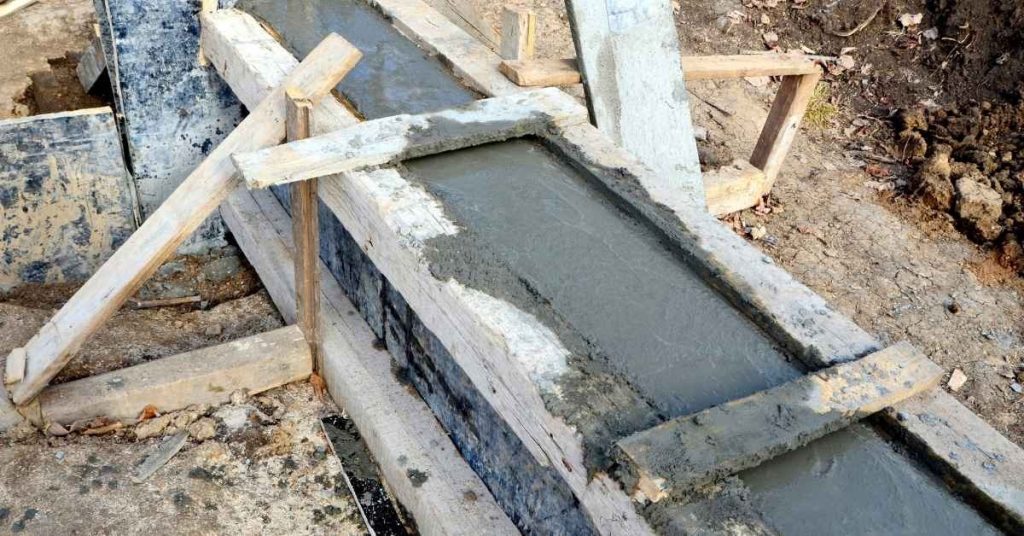
Honeycombing and blowouts are defects in concrete caused by improper compaction. This article explains how to spot these issues and why they happen in DIY pours. We’ll cover how to use a vibrator correctly and what to check to avoid problems.
Identify honeycombing by looking for voids, exposed aggregate, and a rough, porous surface near the edges. Blowouts show up as larger voids and broken areas where air or excess water caused gaps during placing. To prevent them, use the vibrator correctly, work in stages, and check the mix and formwork guidance from the manufacturer and local requirements.
Key takeaways
- Identify honeycombing by visible voids, rough pockets, and surface cratering early.
- Use proper vibration technique to settle concrete without over-compactation.
- Choose low-frequency, appropriately sized vibrator for DIY pours and forms.
- Avoid over-quick pours; work in lifts to minimize blowouts and honeycombing.
- Inspect forms and pour path for air pockets and flow around embeds.
- Plan a safety checklist, PPE, and crew signals to prevent accidents.
Table of Contents
- Introduction
- Key takeaways
- Why Proper Vibration Matters for DIY Concrete Pours
- Symptoms and Visual Checkpoints on Site
- Common Causes and Operator Mistakes with Vibrators
- Selecting the Right Vibrator and Accessories for DIY Jobs
- Proper Vibration Techniques for DIY Formwork
- Tools and Materials Checklist + Material Specs Explained
- Repair Methods for Honeycombing and Blowouts
- Safety, Planning, and Cost Considerations for Diyers
- Conclusion
- FAQ
Why Proper Vibration Matters for DIY Concrete Pours
Internal vibration helps move air out of concrete and coats the aggregate evenly. It promotes uniform density throughout the pour and reduces visible voids. Proper vibration supports a stronger, more durable finished surface.
When to involve a professional or engineer depends on the project scope and structural requirements. For large, code-critical pours, seek guidance before proceeding. Always consult the manufacturer instructions and local rules for safety and compatibility.
What honeycombing and blowouts are
Honeycombing refers to the presence of voids or air pockets within concrete. These develop when air becomes trapped during placement, leading to weakened areas prone to cracking.
Blowouts, on the other hand, occur when forms fail or rupture due to excessive pressure from wet concrete. This can result in uneven surfaces and structural compromise.
Understanding these issues helps prevent concrete damage and maintain structural integrity. Inspect the pour visually after vibration and before stripping forms to check for air pockets or voids (honeycombing) and form failures/ruptures (blowouts). If present, re-vibrate or add more concrete.
Long-term structural and durability impacts
Unresolved honeycombing and blowouts can lead to reduced lifespan and safety risks. Voids allow water ingress, promoting corrosion of reinforcement and weakening the concrete.
Cracking, delamination, or rust after initial curing may indicate these issues. Assess the pour’s integrity visually and with non-destructive testing (NDT) methods like ultrasound or radiography to identify structural concerns.
Address long-term impacts by repairing damaged areas, reinforcing as needed, and implementing corrosion protection measures. Consult a structural engineer for code-critical projects to ensure safety and compliance.
Symptoms and Visual Checkpoints on Site
Look for honeycombing as pocked or rough surfaces that reveal voids beneath. Compare new pours with nearby cured sections for color and sheen differences. Note exposed aggregate or dull finishes that indicate poor compaction.
Listen for hollow or dull tapping sounds and feel for soft spots under the surface. Inspect edges for missing concrete or blown-out connections. Check for visible segregation or uneven thickness that signals improper mix or pour technique.
How to spot honeycombing vs surface blemishes
Use this checklist during final inspections to distinguish shallow surface defects from deeper honeycomb voids.
- Visual Inspection: Look for pocked, rough, or uneven textures. Compare new pours with surrounding cured sections for color gaps, exposed aggregate, or inconsistent sheen/finish.
- Gentle Probing: Gently probe suspect areas with a screwdriver or similar tool to gauge depth and firmness of defects. Shallow depressions with solid bases usually indicate surface blemishes.
- Texture Variation: Feel for sudden changes in texture that may suggest underlying voids.
- Sheen Discrepancy: Check for inconsistent sheen or finish between areas, which could hint at honeycombing beneath.
Quick rule: If probing reveals a shallow depression with a solid base, it’s likely a surface blemish. For honeycombing, repair with grout or epoxy; for surface blemishes, clean and prepare for finish application.
Indicators of an imminent or occurred blowout
Monitor forms during concrete placement to identify signs of form failure using this checklist.
- Form Bulging: Keep an eye out for bulging forms, which could indicate excessive pressure build-up.
- Concrete Loss: Feel for sudden loss of pressure or soft spots under the surface that may suggest a blowout has occurred.
- Gasket Leaks: Inspect gaskets for leaks, as this could lead to blowouts if not addressed.
- Loose Fasteners: Check fasteners for tightness. Loose ones can cause form connections to fail and result in blowouts.
Quick rule: If forms show signs of bulging or excessive leaks, stop pouring immediately and assess the formwork to prevent a blowout.
Visual checkpoints for cold joints and segregation
Use this checklist during final inspections to identify patterns suggesting poor sequencing, overworking, or compaction issues.
- Thickness Changes: Check for abrupt thickness changes that may indicate improper mix design or pour stratification.
- Unexpected Voids: Inspect panel faces using a straightedge or level to detect unexpected voids, which could suggest segregation.
- Aggregate Separation: Look for visible aggregate separation, sudden texture changes, laitance, or sandy wash on the surface that may indicate segregation.
- Thin Concrete Zones: Inspect high-traffic zones for thin or patchy concrete, which could suggest improper compaction.
Quick rule: If visible aggregate separation and sudden texture changes are present, it’s likely segregation due to poor sequencing or compaction. Repair segregated areas with grout or epoxy; re-pour if necessary, ensuring proper mix design, placement, and compaction techniques.
Common Causes and Operator Mistakes with Vibrators
Identify errors such as incorrect placement relative to rebar and forms, shallow or deep insertion, and improper on/off timing. Over- or under-vibration can lead to honeycombing or blowouts. Prioritize consistent practice to avoid these issues.
Placement angle and insertion depth affect compaction; use short, controlled pulses and avoid hitting rebar or corners. Moving the vibrator too quickly or staying in one spot can trap air or cause segregation.
Incorrect insertion depth, spacing, and timing
Proper placement of the vibrator probe is crucial for effective compaction. Incorrect insertion can lead to voids and uneven consolidation, resulting in honeycombing or blowouts.
Insertion Depth: If inserted too shallowly, the probe may not reach the full concrete layer, leaving uncompacted areas. Conversely, inserting it too deeply can cause damage to rebar or formwork. To avoid this, verify probe placement relative to formwork and rebar using a labeled diagram or datasheet.
Spacing: If probes are placed too far apart, proper consolidation may not be achieved between them. Inspect probe spacing visually before pouring concrete to ensure adequate compaction. To prevent these issues, use a checklist for probe insertion that includes depth, spacing, and timing. Train operators on proper technique using a test panel or sample pour.
Over-vibration and segregation problems
Excessive vibration can cause coarse aggregate to settle and paste separation, weakening the concrete. This is because prolonged or intense vibration causes the heavier aggregates to sink while the lighter cement paste rises to the surface.
Vibration Duration: Consult manufacturer’s instructions for recommended vibration duration and frequency. Observe concrete surface behavior; excessive vibration may cause it to bleed excessively or segregate. If this occurs, reduce vibration time or frequency to prevent paste separation.
To avoid over-vibration, implement a habit of using short, controlled pulses rather than continuous runs. Monitor concrete surface behavior for signs of over-vibration and adjust accordingly.
Poor form setup and bracing mistakes
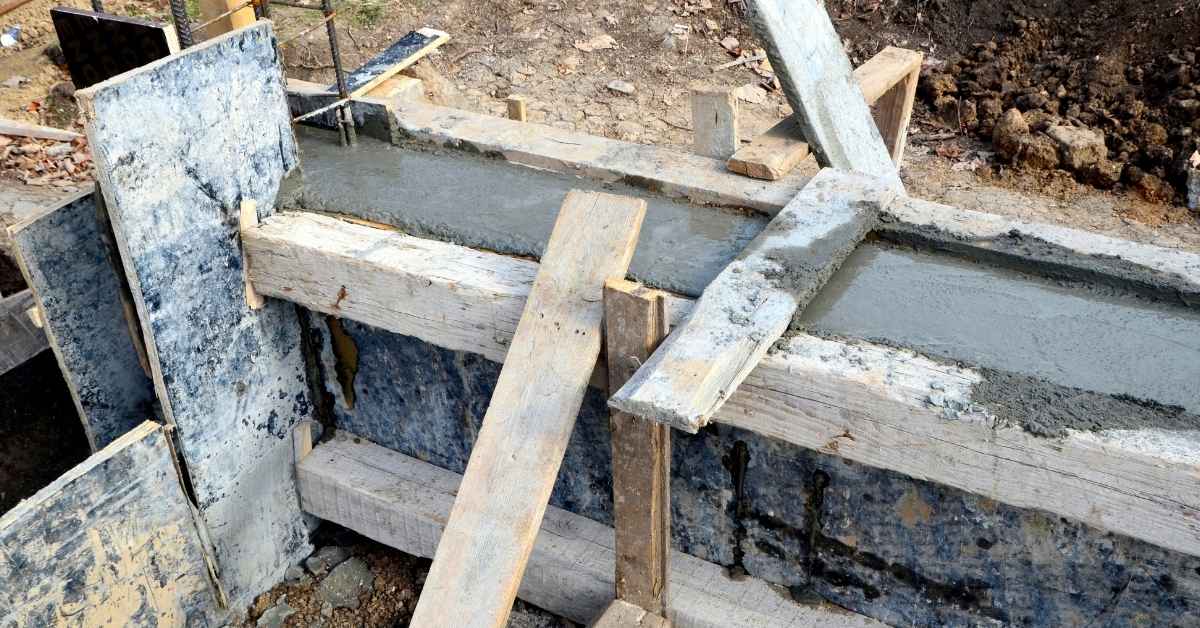
Common errors in formwork setup can increase the risk of blowouts under vibrator-induced pressure. These mistakes include insufficient ties, weak joints, and poor sealing.
- Insufficient Ties: Inadequate tying allows formwork to move or shift during vibration, leading to blowouts. To avoid this, add additional ties to strengthen formwork and prevent movement.
- Weak Joints: Poorly connected joints can leak concrete or allow blowouts to occur. Ensure joints are properly sealed using a suitable sealant or tape.
- Poor Sealing: Gaps between forms allow concrete to escape, leading to blowouts and waste. Inspect formwork for any visible gaps before pouring concrete.
To prevent these issues, implement a pre-pour inspection routine for formwork. This should include checking ties, joints, and seals using a visual checklist or manufacturer’s guidelines. Address any identified issues before pouring concrete to minimize the risk of blowouts.
Selecting the Right Vibrator and Accessories for DIY Jobs
Selecting the right vibrator for a DIY pour hinges on form size, concrete consistency, and access. Needle/immersion units excel in tight or narrow forms where penetration is needed, while external pad systems cover larger areas more quickly. Always check manufacturer guidance and rental terms to match the tool to the project and to verify recommended accessories and duty cycles.
This choice matters because proper vibration reduces honeycombing and blowouts and makes cleanup easier. For small boxes or narrow widths with limited access, immersion vibrators can improve penetration and compaction; for deeper pours or broader forms, external pads can area-vibrate more effectively. Consider form dimensions, slump, and site access, then plan for backup options or rentals and confirm that power sources, hoses, and clamps will reach the pour without strain, along with any required PPE and maintenance routines as per guidance.
Types of vibrators and practical use-cases
When selecting a concrete vibrator for your DIY job, you’ll encounter two main types: needle/immersion (probe) vibrators and external/vibration pad systems. Each has its own strengths and is suited to different scenarios.
Needle/Immersion Vibrators are ideal for deep pours and narrow forms where access is good. They work by inserting a probe into the concrete, allowing it to move freely and compact the material effectively. This type of vibrator is particularly useful in preventing honeycombing and blowouts in hard-to-reach areas.
External/Vibration Pad Systems, on the other hand, are perfect for wide, shallow pours and hard-to-reach areas. They work by transferring vibrations through formwork to compact the concrete. While they can be less effective at preventing honeycombing in deep pours, they excel in situations where access is limited.
What to check: probe size, power, and compatibility
Before renting or purchasing a concrete vibrator, it’s crucial to verify certain specifications to ensure the equipment matches your DIY formwork needs.
- Probe Size: Ensure the probe fits your form dimensions. An undersized probe may not reach all areas of the pour, leading to inadequate compaction and potential honeycombing or blowouts.
- Power Output: Confirm the vibrator’s power output matches your concrete volume needs. A low-power unit may struggle to compact large volumes efficiently.
- Compatibility: Verify the vibrator is compatible with your power source (electric or pneumatic). Using an incompatible power source can damage the equipment and void warranties.
- Duty Cycle: Check the manufacturer’s guidelines for recommended duty cycles to prevent overheating and ensure optimal performance.
- Noise Levels: Consider noise levels, especially if working in residential areas or during restricted hours.
- Safety Features: Ensure the vibrator has safety features like automatic shut-off when overloaded or tipped.
- Warranty and Support: Verify warranty coverage and available support from rental shops or manufacturers.
- Probe Material: Check probe material for durability and suitability to your concrete mix (e.g., steel for heavy mixes, aluminum for lighter ones).
Quick rule: Always review manufacturer guidelines, datasheets, or rental agreements to ensure you’re selecting the right vibrator for your specific needs.
Accessories and setup essentials (hoses, couplers, guards)
Using the correct accessories with your concrete vibrator is crucial for reducing downtime, protecting operators, and ensuring proper equipment performance.
Hoses and Couplers: Inspect these components before use to check for wear or damage. Damaged hoses can leak air or fluid, leading to reduced vibrator performance or even equipment failure. Incompatible couplers may cause leaks or disconnect unexpectedly.
Vibration Isolation Pads: Use these pads between the vibrator and formwork to protect forms from excessive vibration, which can cause damage over time. They also help reduce noise transfer to surrounding areas.
Personal Protective Equipment (PPE): Wear appropriate PPE during setup and operation, including safety glasses, gloves, and hearing protection. Vibrators generate high levels of noise and can cause hand-arm vibration syndrome with prolonged use without proper protection.
Proper Vibration Techniques for DIY Formwork
Focus on minimizing air entrapment and form stress through steady sequencing. Use a consistent rhythm, overlap passes, and controlled withdrawal. Practice on a small mock pour to build confidence.
Insertion technique should start with gentle contact and gradual penetration. Move in a systematic pattern to cover all areas and avoid dead zones. Watch for signs of improper vibration, such as honeycombing spots or uneven compaction.
Insertion, dwell, and withdrawal best practices
Begin by ensuring your vibrator is functioning correctly. Insert the probe gently into the concrete, starting at a depth of about one-third to one-half the form’s height. Avoid pushing air into corners by gradually penetrating while maintaining contact with the form.
If you encounter no resistance when reaching the desired depth, begin vibration gently to allow concrete to flow into voids without creating new ones. Withdraw the probe steadily, allowing material to consolidate around it. Reinsert at an adjacent area if air pockets form.
Common mistakes include moving the vibrator too quickly in or out of the concrete, which can create air pockets. Always maintain contact with the form and avoid rapid pull-outs that may cause air entrapment.
Sequencing pours and overlap strategy
Plan your insertion points based on form dimensions and vibrator reach. Start at one corner of the form, ensuring the vibrator can maintain contact with the concrete throughout its pass.
Once a pass is complete, begin the next pass with intentional overlaps to ensure continuous consolidation across the pour. Avoid gaps between passes that may trap air and create dead zones.
If gaps are detected, adjust your pattern to ensure full coverage. Practicing on a small mock pour can help you refine your technique and identify any necessary adjustments before pouring larger forms.
Managing pressure and preventing blowouts while vibrating
Protect formwork integrity by controlling pour rates, leveling placement, and adjusting vibrator use. Ensure forms are properly braced and leveled before pouring to minimize lateral pressure.
Verify that the pour rate is within recommended limits for your form size and strength. If it exceeds these limits, adjust your vibrator use to match the pour rate and prevent excessive pressure buildup.
Signs of excessive pressure include form distortion. If detected, reduce the pour rate or adjust vibrator use immediately to avoid structural damage. Regularly inspect forms during pouring to monitor their condition and make any necessary adjustments.
Tools and Materials Checklist + Material Specs Explained
Prepare a DIY-friendly checklist that includes a mixer or mixing container, rake, shovel, trowel, level, float, tamper, and appropriate PPE. Note any formwork tools or vibration accessories required. Include space for a quick pre-pour review.
Explain material specs in plain language, covering workability and basic mix options. Provide simple notes on aggregate grading and how to verify compatibility with the chosen form and vibration plan.
Essential tools, PPE, and backup items
Having the right gear ensures a smooth, safe pour. Here’s what you need:
- Concrete vibrator: Rent or purchase based on your project size.
- Spare probes/hoses: Backups prevent unexpected delays and maintain consistent vibration.
- Wedges: Secure forms in place to prevent shifting during vibration.
- Tie tools: Ensure proper alignment and strength of form ties.
- Ear/eye protection, gloves, boots, respirator: Essential PPE for safety during mixing and pouring.
Concrete mix considerations that affect vibration
Before you pour, check these mix properties to optimize vibration:
- Slump/workability: Confirm with supplier; adjust vibration technique accordingly.
- Aggregate size: Check for compatibility with formwork and vibration needs.
- Entrained air: Verify with supplier to prevent segregation during vibration.
- Water-to-cement ratio: Ensure it’s within acceptable range (0.45-0.6) for strength and workability.
Quick rule: Match mix properties with appropriate vibration technique to prevent segregation and enhance pour quality.
Formwork materials and bracing to resist vibrator loads
The right form material and bracing prevent blowouts and maintain form integrity:
- Wood forms: Suitable for small, simple pours; check for signs of wear or weakness.
- Steel forms: Ideal for large volumes and complex shapes; ensure adequate bracing.
- Form ties/bracing: Use appropriate ties to secure forms and prevent blowouts.
- Release agents: Apply to form surfaces to prevent sticking logs and aid demolding.
Repair Methods for Honeycombing and Blowouts
Assess whether defects are cosmetic or structural by measuring depth and area and noting proximity to reinforcement. Distinguish surface honeycombing from deeper voids. Identify any blows that expose rebar.
Decide between immediate patching or a full re-pour based on the defect’s location and severity. Document the defect and plan, and consider engineering input for critical areas.
Immediate Field Fixes and Containment After a Blowout
If a form failure occurs during pouring, act swiftly to stabilize the site, contain concrete loss, and protect adjacent work and workers. Safety is paramount, so stop the pour immediately, alert your team, and don your safety gear.
Secure the area by blocking off any affected zones. Stabilize the formwork using temporary supports or shoring to prevent further collapse. Assess the damage, checking for exposed reinforcement. If rebar is visible, call an engineer immediately.
Seal the affected area with a suitable material to contain any remaining concrete and prevent it from losing moisture. Re-secure the formwork using clamps or ties. Re-check your pour schedule and perform a concrete beak test or cover the exposed area to prevent additional moisture loss. Ensure proper re-curing of the repaired section.
Repairing Honeycombed Areas: Patching vs Reconstruction
When dealing with honeycombing, decide between cosmetic patching and structural reconstruction based on the severity of voids. Stop further disturbance, secure the area, and stabilize the formwork.
Assess the scope and severity of voids by measuring their depth, area, and proximity to rebar. If voids are deep or structurally concerning, consider a full re-pour instead of patching. For surface honeycombing, remove loose material and clean voids before applying appropriate fill such as tiller grout or low-slump repair grout. Re-tamp the area with proper vibration or rodding techniques.
For surface repairs, use compatible patch mortars and bonding agents. Grind the surface to ensure a smooth finish that accepts finish coats. Consider curing requirements to prevent future issues. If voids are deep or structurally concerning, consult an engineer before proceeding with any repair work.
When to Involve an Engineer or Inspector
Document all defects with photographs and timestamps for future reference. If damage is extensive, involves load-bearing members, or has large-volume defects, consider involving a professional engineer or inspector. They can provide expert evaluation and guidance.
Assess the damage thoroughly, checking for any involvement of load-bearing members or large-volume defects. If rebar is damaged or exposed, or if patching would compromise the structural integrity of the concrete, call an engineer immediately. Follow proper personal protective equipment (PPE) guidelines and confined-space protocols when working in affected areas.
Note any inspections or approvals obtained during the repair process. This will help maintain a complete record of the work done and ensure compliance with relevant standards and regulations.
Safety, Planning, and Cost Considerations for Diyers
List essential PPE and safe operating procedures for vibrators, including pre-use checks and proper stopping methods. Emphasize the need for training or supervision for DIYers handling concrete vibrators.
Plan the layout, select the appropriate vibrator type, and outline cost options such as buying, renting, or pro-hire. Compare risks and document quotes and manuals to inform your decision.
Safety Precautions and Operator Training
Ensuring safety while operating concrete vibrators is paramount. Essential personal protective equipment (PPE) includes eye/face protection, hearing protection, gloves, a dust mask or respirator, and steel-toe boots.
Pre-use inspection: Check the vibrator’s condition before each use. Ensure probes are straight and undamaged, and that all safety guards are in place.
Handling probes: Be cautious when handling probes to avoid bending or breaking them. Always follow lockout/tagout procedures to prevent accidental start-up during maintenance.
If you’re a first-time user, undergo short hands-on training or supervised practice to familiarize yourself with the equipment and its safe operation.
Budgeting and Cost Trade-offs (Rental, Hire, Rework Risk)
Controlling project costs involves careful consideration of equipment rental, form upgrades, and potential rework. Renting a vibrator may be cheaper than purchasing one, but consider the total cost including fuel, maintenance, and potential repairs.
Form upgrades: Investing in better formwork can reduce honeycombing risk, preventing costly rework later on. Weigh this against the initial investment.
Hiring specialized help: For complex pours with high liability, consider hiring a professional. While it may increase costs initially, it could save you from expensive mistakes and potential legal issues.
Regularly review quotes from equipment suppliers and professionals for critical pours to ensure you’re making the most cost-effective choices.
Post-Pour Inspection and Maintenance Planning
After curing, perform routine inspections to spot delayed defects and plan preventive maintenance for future pours. This helps extend equipment lifespan and prevents unexpected failures.
- Inspect forms: Check for signs of delayed honeycombing or other defects after the concrete has cured.
- Check probes: Inspect vibrator probes for wear, damage, or bending. Replace if necessary to maintain optimal performance.
- Verify compressor performance: Ensure the compressor is delivering adequate air pressure and flow rate for your vibrator.
- Clean and lubricate: Regularly clean and lubricate the vibrator according to the manufacturer’s instructions to prevent equipment failure.
- Check safety features: Ensure all safety guards are in good working order and that emergency stop buttons function correctly.
- Review records: Keep detailed records of inspections, repairs, and maintenance performed on your vibrator.
- Plan for future pours: Based on your inspection findings, plan any necessary upgrades or repairs before your next pour.
Quick rule: Schedule regular maintenance to prevent equipment failure and keep records of inspections and repairs to ensure optimal performance over time.
Conclusion
Getting vibration right protects your concrete from honeycombing and blowouts, improves surface quality, and reduces costly rework while keeping you safe on the job site.
Before your next pour, verify the vibrator selection and setup, run a quick test in a small area, check formwork for tight joints, and follow a practical sequence: position the vibrator per instructions, apply steady, short pulses to avoid overworking any one spot, monitor for changes in the concrete surface, and stop to re-evaluate if air pockets remain or staining appears. Confirm power supply, placement depth, and timing with a dry run, then proceed with staggered passes that respect formwork and rebar, keeping safety gear on and tools in good condition.
Common mistakes to avoid include rushing the start, overworking the mix, and neglecting consistent placement that leaves gaps or voids. Always keep hands, sleeves, and loose clothing clear of moving parts, test on a small patch first, and verify that the chosen vibrator and accessories match the job size and formwork; consult the manufacturer’s instructions and local rules if you are unsure. If you encounter persistent honeycombing, blowouts, or unusual cracking after the initial pour, pause, reassess the form, mix, and vibration plan, and consider professional guidance before continuing; a careful pause now can prevent larger issues later.
FAQ
How can you identify honeycombing and blowouts in a DIY concrete pour?
Look for visible voids, rough or flaky surfaces, and small air pockets that break the surface. Cavities may appear as pale, hollow spots when you strike the concrete and listen for a dull sound. Check for areas that show inconsistent density along the form walls and near corners.
What are common causes of honeycombing and blowouts for DIY pours?
Insufficient vibration, improper vibrator placement, and overly long spacing between insertions can create voids. Poor concrete mix, excessive slump, or segregation can also contribute. Movements that trap air or prevent paste from filling form edges lead to these issues.
How should you use a concrete vibrator to prevent these problems?
Keep the vibrator in contact with the concrete at short, controlled intervals to avoid overworking the mix. Move the vibrator slowly and steadily, working from the center toward the edges and around corners. Do not rest the vibrator on formwork, rebar, or new sections, and always follow the manufacturer’s instructions.
What techniques help prevent honeycombing during pouring and finishing?
Ensure the pour is continuous and of manageable height to avoid cold joints. Use proper consolidation and keep rebar and forms clean and properly set. Plan for adequate vibration coverage and avoid large gaps between vibratory insertions.