
Introduction
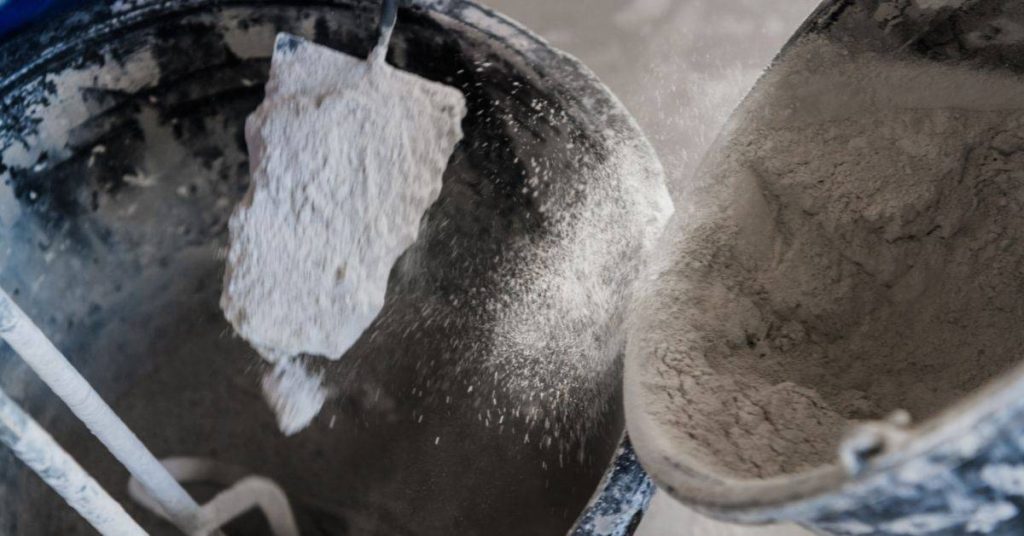
Concrete mixing in 5-gallon buckets is making small batches of concrete using a bucket as your mixing vessel. This approach works well for quick patches, tiny fills, and simple touchups. You’ll typically combine materials in small, single-session batches.
Keep the mix consistent so you get a uniform texture each time. Use clean buckets, a sturdy paddle, and add water gradually until the texture feels workable. If you’re unsure about ratios or curing, check the material’s instructions and local rules for safe, proper guidelines.
Key takeaways
- Label each bucket with mix date, target ratio, and project name.
- Stir in small additions gradually to avoid lumping and inconsistent strength.
- Record weight-based measurements alongside volume estimates for repeatable results later.
- Keep buckets clean and materials organized to minimize mistaken pours.
- Protect fresh concrete from drafts and sun to prevent cracking.
- Observe cure times within guidance and avoid early finishing that damages strength.
Table of Contents
- Introduction
- Key takeaways
- Why Use 5-Gallon Buckets for Small Concrete Jobs
- Tools and Materials Checklist
- Understanding Repeatable Ratios: Volume Versus Weight
- Creating and Documenting Repeatable Mixes
- Step-by-Step Mixing Process for Consistent Results
- Adjusting Mixes for Aggregates, Additives, and Finish Requirements
- Yield Estimation, Scaling, and Waste Reduction
- Curing, Finishing, and Troubleshooting Common Issues
- Conclusion
- FAQ
Why Use 5-Gallon Buckets for Small Concrete Jobs
Small projects benefit from the portability and manageability of 5-gallon buckets. They let you mix in small batches without large equipment or a full mixer setup. This approach works well for patching, edging, and light fill work around the site.
Bucket mixing also helps you control work pace and cure time for DIY projects. Check the project limits and align your choice with recommended use from product instructions or local codes to avoid overloading a single batch.
Appropriate projects and scale
Bucket mixing is perfect for small, specific jobs. It’s ideal for repairs like patching cracks or fixing damaged areas.
Anchors, post bases, and stepping stones are other great uses. You can mix just what you need, reducing waste.
Bag mixes or ready-mix are better for larger projects like driveways or foundations. They offer more volume and consistency.
Benefits and limitations compared with wheelbarrow or bag mixing
Bucket mixing beats wheelbarrow mixing in portability. You can carry it to hard-to-reach spots.
It also helps control waste. Mix only what you need, reducing leftovers.
The consistency is great too. Each batch is the same, ensuring a uniform mix.
However, consolidation and finish quality might not be as good as larger mixes. For big projects, consider other methods.
Tools and Materials Checklist
Start with sturdy buckets, a mixing paddle, a scoop or gauge for measurement, and a trowel or small float for finishing. Include a bucket mixing paddle to keep the mix uniform. PPE like gloves and eye protection should be on hand for every session.
Choose cement, sand, and aggregate that support repeatable results, and read the product label or data sheet for guidance. Verify any special handling or humidity requirements before mixing.
Bucket types, liners, and marking techniques
Use this checklist when selecting buckets for your concrete mixing project to ensure repeatable results.
- Durable 5-gallon buckets: Choose heavy-duty plastic or galvanized steel buckets that can withstand repeated use and the weight of wet concrete.
- Bucket liners (optional): Use when mixing small batches to prevent sticking. Confirm they fit snugly for easy removal.
- Fixed-volume reference lines: Mark 1-gallon, 2-gallon, etc., increments on the bucket’s exterior using a permanent marker or paint.
- Partial-fill reference lines: Mark every 1/4 gallon for precise measuring of small quantities. This helps maintain consistent mix ratios.
- Avoid damaged buckets: Inspect buckets for cracks, holes, or other damage that could compromise their structural integrity.
- Bucket handles: Ensure bucket handles are secure and intact to prevent spills during mixing and pouring.
- Bucket lids (optional): Use when transporting mixed concrete to keep it moist and maintain consistency until use.
- Cleanliness: Ensure buckets are clean before use to avoid contamination of the concrete mix.
Quick rule: Always inspect your buckets before starting a project to prevent unexpected issues that could disrupt your work.
Mixing tools, measuring aids, and safety gear
Use this checklist when gathering mixing tools and safety equipment to ensure a smooth and safe concrete mixing process.
- Hand mixing tools: Use sturdy, long-handled shovels or hoes for manual mixing. Ensure they’re clean and in good condition.
- Power mixing tools (optional): Consider using a drill with a mixing paddle attachment for larger batches to save time and effort.
- Measuring aids: Use a measuring cup or scoop for accurate ingredient measurement. A small, graduated bucket can also help measure water precisely.
- Scales (optional): For precise mix ratios, use a small kitchen scale to weigh ingredients like cement and aggregates.
- Safety glasses: Protect your eyes from debris by wearing safety glasses during mixing and handling concrete.
- Work gloves: Use heavy-duty work gloves to protect your hands from cuts, abrasions, and cement burns.
- Dust mask: Wear a dust mask when handling dry cement or aggregates to prevent inhalation of harmful particles.
- Protective clothing: Wear long sleeves, long pants, and sturdy boots to protect your skin from concrete and other hazards.
Quick rule: Always prioritize safety when handling cement and mixing concrete. The right gear can prevent injuries and ensure a successful project.
Understanding Repeatable Ratios: Volume Versus Weight
Volume measurements are quick and easy for DIY work, but they can vary with haul and compaction. Weight measurements bring more consistency across batches. Decide which method you will use and apply it consistently.
Explain to readers that repeatability improves when they stick to the same measuring approach and document the method. Always verify any critical spec on the label or manufacturer instructions before mixing.
Why repeatability matters for strength and workability
Consistency is key in concrete mixing. A slight change in proportions can lead to significant differences in the final product’s strength, workability, and finish.
Curing time also varies with different mixes. Too much water makes concrete weak and slow to cure. Not enough water makes it hard to work with and prone to cracking.
Test batches are crucial. Mix small amounts first to validate your chosen ratios. This ensures you get the right mix for your project, every time.
Pros and cons of volume-based versus weight-based measuring
Both methods have their pros and cons. The best choice depends on your project’s scale, available tools, and personal preference.
Pros of Volume-Based Measuring
- Easier to do with basic tools like buckets and shovels.
- Faster for large quantities.
- More forgiving if ingredients aren’t perfectly dry or compacted.
Cons of Volume-Based Measuring
- Less accurate due to variations in ingredient density.
- Harder to achieve consistent results.
- Requires frequent calibration for different materials.
On the other hand, weight-based measuring is more accurate but requires scales. Always verify your method against product data sheets.
Creating and Documenting Repeatable Mixes
Develop a simple system to record mixes, such as a small notebook or checklist. Include batch date, method, and material lot references. Use consistent naming for each mix so you can recreate it later.
Label buckets or bags with the mix ID and rough lot notes. When in doubt, reference the manufacturer instructions or product data sheet for guidance on proportions and compatibility with additives or fibers.
Measuring, marking, and calibration routines
First things first, you need to turn your 5-gallon bucket into a reliable measuring unit. Here’s how:
1. Fill the bucket with water until it’s full. Mark this level on the outside of the bucket. This is your ‘wet’ volume measurement.
2. Now, fill the bucket with dry materials like sand or cement. Mark this level too. This gives you your ‘dry’ volume measurement.
To keep it reliable, check and recalibrate every few batches. Account for any settling by adding a bit extra when mixing.
Mix cards and batch logs for small projects
A mix card is your recipe book for concrete. Here’s how to make one:
1. Use a simple table format on a piece of paper or print out a template online.
2. Record the following details for each batch: date, materials used (type and amount), water added, weather conditions, and outcome (strength, workability).
Keep these cards in a safe place. They’ll help you replicate successful mixes in the future.

Step-by-Step Mixing Process for Consistent Results
Begin with dry blending of the dry components to achieve an even base. Add water gradually and mix to a target consistency, stopping to recheck texture. Keep the mixing time short enough to avoid segregation but long enough for uniformity.
After the mix looks uniform, inspect for moisture and adjust if needed using a consistent method. If you’re unsure about a value, verify the instructions on the product label or data sheet before proceeding.
Step-by-Step Process
Follow these practical steps for a consistent, high-quality concrete mix.
- Preparation: Gather tools, materials, and safety gear. Ensure your mixing site is flat and clean.
- Dry blending: Combine cement, sand, and aggregate in the correct ratio using your marked buckets.
- Main mixing: Add water incrementally, mixing well after each addition. Use visual checkpoints to ensure consistency.
- Slump test: Perform a simple field slump test to verify workability. Adjust water as needed.
- Cleanup: Clean tools and site promptly to prevent concrete from setting and becoming difficult to remove.
Dry mixing order and blending technique
Proper dry mixing ensures a homogeneous blend before adding water. Start with the fine materials:
Cement: Pour cement into your bucket first to create a base layer.
Sand: Add sand next, distributing it evenly over the cement. This helps prevent clumping and promotes better blending.
Aggregate: Finally, add aggregate, spreading it out gently to avoid breaking up the sand-cement layer below. Mix thoroughly with a shovel or hoe until you achieve a uniform color and texture.
Water control, visual checkpoints, and slump checks
Add water incrementally to maintain control over your mix’s consistency. Use these visual checkpoints:
- Initial addition: Add about 1/4 of the required water at first, mixing well to combine dry and wet materials.
- Midway point: Check for any dry spots or clumps. If present, add a little more water and mix again.
- Final stages: Slowly add remaining water, checking for desired consistency.
- Slump test: Perform a simple slump test by filling a cone (available at hardware stores) with your mix, leveling the top, and removing it. The concrete should slump slightly but maintain its shape. If it’s too soupy or dry, adjust water accordingly.
Quick rule: Always add more water slowly; you can always add more, but you can’t take it away once it’s in the mix.
Mixing time and when a batch is unusable
Adequate mixing time ensures a strong, consistent concrete. For bucket mixes, aim for around 5-10 minutes of total mixing time.
Signs of an unusable batch:
Segregation: If you see distinct layers or bands of different materials, the mix has segregated and should be discarded.
Excessive dryness: If the mix is too dry to hold together, add more water and remix. However, if it remains excessively dry after multiple attempts, discard the batch.
Soupy texture: If the mix is overly wet and soupy, it may have been overwatered or not mixed enough. Discard and start again with proper mixing and water control.
Adjusting Mixes for Aggregates, Additives, and Finish Requirements
Aggregate size and moisture content influence workability and set. When you adjust, document the reason and the resulting feel of the mix. Follow any recommended ranges or guidance from the manufacturer.
Admixtures like plasticizers or fibers can change performance; use them only as directed and verify compatibility with your base mix. Always check the product instructions or label before mixing in additives.
Accounting for Aggregate Grading and Moisture
When adjusting your mix, consider the type of aggregates you’re using. Coarse or fine aggregates will affect your cement-to-water ratio.
If you’re using damp or washed aggregates, reduce water. Wet sand can add up to 10% more moisture, so cut back on water accordingly.
For a smoother finish, use finer sand. But if you need strength and durability, opt for coarser aggregates. Adjust your cement proportion to maintain the same mix ratio.
Using Admixtures and Reinforcement Fibers
Admixtures can improve workability, accelerate setting time, or add decorative effects. Always follow the manufacturer’s guidelines for dosage.
Workability aids like plasticizers help with pumping and placing concrete. Test a small batch first to ensure it meets your needs.
Accelerators speed up setting time, useful in cold weather or when you need quick strength gain. Again, test a small batch before using it on your entire project.
Reinforcement fibers add tensile strength and control cracking. They’re easy to use – just mix them into your dry materials before adding water. Follow the manufacturer’s recommendations for dosage.
Yield Estimation, Scaling, and Waste Reduction
Estimate how much a bucket batch will cover or fill based on your project area and desired thickness. Use simple math from your chosen mix to determine how many buckets you’ll need. Plan for a small waste margin to account for spillage or waste.
Record your counts and adjust for any extra mix you prepare. When in doubt about waste limits or batch size, consult the product label or manufacturer instructions to stay within guidelines.
Estimating yield and coverage per mix
Before you start mixing, you need to know how much concrete your project will require. Here’s a simple way to estimate that:
First, fill a 5-gallon bucket with mixed concrete. Let it settle for a few minutes, then scrape off the excess from the top. Measure the height of the wet concrete in the bucket. This is your yield per batch.
Now, calculate how many batches you’ll need. For example, if your project requires 10 cubic feet of concrete and each batch yields 0.67 cubic feet (5 gallons), you’ll need about 15 batches. Always round up to account for waste and errors.
Efficient batching and continuity for pours
When pouring concrete, consistency is key. Here’s how to pace your batches:
Start by mixing a few extra batches as a buffer. This ensures you have enough concrete ready when needed and reduces the risk of cold joints – weak points where new concrete meets old.
For small pours, mix one batch at a time, using it immediately after mixing. For larger projects, mix two or three batches simultaneously, staggering their start times so they’re ready to use in sequence. This keeps your pour going smoothly and reduces waste.
Remember, concrete sets quickly once mixed. Keep an eye on the clock and adjust your mixing pace accordingly. It’s better to have a little concrete waiting than to run out mid-pour.
Curing, Finishing, and Troubleshooting Common Issues
Finish the surface while the concrete is workable, using light, even strokes to avoid flaws. Begin curing according to the DIY-friendly guidelines that fit your timeline, humidity, and temperature. Check for surface defects early and plan quick fixes if needed.
Common issues like including feathering or cracking can be addressed with prompt intervention. If problems arise, verify curing recommendations and material compatibility from the product instructions or data sheet before proceeding with repairs.
Finishing methods for small pours and molds
Once you’ve poured your concrete, it’s time to finish the surface. For small pours and decorative applications, use these practical techniques:
Tamping: Use a hand tamper to compact the concrete and remove air pockets. Work from the bottom up, starting at the farthest point from you.
Screeding: Level off the surface with a straight edge (screed). Hold it against your forms and pull it towards you, removing excess concrete and creating a smooth surface.
Light troweling: After initial setting, use a magnesium or steel float to smooth out any imperfections. Work in small sections at a time.
Common problems (cracking, segregation, weak mixes) and fixes
Even with careful mixing, issues can arise. Here are some common defects and solutions:
Cracking: Cracks can form due to rapid drying or settlement. To prevent, keep the concrete moist during curing. If cracks appear, fill with a concrete crack filler.
Segregation: This occurs when aggregates separate from the cement paste. It’s often caused by over-vibration or not mixing enough. Prevent by following your mix design and avoiding excessive vibration. If it happens, remove and remix the affected area.
Weak mixes: Weak concrete can result from improper mixing, incorrect ratios, or poor-quality materials. Always follow your mix design and use quality materials. If strength is an issue, consult a professional to test and adjust your mix.
Conclusion
With a 5-gallon bucket system and repeatable ratios, you can deliver solid, durable concrete results for small projects while keeping safety and consistency front and center.
Before you mix, verify your bucket size and your chosen ratio, measure the dry materials and water carefully, document the exact steps and batch size, mix in the recommended order, test a small trial to confirm consistency, and protect the work area with proper curing and cleanup plans.
Avoid common mistakes like adding too much water, using the wrong aggregate size, or skipping proper curing and jointing. Don’t ignore PPE, ventilation, and spill control, and never rush the cure or pour on a dirty surface; keep a clean workspace, follow the documented ratios, and test each batch on a small scale before committing to the full project.
If the job is outside your experience, involves structural loads, or needs a precise finish beyond a simple pour, consider bringing in a pro. Stay disciplined, work in stages, and you’ll finish strong with a solid, lasting result.
FAQ
How can I tell if my bucket mix stays consistent across batches?
Keep a simple log of what you add and the batch results. Stick to the same order you mix in and aim for the same feel and workability each time. If something looks off, stop and check the label or manufacturer instructions.
What are red flags in the bucket that tell me the mix is wrong before I pour?
Look for separation, clumping, or a mix that feels too dry or too sloppy. If the color or texture changes a lot between batches, stop and reassess with the product instructions. Don’t pour a batch that doesn’t look right.
How should I clean up and prevent cross-contamination when switching mixes?
Rinse the bucket and tools before swapping products. Use a separate bucket if you must switch to a different mix, and label it. Let all parts dry before reuse to avoid carrying over old residues.
How do I handle additives safely in a 5-gallon bucket mix?
Read the product label and follow the manufacturer’s guidance. Do a small test batch first to confirm compatibility, then scale only if the test passes. If in doubt, check local rules or ask for product instructions.