
Introduction
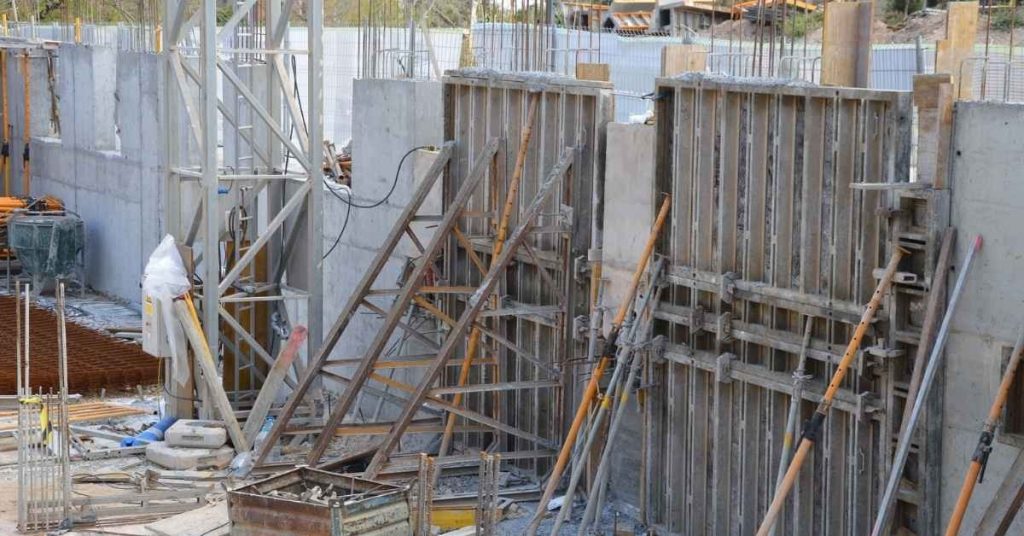
A concrete form bracing checklist is a quick, practical pre-pour verify-before-you-commit guide to ensure form supports and braces are secure. Use it to confirm the setup is stable, true, and ready for concrete placement. It also helps you spot gaps in formwork setup, reinforcement placement, and material readiness before you mix and pour.
Start with the site and materials: clear the area, check boards and braces for damage, and confirm all form panels are aligned. Verify formwork setup visually and by touch, checking for plumb, level, and tight joints before any pour. Finally, review reinforcement placement and embedment, ensuring bars are correctly positioned and supported as required by your project and local rules.
Key takeaways
- Verify form bracing is aligned, plumb, and securely anchored before pour starts.
- Confirm reinforcement placement and embedments clearances meet drawings and manufacturer guidance.
- Check site prep: clean footing area, remove debris, and protect form panels.
- Inspect formwork joints, ties, and bracing members for tight connections.
- Review load path and contingency measures with crew before pour.
- Monitor during-pour sequence for movement, jitter, or exposed bracing; stop and evacuate if noticed.
Table of Contents
- Introduction
- Key takeaways
- Why a Focused Pre-Pour Form Bracing Checklist Matters
- Step-by-Step Pre-Pour Form Bracing Inspection Checklist
- Tools, Materials, and on-Site Preparedness
- Materials and Mix Verification Before Pour
- Reinforcement, Embedments, and Clearance Verification
- During-Pour Monitoring: Placement, Sequencing, and Form Performance
- Post-Pour Finishing, Curing, and Assessing Formwork Performance
- Safety, Environmental Controls, and Emergency Response
- Conclusion
- FAQ
Why a Focused Pre-Pour Form Bracing Checklist Matters
A focused pre-pour bracing checklist helps catch issues before concrete is placed, preventing catastrophic form failure, project delays, and liability exposure. It emphasizes verifying the integrity of braces, shoring, horizontal and vertical alignment, form ties, plywood panels, cam-locks, wedges, and anchorage points. A brief cost-consequence view shows how rework, delays, material waste, and exposure to liability can arise from missed checks.
The checklist establishes who checks what, when to verify everything during form assembly and rebar placement, and how to sign off to ensure accountability. A quick on-site cue involves visually spotting misalignment or loose connections and physically testing brace stability, while an experienced installer confirms all components are intact and secure. If any signs of under-bracing, shifting, or instability appear, halt work, reassess, and adjust bracing before continuing to reduce risk.
Risk and cost of missed bracing issues
Perform this checklist just before pouring concrete to prevent costly failures.
- Brace integrity: Check for cracks, corrosion, or loose connections. Damaged braces can lead to form blowouts during pour.
- Shoring alignment: Ensure shoring is level and plumb. Misaligned shoring can cause settlement issues.
- Form tie integrity: Verify form ties are tight and undamaged. Loose or damaged ties can result in misalignment during pour.
- Plywood panel condition: Inspect for cracks, warping, or delamination. Damaged panels can leak concrete or collapse under pressure.
- Cam-lock function: Test cam-locks to ensure they secure forms properly. Malfunctioning locks can cause form movement during pour.
- Wedge tightness: Check wedges are securely in place and not loose. Loose wedges can allow form movement under pressure.
- Anchorage points stability: Ensure anchorage points are secure and bear no signs of stress. Unstable anchorage points can cause form failure during pour.
- Under-bracing: Look for any signs of under-bracing, such as excessive deflection or movement. Under-bracing can lead to catastrophic failure during pour.
Quick rule: Address any issues promptly to prevent pour delays and additional costs.
Liability, insurance, and contractual sign-offs
Conduct this inspection before pouring concrete to minimize liability risks and support insurance claims.
- Engineer-approved plans: Verify that the assembled formwork adheres to approved plans. Deviations can lead to disputes or claim rejections.
- Component standards compliance: Ensure all components meet specified standards and are from approved manufacturers.
- Proper installation: Check that components are installed correctly according to manufacturer instructions. Incorrect installation can void warranties and cause failures.
- Documentation accuracy: Confirm that records match the actual formwork setup. Inaccurate records can lead to disputes or claim denials.
- Sign-off process: Obtain necessary sign-offs from engineers and project managers before proceeding with pours.
Quick rule: Always obtain necessary approvals before pouring concrete to prevent contractual disputes and support insurance claims.
Step-by-Step Pre-Pour Form Bracing Inspection Checklist
Before concrete arrives, walk the formwork footprint, bracing layout, and supports against the drawings. Verify brace type, spacing, cross-bracing, ties, and anchors for anticipated concrete pressure. Ensure plumb and level faces and that all fasteners and wedges are present and undamaged.
A quick on-site check saves rework and reduces risk of leakage or collapse. Use simple cues: a solid tap should sound tight; wobble means tighten or replace. Document readiness with concise notes and sign-off to keep everyone aligned.
Step-by-Step Pre-Pour Form Bracing Inspection Checklist
Follow this sequence to ensure a smooth concrete pour by thoroughly inspecting and preparing your formwork and bracing.
- Walk the site to identify any obvious issues before starting detailed checks.
- Review drawings, gather tools (tape measure, level, plumb bob, etc.), and ensure safety gear is available.
- Verify form faces are sound, aligned, and dimensionally correct using a visual inspection and measurements with your tools.
- Inspect bracing system for secure attachments, adequate spacing, tightness, and redundancy to withstand hydrostatic loads.
- Check connections, hardware, and locking devices for proper tensioning and functionality.
- Ensure formwork ties are correctly positioned and not cutting into rebar; confirm embedded items won’t be displaced during pour.
- Verify access, fall protection, tag-off with pre-pour sign-off, and document field notes or checklist signatures indicating readiness for concrete arrival.
Formwork Integrity, Plumb, Level, and Dimensions
Use this checklist to verify form faces, alignment, and dimensional compliance with drawings before pouring concrete.
- Check for cracks or damage: Visually inspect form faces; any found should be documented or repaired.
- Compare dimensions: Measure formwork dimensions and compare with drawings to ensure compliance.
- Measure diagonals: Check for square by measuring diagonals; if they don’t match, adjust or document the discrepancy.
- Use a level: Ensure vertical alignment of form faces; any misalignment should be addressed or documented.
- Check support points: Verify supports are secure and undamaged; replace or repair as needed.
Quick rule: If formwork is out of tolerance, adjust or proceed with caution after documenting the issue.
Bracing, Ties, Shores, and Connection Hardware
Inspect bracing system components to ensure they can withstand hydrostatic loads before pouring concrete.
- Check brace type: Verify braces are appropriate for the load; replace if necessary.
- Inspect spacing: Ensure braces are spaced correctly according to drawings or manufacturer recommendations.
- Verify cross-bracing: Check that cross-bracing is present and properly installed.
- Check ties, anchors: Ensure ties and anchors are secure and undamaged; replace if needed.
- Inspect locking devices: Test locking devices to ensure they function correctly.
Quick rule: If bracing issues are found, address immediately or document for later action to prevent concrete pour delays.
Visual Checkpoints and Measurement Tips
Use these practical visual cues and simple measurements to quickly identify potential problems before pouring concrete.
- Measure gaps at brace connections: Compare with acceptable tolerances in drawings or specs; excessive gaps may indicate loose bracing.
- Check for deflection signs: Look for gaps between formwork and supports, excessive movement, or misaligned components.
- Verify plumb and level: Use a plumb bob and level to ensure form faces are vertical and horizontal; any deviation should be addressed or documented.
Quick rule: If deflection or misalignment is found, investigate further or document for later action to prevent concrete pour issues.
Tools, Materials, and on-Site Preparedness
A clear on-site workflow helps prevent delays by assigning responsibilities, defining communication, and detailing rapid repair steps for common bracing failures, since skipping inspection may lead to issues.
Visual cues and templates support consistent checks and traceability, while labeled, organized storage reduces misplacement. If loose or damaged components are found, implement a rapid repair plan before proceeding with concrete.
Essential tools and spare hardware
Before starting any pre-pour inspection, ensure you have the necessary tools and replacement parts on hand to address issues promptly.
- Tape Measure: Accurate measurement is crucial for identifying bracing issues. Use a reliable tape measure with imperial or metric markings as needed.
- Chalk Line: Marking out lines on forms helps identify misalignments and ensures straight, level surfaces. Check the chalk line’s condition before use.
- Level: A 2- or 4-foot level is essential for checking form plumb and level. Ensure it’s calibrated correctly.
- Plumb Line: Verify vertical alignment of forms with a plumb line. Check the weight at the end to ensure it hangs freely.
- Flashlight: Inspect dark areas and check for hidden defects. Ensure batteries are fresh.
- Camera: Document issues and progress. Use a durable, job-site appropriate camera or smartphone.
- Quick-Reference Ruler/Checksheet: A ruler with common measurements marked can speed up checks. Include a simple bracing checklist for quick reference.
- Extra Form Ties/Wedges/Clamps: Have extras on hand to replace damaged or missing components. Check their condition before use.
Template and documentation format recommendations
Use a multi-stage checklist template for efficient record-keeping during pre-pour inspections.
- Date: Record the date of inspection to maintain chronological order.
- Crew Details: List crew members present, their roles, and contact information.
- Weather Conditions: Note temperature, humidity, wind speed, and other relevant weather data.
- Form Dimensions: Record form dimensions to ensure they match plans.
- Bracing Checks: List key bracing components (ties, shores, walers) to check their condition and alignment.
- Deviations from Standard: Note any deviations from standard practice or plan requirements.
- Photo Notes: Include space for noting what each photo shows and its location.
- Inspector Sign-off: Include a field for the inspector to sign off on the completed checklist.
- Foreman Sign-off: Include a field for the foreman to confirm all issues have been addressed.
- Engineer Sign-off: Include a field for the engineer to approve the form’s readiness for pouring.
Quick rule: Ensure all responsible parties are familiar with the documentation process and their respective sign-off roles to maintain traceability.
Materials and Mix Verification Before Pour
Verify the concrete mix ticket details, delivery timing, and arrival appearance to ensure the delivered concrete matches project specifications. Confirm cement type and source, aggregate sizes, admixtures, slump class, air-entraining agent, and target strength align with what the project calls for, and check batch numbers and ETA with the delivery team. If anything seems off, pause and document the discrepancy before proceeding.
This matters because early verification helps prevent cold joints, segregation, and other issues that can affect performance. A quick visual check of color, laitance, temperature, and any signs of separation supports a safe decision to accept or request a remix. When slump on arrival falls outside expectations, measure and adjust using approved methods before pouring, and halt work if concrete appears segregated or contaminated. Thorough documentation and sign-off by foreman or QA ensure traceability, and refer back to the mix ticket and project specs to resolve questions quickly. Stakes are high: skipping verification can lead to incorrect concrete, costly rework, and potential safety risks.
Mix ticket, batching time, and delivery checks
The concrete mix ticket is your primary reference for ensuring the delivered material meets project specifications. Before accepting the pour, verify the following details:
Mix ticket: Confirm that the cement type, aggregate sizes, admixtures, slump class, air-entraining agent, and target compressive strength align with your project specs.
Delivery timing: Review the ETA window, number of loads, load sequence, batch numbers, and any delivery constraints to prevent cold joints or segregation. Ensure that transport and capture times are within acceptable ranges as per your project specs.
If any mismatch is observed, notify responsible parties immediately and follow established non-conformance procedures. If necessary, request adjustments, remix, or re-pour to ensure the concrete meets project requirements.
Visual and basic on-site material checks
The appearance of the delivered concrete provides crucial insights into its suitability for pouring. Perform these quick visual checks to identify potential issues before proceeding:
- Color consistency: Check that the color is uniform throughout the load. Any significant variation may indicate contamination or segregation.
- Surface laitance: Ensure the surface has a consistent, smooth appearance. Excessive water can cause laitance, leading to weak bond strength and potential staining.
- Temperature: Verify that the concrete’s temperature is within acceptable ranges for pouring. Extreme temperatures can affect the concrete’s setting time and overall performance.
- Slump on arrival (if feasible): If possible, check the slump of the concrete upon delivery to ensure it meets project tolerances. This helps assess the workability and consistency of the mix.
- Signs of separation or contamination: Look for any signs of segregation, excessive water, or foreign materials. If observed, reject the load pending lab testing to confirm its suitability for pouring.
- Freeze/thaw damage: Inspect the concrete for any visible signs of freeze-thaw damage, such as cracking or discoloration. Such damage can compromise the concrete’s strength and durability.
Reinforcement, Embedments, and Clearance Verification
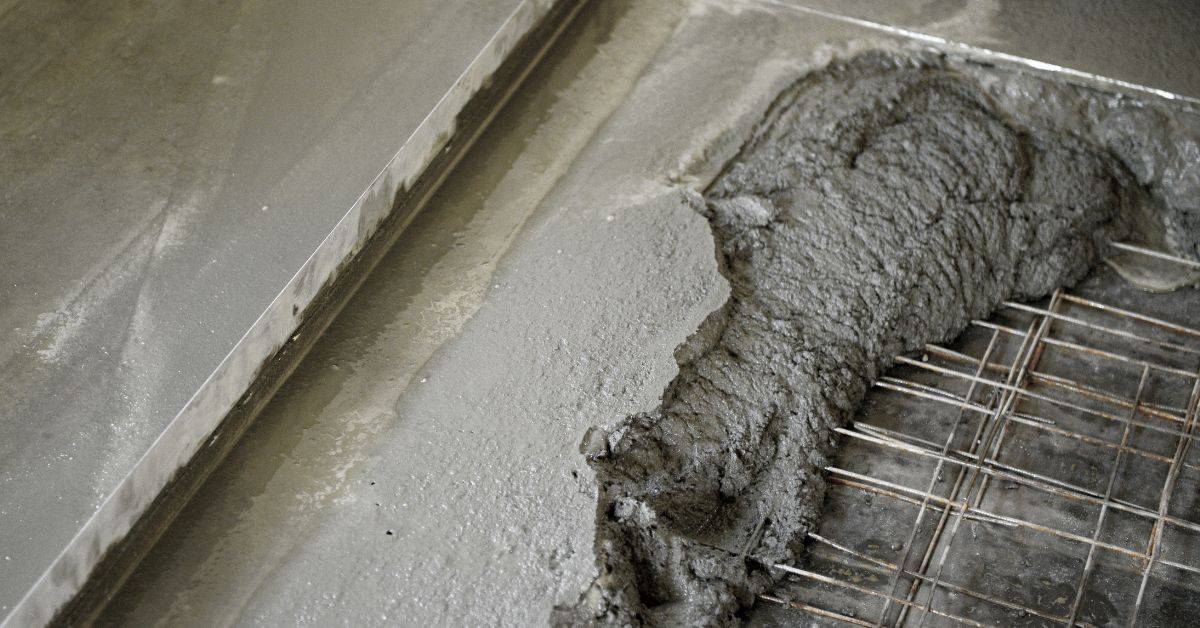
Verify reinforcement placement with secure seating for rebar using chairs and spacers, and check spacing, orientation, and bond where required. Locate all embeds, anchors, sleeves, and plates; confirm depth, orientation, and clearance from form faces, and protect against corrosion. Ensure required concrete cover and clear chamfers or edge distances so bracing isn’t obstructed.
Check that form bracing won’t collide with rebar, chairs, or embeds, and confirm straight pour paths. Document deviations with notes and photos and obtain a formal sign-off before pour, including tolerances for future penetrations. Skipping these checks can lead to alignment issues, corrosion exposure, or pour defects.
Rebar location, ties, and supports
Begin by visually inspecting the reinforcement bars (rebar) to ensure they meet the required size, spacing, and orientation as per your plans. Rebar is a critical stake in your concrete structure’s strength and durability.
Quick check: Look for any rebar that appears too small or too widely spaced, or that seems out of alignment with its neighbors. Also, ensure chairs and spacers are present and properly supporting the rebar to maintain the required cover under load.
Pro check: Verify that each bar’s size, spacing, lap lengths, and orientation match your plans. Use a tape measure or straight edge to confirm proper spacing between bars and from form faces. Check chairs/spacers to ensure they maintain the specified concrete cover around the rebar.
If any rebar is not properly supported or spaced, adjust the chairs/spacers accordingly to meet specifications before proceeding with the pour. A common mistake is overlooking incorrect rebar placement, ties, and supports, which can lead to structural issues down the line.
Embedded items, sleeves, and openings
Inspect all embedded items such as anchor bolts, sleeves, conduit penetrations, and blockouts to ensure they are correctly located, securely restrained, and protected from corrosion. This is crucial to prevent displacement of these critical elements during the pour.
Quick check: Look for any embedded items that appear out of place, poorly oriented, or inadequately restrained. Check their condition visually, ensuring they are secure and ready for the concrete pour.
Pro check: Locate each embedded item on your plans and verify its position within the formwork. Ensure anchors are properly secured with washers and nuts, sleeves are correctly aligned, and conduit penetrations or blockouts are appropriately sized and positioned. Check that anti-corrosion protection measures have been applied where necessary.
If any embedded item is not securely restrained or properly located, adjust or secure it to meet specifications before proceeding with the pour. A common mistake is overlooking incorrectly placed or inadequately restrained embedded items, which can cause issues during the pour and affect the structure’s integrity.
During-Pour Monitoring: Placement, Sequencing, and Form Performance
During-Pour Monitoring focuses on real-time checks of brace movement, formwork displacement, and early signs of leaks or seepage as each lift is placed. Supervisors must watch for movement beyond tolerance, misalignment, and sudden pressure indicators that trigger stop-work when necessary.
This approach helps prevent hidden failures by providing immediate feedback through clear watchpoints, documented cues, and decisive communication. A quick visual cue—look for gaps or widening joints—tells you when to reassess bracing and form integrity, avoiding gradual drift that can lead to collapse. Stake notes remind crews that skipping checks risks instability, so a brief, coordinated pause followed by adjustments keeps the pour on track.
Pour sequencing, drop heights, and placement rates
Controlled placement sequencing and minimizing free-fall are crucial to reduce form pressure during concrete pouring. Excessive free-fall can cause form pressure buildup leading to failure.
Verify each lift’s height is within safe limits to prevent excessive drop. Monitor team pace and concrete delivery rate, ensuring they match the form capacity.
If the pour rate exceeds form capacity, temporarily halt the pour and adjust the rate to avoid overstressing the forms.
Form movement, deflection monitoring, and vibration control
Excessive form stress can lead to displacement, leaks, or failure. Regularly inspect forms for signs of excessive stress such as out-of-plumb, visible gaps, or bulging.
Measure vertical/horizontal drift using appropriate tools like a laser level or plumb bob. If excessive movement or deflection is detected, pause the pour immediately.
Reinforce bracing and re-level forms before resuming the pour to ensure formwork integrity is restored.
Post-Pour Finishing, Curing, and Assessing Formwork Performance
Post-pour finishing focuses on protecting the surface, completing joint treatments, and addressing any imperfections while the concrete begins to set. Curing protocols should be chosen to control moisture and temperature, using water curing, curing compounds, or humidity retention as appropriate, and environmental conditions should be noted during the cure. Stripping criteria depend on observing adequate strength and minimizing damage, and if forms show signs of misalignment or movement during initial tapping, delay stripping or reinforce bracing as needed.
This matters for a DIY reader because proper finishing, curing, and stripping practices reduce surface defects and the chance of form failure on future pours. A quick cue, such as a hollow sound when tapping forms, can guide timing, while a pro check emphasizes inspecting crate/bracing integrity, alignment, movement, and any water leakage or settlement. Document decisions, observations, and adjustments for QA/QC and handover, and recognize when it is safer to keep forms in place longer on cold or windy days, with high slump, or weak concrete.
Initial protection, finishing impacts on bracing, and traffic control
Protecting forms after concrete placement is crucial to prevent damage from finishing operations and traffic. Finishing processes like troweling and joint filling can stress the forms, potentially causing movement or misalignment.
Access control is essential until the element achieves safe handling strength. This ensures that temporary barriers and signage are in place to restrict access, preventing unnecessary loads and damage.
Quick check: Ensure temporary barriers and signage are in place immediately after concrete placement. Pro check: Verify all finishing operations are completed before allowing traffic or additional loads. If finishing operations are not complete, restrict access to essential personnel only.
Form removal inspection and documentation
After stripping forms, it’s crucial to inspect the demolded surfaces for quality and document any defects found. This should be done immediately after form removal.
- Check for honeycombing: Inspect surfaces for voids or weak spots that could indicate inadequate vibration or consolidation during placement.
- Verify alignment: Ensure the element maintains its intended shape and dimensions, checking for any warping or twisting.
- Measure dimensional tolerance: Compare actual measurements to design specifications to ensure compliance with required tolerances.
- Inspect joint locations: Check that joints are properly formed and aligned according to the design.
- Examine surface finish: Inspect for any imperfections, such as excessive honeycombing or rough patches.
- Check form tie holes: Ensure they are clean and free of concrete residue, and that any inserts (like anchors) are properly seated.
- Document defects: Record the location, type, and severity of any defects found.
- Record corrective actions: Note the steps taken to address any identified issues.
Quick rule: If severe defects are present, consider reworking the element or implementing additional quality control measures for future pours.
Safety, Environmental Controls, and Emergency Response
Safety, environmental controls, and emergency response for concrete formwork concentrate on a clear pre-pour plan that covers PPE, hazard awareness, and quick, decisive containment. It emphasizes brace integrity, alignment, tie-downs, and lockout/tagout procedures, along with portable washout bays and secondary containment to manage spills. Quick containment and a simple communication flow guide actions if a problem is detected.
Having this plan on site helps prevent injuries and environmental damage by making roles and steps explicit before pouring begins. A practical approach keeps the crew informed about who activates alarms, who assists, and how to document incidents for post-pour review, while reinforcing that braces must be rechecked and secured right before pours. Stake: Skipping formwork inspection can lead to structural failures, injuries, or environmental damage. Quick check/cue: Visually inspect each brace for any signs of stress, misalignment, or loose connections. Pro check: An experienced installer ensures all bracing is secure, aligned, and properly tied-down before pouring concrete. If Brace appears stressed or misaligned, then Immediately halt the pour, notify supervisor, and reassess bracing. Common mistake + fix: Common mistake: Over-reliance on initial setup. Always recheck braces before pouring.
PPE, Site Briefings, and Traffic/Site Controls
Ensure all workers wear appropriate Personal Protective Equipment (PPE) before starting any work around concrete forms. This includes hard hats, safety glasses, steel-toed boots, and high-visibility vests.
Conduct a pre-pour safety briefing to cover potential hazards, tool/gear checks, and a quick-read checklist. Ensure everyone understands their roles in maintaining safe traffic flow and site control.
If heavy equipment is to be moved near forms, implement a traffic management plan. This includes signage, barriers, designated routes, and ensuring all operators are licensed and follow established patterns.
Spill Control, Washout Areas, and Emergency Response Plan
Inspect washout areas before pouring begins to ensure no leaks or spills are present. Establish secondary containment measures around forms using liners or bunds, and set up portable washout bays.
Ensure spill kits are readily available, and waste disposal and recycling options are identified. In case of a concrete spill, immediately activate the emergency response plan:
– Isolate the affected area.
– Contain the spill using available materials (e.g., sand, absorbents).
– Notify designated personnel.
Conclusion
Safety, durability, and a clean finish depend on a thorough, disciplined pre-pour brace check and careful follow-through on the day of the pour. When you finish with confidence, you reduce the risk of form failure, cosmetic flaws, and costly repairs.
Before pouring, run through a practical, in-order check: verify brace height and alignment, secure every connection, confirm there are no loose members or gaps, ensure the formwork is square and plumb, confirm reinforcement and embedments are correctly placed with the required clearances, confirm the concrete mix and on-site prep meet the project requirements, outline the pour sequence and monitoring plan, and confirm all safety measures and environmental controls are in place and understood.
Common mistakes to avoid include rushing the checks, skipping small gaps or looseness in bracing, or failing to test a small area and then scaling up; never rely on damaged or patched forms, and never pour with exposed moisture, oil, or dirt on form faces. Follow simple safety rules: wear PPE, secure all bracing before any movement, verify bracing and connections after any adjustment, and stop and reassess if anything looks off or if weather, vibration, or equipment changes occur.
If you encounter significant deflection, cracking, or leakage, or you lack the right bracing, supports, or access to proper forms, call a professional before proceeding. Otherwise, proceed methodically, verify each step, and complete the pour with deliberate care. With careful checks and disciplined execution, you’ll achieve a safe pour, accurate dimensions, and a durable, consistent finish.
FAQ
What should be included in a pre-pour form bracing inspection checklist?
Check that all bracing is properly positioned, secure, and free of damage. Verify that form panels are clean, aligned, and have the correct supports in place before any pour begins.
How do you verify formwork setup and alignment before pouring?
Inspect for true plumb and level, confirm joint tightness, and confirm accessories or tie-ins are installed per manufacturer instructions. Review that bracing intervals and connection points meet the project plan and any site rules.
What site preparation and material checks reduce formwork issues during a pour?
Ensure the work area is clean and free of debris, forms are protected from weather exposure, and all required materials are on site and inspected for damage. Check that lumber, plywood, and fasteners are appropriate for the form and that any rejected items are removed.
What safety and equipment readiness steps are essential during the pour?
Confirm that all personnel understand the pour sequence and safety plan. Ensure equipment is operational, anchor points are secure, and appropriate PPE is worn by the crew at all times.