
Concrete Guides: Start Here
This hub collects my most practical concrete guides in one place—prep, forms, reinforcement, placing, finishing, curing, sealing, and repairs.
If you’re new to concrete, don’t start with the pour. Start with the prep and planning guides first. That’s where most “mystery problems” are born.
Start here
Prep & planning (before you pour)
- Concrete on fill dirt: settlement risk tests you can do with a post hole
- Concrete near downspouts: slopes, splash blocks, and how to stop undermining
- Vapor barrier under slabs: when it matters and how to tape seams
- Rebar chairs and supports: keep steel off the ground
Mix, set time & finishing
- Concrete mixing in 5-gallon buckets: repeatable ratios for small projects
- Concrete set time vs temperature: a quick DIY chart you can use on site
- Concrete finishing timing: when to float and trowel
- Concrete bleed water: finishing timing to avoid dusting, blisters, and flakes
- Concrete dusting floors: why the surface powders and how to harden it
Control joints & cracking
- Control joint spacing: practical layout rules that reduce random cracks
- Control joint depth rules that reduce random cracking
- Concrete crack stitching: when staples + epoxy beat “fill and forget”
Curing & protection
- Concrete curing time for sealing, paint, and loads
- Concrete curing with plastic: how to avoid wrinkles, stains, and soft spots
Sealers, coatings & surface prep
- Concrete Surface Profile (CSP): what it means and how to achieve it
- Sealing concrete outdoors: penetrating vs film-forming
- Peeling concrete sealer: moisture and prep mistakes that cause failure
Latest concrete posts
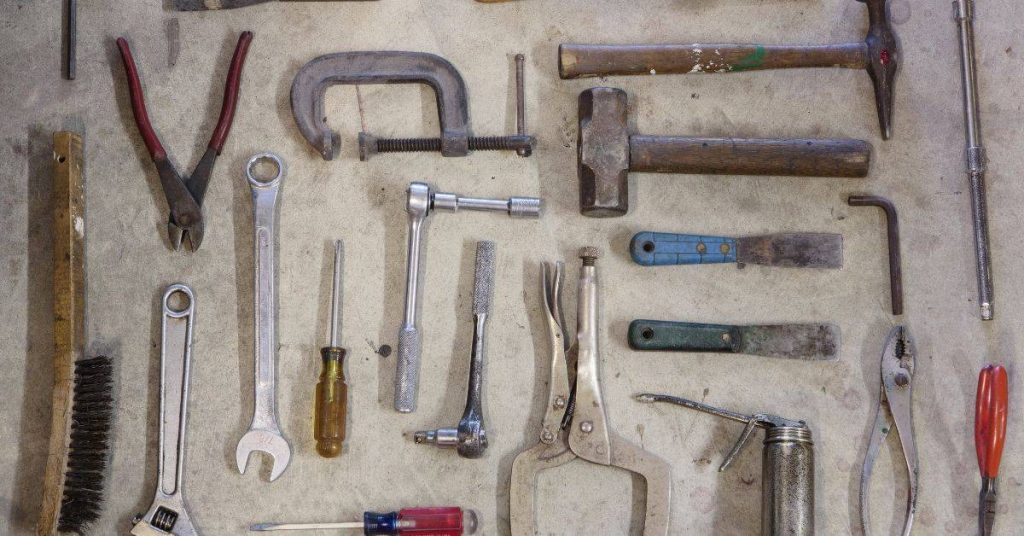
Jobsite water control on concrete and masonry projects: hoses, sprayers, and ways to keep cleanup sane
Introduction Jobsite water control on concrete and masonry projects means managing hoses, sprayers, and cleanup to keep the work area clean and safe. Plan how you will rinse tools, wash down dust, and drain or divert water so it stays where you want it. Keep a simple setup in mind for when you pause work and when you finish for the day. Use basic, practical equipment like hoses with a…

Concrete dust respirator habits: storage, filter changes, and staying protected on off-and-on tasks
Introduction Concrete dust respirator habits are the routines you follow to store, maintain, and use your respirator so you stay protected when working with dusty concrete. Store it in a clean, dry place and inspect seals and straps before each use. Check manufacturer instructions for any care steps and avoid exposing the respirator to extreme heat or corrosive environments. When it comes to filters, choose a model suitable for concrete…
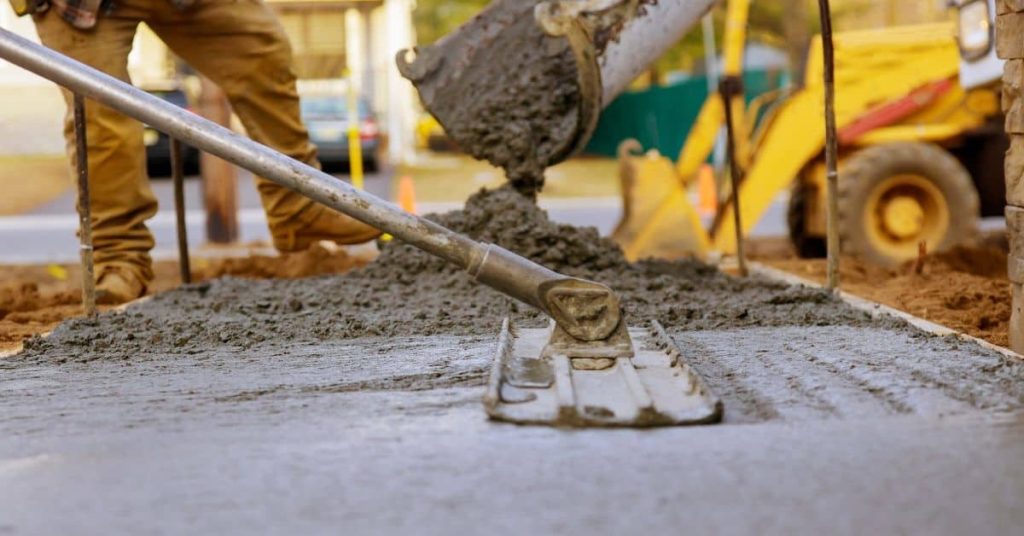
Sprayers for concrete curing compounds: tip selection and cleanup that avoids clogs
Introduction Sprayers for concrete curing compounds are tools used to apply liquid sealers evenly over fresh concrete to control evaporation. When selecting a sprayer, choose one compatible with curing compounds and pay attention to tip size and spray pattern to minimize clogs. Follow the manufacturer’s guidance for setup and maintenance to support even coverage and consistent results. To avoid clogs, keep the tip clean, clear jams promptly, and flush the…
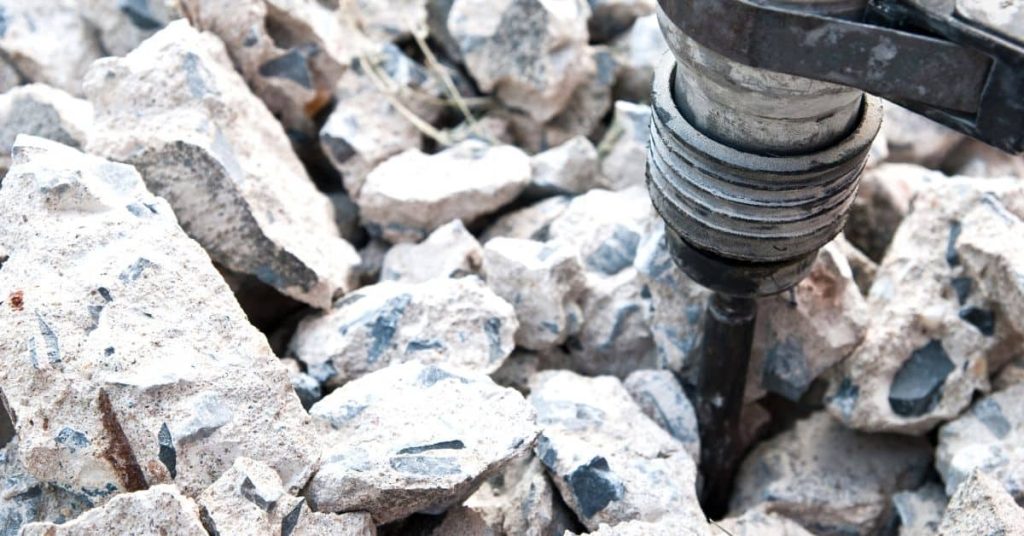
Marker and layout tools for concrete and masonry: soapstone, paint pens, and what survives wet work
Introduction Marker and layout tools for concrete and masonry are simple implements used to mark lines and reference points on stone, brick, or poured surfaces. Soapstone sticks mark clearly on damp or rough surfaces, while paint pens provide visible lines that can stay legible in wet conditions. These tools are intended for use during layout, cutting, and setting operations, and they work best when surfaces are clean and dry when…
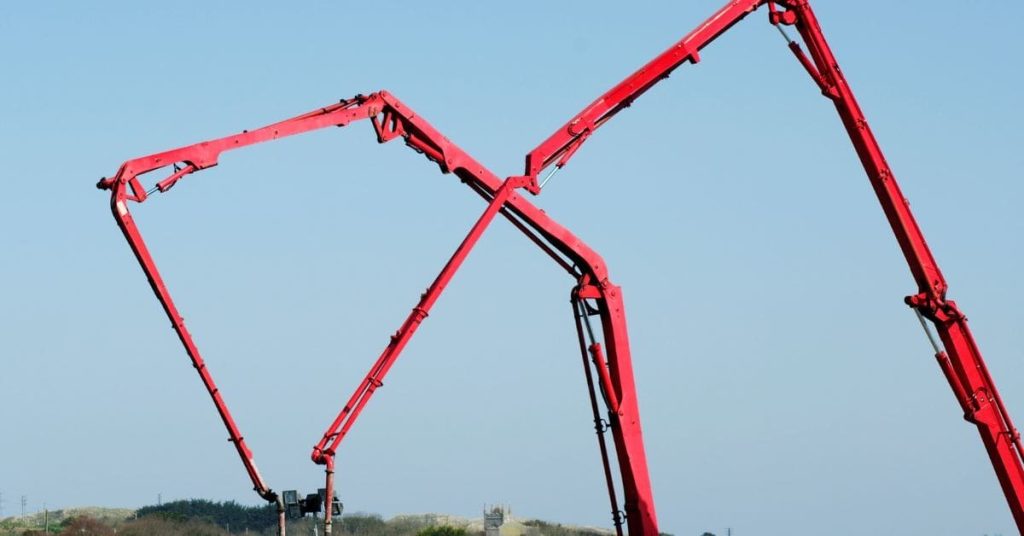
Infrared thermometer hacks on concrete and stucco: spotting hot spots and curing temps without guessing
Introduction An infrared thermometer lets you measure surface temperatures without contact, helping you spot temperature patterns on concrete and stucco. Use it to scan flat areas and edges to identify unexpected hot spots and cool zones. Read the readings as indicated by the device’s scale or color display. When evaluating curing temps for stucco, use the thermometer to verify that the surface stays within a safe range over time. Adjust…
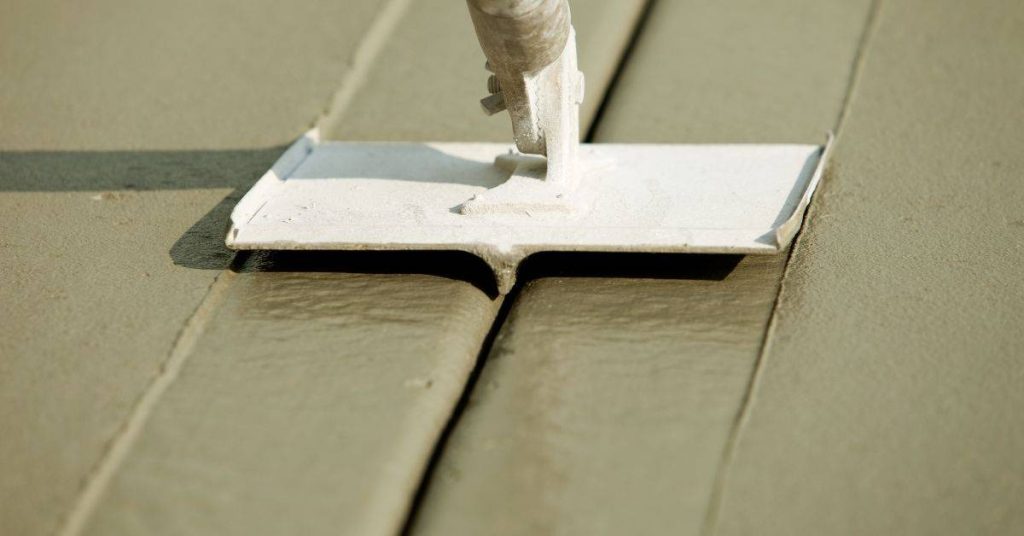
Sealant tooling tricks on concrete, stucco, and brick: backer rod, bond breakers, and getting clean lines
Introduction Sealant tooling tricks are the practical steps you use to finish joints on concrete, stucco, and brick with clean, smooth lines. This article covers backer rod, bond breakers, and straight-line tooling as core methods. It aims to help you get a neat, durable seal without guesswork. Sealants vary by material, so choose products appropriate for concrete, masonry, and wood surfaces, and always check manufacturer guidance and local rules. Learn…
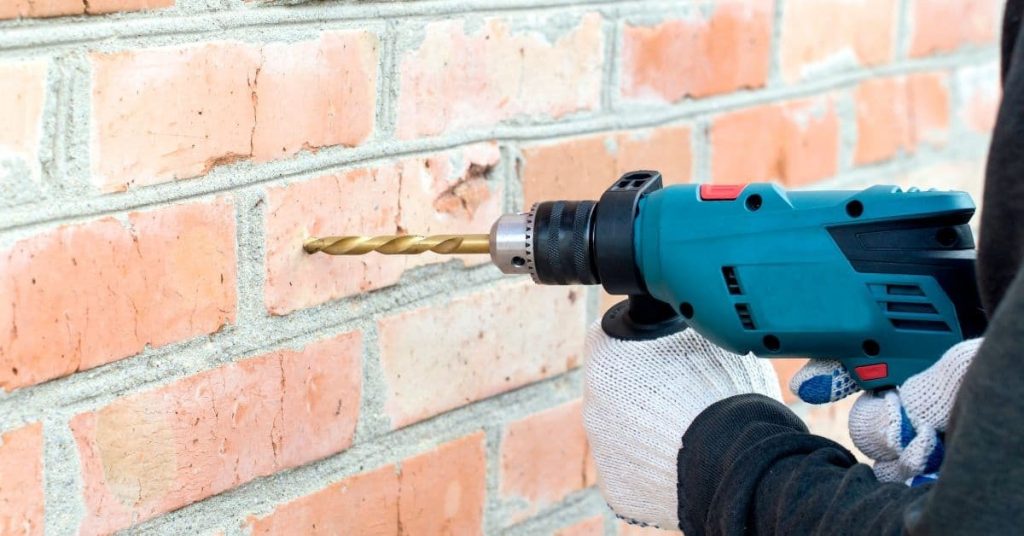
Choosing blades for concrete, brick, and block: masonry vs diamond vs segmented—matching blade to material
Introduction Choosing blades for concrete, brick, and block means matching the blade type to the material you cut. Masonry blades are the basic option, while diamond blades handle harder or denser masonry, and segmented designs help with cooling and debris removal. Consider material hardness and whether you need a continuous or segmented edge. Blade design and segment bond affect cooling, dust control, and cut quality, so choose a continuous rim…

Cutoff saw choices for masonry and concrete: gas vs electric and what changes for indoor work
Introduction Cutoff saw choices for masonry and concrete are about selecting gas or electric power and understanding how that choice affects indoor use. This introduction explains what to expect from each option, how it changes your setup, and what to check before you begin. You’ll want to follow manufacturer instructions and local rules for safe operation. Gas and electric cutoff saws each have practical tradeoffs for dust, ventilation, noise, and…
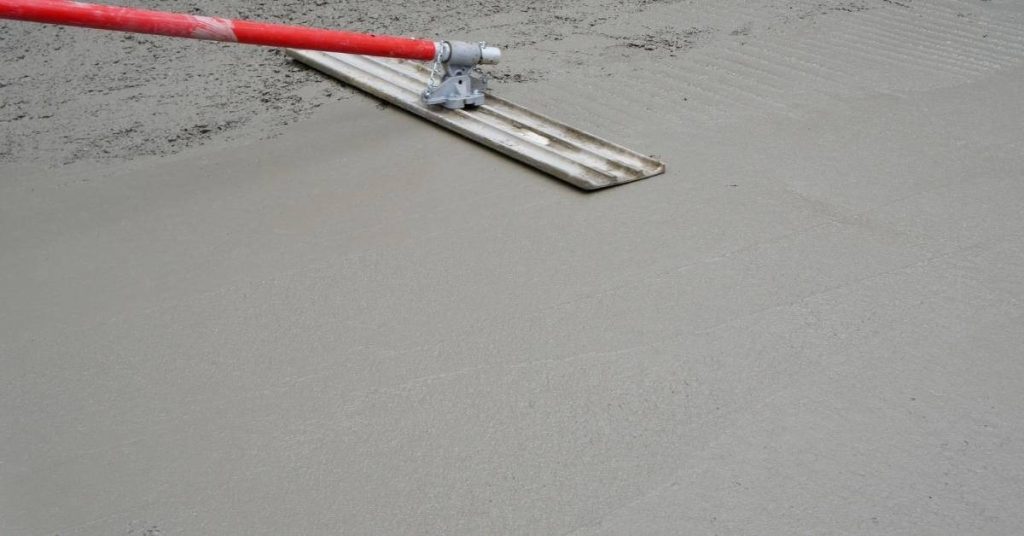
Scarifier vs grinder on concrete slabs: which tool makes a better overlay profile
Introduction Scarifier (floor planner) and grinder are two concrete tools that produce different overlay profiles. A scarifier removes material with rotating blades to flatten and roughen the surface for bonding. A grinder uses abrasive wheels to shave and finish the surface for a smoother edge. Understanding when each tool is appropriate helps avoid under- or over-preparing the substrate. Look at the surface profile you need, the project scope, and check…

Diamond cup wheels for concrete and masonry: picking grit and segment style to avoid gouges
Introduction Diamond cup wheels for concrete and masonry are grinding tools that remove material with diamond-embedded segments. Choosing the right grit and segment style helps avoid gouges and yields a smoother edge. Test on a small area and adjust technique to balance speed, durability, and finish quality. Types of wheels include different grit ranges and segment designs, each suited to specific work. Always follow manufacturer instructions and local safety rules…