
Introduction
Color matching stucco repairs varies between shade and sun, because lighting changes how pigments look. Natural light shifts perception and can make colors appear lighter or darker in different conditions. Test patches in both areas and compare them under the same conditions you’ll live with day to day.
When testing, check colors in sun and in shade to see how the tone changes, and plan the contrast for trim or accents accordingly. Choose a color with a believable range for the patch and the surrounding surface, and consider the mood you want to create. Always follow manufacturer instructions and local rules for mixing, curing, and application, and rely on on-site observation to guide your final choice.
Key takeaways
- Natural light shifts color perception; test swatches at multiple sun/shade times.
- Preview colors in both sun and shade before committing to a mix.
- Choose higher-contrast trims to compensate for sunlit warmth and shadow depth.
- Document your tests with photos and notes to guide final selection.
- Safety: wear eye and skin protection when testing and applying color.
- Ensure color choices harmonize with architecture, landscaping and local context.
Table of Contents
- Introduction
- Key takeaways
- Why the Same Stucco Looks Different in Shade Versus Sun
- Color Theory Basics Every Diyer Should Know
- Step-by-Step Testing Protocol for Shade Vs Sun
- Tools, Materials and Apps That Make Matching Reliable
- Matching Repairs to Architecture, Landscape and Local Context
- Common Pitfalls, Troubleshooting, Cost and Case Examples
- Conclusion
- FAQ
Why the Same Stucco Looks Different in Shade Versus Sun
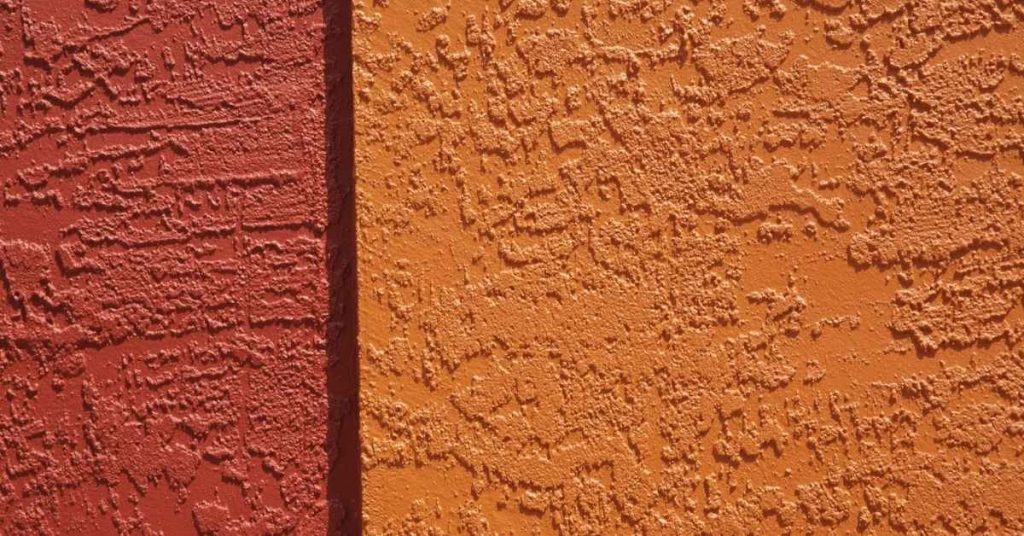
Sunlight intensity, color temperature, and spectral distribution all shift how a single stucco material reads on the wall. In the sun, hues can appear brighter and more saturated, while shade tends to mute vibrancy and reduce contrast. Perception changes with the lighting angle as you move from elevation to elevation on the same surface.
Material and finish variables matter just as much as the light. Pigment strength, texture (粗/粗糙), plaster topcoat thickness, and surface gloss can exaggerate or mute color differently in sun and shade. Environmental factors like sun angle, duration of shading, and nearby surfaces influence how the color reads at each elevation, along with weathering or moisture accumulations that alter appearance over time.
How natural light changes color perception
The sun’s position and weather affect how we see your stucco. Here’s why:
In the morning, warm sunlight brings out reds and oranges. Midday sun is neutral, making colors look truer. Overcast days or skylight softens hues, making them appear grayer.
Your brain also plays tricks. It adapts to consistent light, so what looks right in one condition might seem wrong in another.
Texture, finish and shadowing effects
The way your stucco feels and looks makes a difference. Smooth surfaces reflect light evenly. Coarse textures or relief create local shadows.
These shadows darken colors in some spots, lighten them in others. They also reduce contrast, making hues seem less vibrant.
Tip: Check your stucco’s texture and finish under different lighting conditions to see how it changes the color.
Surface condition and drying/age factors
Moisture, dust, or efflorescence can alter your stucco’s appearance. Fresh coatings look different when wet than when dry.
New repairs should match fully dried, weathered areas. Otherwise, they’ll stick out like a sore thumb once everything dries and settles.
Pro tip: Wait for repairs to cure completely before making final color judgments.
Color Theory Basics Every Diyer Should Know
Key terms like hue, value, chroma, undertone, warmth or coolness, and tonal contrast guide how a repair reads under different light. These factors shift when you switch from shade to sun, changing the apparent color even on a matched material. Understanding these concepts helps you anticipate readings before you test.
On site, use practical rules of thumb to pick base colors and predict brightness while controlling undertones to avoid muddy results. Set up real-time tests in sun and shade with daylight-balanced lighting and compare swatches at different times of day. Remember that texture and surroundings—trim, landscaping, and adjacent materials—alter color perception and should inform your choice.
Hue, undertone, value and saturation explained for stucco
In color theory, hue is what we call the pure color – red, blue, yellow. In stucco, it’s the base color you see.
Undertone is a subtle color that influences the main hue. It can make a ‘warm’ or ‘cool’ shade. Unexpected green or pink casts on repairs often come from undertones.
Value is how light or dark a color is. High value means it’s light, low value means it’s dark.
Saturation, or chroma, is the intensity of a color. High saturation means vibrant colors, low saturation means muted ones.
Contrast and harmony: body, trim and accent relationships
The main field of your stucco is the ‘body’. Trim and accents are supporting colors. To keep it harmonious:
Check contrast: Trim should be lighter or darker than the body. Accents can be either, but they should stand out.
Use LRV (Light Reflectance Value) or sample swatches: These help you compare lightness. Match them up to keep your colors in balance.
Step-by-Step Testing Protocol for Shade Vs Sun
Define objective and acceptance criteria for shade versus sun color match, focusing on clear hue, saturation, and brightness targets you can verify on site. Use a simple checklist to guide what constitutes a successful match in each condition. Decide in advance how strict the criteria should be before you start any repair work.
Prepare test materials and plan consistent lighting and timing for shade and sun tests. Create matched patches, apply identical surface treatments, and test under both dry and damp conditions to observe how texture interacts with color. Document readings and visual impressions at set intervals for a reliable comparison.
Step-by-Step Process
Follow these practical steps to achieve a thorough testing protocol for shade vs sun.
- Preparation: Gather materials, ensure safety (gloves, goggles), and lay out test area.
- Create test panels: Apply 2-3 coats of each test color on both sun-exposed and shaded elevations. Let dry between coats.
- Labeling: Clearly mark each panel with its color and location for easy tracking.
- Main work: Observe, measure, and document at set intervals (dry, damp, after aging).
- Cleanup: Remove test panels once finished, dispose of materials responsibly.
Preparing and placing test panels correctly
To ensure valid comparisons, follow these guidelines for test panel preparation and placement.
Use 2′ x 2′ panels or larger for accurate representation. Apply 2-3 coats of each test color to achieve consistent coverage.
Place half in direct sunlight (south-facing) and half in shade (north-facing). Ensure panels are level and securely attached.
Label each panel clearly with its color, location, and date applied for easy tracking during testing.
When and how to observe: schedule and documentation
Observe samples at different times of day and weather conditions for accurate color matching:
Photograph panels from typical viewing distances (10-20 feet) using a consistent camera or smartphone.
Record observations at set intervals (e.g., every 3 hours, daily, weekly) to track changes over time. Note weather conditions and panel appearance for repeatability.
Compare results across different times and conditions to make informed decisions about final repairs.
Objective checks: measurements to add to visual tests
Use measuring tools alongside visual observations for accurate color matching:
Employ a colorimeter or mobile app to record hue, saturation, and brightness readings. Compare results to manufacturer specs.
Check paint data sheets for recommended product usage and compatibility with existing stucco texture.
Measure panels in both dry and damp conditions to account for surface condition changes over time.

Tools, Materials and Apps That Make Matching Reliable
Have sample boards, prefinished color swatches, pigment chips, spray bottles, masking, and texture-release aids ready to reproduce the stucco texture for testing. Keep a few neutral bases to compare against as you adjust undertones. A dedicated colorimeter or calibrated smartphone app helps quantify the readings you see visually.
Use standardized lighting setups or portable meters to document conditions, then compare samples in shade and sun. A multi-stage testing approach—small patch, mid-size mock-up, and final test area—builds confidence before committing. Maintain simple notes and photos with metadata to track decisions over time.
On-site tools and material checklist
Before you start, make sure you have everything on this list. It’ll save you trips to the store and ensure your repairs look right.
- Complementary primers: To seal and prep surfaces for matching.
- Coatings: Stucco-specific paints or textures that match your existing finish.
- Brushes/rollers: For applying texture, different sizes may be needed.
- Masking supplies: To protect areas not being repaired and keep edges clean.
- Sample boards: For testing colors and textures before committing to a large area.
- Pigment chips: To mix custom colors if needed.
- Paint mixer: To ensure even pigment distribution in your samples.
- Spray bottle: For misting and testing texture release aids.
- Texture-release aids: To help reproduce the existing stucco texture on test panels.
- Batch/lot numbers: Record these for paints to ensure consistency between batches.
Quick rule: Always double-check your list before starting. Missing something can lead to costly mistakes or delays.
Recommended apps and instruments for color capture
Color-matching apps are great tools, but they’re only as good as the data you input. Here’s what to use and when.
Color-matching apps: These can estimate colors from photos or provide virtual paint samples. Use them early in your process to narrow down options.
Some popular ones include Sherwin-Williams ColorSnap Match, Behr ColorSmart, and Valspar ColorConnect. Each has its strengths, so try a few to see which you prefer.
Spectrophotometers/colorimeters: These devices measure color numerically. They’re useful for comparing samples under different lighting conditions. However, they require some expertise to use effectively. Consider consulting a professional if you’re unsure.
IR thermometers: While not strictly color-capturing tools, these can help you understand how temperature affects your samples’ appearance. They’re affordable and easy to use, making them a valuable addition to your toolkit.
Matching Repairs to Architecture, Landscape and Local Context
Architectural style guides color choices, helping you decide which tones read authentic rather than trendy. Modern, Colonial, and Craftsman homes each pull color differently under shade and sun, so start with a palette that respects the overall aesthetic. Consider how the repair will sit with the home’s silhouette as a whole.
Map the surrounding context—neighboring homes, roof color, stonework, fencing, and landscaping—to establish a harmonizing palette. Evaluate how texture, trim, doors, and window surrounds will read with the repair color across lighting conditions. Use swatches on real walls and compare to permanent features during different times of day to avoid clashes.
Palette guidelines by common architectural styles
When choosing a repair color, consider your home’s architectural style. It’ll guide you towards authentic undertones.
Mediterranean homes often have warm, earthy tones like terracotta and ochre. Craftsman styles lean towards natural woods and rich, deep hues. Modern designs favor sleek, neutral shades. Traditional homes can vary widely but often use classic colors like beige or gray.
Remember, these are just guidelines. Your home’s specific features might call for a different tone. Use them to narrow down your options before testing.
Landscape, HOA and neighborhood considerations
Your home’s surroundings play a big role in choosing the right repair color. Look at your landscaping – plants, trees, mulch – they all influence how colors read.
Check with your Homeowners Association (HOA) or local municipality. Some have rules about exterior colors. Don’t forget to consider your neighbors too. You don’t want your repairs clashing with their homes.
Match your repair color to dominant outdoor elements in your neighborhood. This could be roof colors, stonework, fencing – anything that’s permanent and stands out. It’ll help your repairs blend right in.
Common Pitfalls, Troubleshooting, Cost and Case Examples
Typical pitfalls include ignoring undertones, mismatching materials, and sheen differences that become obvious when lighting changes. Look for quick tells like color drift between shade and sun and signs that the texture exaggerates or mutes the color. Early checks can prevent costly repainting later.
Follow a troubleshooting flow with on-site tests, rematching when needed, and documenting adjustments. Include brief case examples that illustrate a shade-dominant and a sun-dominant scenario, showing how decisions affected final appearance and costs. Use a disciplined test-and-compare routine to save time and avoid surprises.
Typical mistakes and how to correct them
To avoid common pitfalls, keep these typical mistakes in mind when matching stucco color under different lighting conditions.
- Using tiny swatches: Small samples don’t show true color. Use larger panels (at least 2’x2′).
- Comparing wet paint: Paint dries differently. Always compare dry patches.
- Ignoring texture differences: Stucco has varied textures. Match texture as well as color.
- Mismatched materials: Different materials reflect light uniquely. Test on same material as existing.
Remember, prevention is better than cure. Spot these mistakes early to save time and money.
Short case studies: before-and-after lessons
Here are a few examples illustrating common issues and their solutions:
Case 1: A homeowner used small swatches in shade, resulting in a too-dark match under sun. Lesson: Larger panels help see true color.
Case 2: Another homeowner ignored texture, leading to a mismatched repair. Lesson: Match both color and texture for seamless repairs.
Case 3: A third homeowner rushed testing, leading to costly rework. Lesson: Patience in testing saves money in the long run.
Time and cost efficiency of proper testing
Upfront testing might seem time-consuming, but it’s worth it. It reduces the risk of costly rework.
Tests delivering most value for DIY budgets include:
- Color-matching tests on-site: Test under both shade and sun to see true color.
- Texture tests: Match texture as well as color for seamless repairs.
- Glaze/sheen tests: Different glazes reflect light uniquely. Test to match sheen.
Remember, an ounce of prevention is worth a pound of cure. Invest time in testing to save money and effort.
Conclusion
Color mismatches come from how shade and sun change tone, shade makes depth read differently, and safe, careful testing protects your stucco and your wallet. Focus on real-world tests, document what you see, and keep the repair reversible until you’re sure you have a reliable match.
Test in a small, discreet patch first, then check the same patch in direct sun and in shade while you note the exact color, texture, and finish. Keep notes and photos, and compare the batch you mix to the surrounding wall under both light conditions. Use a small test batch that matches the base material, and apply it in a controllable, consistent texture so you can evaluate how it cures. Verify under different lighting before committing to a full repair, and follow a simple sequence: assess, test, adjust, re-test, and then apply the final repair with tools and techniques that preserve the surface and avoid damage.
Common mistakes to avoid are skipping a proper shade-and-sun test, using a mismatched base or pigment, and rushing the cure or seal without confirming color stability. Safety rules are essential: always protect surrounding surfaces, work in dry conditions, keep patch sizes small to limit mistakes, and never apply a repair that you cannot fully observe under the intended light. If you’re unsure about mixing, texture, or the right finish for your architecture and landscape context, pause, reassess, and seek a professional’s input sooner rather than later.
When to call a professional is clear: if the substrate shows cracks that go deep, if you’re unsure about flash- or water-resistance, or if the color still won’t settle after repeated testing and adjustments. With careful testing, clear notes, and conservative steps, you can achieve a durable, natural look that holds up in shade and sun and keeps your project moving forward—confidently and safely.
FAQ
How does natural light affect how stucco color looks at the wall?
Sunlight can make colors look brighter and hotter, while shade tends to mute them. Your eye sees tones differently across the day; that’s normal. Always test color samples under both conditions before committing.
Should I test color samples in sun and shade for every repair area?
Yes. Place sample boards where the repair will sit, and observe at different times of day. If a color shifts noticeably, pick a shade that reads well in both spots or plan for a controlled contrast that works in both lights.
What’s a practical way to choose contrast for trim and accents when color changes with light?
Pick a base stucco color you like in shade, then test a couple of trim options in sun and shade. Choose a contrast that remains legible and harmonious in both conditions, avoiding colors that disappear in bright sun or overpower in shade.
Can color theory help me pick exterior colors that feel cohesive with local styles?
Yes. Look at nearby homes and the landscape to see what reads well in your block’s light. Use those cues to guide your selections, then verify with sun/shade tests on your actual walls. This keeps the home looking intentional, not random.