
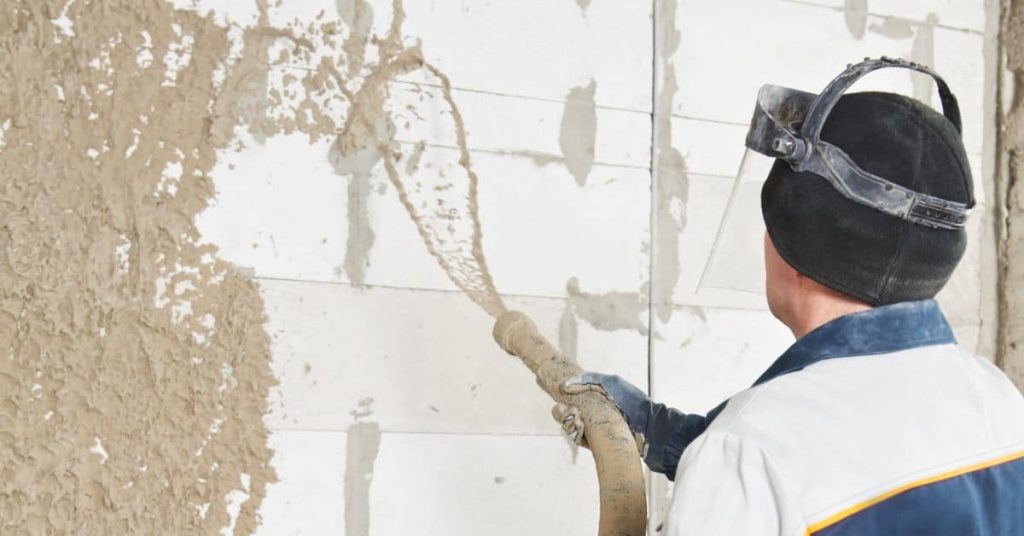
Introduction
Cold-weather stucco patching is repairing damaged stucco surfaces during cold temperatures while ensuring the patch cures properly. This guide explains why curing conditions matter and how to set up the patch so it can harden without cracking. You’ll find practical, hands-on steps for a DIY approach.
Cure protection means controlling moisture, warmth, and shelter during the patching process. Relying on ‘it’ll be fine’ can lead to weak patches, cracks, or early failure when weather shifts. Always check product labels, manufacturer instructions, and local rules for safe timing and methods.
Key takeaways
- Cold weather slows stucco cure; protect patches from rapid moisture loss and freezing.
- Confirm substrate and surface moisture before patching to prevent adhesion failure.
- Use winter-grade mixes or cementitious patching using manufacturer guidance; avoid improvised blends.
- Keep curing protected with temporary shields and controlled moisture after patching.
- Monitor for cracks, popping, or debonding during cure; rework early to avoid failure.
- Safety: wear PPE, prevent ice buildup, and follow local codes and warranty terms.
Table of Contents
- Introduction
- Key takeaways
- Why Cold Weather Changes Stucco Cure and Strength
- When “It’ll Be Fine” Is Dangerous: Common Misconceptions and Failure Modes
- Assessing Site Conditions: Air, Substrate, and Moisture Factors
- Materials, Mixes, and Additives for Winter Patching
- Step-by-Step Cold-Weather Stucco Patching Procedure
- Temporary and Permanent Cure Protection Strategies
- Testing, Inspection, and Visual Checkpoints to Avoid Rework
- Codes, Warranties, Safety, and Cost Considerations
- Conclusion
- FAQ
Why Cold Weather Changes Stucco Cure and Strength
Low temperatures slow the chemical hydration process that concrete products rely on to gain strength. This can extend the time needed for patches to set and reach initial hardness. Early strength gain is important for resisting impact and weather exposure during the first days of cure.
In freezing conditions, water in the mix can change phase, causing microcracking or weaker bond development if moisture moves or freezes. The substrate, air flow, and surface temperature all influence cure rate and final strength, which matters for long-term patch durability. Always verify guidance on cure temperature ranges from the product label or manufacturer instructions.
Chemistry basics: hydration, temperature, and strength development
Cement’s hydration process, which gives stucco its setting and hardening properties, is significantly influenced by temperature. In cold weather, this reaction slows down.
Slower curing means the patch takes longer to reach its full strength, making it vulnerable to damage during this period.
To mitigate this, ensure proper curing procedures are followed in cold conditions. Check product datasheets for cold weather application guidelines and consider implementing protective measures or delaying application if temperatures drop below recommended ranges during cure.
Freeze-thaw and early-age damage mechanisms
In cold weather, freezing of pore water in the stucco patch can cause expansion, leading to cracking and scaling. Additionally, surface skinning – a rapid initial set due to brief exposure to warm temperatures – can occur, weakening the bond between the new patch and existing surfaces.
Thermal contraction during cooling also contributes to these issues. To prevent early-stage damage from freezing conditions, monitor temperature fluctuations and protect patches accordingly.
Inspect for cracks, scaling, or bond loss during the early stages of cure. If freezing temperatures occur before the patch has set, implement protective measures promptly to prevent damage. Repair damaged areas immediately to maintain structural integrity.
When “It’ll Be Fine” Is Dangerous: Common Misconceptions and Failure Modes
Assuming patches will perform the same as warm-season repairs leads to common mistakes. Patches may fail when contractors underestimate cold impact on adhesion and shrinkage. Homeowners sometimes delay protective measures, thinking temporary solutions suffice.
Typical failure modes in cold weather include premature loss of moisture control, surface cracking, and bond failures at the substrate interface. Freeze-thaw damage or rapid drying can undermine patch integrity even after initial set. Always check manufacturer instructions and local rules to confirm acceptable practices before proceeding.
Surface skinning vs deep cure — false confidence
The surface of your cold-weather stucco patch may look dry and cured, but that doesn’t always mean it’s properly cured internally. A deceptive surface can mask incomplete internal curing, leading to hidden weaknesses.
To ensure proper curing, inspect for consistent color and texture across the entire surface. If the surface appears dry but feels cool or damp to touch, re-evaluate your curing conditions and consider additional protection.
Common mistakes include assuming that a dry surface means it’s fully cured. To fix this, address any moisture-related issues promptly and reapply cure protection if necessary.
Bond failure, delamination, and rapid deterioration
Inadequate bond or trapped moisture can lead to serious issues with your cold-weather stucco patch. Delamination, powdering, or rework may occur within weeks or months, causing rapid surface degradation.
To prevent this, ensure proper substrate preparation, including cleaning, priming, and adequate surface area for bonding. Inspect for any signs of lifting, peeling, or powdering within the first few months.
If you notice signs of delamination or deterioration, investigate the cause (e.g., moisture intrusion, inadequate bond) and address it promptly. Common mistakes include rushing through substrate preparation. To fix this, remove affected areas, prepare the substrate properly, and reapply stucco with appropriate bonding techniques.
Assessing Site Conditions: Air, Substrate, and Moisture Factors
Start with a practical checklist of ambient air temperature, wind exposure, and recent weather. Observe surface moisture and presence of ice or damp substrates that could hinder adhesion. Record these observations for reference during the patch window.
Assess substrate stability, soundness, and existing stucco condition. Check for contamination, coatings, or efflorescence that might affect bonding. Verify acceptable ranges or requirements from product data sheets and manufacturer guidance before patching.
Measuring air, surface, and substrate temperatures correctly
Accurate temperature measurement ensures appropriate patching procedures are followed. Before starting any work, measure the air, surface, and substrate temperatures using a reliable thermometer or infrared (IR) device.
Consult the product datasheet to verify that these temperatures meet the manufacturer’s recommendations for application. If they do not, postpone work until conditions improve or implement temporary heat sources as per product instructions.
Do not rely on assumptions or estimates; always measure and verify temperatures using appropriate tools.
Moisture sources, evaporation, and wind effects
Understanding moisture dynamics helps prevent premature failure due to improper curing. Evaluate if current conditions allow for adequate patch drying and curing without protection.
Identify potential moisture sources such as precipitation, dew, or rising damp. Assess evaporation rates and wind conditions at the site. If moisture is present or evaporation/wind conditions are unfavorable, delay work until conditions improve, or implement temporary protective measures as per product instructions.
Do not proceed with patching if moisture cannot be effectively managed during the curing process.
Materials, Mixes, and Additives for Winter Patching
Materials, mixes, and additives for winter patching vary in performance and application. Compare options and choose based on how they handle cold temperatures, curing behavior, and the manufacturer’s guidance.
Skipping proper mixing of additives can lead to patch failure in cold weather; feel the consistency—smooth and uniform, not grainy, lumpy, or separated. An experienced installer ensures components are at the correct temperature before mixing, and if the texture feels grainy or separates, re-mix; if the temperature is below the recommended limit, heat materials gently until within range.
Choosing Stucco/Patch Materials: Cementitious vs Polymer-Modified
The choice of patch material significantly impacts the durability and longevity of your winter repairs.
- Cementitious Patches: Use for minor repairs, suitable in mild cold conditions. Look for products with good freeze-thaw resistance. Tip: Avoid using in extreme cold without protection.
- Polymer-Modified Patches: Ideal for severe cold and high wind conditions. Specify products with improved flexibility and adhesion. Tip: Check product labels for cold-weather suitability.
- Premixed Products: Convenient, especially in extreme cold. Ensure they meet your specific repair needs. Tip: Verify open time and cure time for cold conditions.
- Acrylic Patches: Good for small repairs in cold weather. Check for suitable curing temperatures. Tip: Avoid using in freezing conditions without proper protection.
- Epoxy Patches: Resistant to chemicals and moisture, useful in harsh conditions. Specify products with good freeze-thaw resistance. Tip: Follow manufacturer guidelines for mixing and application in cold weather.
Accelerators, Anti-Freeze Admixtures, and Set Controllers
Admixtures can enhance patch performance in cold weather but must be used carefully. They speed up or slow down setting times and improve freeze-thaw resistance.
Accelerators: Speed up cure time, protecting against early-age damage. Use in cold but not freezing temperatures. Follow manufacturer guidelines for dosage and handling.
Anti-Freeze Admixtures: Improve freeze-thaw resistance. Use in extreme cold conditions. Ensure compatibility with other materials and job site conditions.
Set Controllers: Slow down setting time, allowing better workability in cold weather. Use when extended open time is needed. Always follow manufacturer guidelines for dosage and handling.
Material Specs and Standards Explained for Winter Use
Understanding material specifications ensures appropriate product selection for cold-weather conditions. Check relevant test standards and manufacturer datasheets.
- Curing Temperatures: Verify suitable curing temperatures on product datasheets. Tip: Avoid products with high minimum cure temps in extreme cold.
- Open Time: Check open time for cold conditions to ensure adequate workability. Tip: Longer open times may be needed in colder temperatures.
- Coverage: Specify coverage rates based on job requirements. Tip: Adjust coverage expectations for cold weather application.
- Compressive Strength: Check ASTM C150 or EN 196-1 standards for required strength in cold conditions. Tip: Higher strengths may be needed for winter repairs.
- Bond Strength: Review ASTM C266 or EN 1348 standards for suitable bond strength. Tip: Stronger bonds may be necessary in harsh conditions.
- Freeze-Thaw Resistance: Check ASTM C474 or EN 13581 standards for required freeze-thaw resistance. Tip: Higher resistance may be needed for winter repairs.
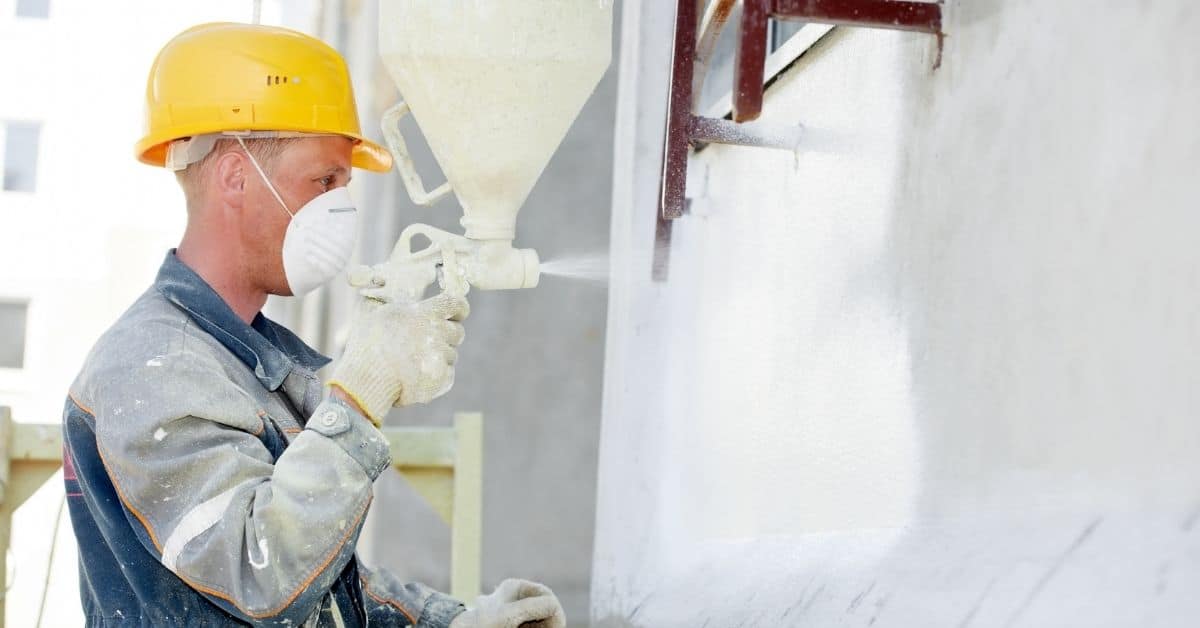
Step-by-Step Cold-Weather Stucco Patching Procedure
Prepare the site by clearing debris, masking nearby surfaces, and ensuring a protected work area. Ensure the substrate is clean, sound, and within the approved temperature range per product instructions.
Proceed with the patch application in manageable steps, maintaining appropriate moisture levels and avoiding cold drafts. After application, follow the recommended cure or protection steps per the product label and manufacturer instructions, documenting any deviations for future reference.
Step-by-Step Process
The following steps provide a clear sequence for cold-weather stucco patching, ensuring a well-structured approach from preparation to final checks.
- Preparation and Safety: Gather necessary tools, materials, and safety equipment. Ensure you have proper protection against the cold and moisture.
- Surface Inspection: Inspect the area for damage or defects. Mark out the patch area clearly.
- Cleaning and Removal: Remove any loose, damaged stucco using a stiff-bristle brush or scraper. Ensure the surface is clean and dry.
- Mixing Materials: Follow manufacturer’s guidelines to mix patch material at the correct temperature. Keep materials covered until use to prevent moisture loss.
- Application: Apply the mixed material using a trowel or float, following the recommended technique and layer thickness. Allow the first layer to set slightly before recoating.
- Curing: Cover the patch with plastic sheeting or burlap to retain moisture and heat during curing. Monitor temperature and humidity levels closely.
- Final Checks: After the initial cure, inspect the patch for any signs of delamination or defects. Make necessary adjustments if required.
Surface Prep, Bonding, and Priming in Cold Conditions
Adequate surface preparation ensures proper bond and longevity of the patch. In cold conditions, it’s crucial to control dampness and promote adhesion.
Cleaning: Remove any dirt, debris, or contaminants using a wire brush or pressure washer. Ensure the surface is clean and free from defects.
Dampness Control: If the substrate is damp, allow it to dry completely before applying any materials. Use a moisture meter to confirm dryness if unsure.
Bond Coat Application: Apply a bond coat specifically designed for cold conditions. Follow manufacturer’s guidelines for mixing and application. Ensure the bond coat is allowed to set slightly before applying the patch material.
Application Technique: Pack, Feather, Layer Thickness and Recoat Timing
Correct application ensures a strong, durable patch that integrates well with the existing surface. Follow these best practices:
Packing: Apply the mixed material in small amounts, packing it onto the surface using a trowel or float.
Feathering: Spread the material evenly across the patch area, ensuring a smooth transition to the existing surface. Avoid leaving thick edges that could crack or delaminate.
Layer Thickness: Apply materials in thin layers, following manufacturer’s guidelines for layer thickness. Allow each layer to set slightly before recoating.
Recoat Timing: Follow manufacturer’s recommendations for recoat times, especially in cold conditions. Do not rush recoating as it can lead to failure of the patch.
Post-Application Monitoring, Logging, and Contingency Steps
Regular checks help identify any issues early, allowing for timely intervention. Establish a daily check schedule and document conditions:
Temperature and Humidity: Monitor temperature and humidity levels closely during the curing process. Keep records of these readings.
Defect Inspection: Inspect the patch visually for any signs of defects such as cracking, delamination, or efflorescence. If present, address them promptly.
Contingency Steps: Have a plan in place for remedial actions if temperatures drop significantly or defects appear. This may include applying heat sources, covering the patch with insulation, or calling a professional for advice.
Temporary and Permanent Cure Protection Strategies
Temporary and permanent cure protection strategies help keep stucco curing at acceptable temperatures and moisture levels on the jobsite. They provide practical, short-term and longer-term options to avoid premature curing and cracking. Following a steady approach reduces the risk of delamination and bond failure.
On-site checks matter: if the substrate feels cold, protection is likely needed, and professionals commonly verify climate data and product datasheets for suitable conditions. If the substrate temperature is below the recommended range, apply temporary heat or insulation for short-term protection. If moisture content is high and cannot be controlled, delay application or use moisture-tolerant products to reduce long-term issues.
Physical barriers: blankets, insulation, tents, and wind breaks
Protect your cold-weather stucco patch from harsh temperatures and wind using physical barriers. These include covers, insulation, tents, and windbreaks.
Selection: Choose materials that trap heat and block wind while allowing moisture to escape. Avoid materials that can trap moisture, leading to mold or mildew growth.
Placement: Place barriers on the warm side of the patch to maximize their effectiveness. Ensure there’s no moisture entrapment to prevent mold or mildew growth.
Common mistake: If you detect mold or mildew, remove the barrier, address the issue, and reapply it after. Always verify the R-value if using insulation and ensure proper ventilation if using tents or windbreaks.
Heat, ventilation, and safe heater operation
Use heaters and fans safely to raise scaffold/curing temperatures without creating drying or combustion hazards. This promotes proper curing of your cold-weather stucco patch.
Heaters: Follow the manufacturer’s guidelines for safe operation. Ensure they’re placed away from flammable materials and not causing excessive drying, which can lead to cracks.
Fans: Position fans to promote air circulation around the patch, not directly onto it. This helps maintain optimal temperature and moisture levels without causing premature drying.
Pro tip: Monitor your setup regularly. If you notice any signs of excessive drying or fire hazards, adjust heat and fan settings accordingly.
Curing compounds, moisture retention, and staged exposure
Maintain optimal moisture content for proper curing of your cold-weather stucco patch using curing compounds or moisture-retention tactics. Gradually transition patches to natural weathering.
Curing compounds: Apply according to the manufacturer’s instructions. These help maintain a consistent moisture level in the patch during the curing process.
Staged exposure: Gradually increase your patch’s exposure to natural weathering. This allows it to adapt to outdoor conditions without undergoing excessive drying or stress.
Quick check: Regularly monitor your patch for signs of excessive moisture buildup or premature drying. Adjust your moisture retention methods as needed to prevent issues.
Testing, Inspection, and Visual Checkpoints to Avoid Rework
Plan simple in-field checks at key intervals: surface uniformity, tack, and edge integrity. Look for cracks, debonding, or color inconsistencies that may indicate curing problems. Document findings to guide next steps or remediation.
Perform basic tests like gentle probing or stick tests only if these are recommended by the product data sheet or manufacturer instructions. Use those guidelines to determine whether further work is needed before closing up the patch. Do not rely on assumptions when product guidance is explicit.
Early Stucco Patch Inspection (24-72 hours)
Regularly examine your stucco patch within the initial days to ensure proper setting. Use this checklist for early distress detection:
- Cracking: Check for hairline cracks or larger gaps. If present, address promptly.
- Powdering: Look for a powdery surface, indicating rapid drying. Reapply cure protection if necessary.
- Discoloration: Inspect for unusual color changes, which may signal contamination or improper curing.
- Separation: Check for lifting or peeling from the surface. If found, address promptly.
- Moisture content: Ensure the patch remains consistently moist but not overly wet to prevent cracking.
- Surface texture: Verify a smooth and even surface. Irregularities may indicate application or curing issues.
- Edges: Check where the patch meets existing stucco for gaps or cracks that could allow water intrusion.
- Temperature fluctuations: Monitor for sudden temperature changes, which can affect curing and cause distress.
General rule: If you observe any signs of distress worsening over time, implement immediate corrective actions, such as reapplying cure protection or consulting a specialist.
On-site simple tests and when to escalate
Perform these non-destructive checks at key intervals to ensure your stucco patch is setting properly and adhering well.
- Adhesion pull test: Perform a pull test using an adhesion tester. If the patch pulls away easily, consult with a specialist or stop work until resolved.
- Probe test: Gently probe the surface with a blunt tool to check for soft spots or areas of weakness. If found, address immediately.
- Moisture meter test: Use a moisture meter to ensure consistent moisture content throughout the patch. Inconsistencies may indicate curing issues.
- Sound test: Gently tap the surface with a hammer or other tool. A hollow sound could indicate delamination.
- Flexibility test: Check for any cracking or separation when the surface is flexed slightly. If found, address promptly.
- Temperature check: Monitor the patch’s temperature to ensure it remains within the acceptable range for curing.
- Humidity check: Verify that humidity levels are consistent with the material datasheet or instructions. Too much or too little humidity can affect curing.
Quick rule: If test results indicate adhesion, integrity, or curing issues, consult with a specialist or stop work until resolved. Document all test results for future reference.
Codes, Warranties, Safety, and Cost Considerations
Understand the regulatory and warranty implications that winter repairs can carry. Recognize how decisions about materials, methods, and protection influence liability and long-term costs. Check local building rules and contractor requirements for winter work.
Assess safety concerns, including indoor air quality, ventilation, and potential hazards from heating or coverings. Compare costs not only of materials but also of protection measures and potential rework if cure problems arise. Rely on product labels and manufacturer instructions to verify compliance and coverage.
Manufacturer warranties, contract language, and specs
When planning winter stucco repairs, it’s crucial to understand the warranty coverage provided by manufacturers. Cold weather can affect the performance of materials, so ensure you’re aware of any exclusions or limitations in the product datasheets (PDS).
Review the warranty information and product datasheets to understand cold-weather application restrictions and excluded conditions. If warranties do not cover winter repairs, consider negotiating contract amendments or exploring alternative materials with suitable warranties.
Specify necessary protections and conditions in the project contract to maintain warranty validity during winter repairs. This may include temperature controls, cure protection strategies, and other measures required by the manufacturer.
Worker safety, combustion hazards, and environmental best practices
Safety should be a top priority when conducting winter stucco repairs. Implement personal protective equipment (PPE) guidelines for workers to minimize risks associated with cold temperatures, moisture, and hazardous materials.
Assess combustion risks related to heater use, ensuring adequate ventilation and following manufacturer safety guidelines. Install carbon monoxide detectors and maintain regular equipment inspections to prevent fire hazards. Address spill prevention and cleanup procedures for additives and materials to minimize environmental impact.
Train workers on proper handling, storage, and disposal of materials to ensure compliance with local regulations and best environmental practices. Regularly review and update safety protocols as needed to maintain a safe working environment.
Budgeting: direct costs vs cost of failure and remediation
When budgeting for winter stucco repairs, consider both the initial investment and potential long-term expenses. Added protections and proper materials may increase upfront costs but can help prevent premature failure and reduce future expenses.
Estimate the potential cost of premature failure, including rework, additional materials, labor, and potential damage to surrounding structures or finishes. Calculate direct costs for materials, labor, protection measures, and temporary/permanent cure strategies tailored to winter repairs.
Evaluate if the increased initial investment in protections is justified by the reduced risk of failure and associated long-term savings. Revisit budget allocations as needed, considering the trade-offs between initial costs and potential future expenses due to premature failure or rework.
Conclusion
In cold weather, the durability and appearance of patched stucco depend on following a careful cure plan and protecting the work from freezing and moisture. By focusing on proper cure and conservative testing, you reduce the risk of cracks, bond failure, and costly rework.
First, verify the conditions and follow a practical checklist in order: confirm air and surface temperatures meet the minimum for curing as recommended by the patch materials, assess substrate moisture and absorption, select a compatible mix and additives per manufacturer instructions, clean and pre-wet the area as required, apply in workable stages, protect the patch from freezing and rapid drying for the required period, then perform simple tests and visual checks to confirm bond and finish before final painting or coating. Practice small-area testing before broader application, document the results, and proceed only if the patch behaves as expected.
Common mistakes to avoid include assuming curing speed will match summer conditions, skipping a moisture assessment, and neglecting temporary protection during the early cure period. Safety rules to follow are clear: work only within the recommended temperature range, keep an eye on forecasted weather, protect fresh work from wind-driven drying and direct sun, wear appropriate PPE, and never force a repair when materials or conditions are outside the guidance. If the job is large, if the substrate shows persistent moisture issues, or if local codes or warranties require specific procedures, consider bringing in a professional rather than proceeding alone. With careful planning and attention to the cure process, the patch will perform reliably and maintain the wall’s appearance and integrity.
FAQ
How can I tell if it is safe to patch stucco in cold weather?
Check the surface temperature and follow the manufacturer’s guidelines for minimum air and substrate temperatures. Look for clear instructions on cure times and protect from moisture during cold conditions. If in doubt, consult product labels or local guidelines before starting.
What surface and moisture conditions should I verify before patching?
Ensure the substrate is dry and sound, with no active leaks or damp spots. Verify there is no surface moisture that could trap water in the patch. If moisture is present, address it or delay patching until the surface is dry according to the product instructions.
How should I protect the patch after application in cold weather?
Follow the specified cure protection method for the patch product, including any coverings or temp-control measures. Avoid letting rapid temperature changes or precipitation reach the patch during curing. Refer to the product’s guidance for safe protection options.
What checks should I perform before deeming the patch complete?
Inspect visually for uniform texture and adequate adhesion as per the manufacturer’s recommendations. Confirm there is no surface cracking, peeling, or soft spots after the initial cure period. If issues appear, review labels or instructions and consider rework only after the appropriate conditions are met.