
Table of Contents
- Introduction
- Importance of Using Gloves and Protective Gear
- Recommended Solvents for Cleaning Uncured Epoxy
- Techniques for Applying Solvents
- Safety Precautions for Handling and Disposing of Solvent-Soaked Materials
- Essential Safety Protocols for Handling and Storing Solvents
- Alternative Cleaning Methods: Using Vinegar for Epoxy Residue
- When to Call in the Pros for Epoxy Cleanup
- Common Mistakes When Cleaning Epoxy and How to Avoid Them
- Environmental Impact and Eco-Friendly Alternatives for Cleaning Solvents
- Conclusion
- FAQ
Introduction
To clean epoxy off tools before it cures, use safe solvents such as acetone, isopropyl alcohol, or white vinegar. In this article, you’ll learn how to effectively use these solvents to remove epoxy residue, ensuring your tools remain in top condition and ready for your next project.
Importance of Using Gloves and Protective Gear
Wearing appropriate gloves and protective gear is crucial when handling solvents to prevent skin irritation and damage. Nitrile and latex gloves are preferred as they offer better resistance to chemicals compared to other materials. Protective eyewear and masks are also essential to guard against inhalation and splashes.
Neglecting to use protective gear can lead to serious risks like skin irritation, chemical burns, and respiratory issues. Ensuring proper wear and removal of protective equipment helps avoid contamination. Maintaining a clean workspace further minimizes exposure to hazardous materials, making it safer for everyone involved.
Selecting the Right Gloves
When you’re dealing with solvents, choosing the right gloves is crucial. The first step is to identify the specific chemicals you’ll be handling. Different solvents require different levels of protection, so knowing what you’re up against is half the battle. Once you’ve got that list, match it with gloves made from materials that can resist those chemicals. Nitrile, latex, and neoprene are common options, but not all of them work for every solvent.
Next, look at the glove’s chemical resistance rating. Manufacturers usually provide this information, so don’t skip it. If a glove can’t stand up to your solvent, it will disintegrate, leaving your skin exposed. That’s a risk you don’t want to take. Also, consider the thickness of the glove. Thicker gloves generally offer more protection but might reduce dexterity. Balance is key here.
Finally, think about the fit. Gloves that are too tight can tear easily, while those that are too loose can be cumbersome and unsafe. Try them on if you can, or at least check sizing charts carefully. A good fit ensures both safety and comfort, letting you work efficiently without worrying about your gear failing you.
Additional Protective Equipment
Beyond gloves, using the right protective gear is crucial for your safety. Here are some essential items you should consider to protect yourself from head to toe.
- Safety Goggles – Protect your eyes from flying debris, dust, and chemical splashes. Always wear them when cutting, grinding, or working with hazardous materials.
- Face Shield – Offers extra protection for your face during tasks like welding or using power tools. Use it in conjunction with goggles for full coverage.
- Ear Protection – Prevent hearing damage from loud equipment by using earplugs or earmuffs. Keep them handy for any noisy tasks.
- Respirator Mask – Essential for filtering out dust, fumes, and harmful particles. Choose the right type based on the materials you’re handling.
- Apron – Shields your body from spills, splashes, and sharp objects. Opt for a durable, chemical-resistant material for maximum protection.
- Steel-Toed Boots – Protect your feet from heavy objects and sharp debris. Make sure they fit well and have slip-resistant soles.
Pro tip: Regularly inspect your protective gear for wear and tear. Replace any damaged items immediately to maintain optimal safety.
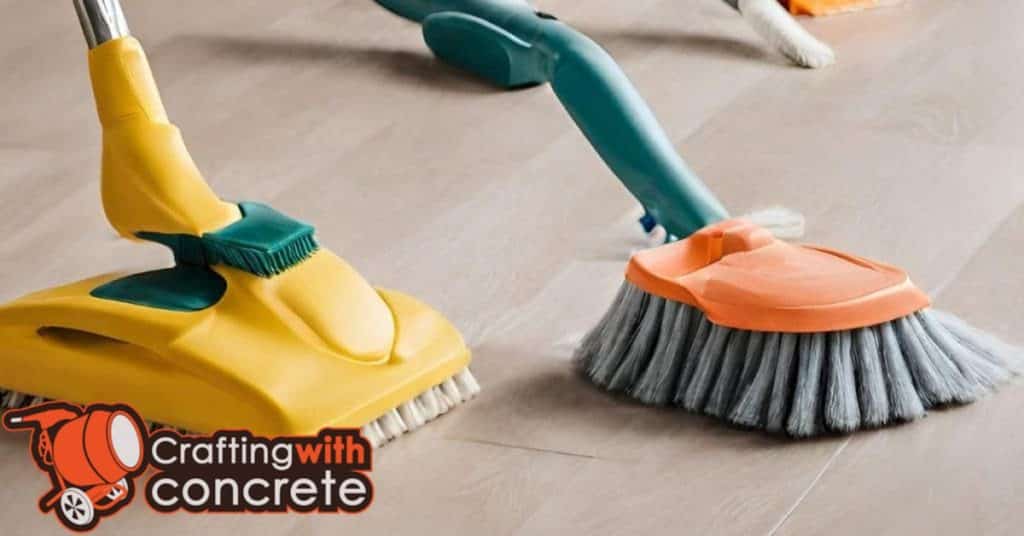
 Use a floor-cleaning tool with a stiff brush to scrub off epoxy before it sets, ensuring easier removal.
Recommended Solvents for Cleaning Uncured Epoxy
Cleaning uncured epoxy is essential for maintaining the effectiveness and longevity of your tools. Methylated spirits, acetone, and MEK (Methyl Ethyl Ketone) are some of the most effective solvents for this task, each offering unique properties and safety precautions.
For DIY enthusiasts and professionals alike, understanding the strengths and limitations of these solvents can significantly impact the quality of your work. Proper use of these cleaning agents not only ensures thorough removal of uncured epoxy but also helps in preserving the tools and reducing environmental impact. By selecting the right solvent and applying it correctly, you can achieve optimal results without compromising safety or efficiency.
Methylated Spirits (Denatured Alcohol)
Methylated spirits, also known as denatured alcohol, are a handy option for cleaning up uncured epoxy. This solvent is effective because it breaks down the epoxy’s components, making it easier to wipe away. It’s a good choice for small spills or drips, especially if you’re working in a well-ventilated area. Just soak a cloth in the spirits and gently rub the affected area until the epoxy is gone.
However, there are some limitations. Methylated spirits evaporate quickly, so you need to work fast. If the epoxy starts to cure, you’ll have a tougher time removing it. Also, this solvent isn’t suitable for large spills or thick layers of epoxy. In those cases, you might need something stronger, like acetone. Remember, always wear gloves and ensure proper ventilation to avoid inhaling fumes.
While methylated spirits can be a great tool, it’s not a one-size-fits-all solution. Test a small area first to ensure it doesn’t damage the surface you’re cleaning. And don’t forget, it’s flammable, so keep it away from open flames or heat sources. With a little care, it can be an effective part of your epoxy-cleaning toolkit.
Acetone and MEK
When it comes to cleaning uncured epoxy, acetone is a popular choice. It’s readily available and effective at breaking down epoxy before it hardens. Just apply a small amount to a cloth and wipe away the residue. However, it evaporates quickly, so you need to work fast. Remember, acetone is flammable and has a strong odor, so ensure good ventilation and keep it away from open flames.
On the other hand, MEK (Methyl Ethyl Ketone) is another powerful solvent for tackling uncured epoxy. It’s a bit more aggressive than acetone, making it highly effective for stubborn areas. But be cautious—MEK is also more toxic. Always wear gloves and a mask when using it, and work in a well-ventilated area. If you’re sensitive to chemicals, you might want to stick with acetone or even consider methylated spirits, which we discussed earlier.
Both acetone and MEK can get the job done, but your choice depends on the situation. For quick, light clean-ups, acetone is usually sufficient. For tougher jobs, MEK might be your best bet, but handle it with care. Always prioritize safety and read the labels before use.
Techniques for Applying Solvents
Applying solvents is crucial for effectively cleaning uncured epoxy from tools, ensuring they remain in good condition. The “squirt and fold” technique is a popular method that involves squirting the solvent onto a cloth and folding it to distribute the solution evenly over the tool’s surface.
Understanding these techniques is essential for both safety and efficiency on the jobsite. Proper application not only prolongs the life of your tools but also minimizes the risk of exposure to harmful chemicals. Selecting the right solvent and following safety precautions can prevent environmental harm and ensure a safer working environment.
The “Squirt and Fold” Method
Grab a squirter bottle filled with your chosen solvent and a clean rag. The goal here is to use the solvent sparingly and avoid making a mess. Lightly squirt the solvent onto the epoxy area. Don’t soak it; just a few squirts will do the trick. You want enough to soften the epoxy, not drown it.
Once you’ve applied the solvent, take your rag and fold it neatly. This gives you a clean edge to work with. Use the folded rag to gently rub the epoxy. The key is to apply even pressure without scrubbing too hard. If you push too hard, you might damage the surface underneath. Patience is crucial here; let the solvent do its job.
If the epoxy doesn’t come off easily, repeat the process. Squirt a bit more solvent, fold your rag to a clean side, and try again. Avoid using the same part of the rag for too long, as it will just spread the epoxy around. Keep it clean and methodical, and you’ll get that epoxy off without a hitch.
Cleaning Hard-to-Reach Areas
When dealing with epoxy in nooks and crannies, precision is key. You can’t just splash solvent everywhere and hope for the best. Instead, use a small brush or cotton swab to apply the solvent directly where it’s needed. This targeted approach helps you avoid damaging surrounding surfaces. If you’re using the “Squirt and Fold” method, remember to adjust your technique to fit these tighter spaces.
Always test the solvent on a hidden area first. Some solvents can discolor or damage materials, and you don’t want to find that out the hard way. Once you’re sure it’s safe, work slowly and methodically. Patience pays off here.
Don’t rush the process. Give the solvent time to break down the epoxy, then gently scrub with your brush or swab. If the epoxy is stubborn, repeat the process. Just don’t overdo it with the solvent; too much can cause more harm than good.
Safety Precautions for Handling and Disposing of Solvent-Soaked Materials
Handling and disposing of solvent-soaked materials require strict safety precautions to prevent fire hazards. Wearing protective gear such as gloves and goggles is crucial, along with ensuring proper ventilation to avoid inhaling harmful fumes.
These measures are vital for maintaining a safe DIY environment or job site, as improper handling can lead to dangerous situations like spontaneous combustion. By following these guidelines, you not only protect yourself and others but also comply with local regulations, ensuring a safer and more responsible approach to managing hazardous materials.
Proper Disposal Techniques
First things first, you need to ensure that any solvent-soaked materials are completely dry before disposal. Lay them out in a well-ventilated area, away from any potential ignition sources. This step is crucial to prevent any accidental fires. Once the materials are dry, they become much safer to handle.
Next, place the dried materials in a designated disposal container. This container should be non-flammable and clearly labeled for hazardous waste. Don’t just toss them in the regular trash. Check with your local waste management facility for specific disposal guidelines, as regulations can vary. They might have a drop-off point or special instructions for hazardous materials.
Finally, never attempt to burn or bury solvent-soaked materials. These methods are not only dangerous but also illegal in many areas. Proper disposal is not just about following rules; it’s about ensuring your safety and that of the environment. If you’re unsure, always err on the side of caution and seek professional advice.
Ventilation and Inhalation Safety
When working with solvent-soaked materials, always prioritize ventilation. Open windows and doors to create a cross-breeze. If you’re in a space without good airflow, use fans to push fumes out. Never underestimate the importance of fresh air. It’s your first line of defense against inhaling harmful vapors.
Invest in a quality respirator if you’re handling solvents regularly. A simple dust mask won’t cut it. Look for one that’s rated for chemical fumes. This is non-negotiable if you want to protect your lungs.
Keep an eye on how you feel. If you start to feel dizzy or lightheaded, step outside immediately. That’s your body telling you that you’re breathing in too many fumes. Don’t ignore these signs. It’s better to take a break than to risk your health.
 Disengaging the garage door can create a safe space for cleaning tools without accidental movement or interference.
Essential Safety Protocols for Handling and Storing Solvents
Handling solvents safely is non-negotiable. These chemicals can be hazardous if not managed correctly. Whether you’re cleaning epoxy or storing solvents, following strict safety protocols protects you and your workspace from potential harm.
- Always wear appropriate protective gear, including gloves, goggles, and a respirator, to shield yourself from chemical exposure.
- Ensure your workspace is well-ventilated. Open windows and use fans to disperse fumes and reduce inhalation risks.
- Store solvents in their original containers with clear labels. Keep them in a cool, dry place away from heat sources and direct sunlight.
- Never mix different solvents. This can lead to dangerous chemical reactions, producing harmful fumes or even causing explosions.
- After using solvents, wash your hands thoroughly with soap and water to remove any residues that may linger on your skin.
- Regularly inspect storage areas for leaks or spills. Clean up any solvent spills immediately using appropriate materials to prevent accidents.
- Keep a fire extinguisher nearby when working with flammable solvents. Ensure it’s suitable for chemical fires and that you know how to use it.
Proper Disposal Practices
Disposing of solvents correctly is crucial for safety and environmental protection. Never pour solvents down the drain or into the trash. Instead, follow local regulations for hazardous waste disposal. Contact your local waste management facility for guidance on proper disposal methods.
Alternative Cleaning Methods: Using Vinegar for Epoxy Residue
Vinegar offers a safer, eco-friendly alternative to traditional solvents for cleaning epoxy residue. Its natural acidity helps break down the epoxy without the harsh chemicals found in conventional cleaners. This makes vinegar an appealing choice for those looking to minimize their environmental impact while maintaining clean tools.
For DIY enthusiasts and jobsite workers, using vinegar is both practical and effective. It’s easy to find, affordable, and can be combined with other natural ingredients to enhance its cleaning power. Additionally, vinegar’s non-toxic nature means fewer safety concerns, though proper ventilation and protective gear are still recommended. Exploring vinegar as a cleaning solution not only benefits the environment but also promotes a healthier workspace.
Effectiveness of Vinegar
Vinegar is a popular household item that many people use for cleaning, but when it comes to removing epoxy residue, it’s not always the best choice. Traditional solvents are specifically designed to break down epoxy, making them more effective. Vinegar, on the other hand, is much milder and may require more effort and time to achieve similar results.
If you’re considering using vinegar, be prepared for a bit of elbow grease. It might work on small or thin layers of epoxy, but for tougher jobs, you might find yourself scrubbing longer than you’d like. In cases where vinegar does work, it’s usually because the epoxy hasn’t fully cured or is in a very thin layer. For anything more substantial, traditional solvents are the way to go.
Before you start, test a small area to see how well vinegar works on your specific epoxy residue. This will help you decide whether it’s worth the effort or if you should switch to a more potent solvent. Remember, while vinegar is a safer, non-toxic option, it may not always be the most efficient for heavy-duty cleaning tasks.
Application Tips
Before you start, make sure the tools are free from loose debris. You don’t want dirt interfering with the vinegar’s ability to work on the epoxy. Soak a cloth or sponge in vinegar and apply it directly to the epoxy residue on your tools. Let it sit for a few minutes to soften the epoxy, which will make it easier to remove.
After the vinegar has had time to work its magic, use a scraper or a stiff brush to gently scrub the residue. Be patient—rushing can damage your tools. If the epoxy is stubborn, repeat the vinegar application and scrubbing process. Don’t use excessive force; let the vinegar do the heavy lifting.
Once you’ve removed the epoxy, rinse the tools thoroughly with water to wash away any vinegar and loosened residue. Dry them completely to prevent rusting. Remember, vinegar is a mild acid, so always rinse it off to keep your tools in good shape.
When to Call in the Pros for Epoxy Cleanup
Sometimes, dealing with epoxy can get out of hand. Large spills or stubborn cured epoxy might be more than a DIYer can handle. Knowing when to call a professional can save you time, money, and a lot of frustration. Here are some situations where it’s best to bring in the experts.
- If you’ve got a big spill, especially on a porous surface, don’t try to tackle it alone. Professionals have the right tools and experience to handle it without causing more damage.
- When dealing with hazardous chemicals like MEK, it’s safer to let someone trained in handling these substances take over. They know the safety protocols and have the proper protective gear.
- If the epoxy has cured in hard-to-reach areas or on delicate surfaces, a pro can remove it without damaging the material underneath.
- For commercial or industrial spaces, professional cleanup ensures compliance with safety and environmental regulations.
- If you’re unsure about the type of epoxy or the best method for removal, a professional can provide the right solution without trial and error.
- When time is of the essence, professionals can get the job done quickly and efficiently, minimizing downtime for your project.
Choosing the Right Professional
Not all professionals are created equal. Look for someone with experience in epoxy cleanup and check their references. Make sure they have the necessary certifications and insurance to protect you and your property. A good professional will assess the situation and provide a clear plan and cost estimate before starting the work.
Common Mistakes When Cleaning Epoxy and How to Avoid Them
Cleaning epoxy can be tricky, and there are several common mistakes that can make the process more difficult or even damage your tools. Acting quickly is crucial to prevent epoxy from curing on tools, while using the right solvent can make all the difference. Gentle cleaning techniques are essential to avoid excessive scrubbing that might harm your equipment.
For DIY enthusiasts and professionals alike, understanding these pitfalls can save time and extend the lifespan of your tools. Wearing protective gear ensures safety, while proper disposal of epoxy waste is vital for environmental responsibility. By avoiding these errors, you can maintain efficiency and safety on any project involving epoxy.
Overuse of Solvents
Using too many solvents when cleaning epoxy can do more harm than good. Solvents are powerful and can break down the epoxy surface if not used carefully. This leads to dullness and a weakened finish. Instead of pouring on the solvent, apply it sparingly with a cloth. This helps maintain the integrity of the epoxy while still getting the job done.
Always choose the right solvent for the job. Some solvents are too harsh and can damage the epoxy. Check the manufacturer’s recommendations and stick to them. If you’re unsure, test the solvent on a small, hidden area first. This way, you avoid any nasty surprises.
Efficiency is key. Use a small amount of solvent and work in sections. This prevents the solvent from sitting too long on the surface, which can cause damage. Remember, less is more. By using solvents wisely, you keep your epoxy surfaces looking their best without unnecessary wear and tear.
Ignoring Safety Protocols
Skipping safety protocols when cleaning epoxy is a recipe for disaster. Epoxy contains chemicals that can be harmful if inhaled or if they come into contact with your skin. Always wear protective gear. This includes gloves, goggles, and a mask. You don’t want to risk your health over a simple cleaning task.
Ventilation is another big one. Make sure you’re working in a well-ventilated area. Open windows and doors to allow fresh air to circulate. This reduces the risk of inhaling toxic fumes. If you’re working in an enclosed space, consider using a fan to keep the air moving.
Don’t underestimate the importance of reading labels. Every product is different. Some cleaning agents might react badly with epoxy, causing damage or releasing harmful fumes. Stick to recommended products and follow the instructions. If you’re unsure, refer back to the section on the overuse of solvents for guidance.
Environmental Impact and Eco-Friendly Alternatives for Cleaning Solvents
Traditional cleaning solvents used for epoxy can pose significant environmental risks, affecting ecosystems and air quality. Opting for eco-friendly alternatives is crucial to reduce these impacts and support sustainable practices.
Eco-friendly solvents, such as citrus-based cleaners, vinegar, and biodegradable options, offer effective cleaning solutions with less harm to the environment. These alternatives not only help protect the planet but also promote healthier living and working spaces. While there may be considerations like cost or availability, the long-term benefits of adopting greener cleaning methods are invaluable.
Biodegradable Solvents
Biodegradable solvents are a smart choice if you want to clean effectively without harming the environment. These solvents break down naturally, reducing pollution and the risk of toxic residues. When shopping, look for products labeled as biodegradable and double-check the ingredient list to ensure they don’t contain hidden chemicals.
Common options include citrus-based solvents and those derived from soy or corn. These are not only effective at cutting through grease and grime but are also safer for your home and the planet. They often work just as well as traditional solvents, so there’s no need to compromise on performance.
Switching to biodegradable solvents is a straightforward way to make your cleaning routine more eco-friendly. Just remember, not all products are created equal. Read reviews and do your research to find a brand that balances effectiveness with environmental responsibility. Avoid products with vague claims and always verify their credentials.
Reducing Solvent Waste
To minimize solvent waste, start by using the right amount for the job. Overuse is a common mistake that leads to unnecessary waste. Measure carefully and only pour out what you need. If you have leftover solvent, store it properly for future use instead of disposing of it immediately.
Another effective strategy is to invest in high-quality cleaning equipment. Tools that efficiently apply solvents can significantly reduce the amount needed. This not only cuts down on waste but also saves money in the long run. Regularly maintain your equipment to ensure it’s working at peak efficiency.
Consider switching to biodegradable solvents when possible. As discussed earlier, these are less harmful to the environment and can often be used in smaller quantities. Always follow the manufacturer’s guidelines for use and disposal to ensure you’re not inadvertently creating more waste.
Finally, set up a recycling system for solvents. Many solvents can be filtered and reused multiple times. This reduces the need for fresh solvent and minimizes the amount of waste you produce. If you’re not sure how to set this up, consult with a professional who can guide you through the process.

Conclusion
Cleaning epoxy off your tools before it cures is crucial. If you let it sit, you’ll have a tough time getting it off. Always wear gloves and protective gear when handling epoxy. It’s not just about keeping your hands clean; it’s about safety.
Using the right solvent makes all the difference. Stick to recommended ones like acetone or isopropyl alcohol. Apply them correctly and follow safety precautions. Don’t forget to dispose of solvent-soaked materials properly. Ignoring this can lead to bigger problems.
Vinegar is a handy alternative for small jobs. It’s eco-friendly and effective for light residue. Just don’t rely on it for heavy-duty cleaning. Avoid common mistakes like using the wrong solvent or skipping protective gear. These errors can cost you time and money.
Remember, cleaning epoxy isn’t just about keeping your tools in top shape. It’s about doing the job safely and responsibly. Stick to these guidelines, and you’ll keep your workspace clean and your tools ready for the next project.
FAQ
What’s the best way to clean epoxy off tools?
Use a safe solvent like acetone or isopropyl alcohol. Apply it with a rag and scrub the epoxy before it cures. Don’t wait too long; once it hardens, it’s a nightmare to remove.
Can I use water to clean epoxy?
No, water won’t help with uncured epoxy. It just makes a mess. Stick to solvents that can dissolve the epoxy before it sets.
Is it safe to use strong chemicals like paint thinner?
Paint thinner can work but isn’t the safest option. It’s harsh and can damage your tools or harm your skin. Stick to milder solvents like acetone for better safety.
What should I do if the epoxy has already cured?
If it’s cured, you’re in for a tough job. You might need to scrape it off or use a heat gun to soften it. Prevention is key, so clean your tools immediately after use.
Can I reuse the rags soaked with solvent?
Don’t reuse solvent-soaked rags. They can be a fire hazard and won’t clean effectively the second time. Dispose of them safely according to local regulations.