

Introduction
Building or repairing a driveway involves careful planning, and choosing the right PSI concrete is just one step in the process. Understanding how long each stage takes can help you create a realistic timeline and ensure your project stays on track.
The PSI rating of your concrete plays a crucial role in determining how well it performs over time. But knowing when to choose higher or lower PSI ratings isn’t always straightforward, especially when considering the overall timeline of your driveway project.
Understanding the Timeline for Choosing and Installing Concrete with the Right PSI
The timeline for choosing and installing concrete with the right PSI involves several key stages. By understanding how long each step takes, you can create a more accurate project schedule and ensure your driveway lasts for years to come.
- Research and Planning (1-2 weeks): Start by researching different PSI ratings and understanding their implications for your specific needs. Consider factors like vehicle weight, traffic volume, and local climate to make an informed decision.
- Preparation of the Sub-Base (3-7 days): Before pouring concrete, it’s essential to prepare a solid sub-base to support your driveway. This involves clearing the area, grading, and compacting the soil, which can take several days depending on the size of your project.
- Ordering Concrete (1 day): Once you’ve decided on the right PSI for your needs, order the concrete from a reputable supplier. They will need time to prepare the mix according to your specifications.
- Pouring and Finishing (1-2 days): On the scheduled delivery date, the concrete will be poured and finished by professionals or yourself if you’ve chosen that route. The curing process begins immediately after pouring.
- Curing and Sealing (7-28 days): Concrete needs time to cure and gain its full strength. During this period, it’s essential to keep the driveway moist and protected from extreme temperatures. After the concrete has cured, apply a sealant to protect it from moisture and enhance its durability.
The total timeline for choosing and installing concrete with the right PSI can range from 4 to 8 weeks, depending on factors like project size, weather conditions, and your availability. By understanding this timeline, you can better plan your driveway project and ensure a successful outcome.
However, some situations might call for higher PSI ratings. For instance, areas meant for heavy-duty or commercial use may need concrete with strengths between 5000 and 6000 PSI to ensure it remains durable.
This guide will explore the different PSI levels suitable for concrete applications, from foundational footings to the final driveway surface. We will also look at the best concrete mix ratios, including the common 3000 PSI mix for standard driveways and the stronger 4000 to 5000 PSI mixes for those needing extra toughness.
By understanding the importance of PSI in concrete and its impact, homeowners and builders can make informed decisions that lead to a strong and long-lasting driveway.
Factors to Consider When Choosing the Right PSI for Your Driveway
Proper sub-base preparation is crucial for ensuring the longevity of your concrete driveway, but it’s also an essential step in maintaining your project’s timeline. A well-prepared sub-base allows for faster and more efficient pouring of the concrete, helping to keep your project on schedule.
Picking the right PSI for your driveway means looking at a few key factors that affect how well the concrete performs in different situations. Each of these points is important for figuring out how strong, durable, and long-lasting your concrete will be.
Vehicle Load and Traffic Frequency
- Weight of Vehicles: Think about the types of vehicles that will use your driveway regularly. A regular sedan is much lighter than bigger vehicles like SUVs or trucks. For typical cars, a concrete strength of 3000 to 4000 PSI usually works well. But if heavy vehicles will often be parked or driven on it, you should go for a higher PSI, like 4000 PSI or more.
- Traffic Volume: The number of vehicles using your driveway can really affect how it wears down. More traffic usually means you need stronger concrete to handle the constant use.
Environmental Conditions
- Climate: If you live in an area with extreme weather, like freezing and thawing or really hot temperatures, you might need concrete with a higher PSI to help prevent cracking and other weather-related damage.
- Soil Type: If the soil underneath isn’t compacted well or tends to shift, you may need a higher PSI to deal with ground instability.
Construction and Design Specifications
- Driveway Thickness: The thickness of your driveway, usually measured in inches, affects the PSI you need. Thicker driveways can handle heavier loads, and the concrete driveway thickness PSI will vary accordingly is often suggested for the best results.
- Concrete Mix Ratio: The mix of cement, sand, aggregate, and water in your concrete is key to its strength. For example, a 4000 PSI concrete mix ratio will differ from has a different mix than 3000 PSI concrete, with the former having more cement.
- Reinforcement: Adding steel rebar or wire mesh can really boost the strength of your driveway, which might let you use a lower PSI while still getting the durability you want.
Purpose and Usage
- Functionality: Think about what the main use of the driveway will be. Is it just for home use, or will it also have commercial purposes? Higher PSI concrete might be needed for driveways that serve multiple functions or business needs.
- Aesthetics: If you want to add decorative touches like stamped patterns or colors, choosing a higher PSI concrete can help keep the surface looking great over time.
Budget and Longevity
- Cost: Usually, higher PSI concrete costs more. It’s important to find a balance between your budget and the need for durability to choose a PSI level that fits both your wallet and your structural needs.
- Long-Term Maintenance: Spending a bit more on a higher PSI concrete can reduce long-term maintenance can save you money in the long run since this type of concrete is tougher against cracking and wear.
By carefully considering these factors, you can pick the perfect PSI level for your driveway, making sure your driveway has the strength it needs to handle whatever comes its way.
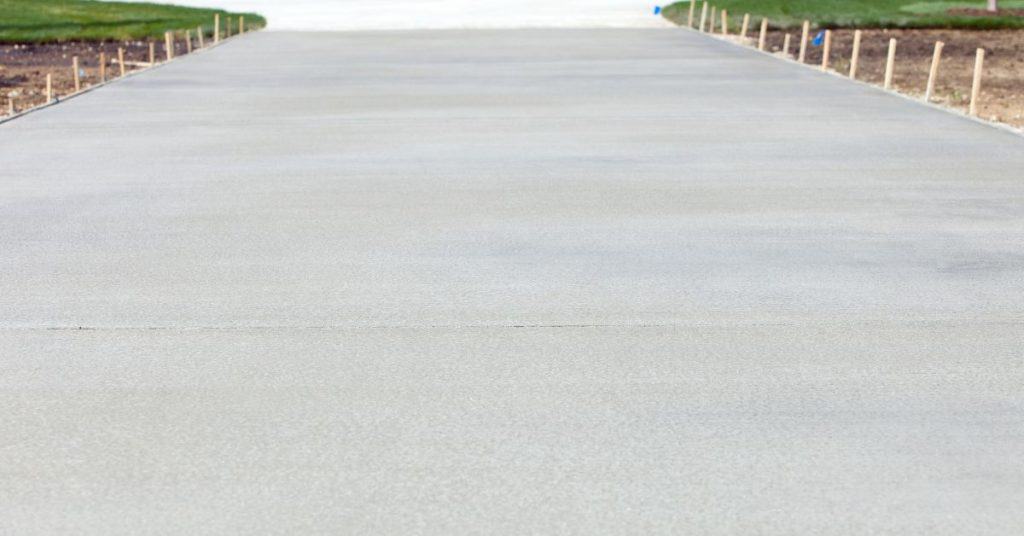
Understanding the Load-Bearing Capacity of Different PSI Concrete
The load-bearing capacity of concrete shows how much weight it can hold over a certain area before it starts to bend or break. This capacity is measured in PSI, or pounds per square inch, which is an important way to check how strong the concrete is.
Homeowners should understand how different PSI levels affect the concrete’s ability to handle various loads. This knowledge is key to keeping your driveway strong and lasting a long time.
Key Aspects of Concrete’s Load-Bearing Capacity
PSI Ratings and Corresponding Load-Bearing Abilities
- PSI Levels: For residential driveways, concrete usually ranges from 3000 to 4000 PSI. These ratings are typically enough for regular cars and everyday use.
- 3000 PSI: This strength is commonly used for general residential needs. It can handle regular car traffic and works well in moderate climates.
- 4000 PSI: This higher rating provides extra durability, making it great for driveways that see more traffic or heavier vehicles.
- 5000 to 6000 PSI: This is best for commercial use or areas expecting heavy loads, like RVs or trucks.
- Load Distribution: Spreading weight evenly across a flat and well-built driveway helps the concrete support loads better. Uneven loads can cause stress and increase the chance of cracking.
Design Considerations for Homeowners
- Foundation and Footings: A strong concrete foundation and footings are crucial. Choosing a higher PSI, like 3500 to 4000 PSI, may be needed to properly support the driveway and any vehicles on it.
- Thickness: A standard driveway is typically 4 inches thick can boost load-bearing capacity. If you’re on a budget, increasing the thickness to 5 inches might allow for a lower PSI.
Environmental Impact on Load-Bearing Capacity
- Temperature Fluctuations: In areas with harsh winters, the freeze-thaw cycle can be tough on concrete. A higher PSI rating can help reduce water absorption and lower the risk of cracking.
- Drainage: Good drainage is important to keep water from harming the concrete’s load-bearing ability. Water can wash away the soil underneath or cause freeze-thaw damage in colder areas.
Maintenance and Upkeep
- Sealing: Using a sealant can protect the driveway’s surface. This helps keep the concrete strong by stopping water from getting in and stains from setting.
- Regular Inspection: Homeowners should inspect their driveways for cracks for signs of wear, as these could point to deeper load-bearing problems.
By understanding these parts of concrete’s load-bearing capacity, homeowners can make smart choices that boost the durability and usefulness of their driveways.
It’s not just about picking concrete with a high PSI rating. Proper mixing, placement, and ongoing care are just as important to ensure the concrete can handle expected loads throughout its life.
The Significance of Proper Sub-Base Preparation for a Concrete Driveway
Getting the sub-base ready is super important for a concrete driveway. It really affects how long the surface lasts and how strong it is. A well-made sub-base gives a solid foundation that keeps the concrete level and intact over time.
This layer is key for making sure the concrete performs well, especially when it comes to holding weight and dealing with different weather challenges.
Key Elements of Sub-Base Preparation
Soil Assessment and Compaction
- Soil Quality Analysis: Before putting in a sub-base, it’s important to check the soil underneath. You want to know its type and how well it drains. Soft or uneven soil can cause the concrete to crack or shift.
- Effective Compaction: Compacting the soil properly makes a strong base for the sub-base material. This helps prevent sinking or settling once the concrete is poured.
Sub-Base Material and Thickness
- Material Selection: Crushed stone or gravel is often used for sub-bases. Choose materials that compact well and drain properly.
- Appropriate Thickness: The sub-base should usually be 4 to 8 inches thick, depending on how heavy the loads will be and the soil conditions. Thicker sub-bases are better for driveways that will hold heavier vehicles.
Drainage Considerations
- Grading and Slope: Good grading is key to making sure water flows away from the driveway. This helps stop water from pooling under the concrete, which can cause erosion or damage when it freezes and thaws.
- Permeable Solutions: Sometimes, using permeable materials for the sub-base can help manage water better and reduce environmental impact.
Importance for Homeowners
Structural Integrity
- Crack Prevention: A well-prepared sub-base helps spread out loads evenly, which lowers the chances of cracks in the concrete.
- Settlement Mitigation: It’s also important for stopping the driveway from settling, which can create uneven surfaces and tripping hazards.
Longevity and Maintenance
- Durability: Driveways with properly prepared sub-bases usually last longer and need less maintenance.
- Resale Value: Properties with well-built driveways often sell for more, showing off the quality work and attention to detail.
Cost Efficiency
- Minimized Repair Costs: Spending time on good sub-base preparation can save homeowners a lot of money by cutting down on expensive repairs later.
- Optimized Material Use: Proper preparation can allow for a thinner concrete slab, which might lower costs while still keeping the driveway strong.
Thorough sub-base preparation is a key part of building a concrete driveway. It’s an investment in the driveway’s strength and lifespan, leading to lower maintenance costs and higher property value.
For homeowners, understanding the importance of this preparation step is essential when planning a driveway installation or renovation.
Common Mistakes to Avoid When Choosing the PSI for Your Driveway
Picking the right PSI for your concrete driveway is super important. Homeowners often make some common mistakes if they’re not careful. Avoiding these errors can save you time and money, helping your driveway last longer and do its job well.
Overlooking Vehicle Types
- Underestimating Load: If you don’t think about the weight of the vehicles that will use the driveway, you might end up choosing a PSI that’s too low. This can lead to cracks and damage sooner than you’d like.
- Ignoring Frequency of Use: Forgetting to consider how often the driveway will be used can also throw off your PSI calculations.
Neglecting Climate and Environmental Factors
- Disregarding Weather Conditions: Not paying attention to your local climate, especially if you live in an area with freeze-thaw cycles, can lead to choosing a PSI that doesn’t protect against weather damage.
- Inadequate Drainage Planning: If you don’t plan for proper drainage in both the sub-base and concrete slab, water can build up. This can freeze and expand, causing cracks and other problems.
Compromising on Quality for Cost
- Choosing Lower PSI to Save Money: Picking a concrete mix with a lower PSI to save some cash can backfire. It might make your driveway less durable, leading to more repairs or an earlier replacement.
- Skipping Reinforcement: Trying to cut costs by leaving out reinforcement materials like rebar or wire mesh can weaken your driveway’s structure.
Misunderstanding PSI Ratings
- Confusing PSI with Quality: Thinking that a higher PSI rating always means better quality can be misleading. The best PSI for your driveway should match your specific needs, not just be the highest number.
- Not Consulting with Professionals: DIY fans might choose a PSI based on general advice instead of getting input from pros who can give tailored recommendations for their situation.
Poor Planning and Preparation
- Inadequate Sub-Base Preparation: Ignoring the need for a well-prepared sub-base can lead to an unstable driveway, no matter what the concrete’s PSI is.
- Improper Concrete Mixing: Mixing concrete without following the right ratios for the desired PSI can make your driveway weaker. For instance, not sticking to the 4000 PSI mix ratio when that strength is needed can be harmful.
Overlooking Maintenance and Upkeep
- Ignoring Long-Term Care: Not thinking about the maintenance needs of different PSI levels can lead to problems later on. Higher PSI concrete may be tougher, but it still needs the right care.
- Forgetting About Sealing: Skipping the sealing process can leave even high PSI concrete driveways open to stains and moisture damage.
By avoiding these common mistakes, homeowners can make smart choices about the right PSI for their concrete driveways. Considering all the important factors will help ensure a stronger and longer-lasting surface.
Hiring a Professional Contractor for Concrete Driveway Installation
When it comes to putting in a concrete driveway, many homeowners wonder if they should do it themselves or hire a professional contractor. Both choices have their own pros and cons, so it’s important to weigh the benefits and challenges of hiring a pro to make the best decision.
Pros of Hiring a Professional Contractor
Expertise and Experience
- Quality Workmanship: Professional contractors have the skills needed to make sure every part of the job is done right, from preparing the base to finishing touches.
- Problem-Solving: Their experience helps them spot and tackle potential issues that might come up during installation, which can be tricky for DIYers.
Time and Convenience
- Efficiency: With their know-how and access to a skilled team and top-notch tools, contractors can often finish the job much quicker than a homeowner could.
- Convenience: Hiring a pro lets homeowners avoid the physical work and time commitment that comes with a DIY project.
Long-Term Durability and Compliance
- Durability: Professionals know the right concrete mix and PSI levels for different conditions, which leads to a stronger driveway.
- Legal Compliance: Contractors understand local building codes and can get the necessary permits, making sure everything is up to standard.
Warranty and Liability
- Warranty: Many contractors offer warranties for their work, giving homeowners peace of mind that any issues after installation will be taken care of.
- Insurance: Professional contractors have insurance, which protects homeowners from liability if accidents happen during the job.
Cons of Hiring a Professional Contractor
- Expense: Hiring professionals can be a lot more expensive than doing it yourself, which is something budget-conscious homeowners should think about.
Finding the Right Contractor
- Research Required: Homeowners need to spend time finding a reliable contractor, which can take a while.
- Availability: Depending on the contractor’s schedule, there might be delays before the project can start.
Loss of Control
- Design and Execution: If the homeowner and contractor have different ideas, it can lead to disappointment with the final result.
- Oversight Needed: Homeowners still need to keep an eye on the contractor’s work to make sure it meets their expectations, which can take extra time and effort.
Potential for Disputes
- Contract Issues: Unclear terms in the contract can lead to disagreements about the work, costs, and timelines.
- Communication Problems: Misunderstandings can happen, which might result in a driveway that doesn’t match what the homeowner wanted.
While hiring a professional contractor for concrete driveway installation can be pricier, it usually offers better quality, speed, and compliance with regulations. Homeowners should think carefully about these benefits alongside the costs and challenges to figure out the best approach for their driveway project.

Essential Maintenance for Extending Your Driveway’s Lifespan
To keep your concrete driveway looking great for years, regular maintenance is key. This not only makes it more attractive but also helps prevent damage that could lead to costly repairs. Sticking to a maintenance routine can really boost both the strength and appearance of your driveway.
Routine Cleaning and Monitoring
Maintaining a Clean Surface
- Frequent Cleaning: Regularly remove debris, dirt, and stains. You can use a push broom, garden hose, or a pressure washer set to the right PSI to clean the concrete safely.
- Timely Stain Removal: Take care of spills and leaks right away to prevent permanent stains. Use cleaners made for oil, grease, or chemical stains.
Conducting Routine Inspections
- Identifying Cracks: Check your driveway often for cracks. Small cracks can usually be sealed to stop water from getting in and causing more damage.
- Edge Assessment: Look for crumbling edges, which might mean there’s a problem with the sub-base or that it needs sealing.
Repair and Preventative Measures
Fixing Cracks and Holes
- Seal Cracks: Use a concrete crack filler or sealer to fix small cracks, making sure to follow the instructions from the manufacturer.
- Patch Larger Holes: For bigger holes or pitting, consider using a concrete patching compound for a stronger repair.
Preventing Water-Related Damage
- Ensuring Proper Drainage: Make sure your drainage systems are set up correctly to stop water from pooling on the surface or at the edges of the driveway.
- Applying Sealant: Every few years, put on a concrete sealant to protect against moisture, freeze-thaw cycles, and de-icing chemicals.
Surface Protection Techniques
Strategies for Surface Protection
- Distributing Weight: When parking heavy vehicles or placing dumpster bins, use plywood to spread out the weight and reduce the chance of cracking.
- Careful De-icing: If you need to use de-icing agents, choose ones that are safe for concrete and avoid using too much, as this can cause surface scaling and spalling.
Proactive Protection Measures
- Managing Tree Roots: Prevent tree roots from growing under that could disturb the driveway, leading to heaving and cracking.
- Regular Sealant Reapplication: Keep resealing the driveway to maintain its protection against weather and stains.
Seasonal Maintenance Considerations
Preparing for Seasonal Changes
- Winter Preparation: Before winter hits, check and seal any cracks to stop water from getting in and freezing.
- Summer Maintenance: In summer, clean up oil spots, pull weeds, and apply UV-protective sealants as needed.
Taking care of your driveway requires effort and a proactive approach to repairs and protection. By keeping the surface clean, fixing damage quickly, and protecting the concrete from harsh weather and chemicals, you can greatly extend its life while keeping it looking good.
Regular maintenance not only saves you money in the long run but also boosts your property’s curb appeal and overall value.
Frequently Asked Questions About PSI and Concrete Driveways
Homeowners often have many questions about PSI (pounds per square inch) ratings for concrete driveways. Understanding PSI and what it means for your driveway’s performance can really help you make better driveway’s performance can help in making informed choices. Here are some common questions and their answers:
What is PSI, and why is it important for my concrete driveway?
- PSI Defined: PSI is a measurement that shows how strong concrete is. It tells you how much weight the concrete can handle before it fails.
- Significance for Driveways: Choosing the right PSI is important to ensure the concrete can hold up under the weight of vehicles and resist environmental stress. This helps reduce the chances of cracks and damage.
What PSI should my concrete driveway be?
- Standard Residential Driveways: For most residential driveways, a PSI rating between 3000 and 4000 is best. This range can support the weight of regular passenger cars.
- Heavier Loads: If you expect heavier vehicles or more traffic, you might want to go for a higher PSI, like 4000 to 5000.
How does the thickness of the driveway impact the PSI needed?
- Interrelationship: A thicker layer of concrete can spread out the weight better. This might let you use a lower PSI while still giving enough support.
- Recommended Thickness: Most driveways are about 4 inches thick. If you increase the thickness to 5 inches or more, along with a higher PSI, it’s better for heavier loads.
Can I use a higher PSI than recommended?
- Using Higher PSI: Using a higher PSI than what’s suggested can make your driveway stronger. But keep in mind, it might increase your project costs and isn’t always necessary.
What is the best PSI for driveway concrete?
- Best PSI Determination: The best PSI for your driveway depends on things like vehicle weight, weather, soil conditions, and whether you’re using any reinforcing materials.
- Professional Assessment: Talking to a concrete expert can give you tailored advice for your specific situation.
Does the PSI affect the curing time of concrete?
- PSI and Curing Time: The PSI rating itself doesn’t directly change how long concrete takes to cure. However, the mix design and any additives used to achieve a certain PSI can affect how quickly it sets and cures.
- General Curing Time: No matter the PSI, concrete usually needs about 28 days to reach its full strength, with most of that strength gained in the first week.
What happens if the PSI is too low for my driveway?
- Consequences of Low PSI:
- Reduced Load Capacity: If the PSI is too low, the concrete might not support the weight of vehicles, leading to cracks and sinking.
- Shortened Lifespan: A lower PSI can cause the concrete to wear out faster, which means you’ll need repairs or even a full replacement sooner.
Can the PSI of concrete be increased after it’s already installed?
- PSI Modification: Once concrete has cured, you can’t raise its PSI. If the concrete is under-strength, your only options are to repair or replace it.
- Preventive Measures: Choosing the right PSI before installation is key to avoiding problems later on.
By knowing how important PSI is for the quality and lifespan of a concrete driveway, homeowners can make smart choices for a strong and lasting surface. If you’re unsure, getting advice from a concrete expert can help you find the best solutions for your needs.
Conclusion
Choosing the right PSI for your concrete driveway is more than just a technical detail; it’s an important decision that affects how long your driveway will last and how tough it will be. The PSI rating isn’t just a number; it shows the strength and durability your driveway will have.
If you go with a 3000 PSI mix for regular home use or a stronger 4000 to 6000 PSI mix for heavier vehicles, it’s important to understand what your driveway needs. Using the right mix ratio, like the 4000 PSI concrete mix ratio, along with good installation methods, will help create a driveway that stands up to time and wear.
To keep your investment safe, homeowners should focus on regular maintenance, including PSI concrete testing, to ensure their driveways stay strong.
Remember, caring for your driveway doesn’t stop after it’s installed; ongoing maintenance is key to avoiding expensive repairs. Using effective sealing, making sure water drains properly, and doing regular checks are all important for keeping your driveway looking good and working well.
Finally, working with professional contractors who know the ins and outs of PSI concrete can really improve your results. These experts can guide the selection of concrete strength for driveways, making sure to consider things like how much weight it needs to hold and any environmental factors.
By taking a well-rounded approach to choosing, installing, and maintaining your concrete driveway, you can make sure it stays a valuable and attractive part of your home for years to come.
FAQ
Can I change the PSI of my concrete after it has been poured?
No—once the concrete has set, you can’t change its PSI. However, you can enhance its performance with proper sealing and maintenance.
How can I test the PSI of my existing concrete driveway?
Yes, to check the strength, you can do a core sample test or hire a pro for a compressive strength test.
What should I do if my driveway develops cracks despite using the correct PSI?
If cracks show up, inspect for underlying issues like poor sub-base preparation or drainage problems, and consider repairing them quickly.
How often should I reseal my concrete driveway to maintain its integrity?
To protect your driveway, it’s best to reseal every 1-3 years, depending on weather exposure and traffic conditions.