Crafting with Concrete

All things about crafting with concrete. Concrete is a versatile material that can be used in many different ways.

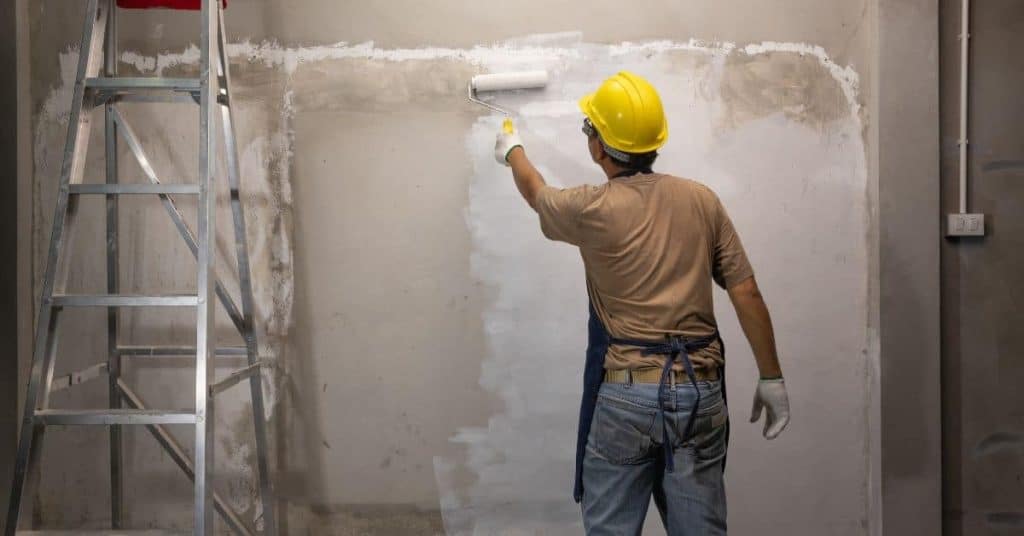
Worker rolling white paint on concrete wall

How to Seal Hairline Cracks Before Painting a Concrete Wall (So They Don’t Print Through)

Introduction Sealing hairline cracks before painting means filling and smoothing tiny cracks in a concrete wall so the paint won’t show through. Start by cleaning the crack and removing dust, then pick a filler recommended for concrete and apply it according to its instructions. Let the filler cure as directed and lightly sand smooth if […]
How to Seal Hairline Cracks Before Painting a Concrete Wall (So They Don’t Print Through) Read More »

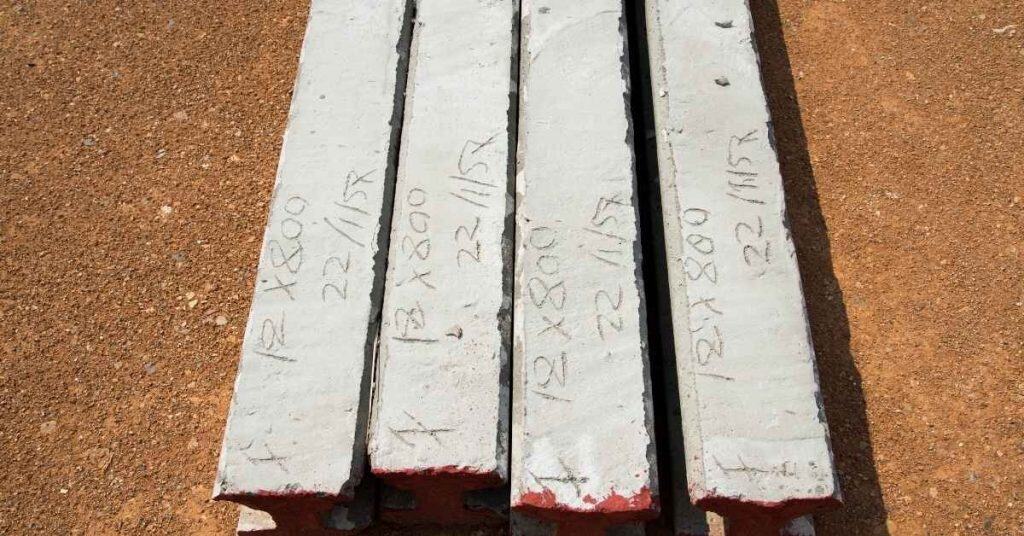
Four concrete test slabs with markings on surface

DIY Carbonation Test for Old Concrete: What It Means for Anchors and Repairs

Introduction A phenolphthalein carbonation test is a localized destructive or minimally destructive screening check—not an anchor test. It can show how far CO₂-driven chemical neutralization appears to have progressed from an exposed concrete surface. It cannot establish concrete strength, corrosion rate, corrosion amount, bond strength, pull-out resistance, or whether a particular anchor is safe for

DIY Carbonation Test for Old Concrete: What It Means for Anchors and Repairs Read More »

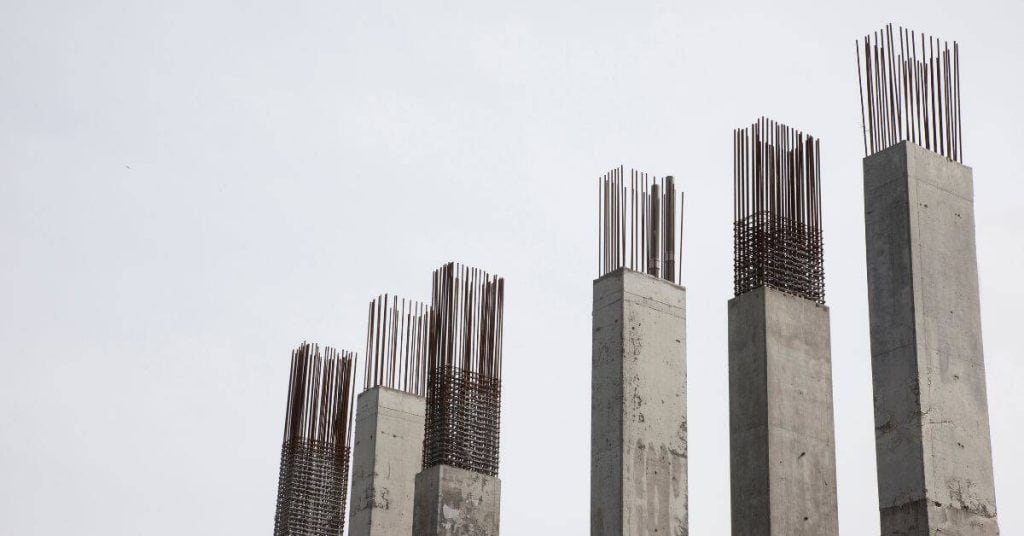
Concrete columns with exposed vertical rebar against sky

Fixing Rust ‘Telegraphing’ Through Concrete Patch Repairs (When Rebar Is Too Close)

Introduction Rust telegraphing through concrete patches happens when corroded rebar pushes outward, showing up as stains, cracks, or rough patches on the surface. This is a sign the patch is not fully sealing the reinforcing and moisture is getting to the steel. In this article we’ll explain what to look for and how to approach

Fixing Rust ‘Telegraphing’ Through Concrete Patch Repairs (When Rebar Is Too Close) Read More »

Wooden concrete footing forms with rebar in dug soil