Render / Stucco

Render / Stucco covers exterior cement-based finishes that protect walls and make them look good for years.

I write about substrate prep, lath and base coats, mixing, application techniques, control joints, curing, waterproofing details, and patch repairs. You’ll also see guides on diagnosing problems like cracking, hollow spots, moisture damage, and delamination.

If you’re working on an exterior wall finish, start here—prep and detailing matter more than people think.

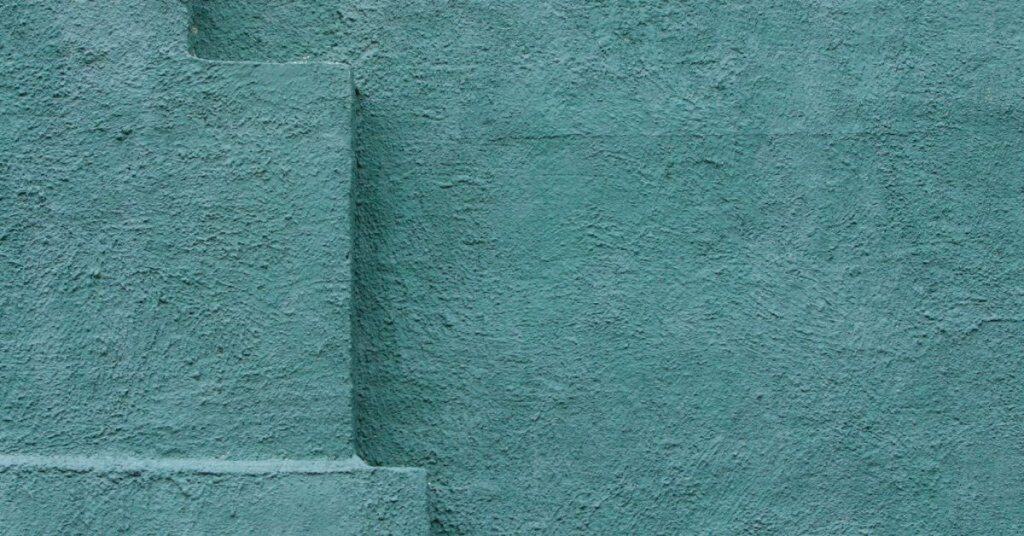
Close-up of blue stucco wall texture with raised sections

Fasteners Through Stucco: Sealing Strategies That Don’t Create Water Traps

Introduction Fasteners through stucco are methods for attaching items to a stucco surface while keeping water from getting trapped behind it. In practice, you need a seal that sheds water and a proper flashing path so moisture can’t linger. This article speaks in plain terms about choosing fasteners and sealants without creating hidden leaks. To […]

Fasteners Through Stucco: Sealing Strategies That Don’t Create Water Traps Read More »

Brick chimney with smoke emitting against blue sky

Chimney Stucco Failures: Heat, Cracks, and Repair Choices

Introduction Chimney stucco failures are cracks and deterioration in the exterior plaster caused by heat exposure, moisture, and movement. These issues show up as hairline cracks, spalling, or texture changes that let water in. Addressing them early keeps water out and protects the brick or block behind the finish. To start, inspect for cracks that

Chimney Stucco Failures: Heat, Cracks, and Repair Choices Read More »

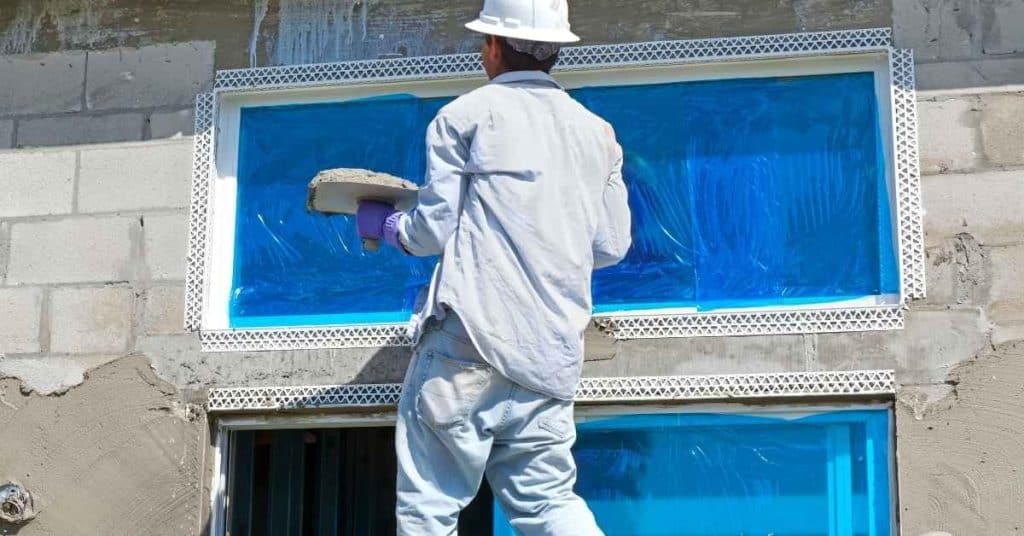
Worker applying stucco around window frames on building exterior

Caulking Stucco to Window Joints: Where to Seal and Where to Leave Drainage

Introduction Caulking stucco to window joints means sealing the gaps where the stucco meets the window frame to keep water out and air in check. It’s a hands-on job that protects the wall and helps prevent leaks. You’ll want to know where not to seal so drainage isn’t blocked and you don’t trap moisture. Start

Caulking Stucco to Window Joints: Where to Seal and Where to Leave Drainage Read More »

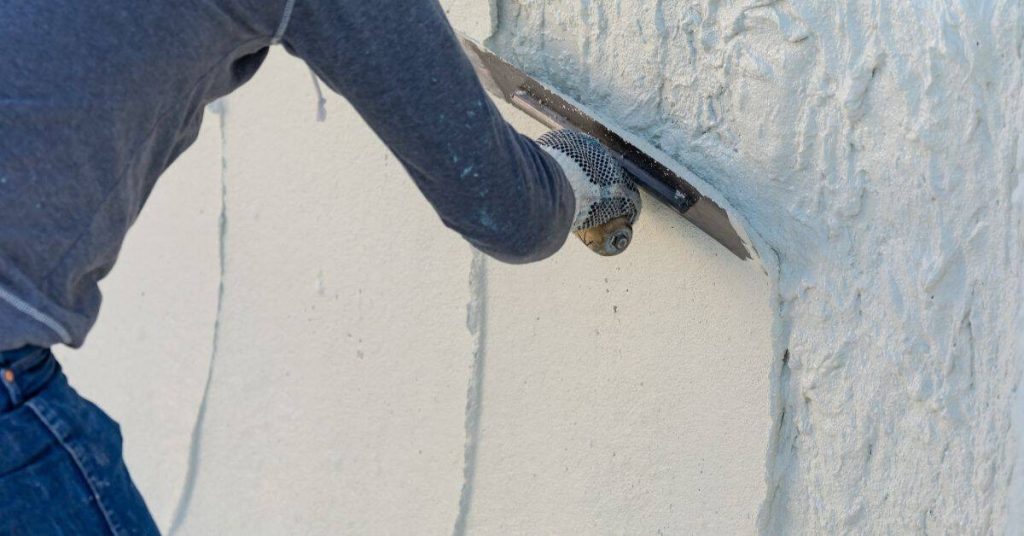
Person smoothing wet stucco on wall with trowel

Decorating Stucco Siding: Safe Ways to Hang, Mount, and Upgrade

Introduction Decorating stucco siding means safely hanging, mounting, and upgrading items on stucco surfaces. This article shares practical methods and the checks you should make before you start. Stucco is a exterior finish that requires the right fasteners and proper installation. From stucco screws and anchors to hot-melt glue and adhesive strips or hooks, we’ll

Decorating Stucco Siding: Safe Ways to Hang, Mount, and Upgrade Read More »

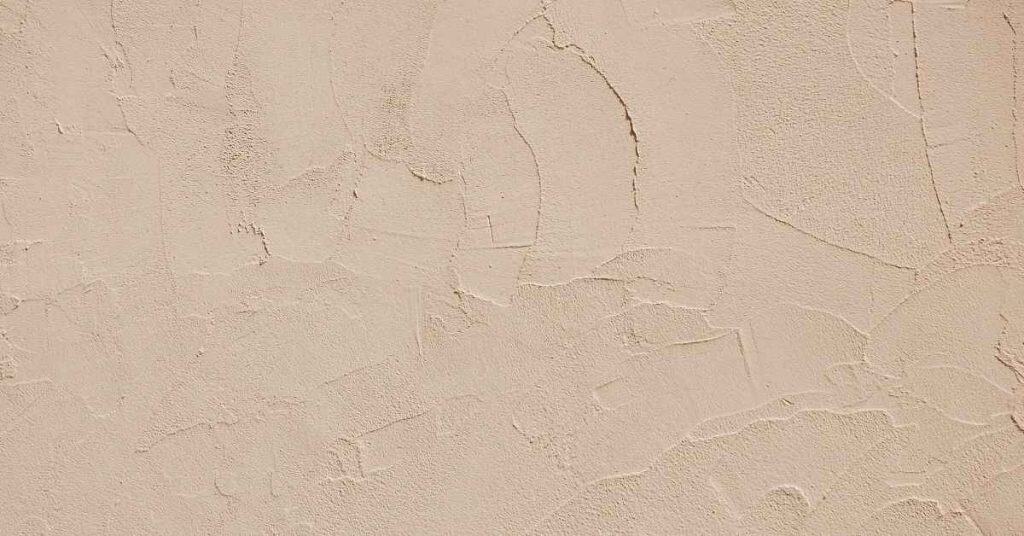
Close-up of textured beige stucco wall surface

Surfactant Damage on Stucco Coatings: What to Check Before You Repaint

Introduction Surfactant damage on stucco coatings happens when cleaners leave residues that affect adhesion and finish. In plain terms, you might see streaks, halos, or softness where the coating meets the wall. Before repainting, check for residue depth, film buildup, and any moisture issues that could be aggravated by detergents. Then do a simple test

Surfactant Damage on Stucco Coatings: What to Check Before You Repaint Read More »

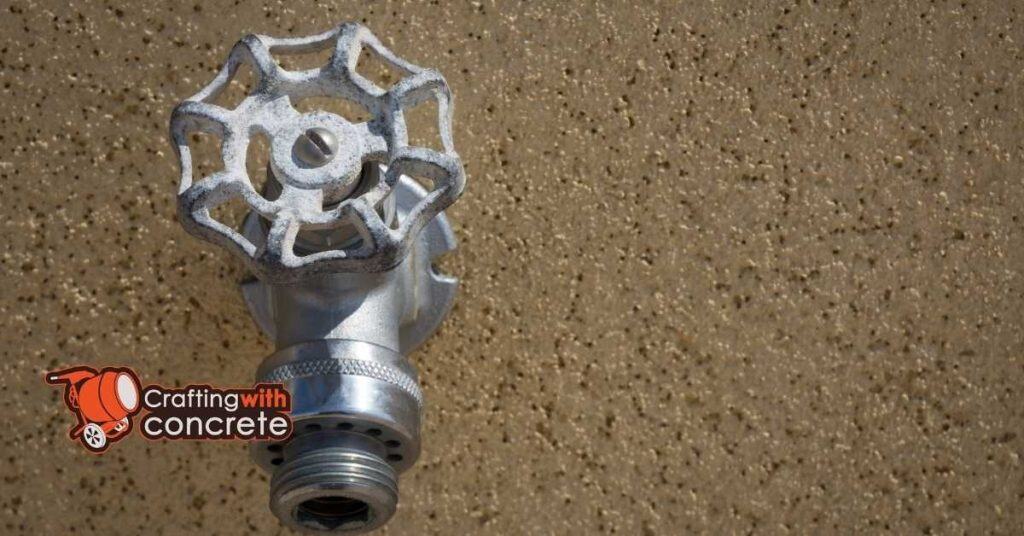
Outdoor metal hose bib mounted on brown stucco wall

Repairing Stucco Around Pipes and Hose Bibs: Patch Details That Don’t Leak

Introduction Repairing stucco around pipes and hose bibs means sealing cracks and gaps so water can’t leak into the wall where pipes and faucets pass through. This is a hands-on fix you can do with basic tools, mindful preparation, and flush paint-matched patches. Check that you’re using the right patch material for your climate and

Repairing Stucco Around Pipes and Hose Bibs: Patch Details That Don’t Leak Read More »

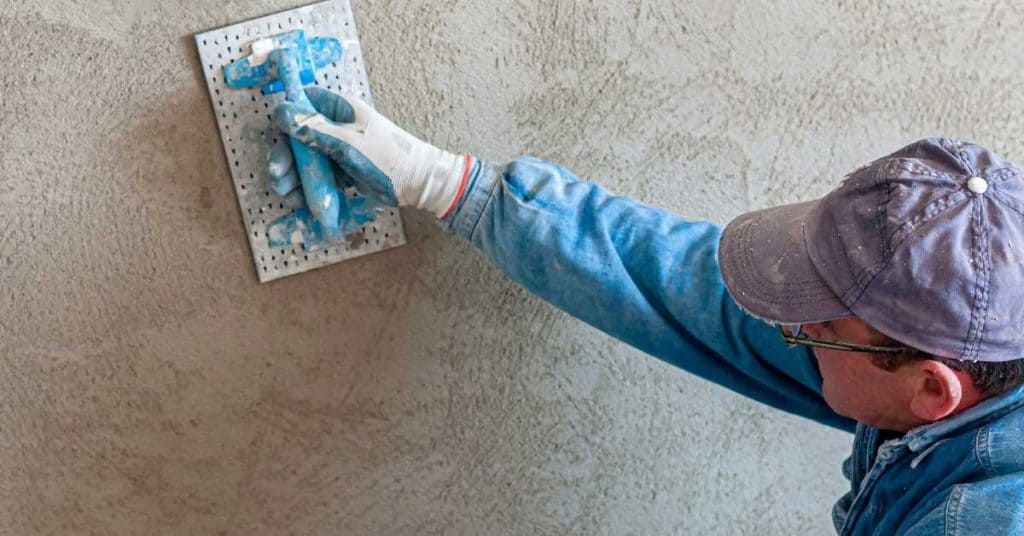
Worker applying textured stucco with a blue trowel

Stucco Texture Options That Hide Repairs: Sand Float, Dash, and Skip Trowel

Introduction Sand float, dash, and skip trowel are stucco textures that help hide repairs. They each use different hand angles and apply techniques to create patterns that blend in with the existing wall. You’ll pick based on the surface and how rough you want the finish, and you should check product labels or manufacturer guidance

Stucco Texture Options That Hide Repairs: Sand Float, Dash, and Skip Trowel Read More »