Render / Stucco

Render / Stucco covers exterior cement-based finishes that protect walls and make them look good for years.

I write about substrate prep, lath and base coats, mixing, application techniques, control joints, curing, waterproofing details, and patch repairs. You’ll also see guides on diagnosing problems like cracking, hollow spots, moisture damage, and delamination.

If you’re working on an exterior wall finish, start here—prep and detailing matter more than people think.

Two construction workers applying stucco to exterior wall

Dash Finish Stucco Repair: Getting Consistent Throw Without Overbuilding Thickness

Introduction Dash finish stucco repair means rethrowing a coarse mix so it keys to the patch without building the wall thickness beyond the original surface. Think of it as matching texture by controlling how far and thick each throw lands rather than piling on extra material. Check product labels and local practices for compatible scratch/base

Dash Finish Stucco Repair: Getting Consistent Throw Without Overbuilding Thickness Read More »

Person applying skip-trowel stucco texture with trowel

Matching Lace and Skip-Trowel Stucco: Hand Techniques That Hide Patch Edges

Introduction Matching lace and skip-trowel stucco means using hand tools and mixing consistency to recreate the same rhythm of bumps and voids so patch edges disappear into the existing wall. I’ll describe the basic hand techniques, the common tools and materials you’ll need, and what to watch for so the repair blends instead of standing

Matching Lace and Skip-Trowel Stucco: Hand Techniques That Hide Patch Edges Read More »

Close-up of weathered pink stucco wall texture

Making Stucco Sample Boards: Test Panels That Predict Color and Texture

Introduction Making stucco sample boards means applying small, finished panels that show how a specific mix, color, and texture will look on the real wall. These test panels let you see drying color shifts, surface texture, and how the base and finish layers interact before you commit to the whole job. Keep the process hands-on:

Making Stucco Sample Boards: Test Panels That Predict Color and Texture Read More »

Close-up of beige textured stucco wall surface

Stucco Color Coat Touch-Ups: Why They Flash and How to Blend Better

Introduction Stucco color coat touch-ups flash when the new skim or color coat reflects light differently than the existing finish—usually due to differences in mix, texture, moisture, or application method. In plain jobsite terms, that means the patched area looks brighter, duller, or a different sheen because something about how it was mixed or applied

Stucco Color Coat Touch-Ups: Why They Flash and How to Blend Better Read More »

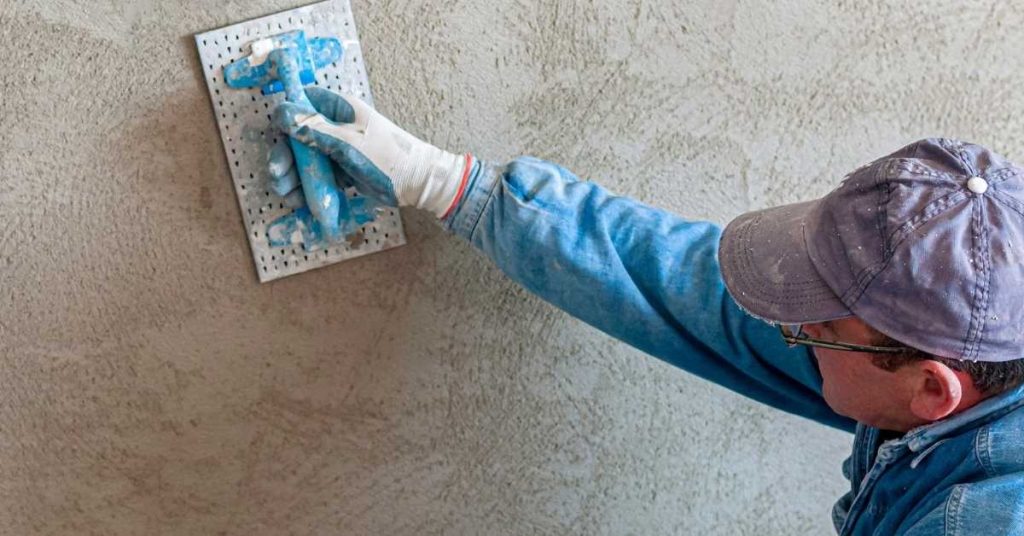
Worker smoothing fresh stucco on wall with trowel

Using Acrylic-Modified Stucco for Patches: Where It’s Smart and Where It Causes Issues

Introduction Acrylic-modified stucco is a cement-lime stucco mix blended with acrylic polymers to improve adhesion and flexibility for patching and thin coats. In plain jobsite terms, it sticks better to sound substrates and tolerates slight movement more than plain cement stucco, but check the product label and manufacturer instructions for proper uses and mixing. Use

Using Acrylic-Modified Stucco for Patches: Where It’s Smart and Where It Causes Issues Read More »

Worker applying stucco to block wall near windows covered in blue plastic

Mixing Stucco for Repairs: Sand Gradation, Lime Content, and Workability Tips

Introduction Mixing stucco for repairs means blending cement, sand, and lime to get a durable, workable patch that matches the existing surface. Use sand graded for stucco (check the product label or supplier gradation), add lime for flexibility per manufacturer guidance, and adjust water until the mix holds shape without slumping. Aim for a consistency

Mixing Stucco for Repairs: Sand Gradation, Lime Content, and Workability Tips Read More »

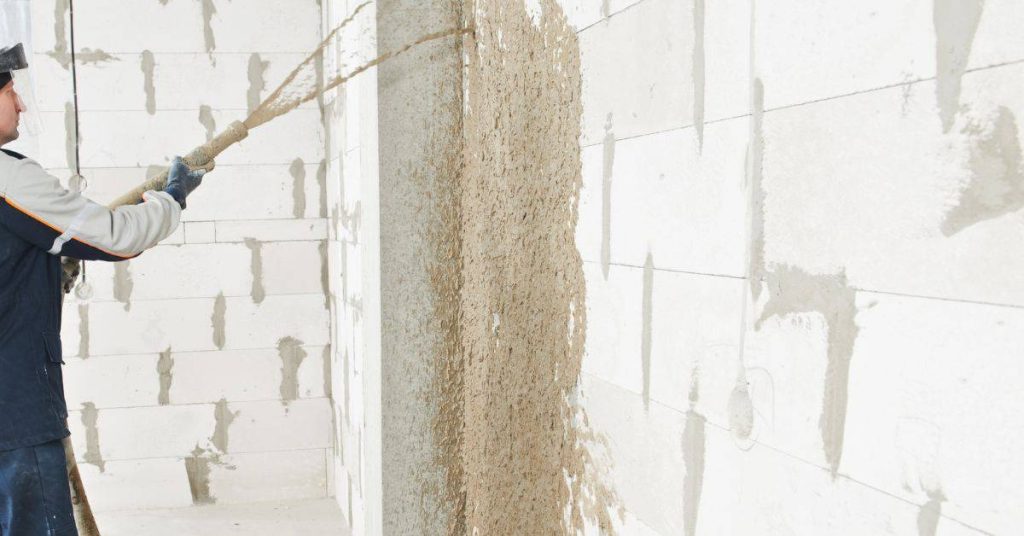
Worker spraying stucco onto concrete block wall

Stucco Over CMU Block: Bonding Agents, Scratch Keys, and Crack Control

Introduction Stucco over CMU block is a thin cement-based finish applied over masonry that needs a good bond, a proper scratch key, and planned crack control to last. Bonding agents, scratch coats, and reinforcement help the stucco grip the block and manage movement, but check product labels and local rules for compatibility and required curing

Stucco Over CMU Block: Bonding Agents, Scratch Keys, and Crack Control Read More »

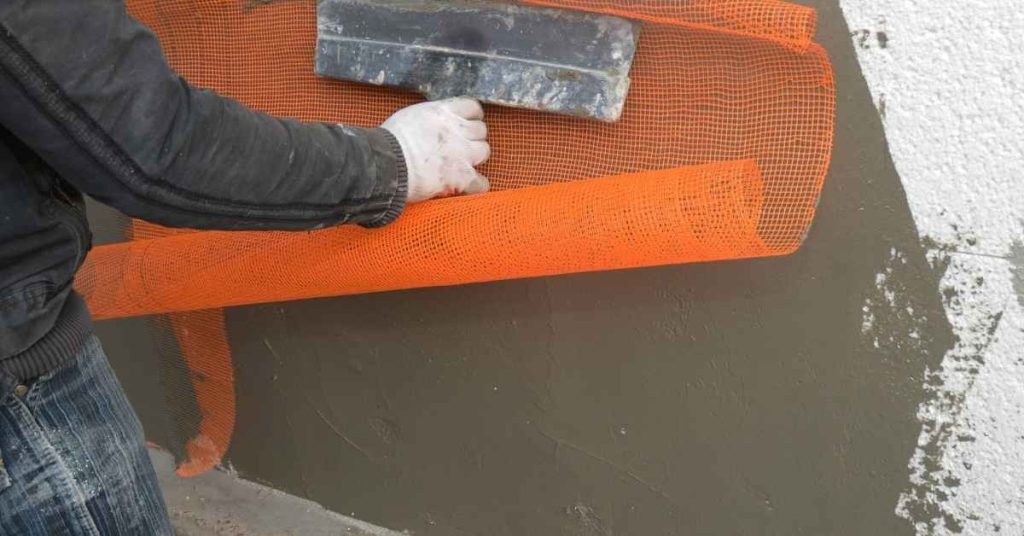
Worker applying orange mesh onto wet stucco on wall

Stucco Over ICF Walls: A Step-by-Step Timeline for Successful Application

Introduction The process of applying stucco over insulated concrete form (ICF) walls involves several stages that require careful planning and timing. Understanding the timeline is crucial to ensure a successful outcome. In this guide, we’ll break down the process into manageable steps, outlining how long each stage takes, so you can plan your project effectively.

Stucco Over ICF Walls: A Step-by-Step Timeline for Successful Application Read More »

Window covered by horizontal white blinds with green plants outside

EIFS Window Detailing: Step-by-Step Timeline and Duration Guide for DIYers

Introduction Embarking on an EIFS window detailing project? Understanding the timeline and duration of each step is crucial to ensure a successful outcome. This guide walks you through the process, breaking down each task into manageable timeframes. Whether you’re a seasoned DIYer or a first-timer, knowing how long each step takes helps you plan your

EIFS Window Detailing: Step-by-Step Timeline and Duration Guide for DIYers Read More »