Render / Stucco

Render / Stucco covers exterior cement-based finishes that protect walls and make them look good for years.

I write about substrate prep, lath and base coats, mixing, application techniques, control joints, curing, waterproofing details, and patch repairs. You’ll also see guides on diagnosing problems like cracking, hollow spots, moisture damage, and delamination.

If you’re working on an exterior wall finish, start here—prep and detailing matter more than people think.

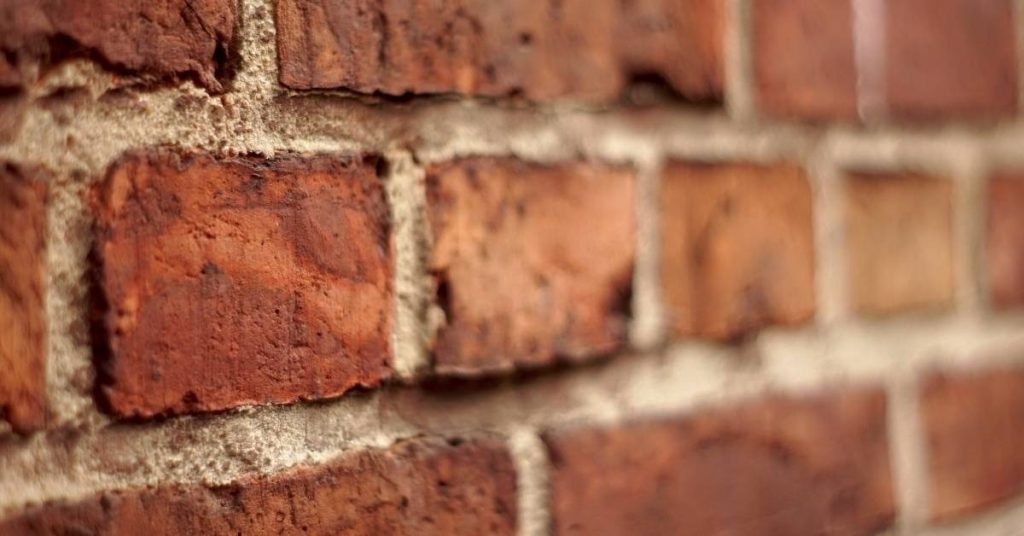
Closeup of red brick and mortar joints in wall

Caulk Pulling Away From Stucco: Why joints fail and how to rebuild them

Introduction Caulk pulling away from stucco happens when the seal between the joint and surface fails, allowing the caulk to separate from the wall. Common causes include movement in the building, sun and weather wear, improper surface prep, and using the wrong type of caulk. These gaps can trap moisture and worsen cracking, so addressing […]

Caulk Pulling Away From Stucco: Why joints fail and how to rebuild them Read More »
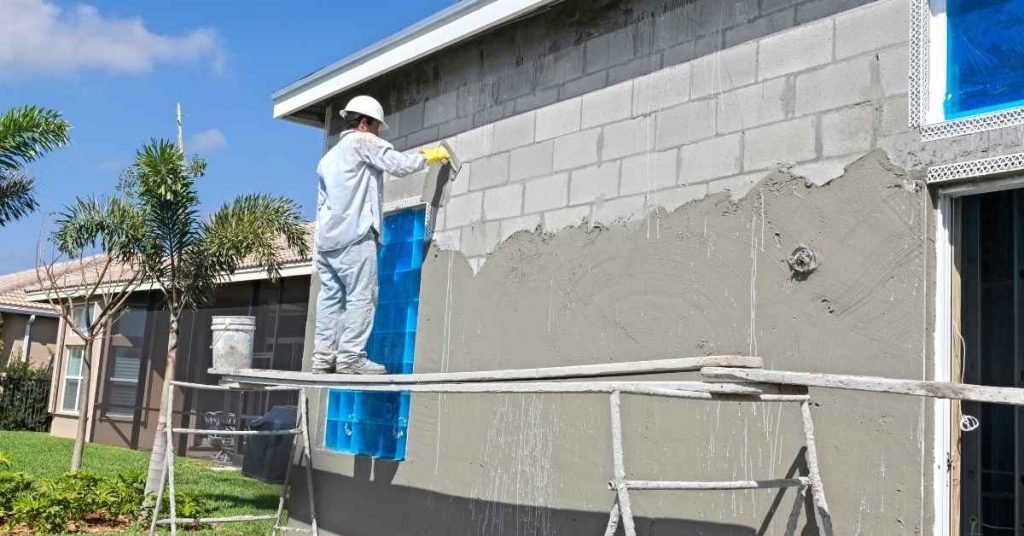
Worker applying stucco on cinder block wall outside house

Hollow-Sounding Stucco: Diagnosing debonding and choosing the right repair

Introduction Hollow-sounding stucco means the plaster layer is pulling away from the underlying surface, making a thump or hollow note when you tap it. This usually points to debonding or voids behind the stucco. If you hear it, start by confirming where the sound is strongest and what the visible signs are. Use plain, practical

Hollow-Sounding Stucco: Diagnosing debonding and choosing the right repair Read More »

Hand applying gray stucco to exterior wall with trowel

New Stucco Over Old Stucco: When it’s safe and how to prep properly

Introduction Yes—new stucco can go over old stucco when the base is sound. Look for cracks, loose sections, and obvious moisture problems and address them. Ask about local rules and follow manufacturer instructions for the products you choose. Prepare the surface by cleaning, repairing loose areas, and ensuring a stable bond. Prime as directed and

New Stucco Over Old Stucco: When it’s safe and how to prep properly Read More »

Worker applying plaster over blue mesh on wall

Mesh Reinforcement for Stucco Patches: Overlaps, thickness, and common mistakes

Introduction Mesh reinforcement for stucco patches is a fabric mesh laid over the repair to help hold the patch in place. Follow the mesh overlap guidelines from the product label or manufacturer and ensure the mesh extends beyond the patch edges. Use the correct patch thickness and mesh type as directed, and verify compatibility with

Mesh Reinforcement for Stucco Patches: Overlaps, thickness, and common mistakes Read More »

Light gray rough stucco texture with uneven surface

Hot Weather Stucco Repairs: Preventing shrink cracks and weak patches

Introduction Hot weather stucco repairs are fixes done when heat causes the mix to dry too fast, increasing shrinkage and weak patches. Try to schedule work for the cooler parts of the day and keep the surface damp as you go. Always follow the product label and local guidelines for curing and application. Key takeaways

Hot Weather Stucco Repairs: Preventing shrink cracks and weak patches Read More »

Person applying stucco plaster to wall with trowel

Winter Stucco Repairs: Temperature tricks that avoid powdery failures

Introduction Winter stucco repairs are methods to fix cracked or damaged stucco in cold weather while avoiding powdery failures by controlling temperature during mixing, application, and curing. Keep the mix and the surface warm enough before you work, and monitor the curing environment. Plan for a dry, protected area and test the surface feel before

Winter Stucco Repairs: Temperature tricks that avoid powdery failures Read More »

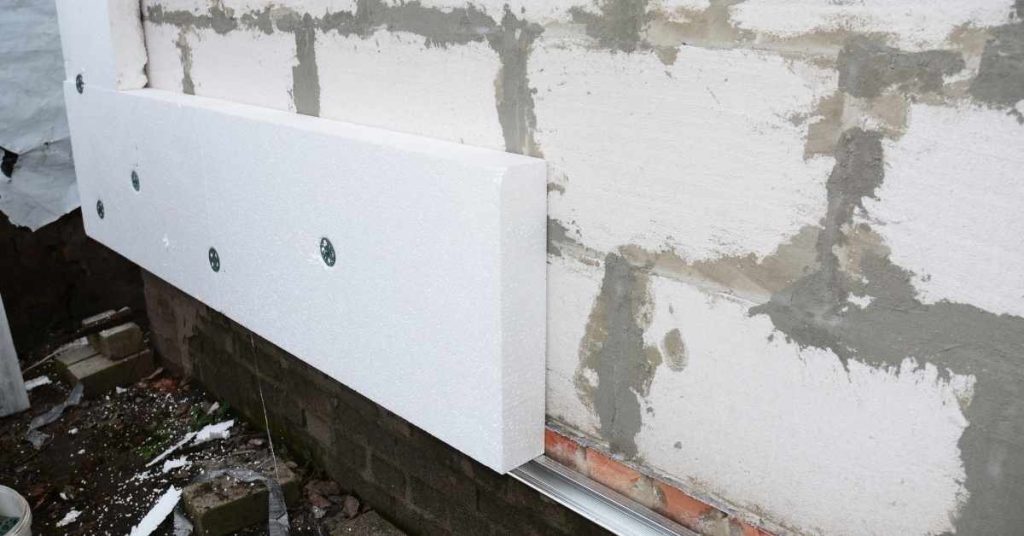
White EPS foam board attached to exterior masonry wall

Stucco at Rooflines: Fixing recurring leaks without relying on caulk alone

Introduction Fixing leaks at stucco rooflines means sealing and directing water so it doesn’t seep where the wall meets the roof. This job isn’t about slapping on caulk alone; you’ll often need proper flashing and surface prep to make a lasting fix. Approach it with a plan, check the manufacturer instructions for any products you

Stucco at Rooflines: Fixing recurring leaks without relying on caulk alone Read More »

Close-up of damaged stucco wall with peeling and exposed underlying layer

Stucco Damage From Gutter Overflow: Preventing splashback and staining

Introduction Gutter overflow splashback is water spilling over gutters that hits stucco and can cause staining, moisture intrusion, and damage over time. This DIY introduction shows a practical, hands-on way to prevent and address the issue. Keep in mind that you’ll want to work from safe heights and wear eye protection while inspecting the system.

Stucco Damage From Gutter Overflow: Preventing splashback and staining Read More »

Close-up of asphalt shingle with visible impact damage

Stucco Damage Behind Downspouts: Repairs and water control improvements

Introduction Stucco damage behind downspouts is hidden water intrusion that weakens the wall where the downspout sits. Water running off the gutter can seep behind the stucco and cause cracking, bulging, or soft spots. This article shows practical steps you can do to inspect and start repairs without specialized equipment. Start by cleaning the area

Stucco Damage Behind Downspouts: Repairs and water control improvements Read More »