Render / Stucco

Render / Stucco covers exterior cement-based finishes that protect walls and make them look good for years.

I write about substrate prep, lath and base coats, mixing, application techniques, control joints, curing, waterproofing details, and patch repairs. You’ll also see guides on diagnosing problems like cracking, hollow spots, moisture damage, and delamination.

If you’re working on an exterior wall finish, start here—prep and detailing matter more than people think.

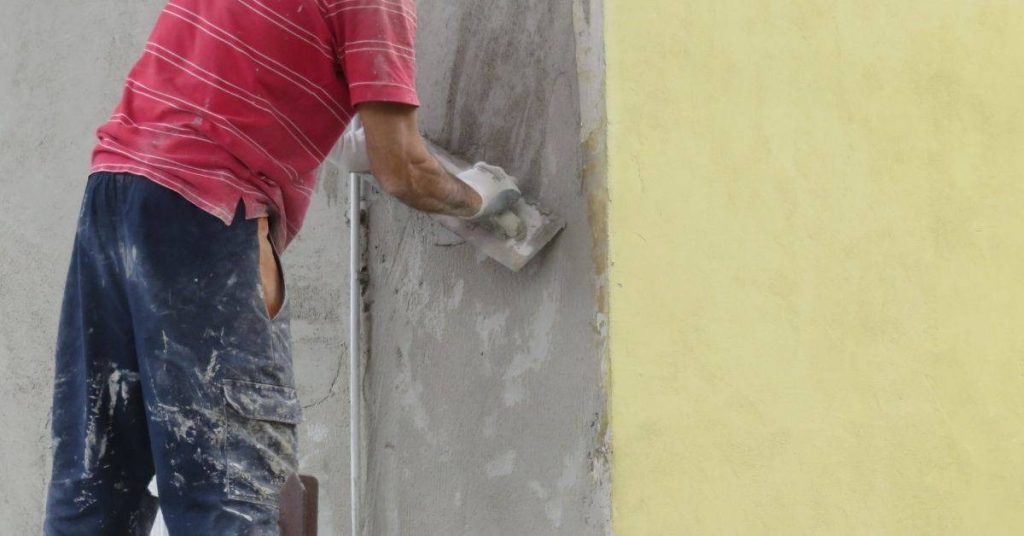
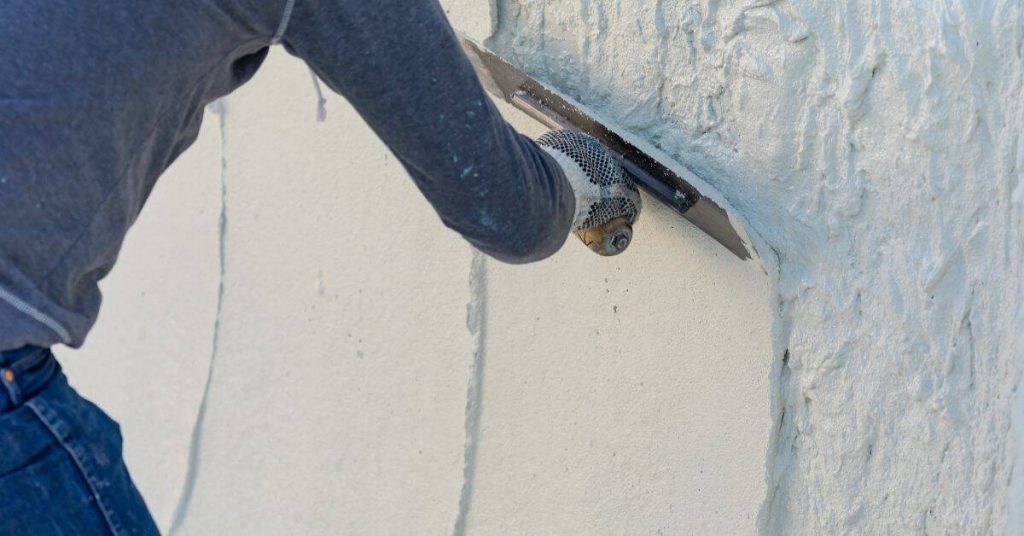
Hand holding trowel smoothing wet stucco surface

Repairing Stucco Control Joints: When to Reseal vs Replace the Accessory

Introduction Repairing stucco control joints means deciding whether to reseal the joint or replace the accessory. This article helps you assess condition and choose the practical path for a DIY project. You’ll find plain-language steps to reseal or replace without guesswork. Watch for signs like wide cracks, loose trim, or staining that suggest movement or […]

Repairing Stucco Control Joints: When to Reseal vs Replace the Accessory Read More »
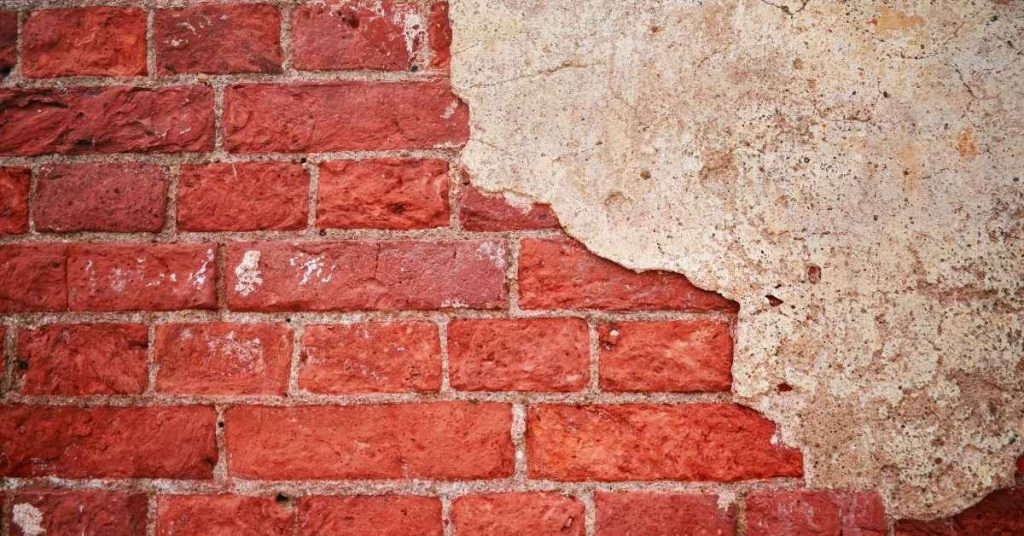
Peeling stucco on red brick wall

Stucco Patch Cracks That Reappear: Movement vs Shrinkage and How to Tell

Introduction Cracks that reappear after patching are usually caused by movement or shrinkage in the stucco system. You can tell them apart by looking at how the crack ran and what the surrounding area did over time; movement cracks often change with structure or temperature, while shrinkage cracks stay smaller and more uniform. To start,

Stucco Patch Cracks That Reappear: Movement vs Shrinkage and How to Tell Read More »

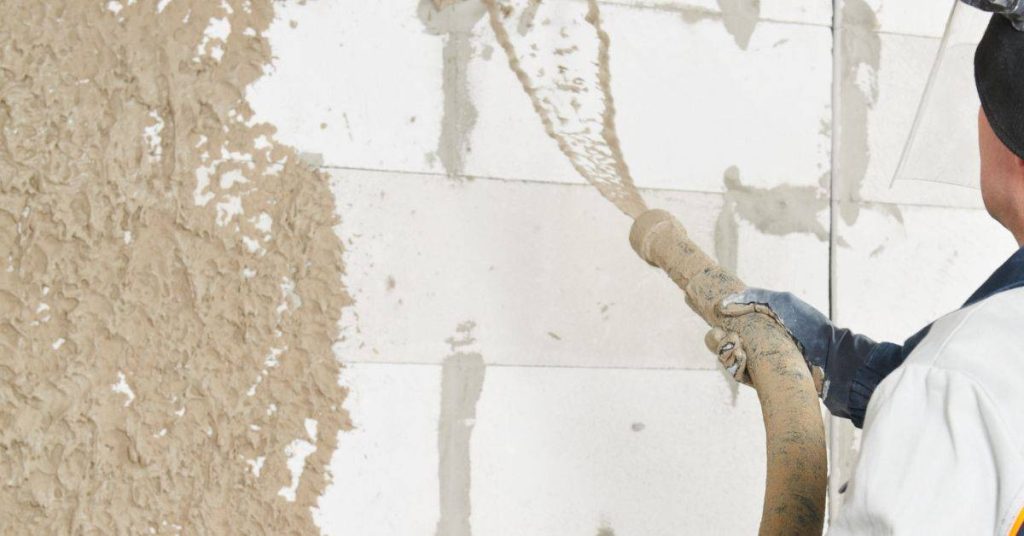
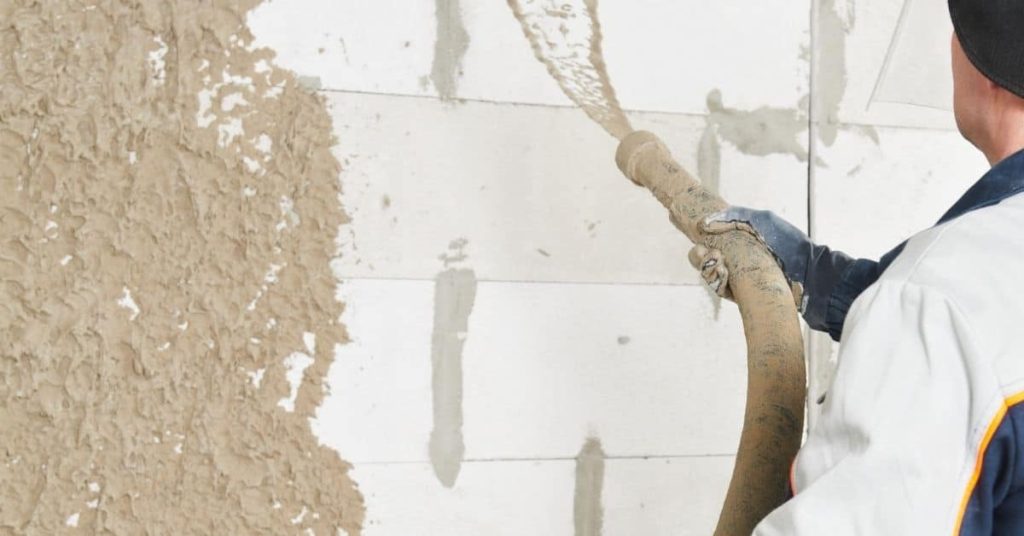
Person spraying stucco mixture onto a wall

How to Fix a Stucco Patch That Dries Too Fast: Pre-Wetting and Cure Mist Schedules

Introduction Pre-wetting and cure mist schedules help control how fast a stucco patch dries. This simple approach keeps the patch workable and reduces cracking. Set up a light dampening routine and watch for a smooth, even surface as you work. Common causes of rapid drying are sun exposure, wind, and heat on the patch area.

How to Fix a Stucco Patch That Dries Too Fast: Pre-Wetting and Cure Mist Schedules Read More »

Person painting white window sill with brush

Stucco Hairline Cracking After Painting: Film Thickness, Moisture, and How to Diagnose

Introduction Hairline cracks in painted stucco are tiny, visible splits in the finish that appear after you paint. The issue often comes from how thick the paint film is, moisture effects, or the way the substrate moved over time. To diagnose, look for patterns, damp spots, or soft areas that suggest moisture trouble, and note

Stucco Hairline Cracking After Painting: Film Thickness, Moisture, and How to Diagnose Read More »

Worker applying stucco on an exterior wall section

Stucco Kickout Flashing Retrofit: Minimal Removal Approaches That Actually Work

Introduction Stucco kickout flashing is a piece of flashing, usually metal or plastic, installed at the edge where the roof overhang meets a stucco wall to redirect water away. This article outlines minimal-removal retrofit ideas that still guide water correctly and protect the wall. You’ll need simple hand tools, basic fasteners, and compatible flashing material

Stucco Kickout Flashing Retrofit: Minimal Removal Approaches That Actually Work Read More »

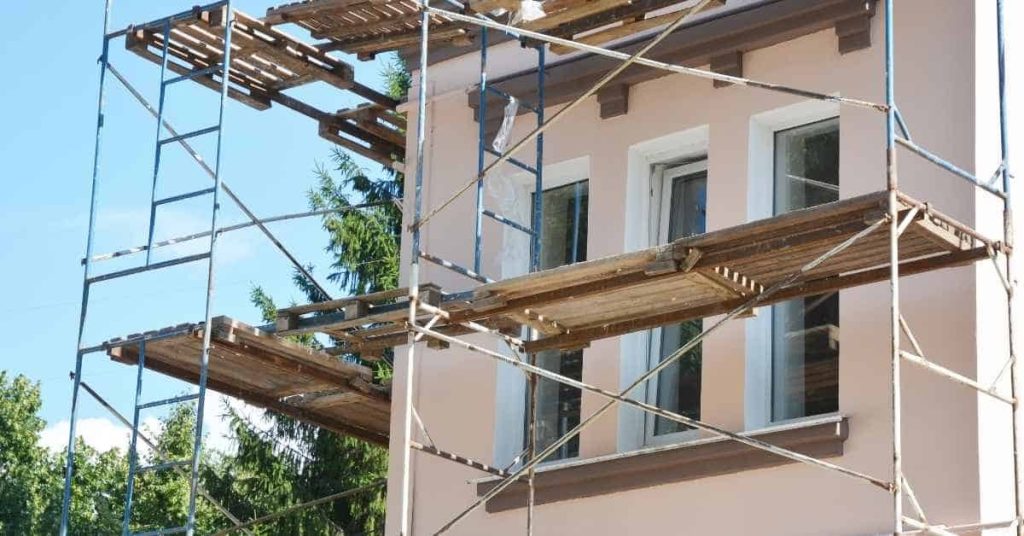
Metal scaffolding around exterior stucco wall

Stucco Fasteners That Rust: Choosing Corrosion-Resistant Options for Accessories

Introduction Corrosion-resistant fasteners for stucco are screws and anchors designed to resist rust and deterioration in exterior plaster assemblies. Choosing these options helps prevent staining and premature failure on outdoor walls. Always follow manufacturer instructions and local rules when selecting materials. For durability, compare stainless steel and coated steel fasteners and read the product labels

Stucco Fasteners That Rust: Choosing Corrosion-Resistant Options for Accessories Read More »

Worker spraying brown stucco on white wall

Adding Blocking Behind Stucco for Mounts: Finding Studs and Keeping Drainage Paths

Introduction Blocking behind stucco provides a solid mount point that the hardware can bite into. To find studs behind stucco, look for the interior framing and intended anchor points, and test suspected areas with a stud finder or by tapping and listening. Check manufacturer instructions and local rules for acceptable methods, and proceed only after

Adding Blocking Behind Stucco for Mounts: Finding Studs and Keeping Drainage Paths Read More »

Hand wearing white glove installing brown plastic anchor on foam board

Installing a New Vent Through Stucco: Sleeves, Slope, and Sealant Geometry

Introduction Installing a new vent through stucco means creating a weather-tight opening in stucco siding to run a vent sleeve and sealant geometry. This keeps airflow functional while protecting the wall from water penetration. You’ll want to plan the sleeve, slope, and seal around the opening so the vent directs moisture away from the home.

Installing a New Vent Through Stucco: Sleeves, Slope, and Sealant Geometry Read More »

Person applying stucco texture on exterior wall

Running Exterior Cables on Stucco: Straps, Anchors, and Waterproof Penetrations

Introduction Running exterior cables on stucco involves securing the cable with appropriate straps or anchors and sealing any penetrations to keep moisture out. Do it with care, choosing hardware rated for outdoor use and compatible with stucco surfaces. Plan routes and clean the surface before mounting to avoid damage and ensure solid footing. Types of

Running Exterior Cables on Stucco: Straps, Anchors, and Waterproof Penetrations Read More »