Plaster

Plaster is for cement-based and traditional plastering projects where a smooth or durable surface is the goal.

You’ll find guides on surface prep, bonding, scratch/brown/finish coats, patching, corner details, sanding and finishing, and how to avoid common issues like cracking, poor adhesion, and uneven texture.

If your project is “make this wall look right again,” this is the category to start with.

Cracked plaster corner with yellow and white walls

Salt Damage in Plaster: Stopping recurring powder and flaking on masonry walls

Introduction Salt damage in plaster is when mineral salts from the masonry migrate into the plaster and cause powdering and flaking. This often happens as moisture moves through the wall and brings salts to the surface, weakening adhesion. The fix starts with locating the moisture source and choosing a repair approach that fits the wall […]

Salt Damage in Plaster: Stopping recurring powder and flaking on masonry walls Read More »
Smooth white plastered ceiling with single hanging light bulb

Blistering Plaster Finish Coats: Causes and a cleaner re-skim approach

Introduction Blistering plaster finish coats are finish layers that lift or bubble because moisture or poor adhesion gets trapped under the surface. In DIY work, heat, humidity, or applying a coat too thick can start blisters. A cleaner re-skim approach means removing the loose skin and reflowing the coat while following the product’s instructions. Begin

Blistering Plaster Finish Coats: Causes and a cleaner re-skim approach Read More »

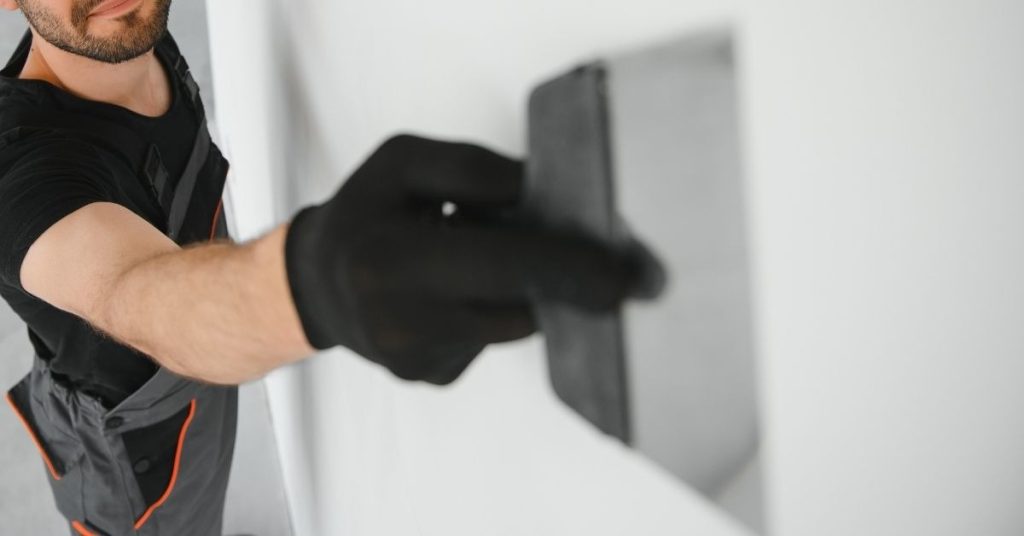
Worker smoothing plaster on wall with trowel

High-Suction Walls: Preventing plaster from flash-drying and tearing

Introduction High-suction walls pull moisture out of plaster too quickly, causing flash-drying and tearing. To work effectively, you need to control the wall’s thirst and pace your plastering. Keep the work steady and watch the surface for signs of fast drying. Control the suction by misting the wall lightly or using a wet bonding step

High-Suction Walls: Preventing plaster from flash-drying and tearing Read More »

Worker applying textured plaster with paint roller

Controlling Plaster Dry Time: Moisture management without soft surfaces

Introduction Controlling plaster dry time means managing moisture so the surface sets firm and doesn’t stay soft. In DIY work, you adjust humidity, ventilation, and application thickness to guide the cure. Keep an eye on how the room feels and how the plaster responds as it dries. Keep the work area within a steady temperature

Controlling Plaster Dry Time: Moisture management without soft surfaces Read More »

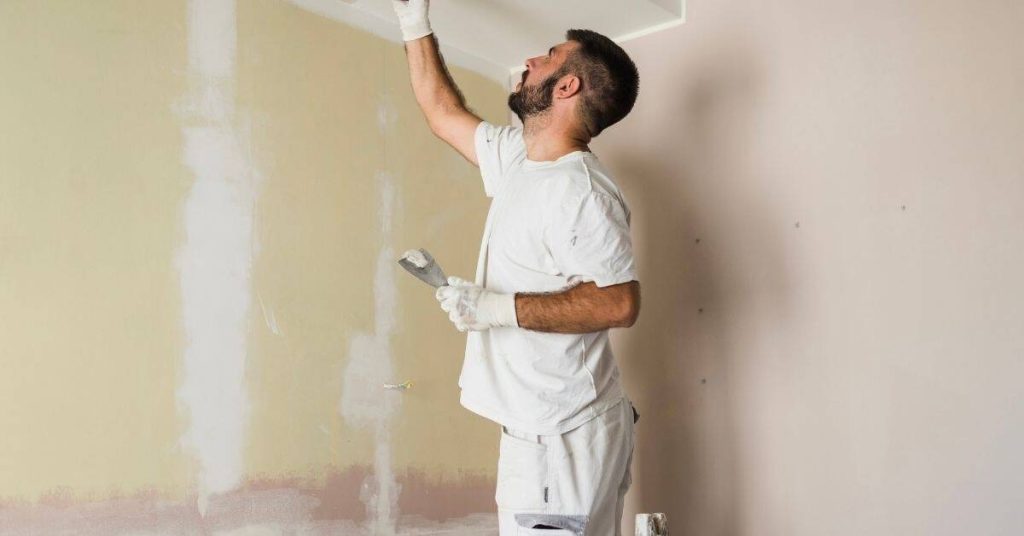
Man patching interior wall with plaster using putty knife

Patching Lime Plaster: Blending repairs without a color mismatch

Introduction Patching lime plaster is the process of repairing damaged areas so the new work matches the old finish. Work with lime plaster that matches the existing mix and color, and test color while it’s still workable to avoid a mismatch. Use feathered, gradual transitions and don’t overfill; the goal is a seamless repair. Prepare

Patching Lime Plaster: Blending repairs without a color mismatch Read More »

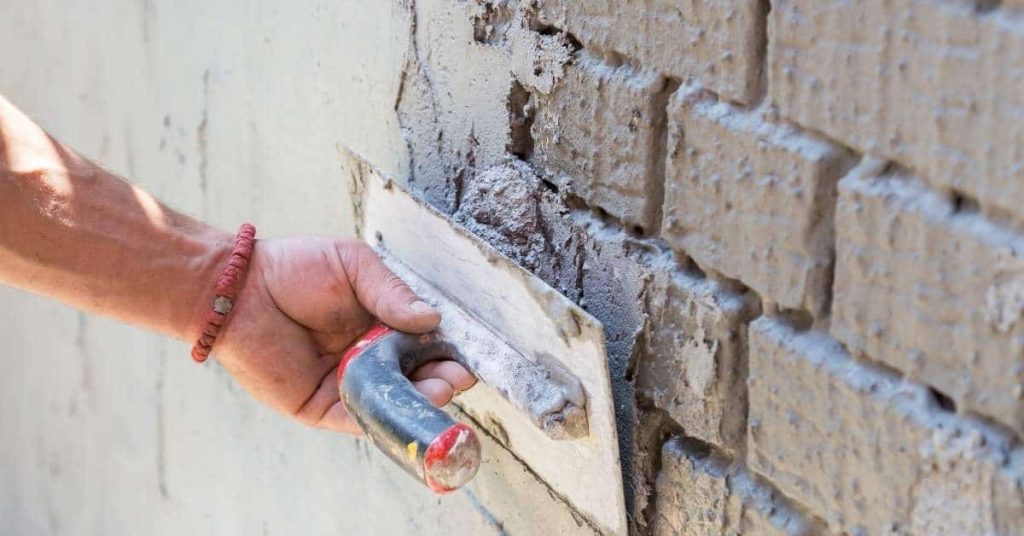
Hand applying plaster to brick wall with trowel

Sealing Lime Plaster: Protection options that still let walls breathe

Introduction Sealing lime plaster means applying a breathable coating that protects the wall without stopping moisture. Choose sealers or finishes that are specifically marked breathable and lime-plaster compatible. Test a small patch first and check the product label for indications of breathability and surface compatibility. Prepare and clean the wall, then apply in thin, even

Sealing Lime Plaster: Protection options that still let walls breathe Read More »

closeup of hollow clay bricks showing texture and edges

Repairing Roman Clay Scratches: Fixes that don’t leave shiny spots

Introduction Repairing Roman clay scratches means restoring the smooth, even look of the surface without creating new shiny spots. The goal is a natural finish that blends with the surrounding texture and tone. Start by evaluating the scratch, then choose a patching method that won’t leave a glossy patch and test it on a hidden

Repairing Roman Clay Scratches: Fixes that don’t leave shiny spots Read More »

Hand in yellow glove cleaning blue surface with cloth

Cleaning Venetian Plaster: Safe methods that don’t dull the sheen

Introduction Cleaning Venetian plaster is removing dirt without dulling the sheen. Start with mild, gentle cleaners and a soft cloth or sponge, and test any method on a small hidden area first. Use light pressure and rinse with clean water, then dry with a soft, non-abrasive towel; avoid harsh scrubbing or abrasive tools to protect

Cleaning Venetian Plaster: Safe methods that don’t dull the sheen Read More »

Hands applying plaster to wall with trowel and knife

Dark Trowel Lines in Polished Plaster: Why they appear and how to fix them

Introduction Dark trowel lines in polished plaster are color variations that show up where the finish was pushed or pulled during leveling. They happen when moisture movement, air pockets, or inconsistent setup affect pigment distribution. Keep in mind this is common in DIY work and can be corrected with careful technique. To fix them, work

Dark Trowel Lines in Polished Plaster: Why they appear and how to fix them Read More »